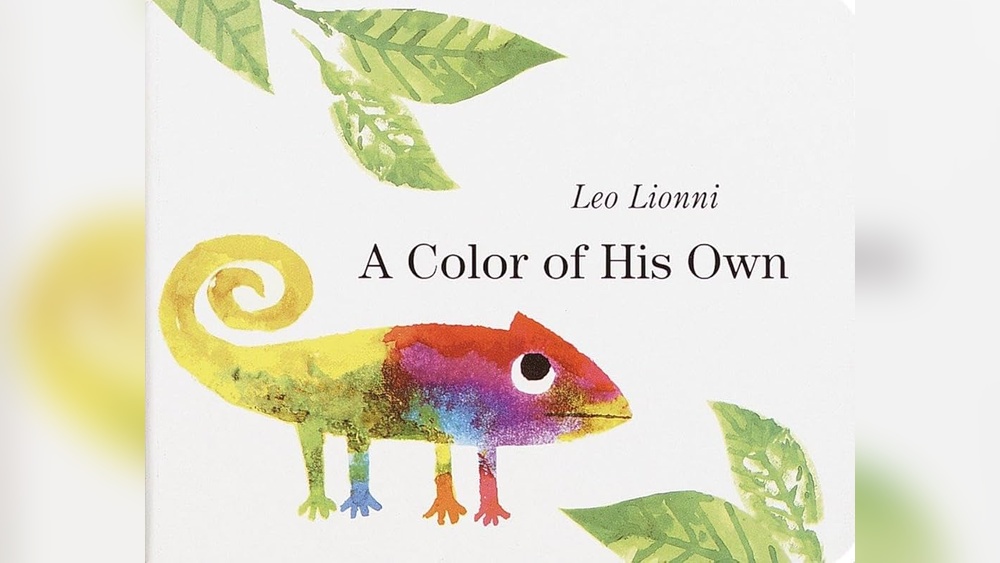
Have you ever felt like you don’t quite fit in because you don’t have something unique to call your own? That’s exactly how the little chameleon feels in A Color of His Own.
This charming story takes you into the world of a chameleon who changes colors to blend in but longs to discover his own true color. If you want to explore a tale about finding your identity and embracing what makes you different, keep reading.
You’ll soon see why this simple story has touched the hearts of children and adults alike—and what lessons it can teach you about being yourself.

Credit: archive.org
Chameleon’s Color Struggle
The story of A Color of His Own centers on a little chameleon’s struggle to find his true color. Unlike other animals, the chameleon changes color to match his surroundings. This ability makes him feel he does not have a color of his own. His struggle is both physical and emotional as he searches for identity and belonging.
This color struggle highlights the theme of self-discovery. The chameleon wants to be unique and special, not just blend in. His journey teaches young readers about embracing their own identity, even if it is different from others.
Why The Chameleon Changes Color
The chameleon changes color to stay safe. It hides from danger by blending into leaves, flowers, or branches. This natural defense helps the chameleon survive but makes him feel invisible. He wishes to have a color that belongs only to him.
The Feeling Of Being Different
All animals around the chameleon have fixed colors. Tigers have stripes, and elephants have gray skin. The chameleon feels lonely because he can never show his true self. His changing colors confuse him and the animals around him.
The Search For Identity
The chameleon tries many places to find a color that fits him. He hopes to find a color that stays with him forever. This search is a symbol of how people look for who they really are.
What The Chameleon Learns
In the end, the chameleon understands that his ability to change color is special. It is part of who he is. He learns to accept himself and feels proud of his unique gift.
Searching For Identity
The story of A Color of His Own centers on a chameleon’s quest to find his true self. Unlike other animals, he does not have a fixed color. This difference makes him feel lost and unsure. He changes colors to fit in but longs to be unique.
This search for identity is a powerful theme that many can relate to. It shows how important it is to understand who we are. The chameleon’s journey teaches readers about self-acceptance and the value of being different.
Feeling Different From Others
The chameleon notices that all animals have their own color. Birds are red, tigers are orange, and frogs are green. But he changes colors depending on where he sits. This makes him feel like he has no true identity. His difference makes him feel isolated and confused.
The Desire To Belong
At first, the chameleon tries to stay one color. He hopes this will make him like others. He sits on a leaf to stay green. He believes having a single color will help him belong. Still, he feels something is missing inside.
Discovering True Identity
Through his journey, the chameleon learns that his changing colors are special. They are part of who he really is. Instead of fitting in, he embraces his unique gift. This moment of discovery brings him peace and confidence.
The Lesson Of Self-acceptance
A Color of His Own shows that finding identity is about accepting ourselves. The chameleon’s story encourages readers to love their differences. It teaches that true happiness comes from being authentic and true to oneself.
Lessons On Individuality
The story of A Color of His Own teaches valuable lessons on individuality. It shows how being unique brings true happiness. The little chameleon’s journey helps children understand this. They learn to accept themselves just as they are.
The book encourages self-discovery. It explains that everyone has their own special traits. Trying to copy others only leads to confusion. The chameleon’s search for a color of his own symbolizes this important message.
Embracing Your True Colors
The chameleon changes colors often but feels lost. He wishes for a color that belongs only to him. This wish highlights the need to accept our own identity. True confidence comes from embracing who we really are.
Understanding That Differences Are Strengths
The story shows that being different is not bad. It is what makes each one special. The chameleon’s changing colors represent this idea clearly. Differences help us stand out and add value to the world.
Learning To Be Comfortable In Your Own Skin
At first, the chameleon tries to fit in by changing colors. This causes him stress and confusion. Eventually, he finds peace by accepting himself. This teaches children to be comfortable with their unique traits.

Credit: kitchenfloorcrafts.blogspot.com
The Role Of Self-expression
The story A Color of His Own explores the importance of self-expression in a simple yet powerful way. It shows how being true to oneself helps build confidence and happiness. The little chameleon changes colors to fit in but feels lost without a color of his own. This struggle highlights the human need to express who we really are.
Self-expression is more than just showing our feelings. It means embracing our uniqueness and standing out from the crowd. The chameleon’s journey teaches children to value their identity. It encourages them to be proud of what makes them different.
The Chameleon’s Search For Identity
The chameleon tries to blend in by changing colors. This shows how people sometimes hide their true selves. They may copy others to feel accepted. But the chameleon feels empty without a color that belongs only to him. His search reflects the need to find and accept one’s own identity.
Understanding Individuality Through Colors
Colors in the story symbolize uniqueness and personality. Each animal has its own color, just like each person has traits that make them special. The chameleon’s desire for a color of his own teaches children to celebrate their differences. It shows that being unique is a gift, not a flaw.
The Impact Of Self-expression On Confidence
Finding his own color gives the chameleon confidence and joy. Self-expression helps people feel secure and happy. It allows them to connect with others honestly. The story shows that expressing who we are builds inner strength and self-worth.
Friendship And Acceptance
Friendship and acceptance lie at the heart of A Color of His Own. The story shows how being different can feel lonely. Yet, finding friends who accept you brings true happiness. The chameleon’s journey teaches children about understanding and kindness.
Friendship Beyond Differences
The chameleon changes colors to match his surroundings. This makes him feel lost and alone. Other animals have fixed colors, and they seem to fit in. But the chameleon’s friends accept him for who he is. They do not mind his changing colors. True friendship is about accepting differences.
Learning To Accept Yourself
The chameleon wishes for a color of his own. He believes this will help him fit in. Over time, he learns that being unique is special. The story encourages children to love themselves as they are. Acceptance starts from within.
The Power Of Kindness
Kindness from others helps the chameleon feel safe. His new friends do not judge him. Their support shows how kindness builds strong bonds. Children learn that kindness is key to acceptance and friendship.

Credit: www.amazon.com
Leo Lionni’s Storytelling Style
Leo Lionni’s storytelling style stands out for its simplicity and warmth. He uses clear, gentle language that speaks directly to young readers. His stories often explore deep themes through easy-to-understand characters and situations. This approach makes his books both engaging and meaningful.
In A Color of His Own, Lionni combines straightforward text with beautiful, soft illustrations. The story flows naturally, inviting children to think about identity and self-acceptance. His style encourages readers to feel connected to the characters and their journeys.
Simple Language And Clear Messages
Leo Lionni uses short sentences and common words. This helps children follow the story without confusion. The messages about individuality and self-discovery are easy to grasp. Children learn important lessons without feeling overwhelmed.
Illustrations That Complement The Story
Lionni’s illustrations are gentle and colorful. They add emotion and depth to the text. The artwork helps children imagine the chameleon’s world and feelings. This visual storytelling supports the themes of change and belonging.
Use Of Animal Characters
Animals play a central role in Lionni’s stories. In A Color of His Own, the chameleon’s experience teaches children about identity. Using animals makes the story relatable and fun. It also allows readers to explore human feelings in a simple way.
Impact On Early Childhood Readers
A Color of His Own touches young readers deeply. It helps children understand who they are and why that matters. The story uses a simple chameleon to show that being different is okay.
Children see the chameleon’s journey and learn about self-acceptance. The clear, colorful illustrations catch their eyes. This book builds early emotional skills and boosts confidence.
Building Self-identity In Young Minds
The chameleon’s search for his own color teaches kids about identity. They learn that everyone has unique traits. This idea helps children feel special and valued.
Early readers start to see themselves as individuals. This book supports that important stage of growth.
Enhancing Emotional Understanding
Children feel the chameleon’s confusion and joy. This helps them recognize their own feelings. Learning about emotions early makes it easier to handle them later.
The story encourages empathy. Kids understand how others might feel different or alone sometimes.
Promoting Language And Reading Skills
Simple words and short sentences make this book easy to read. Young readers gain vocabulary and comprehension skills. Repeating phrases help memory and speech.
The engaging story keeps children interested. This motivates them to read more and practice language skills.
Symbolism In Color Changes
The story A Color of His Own uses color changes as a powerful symbol. The chameleon’s shifting colors represent more than just camouflage. They reflect his search for identity and belonging. This symbolism adds depth to the simple tale, making it meaningful for readers of all ages.
Each color the chameleon takes on shows his attempt to fit in with his surroundings. Yet, this constant change also highlights his struggle to find a true self. The story teaches that true identity comes from within, not from copying others.
Chameleon’s Changing Colors As A Symbol Of Adaptation
The chameleon’s color changes symbolize how people adapt to new situations. He changes colors to blend with leaves, tigers, and other animals. This shows his effort to feel accepted and safe in different environments.
Adaptation is natural but can cause confusion about who you really are. The chameleon’s journey shows the challenge of balancing fitting in and staying true to yourself.
Search For Identity Through Color
The chameleon’s desire for a color of his own symbolizes the quest for identity. Unlike other animals with fixed colors, he shifts constantly. This reflects a deeper feeling of not having a clear, unique self.
His search teaches readers the importance of self-discovery. Finding your own “color” means embracing what makes you different.
Color Changes Represent Emotional States
The changes in color also mirror the chameleon’s emotions. Bright colors suggest happiness or confidence. Duller colors hint at sadness or uncertainty.
This emotional symbolism helps readers connect with the chameleon’s feelings. It shows how moods can change and influence how we see ourselves.
Themes Of Belonging And Difference
The story A Color of His Own explores deep themes about belonging and difference. It shows how being unique can feel both confusing and special. The little chameleon wants to have a color that is truly his own. This desire reflects a common feeling in all of us—the need to belong and to be accepted for who we are.
Belonging means feeling part of a group or place. Difference means being unlike others. The book teaches children that it is okay to be different. At the same time, it shows the comfort that comes from finding your own place.
The Struggle To Find Identity
The chameleon changes colors to fit in with his surroundings. This shows how sometimes people change to feel accepted. He feels lost without a fixed color. This struggle mirrors how children and adults try to find their true selves. The story encourages us to keep searching for our identity.
The Importance Of Acceptance
The chameleon learns that true belonging comes from being accepted as you are. Others may try to make you change, but self-acceptance matters most. The book highlights kindness and understanding towards those who are different. Acceptance creates a welcoming world where everyone feels safe.
Embracing Uniqueness
The chameleon’s unique ability to change colors becomes his strength. His difference is what makes him special. The story celebrates individuality and teaches children to value their own traits. Embracing what makes you unique leads to happiness and confidence.
Inspiring Confidence In Kids
Building confidence in children starts with helping them understand their uniqueness. A Color of His Own gently shows kids the value of being themselves. The story of a chameleon who learns to find his own color encourages children to embrace their identity.
Kids feel inspired when they see characters who face challenges like theirs. This book sparks conversations about self-acceptance and courage. It helps children see that everyone has a special place in the world.
Teaching Self-acceptance Through Storytelling
The chameleon’s journey teaches children to accept their differences. Kids learn that changing to fit in is not always the answer. The story shows the power of being true to oneself.
Encouraging Emotional Growth In Young Readers
Children understand feelings of confusion and fear through the chameleon’s eyes. The book helps them manage their emotions in a healthy way. It builds emotional strength by showing resilience and hope.
Promoting Individuality In Early Childhood
Each child is unique, just like the chameleon’s colors. The story highlights the beauty of individuality. It encourages kids to celebrate what makes them special.
Frequently Asked Questions
What Does The Book A Color Of His Own Teach Us?
A Color of His Own teaches children to embrace their unique identity and value self-discovery over fitting in.
What Reading Level Is The Color Of His Own?
The reading level of “A Color of His Own” by Leo Lionni is suitable for ages 3 to 5 years old.
Who Was Leo Lionni?
Leo Lionni was an Italian-American author and illustrator, famous for children’s books like “A Color of His Own. ” He created imaginative, educational stories using unique collage art.
What Kind Of Books Did Leo Lionni Write?
Leo Lionni wrote children’s books featuring animal characters. His stories teach creativity, individuality, and self-discovery through simple, engaging narratives.
What Is The Main Theme Of “a Color Of His Own”?
The story teaches the value of being unique and true to oneself.
Who Is The Author Of “a Color Of His Own”?
Leo Lionni wrote this popular children’s book.
What Age Group Is “a Color Of His Own” Suitable For?
It is ideal for children aged 3 to 5 years.
What Lesson Does The Chameleon Learn In The Book?
The chameleon learns to accept and love his own color.
How Does The Chameleon Change Throughout The Story?
He stops changing colors and finds his own unique shade.
Why Do Chameleons Change Colors In The Story?
They change colors to blend in with their surroundings.
Conclusion
The story of “A Color of His Own” shows the value of being yourself. The little chameleon learns that true colors come from inside. This tale helps children understand who they are. It encourages self-acceptance and joy in uniqueness. Every child can find their own special place.
Remember, it is okay to be different. Embrace your true colors with confidence and pride.