
Have you ever wondered how many colors a Nigella flower, also known as Love-in-a-Mist, can be? If you’re planning to add these charming blooms to your garden or simply curious about their vibrant palette, you’re in the right place.
Nigella flowers come in a surprising variety of shades, each bringing its own unique charm and beauty. By the time you finish reading this, you’ll know exactly what colors to expect and how these hues can brighten your garden or floral arrangements.
Ready to discover the colorful world of Nigela? Let’s dive in!
Credit: lakevalleyseed.com
Nigella Color Spectrum
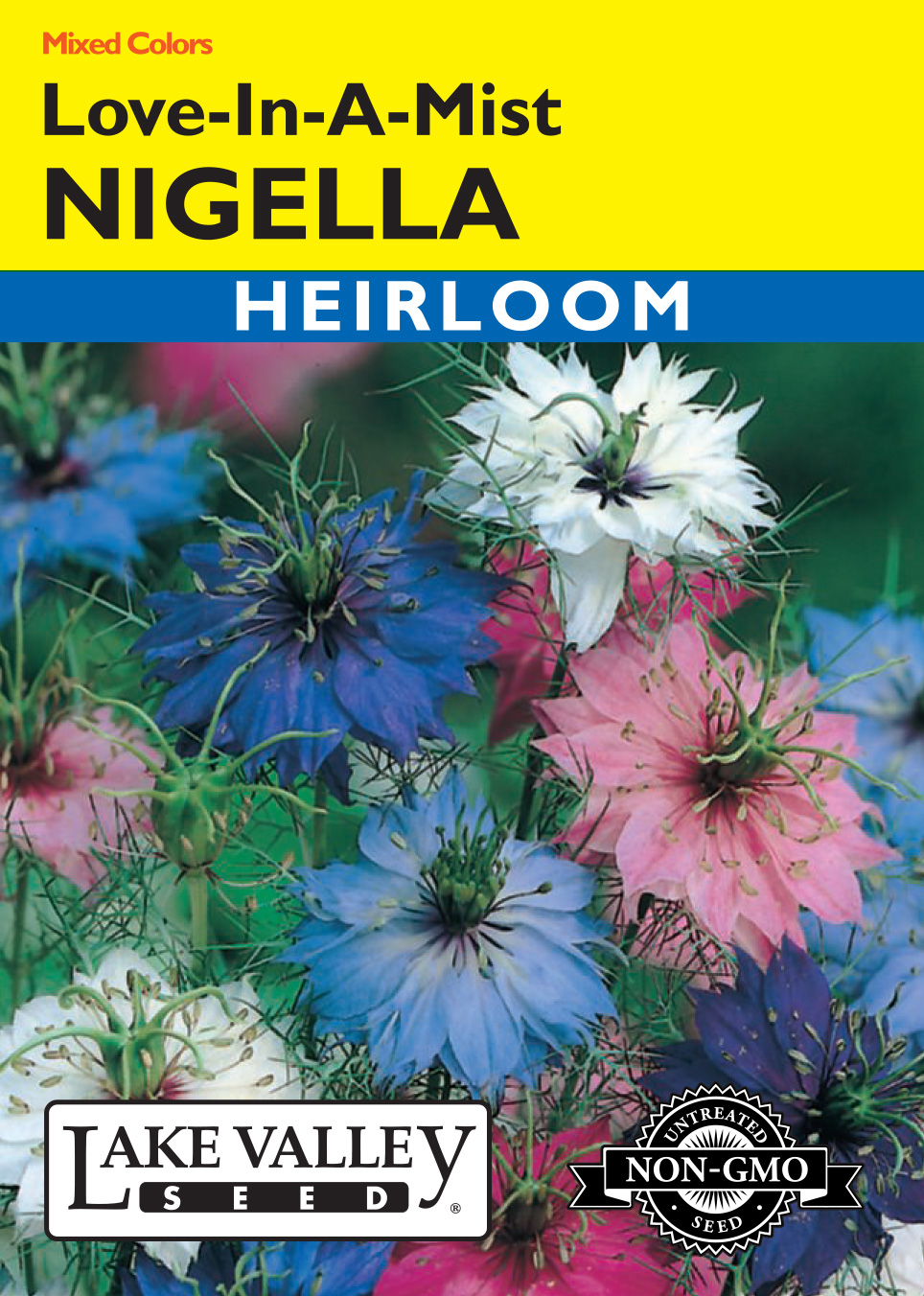
The Nigella color spectrum offers a charming variety of shades. These delicate flowers brighten any garden with their unique hues. Each color adds a special touch and mood to the scene.
Understanding the range of colors helps gardeners select the perfect Nigella for their space. The colors are soft yet striking, making them popular for fresh and dried arrangements.
Nigella Blue Shades
Blue is the most famous Nigella color. It ranges from pale sky blue to deep indigo. These shades create a calming, cool atmosphere in the garden.
White Nigella Flowers
White Nigella blooms look pure and fresh. They brighten darker spots and mix well with other colors. White flowers often symbolize simplicity and peace.
Pink And Lavender Variations
Soft pink and lavender shades bring a gentle, romantic feel. These colors are less common but highly prized by gardeners. They add softness and charm to flower beds.
Rare Purple And Violet Tones
Purple Nigella flowers are rare and eye-catching. Their deep tones add mystery and richness to garden designs. These colors work well in mixed borders.
Blue Nigella Varieties
Blue Nigella varieties captivate gardeners with their cool, calming hues. These flowers add a fresh touch to any garden or bouquet. Their delicate petals and unique shape make them a favorite among flower lovers.
Blue shades in Nigella range from soft sky blue to deep indigo. These colors create a serene atmosphere in garden beds and floral arrangements. Many gardeners choose blue Nigella for its timeless beauty and easy care.
Sky Blue Nigella
Sky Blue Nigella has light, airy petals. This shade works well in mixed flower borders. It brightens shady spots with its soft blue tone. The flowers look like small stars floating on thin stems.
Deep Blue Nigella
Deep Blue Nigella offers a richer, more intense color. This variety stands out in a sea of green leaves. Its bold blue petals attract pollinators like bees and butterflies. Deep blue Nigella adds drama to any garden space.
Blue And White Mixed Nigella
Some Nigella varieties combine blue and white petals. This blend creates a charming contrast in each bloom. These two-tone flowers bring variety without clashing colors. They fit well in both formal and wildflower gardens.
White And Cream Shades
White and cream shades of Nigella bring a soft and gentle beauty to any garden. These colors offer a calm and fresh look that blends well with other plants. They are perfect for creating elegant flower beds or delicate bouquets.
White Nigella flowers often have a pure, clean appearance. Their petals can be bright white or have a subtle cream tint. This variety adds brightness and a touch of simplicity to the garden space.
Cream shades of Nigella tend to have a warm, gentle glow. These flowers range from light ivory to soft beige tones. They create a soothing and natural look, ideal for peaceful garden corners or mixed floral designs.
Pure White Nigella
Pure white Nigella flowers stand out with their crisp and clear petals. They attract attention without overwhelming other colors. This shade creates a fresh and airy atmosphere in the garden.
Creamy And Ivory Tones
Creamy Nigella flowers have a subtle warmth that feels soft and inviting. Ivory tones add a vintage charm to flower arrangements. These shades work well with pastel and earthy color palettes.
Combining White And Cream Shades
Mixing white and cream Nigella flowers produces a lovely contrast. The blend adds depth and texture to floral displays. This combination suits both wild and formal garden styles perfectly.
Credit: www.naturadoriente.com
Pink And Rose Tones
Pink and rose tones add a soft and charming touch to Nigella flowers. These hues create a delicate contrast to the usual blues and whites found in Nigella varieties. Gardeners often choose pink and rose Nigella to introduce warmth and romance to flower beds.
These colors vary in intensity, ranging from pale blush to deeper rose shades. Each shade brings a unique character to the garden. Pink and rose tones blend well with green foliage and other pastel blooms.
Soft Blush Pink Nigella
Soft blush pink Nigella petals offer a gentle, almost ethereal look. These flowers can brighten shady spots with their subtle color. Their light pink hue makes them perfect for cottage-style gardens.
Deep Rose-hued Nigella
Deep rose tones give Nigella a richer, more vibrant appearance. These flowers stand out in mixed beds and bouquets. Their bold color attracts bees and butterflies, supporting garden biodiversity.
Variations And Color Blends
Some Nigella flowers show gradients between pink and white or pink and purple. These blends create a natural ombre effect on petals. Color variations add depth and interest to floral arrangements.
Purple And Lavender Hues
Purple and lavender hues add charm to the Negila flower’s palette. These colors bring softness and depth to gardens and bouquets. They range from deep violet to pale lavender shades. Each tone offers a unique beauty that attracts gardeners and flower lovers.
These hues often symbolize calmness and grace. They fit well in mixed flower beds and also stand out alone. Purple and lavender Negila flowers create a gentle, soothing atmosphere.
Purple Shades Of Negila
Purple Negila flowers show rich, vibrant colors. They often have a royal look, making gardens look elegant. The petals sometimes have darker veins that add texture. These shades vary from medium purple to deep, almost blue tones.
Lavender Tones In Negila
Lavender Negila flowers appear lighter and more delicate. Their soft colors blend well with green leaves and other pastel flowers. These tones give a fresh, airy feel to any garden space. Lavender Negila is perfect for creating a calm corner.
Growing Purple And Lavender Negila
Negila with purple or lavender flowers grows best in full sun. Well-drained soil helps maintain healthy blooms. These flowers bloom in late spring or early summer. Regular watering and good air flow keep plants strong.
Credit: www.naturadoriente.com
Rare And Unique Colors
Rare and unique colors of Nigella captivate gardeners and flower lovers alike. These shades go beyond the common whites and blues. They add charm and surprise to any garden space.
Rare Nigella colors are often found in limited varieties. Their uncommon hues make them highly sought after for special floral arrangements. These colors also highlight the plant’s natural diversity.
Deep Purple Nigella
Deep purple Nigella is a striking and bold choice. It offers a rich contrast to lighter garden colors. This rare shade adds depth and mystery to flower beds.
Soft Pink Nigella
Soft pink Nigella brings a gentle and romantic feel. It suits cottage gardens and delicate floral designs. Pink tones are less common but very beautiful.
Green-tinted Seed Pods
Some Nigella varieties feature green-tinted seed pods. These pods create a unique visual interest even after the flowers fade. They are perfect for dried flower crafts.
Lavender And Blue Variations
Lavender and blue Nigella flowers show subtle differences in tone. These slight color changes make each bloom unique. Gardeners cherish these variations for their soothing effect.
Color Changes In Nigella
Nigella, also known as Love-in-a-Mist, is a charming flower with a unique trait: its colors can change subtly as the bloom matures. This color transformation adds a dynamic beauty to gardens. Observing these shifts reveals the delicate nature of Nigella’s petals and how they respond to light and age.
The color changes in Nigella are gentle yet noticeable. Starting from soft hues, the flowers may deepen or lighten over days. These shifts vary depending on the variety and growing conditions. This natural progression makes Nigella a delightful addition to flower beds and bouquets.
Initial Flower Colors Of Nigella
Nigella flowers first appear in a range of colors like blue, white, pink, and lavender. Each variety offers a distinct shade that brightens garden spaces. The initial color sets the stage for the flower’s evolving beauty.
How Colors Shift As Nigella Ages
As the flower matures, its color often changes subtly. Blue flowers might fade to a paler blue or almost white. Pink varieties can deepen to a richer hue or soften to a light blush. These changes occur over several days to weeks.
Factors Influencing Color Changes
Sunlight, temperature, and soil quality affect how Nigella’s colors develop. More sun can intensify colors, while cooler weather might slow the fading process. Soil nutrients also play a role in how vibrant the flowers appear.
Color Variations Among Different Nigella Types
Different Nigella species show distinct color patterns. Some produce pods that change color along with the petals. This variety adds interest and texture to gardens and floral arrangements.
Seed Pod Colors
Nigella seed pods add unique charm to gardens and floral arrangements. These pods develop after the flowers fade. Their colors vary and complement the blooms beautifully.
Understanding the seed pod colors helps gardeners choose the right Nigella variety. The pods’ hues range from soft pastels to striking shades.
Green Seed Pods
Green is the most common seed pod color for Nigella. These pods often appear fresh and vibrant. They start green and sometimes darken as they mature.
Green pods blend well with garden foliage. They provide a natural, fresh look to flower beds.
Blue And Purple Seed Pods
Some Nigella varieties produce blue or purple seed pods. These colors create a striking contrast with the green stems. The pods add depth and richness to the garden palette.
Blue and purple pods attract attention and enhance floral displays.
Brown And Tan Seed Pods
As seed pods dry, many turn brown or tan. This color signals maturity and readiness for seed collection. Dried pods have a rustic, natural appeal.
Brown pods are popular in dried flower arrangements. They add texture and a warm tone.
Soft Pink And White Seed Pods
Less common are soft pink or white seed pods. These delicate colors match the lighter flower shades. They bring a gentle, elegant feel to the garden.
Pink and white pods suit romantic and cottage-style gardens well.
Cultivars And Color Variations
Nigella, also called Love-in-a-Mist, offers a variety of colors through its many cultivars. These color variations make the plant popular in gardens and floral arrangements. Each cultivar brings a unique shade and charm to the flowers. The range of colors adds interest and beauty to any space.
Growing different cultivars allows gardeners to enjoy various hues. Nigella colors can range from soft pastels to vivid tones. This diversity gives many options for planting and designing gardens. The flower’s delicate appearance and color variety make it a favorite among gardeners.
Cultivars With Blue And Purple Shades
The most common Nigella cultivars show blue or purple flowers. These colors vary from light lavender to deep indigo. Blue Nigella flowers often have a soft, misty look. Cultivars like ‘Miss Jekyll’ highlight these blue and purple shades beautifully.
White And Cream-colored Cultivars
White Nigella cultivars offer a fresh, clean look. They bring brightness and contrast to garden beds. Cream or off-white flowers add a gentle touch to flower arrangements. These cultivars suit those who prefer subtle flower colors.
Pink And Soft Rose Variations
Some Nigella cultivars feature soft pink or rose tones. These colors provide a delicate, romantic feel. Pink shades blend well with other pastel garden flowers. Such cultivars add warmth and softness to floral displays.
Rare And Mixed Color Cultivars
Few Nigella cultivars show mixed or rare colors. Some flowers combine blue with white or pink edges. These unique patterns create eye-catching blooms. Mixed color cultivars offer a playful twist to traditional Nigella colors.
Using Nigella Colors In Gardens
Nigella flowers bring charm with their unique colors and shapes. They add soft blues, whites, and pinks to garden beds. These colors create a calm and fresh look outdoors. Nigella’s delicate petals contrast well with green foliage and other bright blooms.
Gardeners enjoy planting nigella for its variety of colors. Each shade blends easily with many garden styles. From cottage gardens to wildflower patches, nigella fits perfectly. The colors also attract pollinators, supporting garden health.
Combining Nigella Colors For Visual Impact
Mixing nigella colors adds depth to garden design. Blue nigella pairs well with white and pink blooms. This mix creates a soft, dreamy palette. Grouping different colors in clusters draws attention. It also breaks the monotony of a single color.
Choosing Nigella Colors To Match Garden Themes
Match nigella colors to your garden’s theme. Use blue shades for a cool, serene feel. Pink and white work well in romantic or classic gardens. The right colors help set the mood and enhance other plants.
Using Nigella Colors In Seasonal Displays
Nigella blooms mainly in late spring to early summer. Their colors brighten garden spaces during this time. Plant several batches for a longer bloom period. This keeps color fresh and vibrant across the season.
Frequently Asked Questions
What Colors Are Nigella?
Nigella flowers come in blue, white, pink, purple, lavender, rose, and mauve colors. Some varieties have double flowers.
How Big Does Nigella Grow?
Nigella typically grows 12 to 24 inches tall. It thrives in well-drained soil with full sun exposure.
Do Nigella Plants Like Full Sun Or Shade?
Nigella plants prefer full sun for best growth and flowering. They tolerate light shade but bloom less vigorously. Choose a sunny spot with well-drained soil for healthy plants and abundant flowers.
What Are The Common Problems With Nigella?
Common problems with Nigella include whiteflies on leaf undersides, caterpillars chewing leaves, and mites causing yellowing and leaf drop. Use insect sprays and monitor plants regularly to control these pests effectively.
How Many Colors Can Nigella Flowers Have?
Nigella flowers come in about five main colors: blue, white, pink, purple, and pale yellow.
What Is The Most Common Color Of Nigella?
Blue is the most common and popular color of Nigella flowers in gardens.
Do Nigella Flower Colors Affect Their Growth?
No, Nigella flower colors do not impact their growth or care requirements.
Can Nigella Flowers Have Mixed Colors On One Plant?
Typically, each Nigella plant produces flowers of a single color, not mixed colors.
Are There Rare Nigella Flower Colors To Know?
Yes, pale yellow and soft pink are rarer Nigella flower colors.
How Long Do Different Nigella Flower Colors Last?
All Nigella flower colors usually last about three to four weeks during bloom.
Conclusion
Negila flowers come in several lovely colors, including blue, white, pink, and purple. Each shade adds charm to gardens and bouquets alike. Their unique hues brighten any space and attract attention naturally. Growing Negila is simple, and their colors bloom beautifully in well-drained, sunny spots.
Whether you prefer soft pastels or vibrant blues, Negila offers variety for every gardener. Exploring these colors can make your garden more lively and enjoyable. Choose the tones that suit your style and watch your garden flourish.