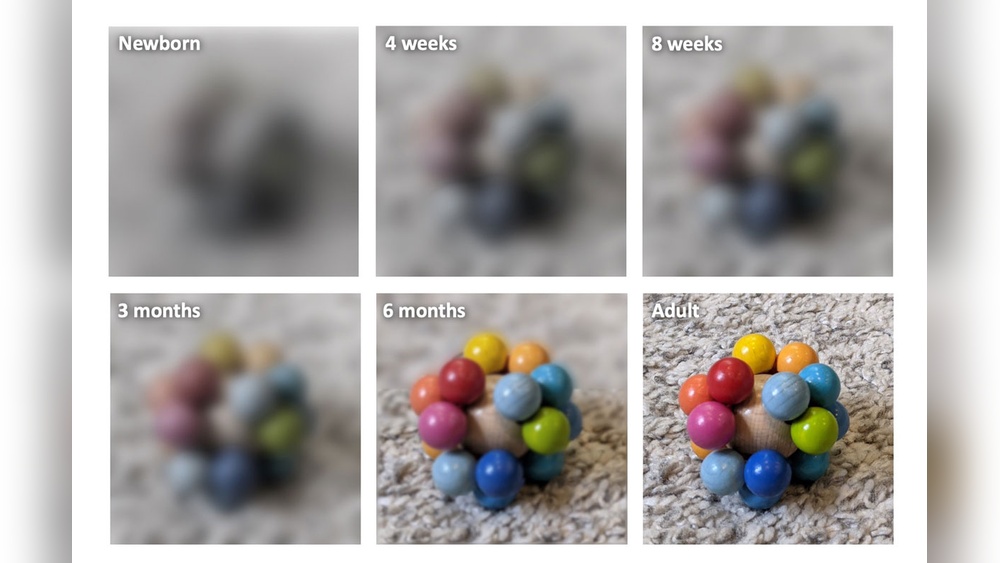
Have you ever wondered when your baby starts to see the vibrant world of colors around them? It’s an exciting milestone that many parents look forward to.
Right now, your newborn is just beginning to explore their surroundings, but their vision is still developing. At first, babies see mainly in shades of black, white, and gray. But soon, they begin to notice bright and bold colors like red and green.
Understanding when and how your baby starts to see color can help you support their growth and create a visually stimulating environment that captures their attention. Keep reading to discover the fascinating timeline of your baby’s color vision and simple ways you can encourage this amazing development.
Newborn Vision Basics
Newborn babies have very limited vision at birth. Their eyes and brain are still developing. They see mostly in shades of gray and blurry shapes. Colors are not clear to them yet.
Babies focus best on objects 8 to 12 inches away. This distance matches the space between their eyes and a parent’s face during feeding. Newborns notice light and dark contrasts more than colors.
How Newborns See The World
At birth, babies see mostly black, white, and gray. Their color vision is very weak. They can detect light changes but not specific colors. Their vision is blurry and unclear.
Development Of Color Vision
Color vision starts to improve around two months old. Babies begin to see red and green first. Yellow and blue colors come next. They cannot see all colors yet.
What Colors Attract Newborns
- Red: One of the first colors babies can notice.
- Green: Often distinguished from red by two months.
- Yellow: Vision for yellow starts to develop soon.
- Blue: Babies begin to see blue after red and green.
How To Help Your Baby See Better
Use high-contrast colors to catch your baby’s attention. Bright reds, yellows, and blues work best. Show simple patterns like black and white stripes. These help develop their vision faster.
Color Perception At Birth
Babies do not see colors clearly right after birth. Their color vision is very limited at first. Newborns mainly notice light and dark contrasts. They can see shapes and shadows better than colors.
Their eyes and brain are still learning to work together. The cells that detect color are not fully developed. This means newborns mostly see in shades of gray during the first weeks.
How Newborns See The World
At birth, babies focus on close objects, about 8 to 12 inches away. This distance is perfect for seeing a parent’s face during feeding. They see the world mostly in black, white, and gray. Color perception is very weak.
Which Colors Attract Newborns?
Newborns respond better to high-contrast colors. Black and white patterns catch their attention. Bright colors like red and green are easier to notice than soft pastels. These colors help stimulate their developing vision.
Development Of Color Vision
Color vision improves over the first few months. By two months, babies start to see some colors clearly. Red and green are usually the first colors they can distinguish. Yellow and blue come next as their eyes mature.
First Colors Babies Notice
Babies start to see colors gradually after birth. Their vision is blurry at first. Color vision develops over the first few months. At about two months old, babies begin to notice some colors clearly.
They do not see the full spectrum yet. Instead, they focus on bright, simple colors. These colors are easier for their eyes to detect. Understanding which colors babies notice helps parents choose toys and clothes.
Red And Green
Red is one of the first colors babies can see. It is bright and stands out easily. Along with red, babies start to notice green. These two colors are easier for their eyes to separate. Babies often react to red and green with curiosity.
Yellow
Yellow vision starts to develop soon after red and green. This color is bright and warm. Babies begin to recognize yellow as they grow. Yellow objects can attract their attention during playtime.
Blue
Blue is another early color babies can detect. They learn to tell it apart from yellow and red. Blue is cool and calm, providing a contrast to warm colors. Babies enjoy looking at blue toys and pictures.
Why Bright Colors Matter
Babies prefer high-contrast colors. Bright colors like red, yellow, and blue catch their eyes better. High-contrast combinations, such as black and white, work well too. These colors help stimulate their vision and brain development.
Showing your baby colorful objects supports their learning. It encourages focus and visual tracking skills. Use simple, bold colors to make playtime more engaging.
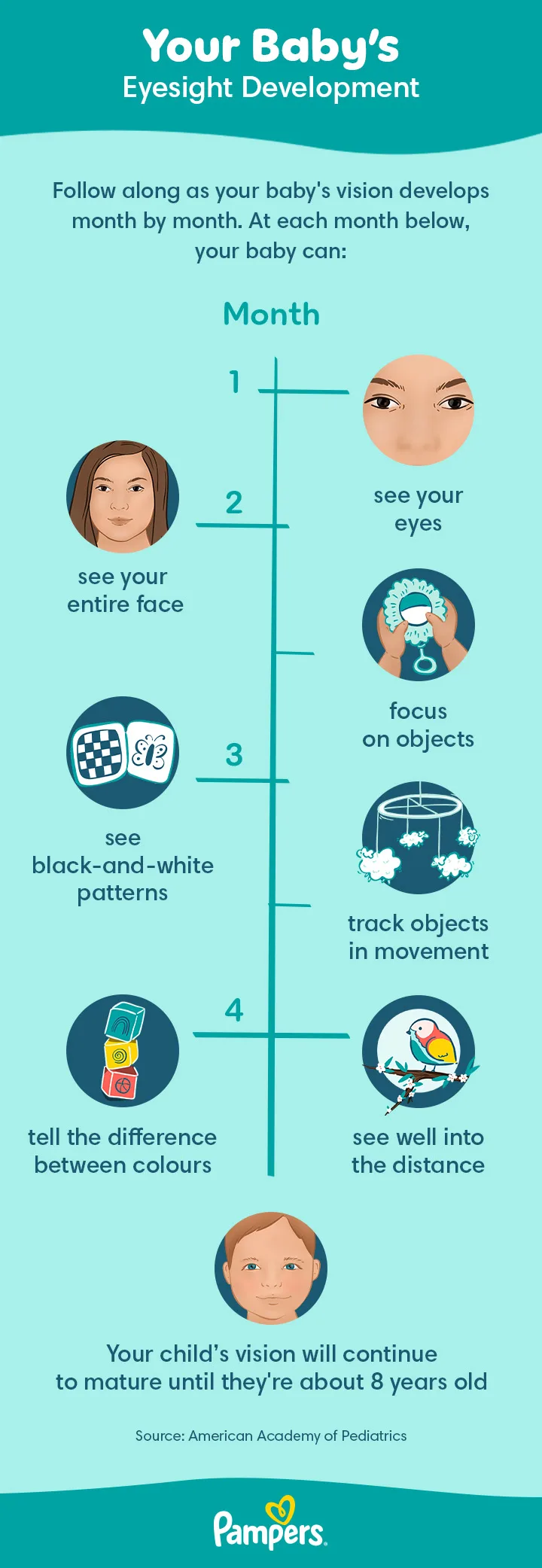
Credit: www.pampers.com
Development Of Color Differentiation
Babies begin to see colors around two months old, starting with red and green. Their ability to distinguish colors grows, including yellow and blue. Bright, simple colors catch their attention as their vision develops.
Babies start to see colors gradually after birth. Their eyes and brain work together to learn color differences. At first, babies see mostly shades of gray. Color vision improves over the first few months.
By two months, babies can tell some colors apart. Red and green are the first colors they notice. Next, they begin to see yellow and blue. Their ability to see colors is still limited but growing.
Early Color Recognition
Red is one of the first colors babies recognize. Green is also noticed early on. These colors stand out because they are bright and bold.
Yellow vision begins to develop soon after. Blue comes next as babies learn to see more hues. This order shows how babies’ eyes adapt to different colors.
What Colors Attract Babies
Babies prefer high-contrast colors. Bright reds and blues catch their attention easily. Combinations like black and white are also very engaging.
Strong colors help stimulate babies’ vision. Showing brightly colored toys supports their color learning. Visual stimulation is important for healthy eye development.
High-contrast Colors And Baby’s Attention
Babies notice high-contrast colors more easily than subtle shades. Their eyes are still learning to see and focus. Strong colors like black and white catch their attention quickly.
Bright primary colors such as red, yellow, and blue also attract babies. These colors stand out and help babies start to recognize differences. This visual stimulation supports early brain and eye development.
Why High-contrast Colors Matter
Newborns see the world mostly in shades of gray at first. High-contrast colors create clear shapes and edges. This makes it easier for babies to focus and track objects.
Clear contrasts help babies practice eye movement and coordination. This skill is important for future learning and development.
Which Colors Attract Babies Most
- Black and White: Sharp contrast that newborns can see well.
- Red: One of the first colors babies can distinguish.
- Green: Babies start to tell green apart from red.
- Yellow: Babies begin to notice yellow around two months.
- Blue: Babies can see blue and tell it from other colors.
How To Use High-contrast Colors For Baby’s Growth
Show your baby toys or books with bold patterns. Use black and white stripes or red and yellow shapes. These visuals encourage your baby to look and learn.
Place colorful objects where your baby can see them during playtime. This practice helps strengthen vision and attention skills.
Visual Stimulation Tips
Visual stimulation plays a key role in helping babies learn to see colors. It supports their developing vision and encourages focus. Offering the right visual experiences aids their brain and eyes to work together better.
Bright, clear colors catch a baby’s attention. Simple patterns and bold shapes also help develop their sight. These easy steps can make a big difference in their early learning.
Use High-contrast Colors
Babies respond well to high-contrast colors like black and white. Red and green also attract their attention early on. These colors help babies notice differences and start to recognize shapes.
Introduce Bright Primary Colors
Bright reds, blues, and yellows are easy for babies to see. These colors stand out and keep babies interested. Show toys or books with these colors during playtime.
Show Simple Patterns
Simple stripes, dots, or checkerboards help babies focus. Patterns guide their eyes and improve tracking skills. Use items with clear shapes and limited colors for best results.
Change Visual Objects Often
Swap toys and images regularly to keep babies curious. New colors and shapes stimulate their vision. It also encourages them to explore and learn more.
Keep Visual Stimuli Close
Hold colorful objects about 8 to 12 inches from your baby’s face. This is the perfect distance for their developing vision. It allows them to see details and colors clearly.
Color Vision Milestones By Age
Babies’ color vision improves in clear stages during their first year. They start with limited color perception and gradually see more colors. Understanding these milestones helps caregivers support visual growth.
Birth To 1 Month
Newborns see mostly in shades of gray. Their eyes focus better on shapes than colors. Bright contrasts, like black and white, catch their attention more than colors.
2 To 3 Months
Babies begin to see some colors. Red and green are the first colors they can tell apart. Yellow and blue come next. High-contrast colors attract them most.
4 To 6 Months
Color vision becomes stronger. Babies can see more shades and differences between colors. They start to enjoy colorful toys and objects.
7 To 12 Months
Babies see most colors clearly now. Their brains learn to recognize color patterns. This helps in early learning and exploring their world.
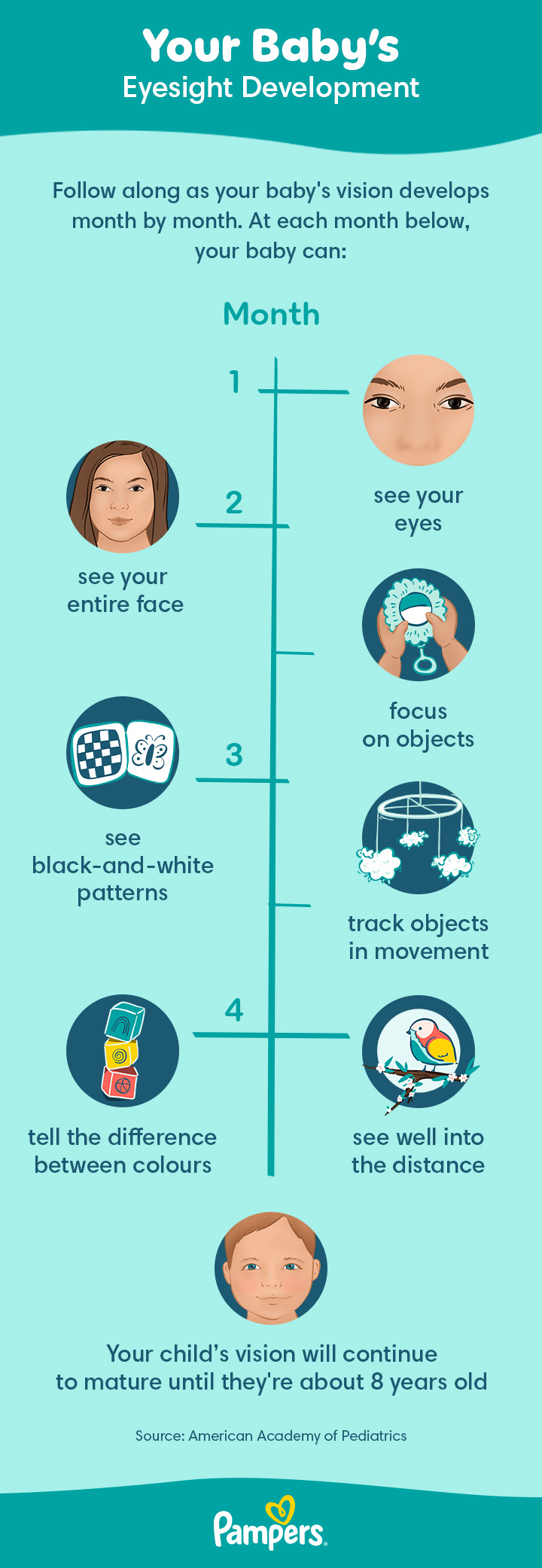
Credit: www.pampers.com
How Color Preference Influences Learning
Color plays a key role in how babies learn and explore their world. Babies notice colors that stand out first. Bright and clear colors grab their attention quickly. This helps them focus and learn new things faster.
As babies grow, their color preferences guide their learning experiences. They tend to choose colors they like, which makes learning more fun. Color preference also helps babies recognize and remember objects better.
Color And Brain Development
Colors stimulate different parts of a baby’s brain. Bright colors like red and yellow activate areas related to attention and memory. This boosts brain growth and helps babies process what they see. Early exposure to varied colors supports healthy brain development.
Impact On Visual Recognition
Babies use color to identify and sort objects. Preferred colors make it easier for babies to focus on shapes and patterns. This skill is important for recognizing faces and toys. Clear color contrast helps babies learn faster.
Color And Emotional Connection
Colors can affect a baby’s mood and comfort. Warm colors like red and orange often make babies feel happy and secure. Cool colors like blue can calm them down. Positive feelings linked to colors help babies enjoy learning moments.
Enhancing Learning With Color Choices
Choosing the right colors can support a baby’s learning. Use bright, simple colors in toys and books. High-contrast colors help babies see details clearly. This encourages exploration and curiosity in young minds.
Best Colors For Baby’s Environment
Choosing the right colors for a baby’s environment supports their vision growth. Babies start to see colors gradually after birth. Their eyes first notice bright, simple colors. These colors help babies focus and learn to recognize shapes.
Colors with high contrast catch babies’ attention. These colors stimulate their developing eyes and brain. Using the best colors in a nursery or play area can create a calm and engaging space for the baby.
Red And Green
Red and green are among the first colors babies can see. These colors appear bright and clear to young babies. Red is vibrant and grabs attention quickly. Green offers a soothing balance that is easy on the eyes. Combining red and green in toys or decor can keep babies interested.
Yellow And Blue
Yellow and blue are the next colors babies begin to recognize. Yellow is bright and cheerful, helping to brighten a room. Blue is calming and helps lower stress levels. Including these colors in baby items supports mood and focus.
High-contrast Combinations
Babies respond well to high-contrast colors like black and white. These combinations make shapes and patterns easier to see. High contrast boosts visual tracking and attention. Adding items with bold black and white patterns can aid visual development.
Soft Pastels For Calmness
Soft pastel colors create a peaceful environment for babies. Light pinks, blues, and greens are gentle on young eyes. These colors help babies relax and sleep better. Use pastel shades in bedding and walls to promote calmness.

Credit: intheplayroom.co.uk
Supporting Healthy Visual Development
Babies’ eyes grow quickly during the first months. Their vision improves every day.
Strong visual development helps babies learn about their world. They start to see colors more clearly as their eyes mature.
Parents and caregivers can support this growth with simple actions. These help babies build good vision skills early on.
Providing Bright And High-contrast Colors
Babies notice bright, bold colors first. Red, green, yellow, and blue attract their attention.
Use toys and books with strong colors. Black and white patterns also help their eyes focus better.
Changing colors and shapes in front of babies encourages their brain to process visual information.
Encouraging Visual Tracking
Moving objects slowly helps babies learn to follow with their eyes.
Use colorful toys or your face to guide their gaze side to side and up and down.
This practice improves eye muscle control and coordination.
Creating A Safe And Stimulating Environment
Good lighting supports clear vision. Natural light is best during the day.
Avoid harsh lights or glare that might strain babies’ eyes.
Keep areas clutter-free so babies can focus on key objects and colors.
Regular Checkups With A Pediatrician
Doctors check babies’ eye health during visits.
Early detection of vision problems can prevent delays.
Follow any advice given to support your baby’s sight development.
Frequently Asked Questions
What Colors Can My 2 Month Old See?
At 2 months, babies see high-contrast colors like red and green first. They also begin distinguishing yellow and blue. Their color vision is still developing, so bright, primary colors attract them most. Visual stimulation with vivid colors helps their eyesight grow.
What Is The 5 8 5 Rule For Babies?
The 5 8 5 rule for babies guides feeding: 5 minutes per breast, 8 times a day, for 5 days. It helps establish breastfeeding routines effectively.
What Colors Do Babies See First?
Babies first see high-contrast colors like red and green. They begin distinguishing yellow and blue around two months old. Bright, primary colors attract their attention and support visual development.
What Is A Baby’s Vision At 2 Months?
At 2 months, babies begin distinguishing high-contrast colors like red, green, yellow, and blue. Their color vision is developing but not fully clear. Bright, vivid colors attract their attention and help stimulate visual growth.
When Do Babies Start Seeing Colors Clearly?
Babies begin to see some colors around 2 months old, starting with red and green.
Which Colors Can Newborns See First?
Newborns first distinguish red and green, followed by yellow and blue as their vision develops.
How Does A Baby’s Color Vision Develop?
Color vision improves gradually; babies see high-contrast and bright colors first.
When Do Babies Prefer Bright Colors?
Babies show preference for bright, high-contrast colors like red, yellow, and blue by 2 months.
Can Newborns See All Colors At Birth?
No, newborns see mostly shades of gray and some high-contrast colors initially.
Why Do Babies Like Bright Colors?
Bright colors are easier for babies to see and help stimulate their vision.
Conclusion
Babies begin to see colors around two months old. At first, they notice bright reds and greens. Soon, yellows and blues join their color world. Their eyes prefer strong, clear contrasts. Showing colorful toys helps their vision grow. Remember, their color sight improves over many months.
Patience and simple colors support healthy development. Watching this change is a special part of early growth. Every baby’s journey to seeing color is unique. Celebrate these little steps and enjoy the colorful world together.