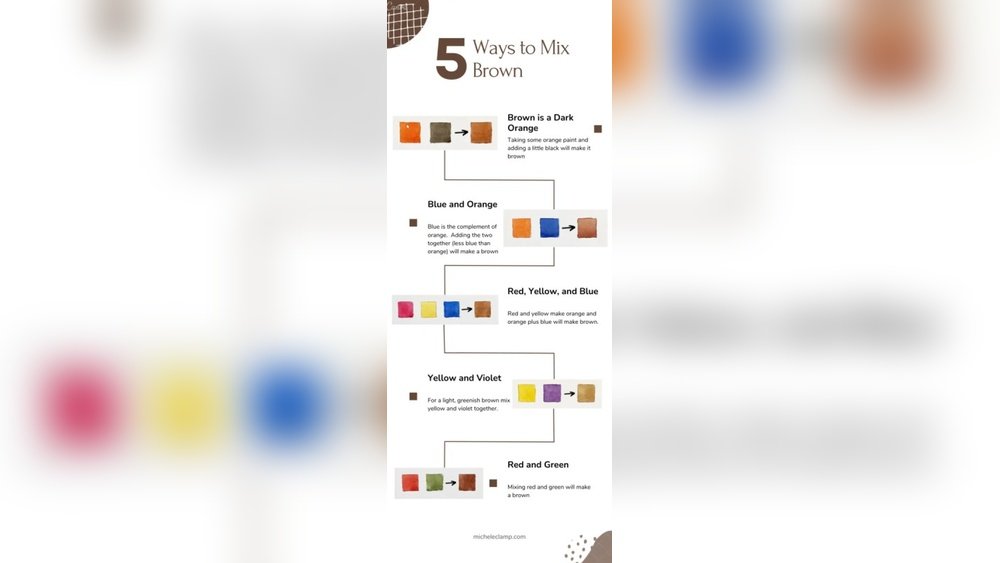
Are you looking to create the perfect brown color for your next painting or design project? Understanding how to make brown can unlock a whole new level of creativity for you.
Whether you want a warm, rich brown or a cooler, muted tone, mixing the right colors is key. You’ll discover simple, foolproof methods to make brown using colors you already have—no need for special paints or dyes. Ready to learn how to mix browns that match exactly what you envision?
Let’s dive in and turn your ideas into the perfect shades of brown!
Basic Color Combos
Creating brown color starts with simple color combinations. Understanding these basics helps you mix the perfect shade. Brown can appear warm, cool, dark, or light. The choice of colors affects its tone and depth. Two main methods exist: mixing primary colors and blending complementary colors. Each method offers unique brown hues for your projects.
Primary Colors Mix
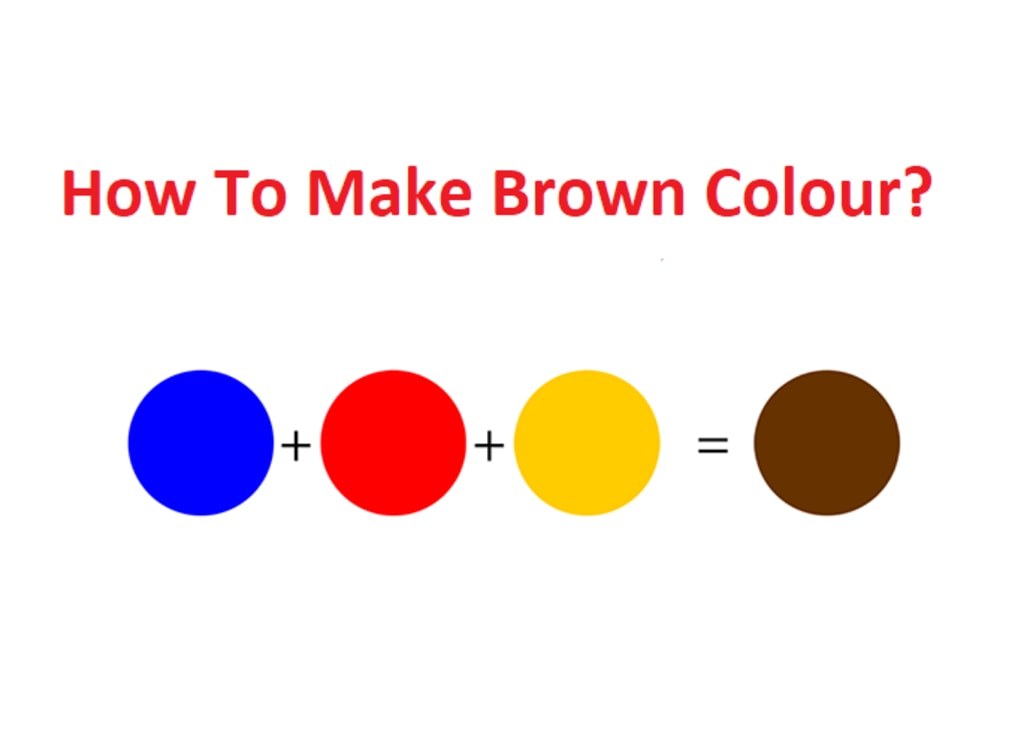
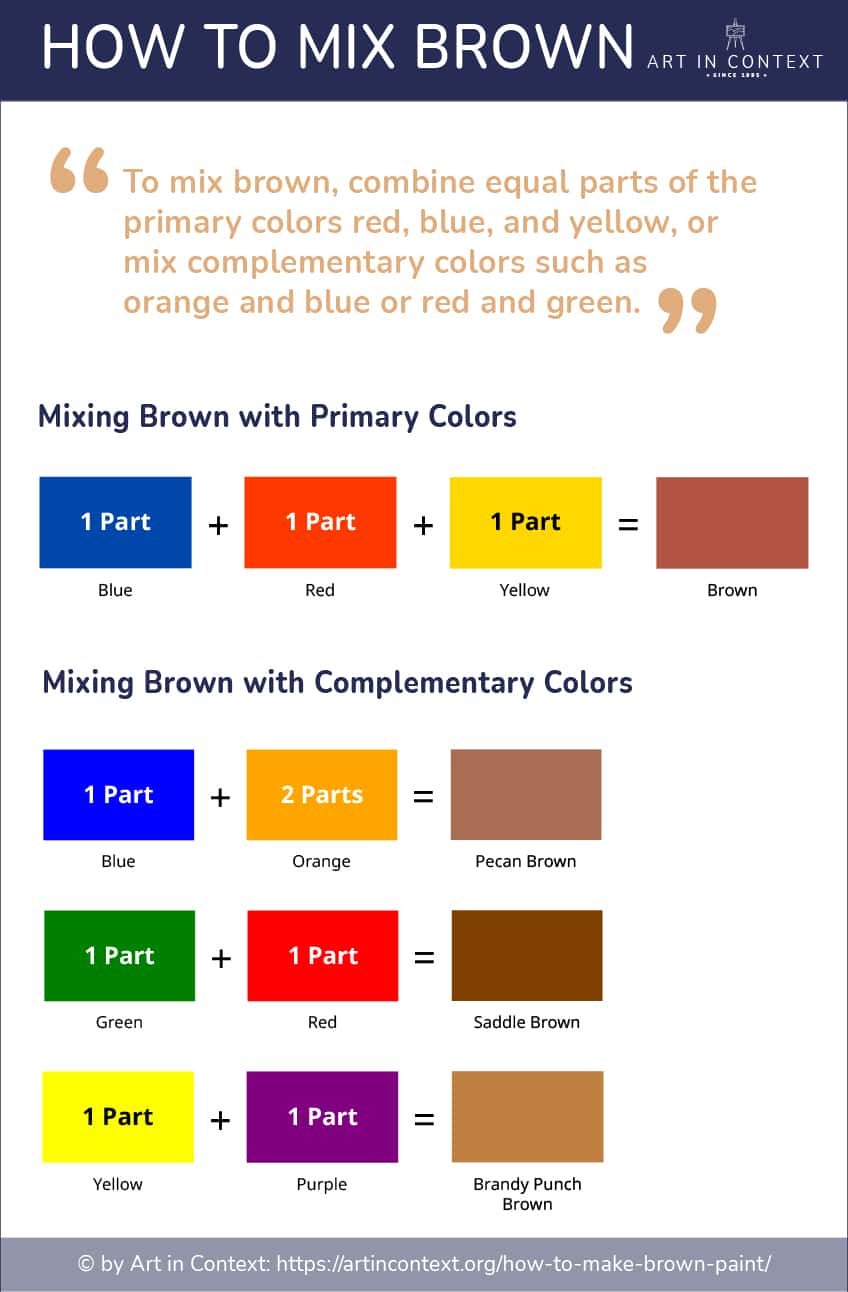
Mixing the three primary colors—red, yellow, and blue—makes a natural brown. Combine equal parts of these colors for a neutral brown tone. Adjust the amount of each color to shift the shade. More red gives a warmer brown. More blue creates a cooler brown. This method is simple and effective for many artists.
Complementary Colors Blend
Complementary colors sit opposite each other on the color wheel. Mixing these pairs also produces brown. Common pairs include blue and orange, red and green, and yellow and purple. Blue and orange blend into a brown with a greenish hint. Red and green create a rich, earthy brown. Yellow and purple give a warmer brown with a golden touch. Changing the ratio of colors changes the brown’s tone.
Using Red And Green
Using red and green to make brown is a simple and effective method. These two colors are complementary, meaning they sit opposite each other on the color wheel. When combined, they neutralize each other and create a natural brown tone. This approach works well for artists and DIY enthusiasts who want to mix brown without buying pre-made paint.
Start with equal parts of red and green paint. Mix them slowly to watch the brown develop. Adjust the ratio to shift the brown’s warmth or coolness. This technique allows you to create many brown shades with just two colors.
Shade Variations
Changing the amount of red or green alters the brown shade. More red gives a warmer, reddish brown. More green creates a cooler, olive-like brown. Adding a bit of white lightens the brown for softer tones. A touch of black deepens the brown into richer, darker hues. Experiment with small changes to find the perfect shade for your project.
Tips For Adjustment
Mix colors gradually to avoid overpowering the brown. Use a palette knife for smooth blending. Test the color on a scrap surface before applying. Add tiny amounts of red or green to fine-tune the tone. Remember that drying can slightly change the color, so adjust accordingly. Keep your mixing area clean to prevent unwanted color shifts.
Mixing Blue And Orange
Mixing blue and orange is a simple way to create brown. These two colors are complementary, meaning they sit opposite each other on the color wheel. When combined, they neutralize each other, producing a rich brown shade. This mix can be adjusted by changing the amounts of blue or orange.
Using blue and orange gives a brown with unique characteristics. The shade may lean cooler or warmer depending on the exact hues used. This method is popular for artists and designers aiming for natural brown tones.
Green Undertones
Mixing blue and orange often results in a brown with green undertones. This happens because the blue can bring out subtle green hints when combined with certain oranges. The green undertone makes the brown appear cooler and more muted. It adds depth and complexity to the color. Adjusting the blue shade influences the strength of these green tones.
Creating Different Browns
You can create many brown shades by changing the blue and orange mix. More orange creates a warmer, reddish brown. More blue produces a cooler, darker brown. Using lighter or darker blues and oranges changes the final color’s brightness. Experimenting with these ratios helps find the perfect brown for your project.
Credit: vocal.media
Combining Yellow And Purple
Combining yellow and purple is a simple way to make brown color. These two colors are complementary, meaning they sit opposite each other on the color wheel. When mixed, they cancel out their brightness and produce a warm, earthy brown. This mix allows you to create unique shades of brown that suit many art and design projects.
Warm Brown Tones
Mixing yellow and purple often results in warm brown tones. Yellow adds brightness and warmth to the mix. Purple, which contains blue and red, deepens the color and adds richness. By changing the amount of yellow or purple, you can make brown shades that feel cozy or vibrant. For example, more yellow makes the brown lighter and warmer. More purple creates a darker, cooler brown with subtle hints of red or blue.
Color Balance Tips
Balancing yellow and purple is key to the perfect brown. Start with equal parts of each color. Mix slowly and check the shade often. Add small amounts of yellow to lighten the brown. Add a little purple to darken it. Keep stirring until the color looks smooth and even. Avoid adding too much purple, or the brown will look muddy. Experiment with different ratios to find the shade that fits your project best.
Adjusting Brown Shades
Adjusting brown shades lets you create the perfect tone for your project. Brown can vary from soft, light hues to deep, dark tones. Small changes make a big difference in how the color looks. You can control the shade by adding white or black paint. Each option changes the feel of the brown in unique ways.
Lightening With White
Adding white paint to brown lightens the color. It creates a softer, creamier shade. This method is great for warm, gentle browns. Use small amounts of white for gradual changes. Stir well to see the true color. Light brown shades work well for backgrounds or highlights.
Darkening With Black
Mixing black into brown darkens the tone. It gives the brown a richer, deeper look. Use black sparingly, as a little goes a long way. Dark brown shades add depth and contrast. They are perfect for shadows or bold accents. Blend thoroughly to avoid streaks or uneven spots.
Creating Brown With Paint
Creating brown with paint is simple and fun. Brown is a mix of colors that can change based on what you use. You can make many shades of brown by mixing different paints. This section explains how to create brown using acrylic and oil paints.
Acrylic Paint Techniques
Start with the three primary colors: red, yellow, and blue. Mix equal parts of red and yellow to get orange. Add a small amount of blue to the orange. Stir the colors well until you see brown forming.
If the brown looks too dark, add more yellow to lighten it. For a warmer brown, add a little red. To cool it down, add a touch of blue or green. Use a palette knife or brush for mixing to get an even color.
Try mixing two complementary colors, like blue and orange, for a unique brown. This method gives a greenish brown shade. Keep mixing small amounts until you find the perfect brown for your painting.
Oil Paint Tips
Oil paints take longer to dry, so you have more time to mix colors. Start by mixing equal parts of red and green to create a rich brown. Add yellow to warm the brown or blue to cool it down.
Use a clean brush to blend the colors smoothly. Oil paints blend well, so you can create gradients of brown easily. Thin the paint with a medium to get lighter or transparent browns.
Try layering colors to get depth. Apply a dark brown base, then add lighter browns on top while the paint is still wet. This technique adds richness to your brown shades.
Brown For Icing And Food
Brown is a popular color for icing and food decorations. It gives a warm, rich look to cakes, cookies, and pastries. Achieving the perfect brown color can be done naturally or with food colorants. Using natural methods keeps your treats healthy and appealing. This section explores how to create brown for icing and food with simple options.
Natural Color Alternatives
Use cocoa powder to get a deep brown shade. It adds both color and flavor. Coffee or espresso powder can darken icing while adding a mild taste. Molasses or caramel syrup also create rich brown tones. These options avoid artificial dyes and keep your food natural. Mixing small amounts of these ingredients helps you reach the desired shade easily.
Avoiding Food Colorants
Many food colorants contain artificial chemicals. These might affect taste or cause allergies. Choose natural ingredients instead to stay safe. Brown sugar or burnt sugar syrup works well for a brown hue. Using spices like cinnamon or nutmeg can add subtle brown tones and aroma. These natural methods make your icing look good and taste better without chemicals.

Credit: smart.dhgate.com
Common Mistakes To Avoid
Creating the perfect brown color can be tricky. Many make avoidable mistakes that affect the final shade. Understanding common errors helps you mix brown more confidently. Here are two frequent mistakes to watch out for.
Color Overuse
Using too many colors can muddy your brown. Stick to two or three colors at most. Overmixing leads to a dull, lifeless brown. Start with primary or complementary colors for clearer results. Add colors slowly to control the shade better. Remember, less is more when mixing brown.
Unwanted Tones
Some colors add unwanted tones to your brown. For example, too much blue can make it cold or gray. Excess red may produce a reddish or orange tint. Yellow can make brown look too bright or greenish. Adjust the color balance carefully to avoid these tones. Test small amounts before mixing large batches.
Tools For Mixing
Mixing the perfect brown color requires the right tools. These tools help blend colors smoothly and achieve the exact shade you want. Having proper equipment makes the mixing process easier and more enjoyable.
Different tools suit different methods of mixing. Traditional painting needs physical tools. Digital art uses software designed for color mixing. Both types of tools provide control over color tones and shades.
Brushes And Palettes
Brushes come in many shapes and sizes. They help apply and mix paint on a surface. Flat brushes spread paint evenly. Round brushes allow detailed mixing. Using the right brush improves color blending.
Palettes provide a flat surface to mix colors. Wooden, plastic, or glass palettes work well. A clean palette prevents colors from muddying. Mixing brown on a palette lets you test shades before painting.
Digital Mixing Apps
Digital apps offer easy color mixing without mess. Programs like Adobe Photoshop and Procreate allow color blending with simple tools. Sliders and color wheels help adjust hues quickly. They show real-time results, making it easy to find the right brown.
These apps save your color mixes for later use. You can experiment with different combinations without wasting materials. Digital mixing apps suit artists who prefer working on tablets or computers.
Credit: artincontext.org
Creative Uses Of Brown
Brown is a versatile color that brings warmth and depth to many creative projects. It offers a natural, earthy feel that fits well in various settings. Using brown can make art and design feel cozy and inviting. This section explores exciting ways to use brown in art and interior design.
Art Projects
Brown works well in many art projects. It is perfect for painting landscapes and animals. Brown shades help create shadows and textures that look real. Using brown in sketches adds depth and interest. It also pairs nicely with brighter colors to balance the artwork. Artists often use brown to show natural elements like wood, soil, and skin tones. Experimenting with brown can improve your skills in mixing and shading.
Interior Design Ideas
Brown is popular in interior design for its warm and calming effect. It works great for furniture like wooden tables and chairs. Brown walls or accents create a cozy atmosphere in living rooms and bedrooms. This color combines well with green, cream, and orange for a natural look. Rugs, curtains, and cushions in brown add texture and comfort. Using brown in your home can make spaces feel inviting and grounded.
Frequently Asked Questions
What Two Colors Make Brown?
Brown forms by mixing two complementary colors: blue and orange, red and green, or yellow and purple. Adjust ratios for different brown shades.
Do Red And Green Make Brown?
Yes, mixing red and green paint makes brown. They are complementary colors that neutralize each other, producing brown tones. Adjust ratios to change the shade.
What Colors Make Chocolate Brown?
Mix blue and orange, red and green, or yellow and purple to make chocolate brown. Mixing all three primary colors—red, yellow, and blue—also creates brown. Adjust ratios for different shades.
Do Orange And Black Make Brown?
Yes, mixing orange and black creates a dark brown shade. Adjust amounts for lighter or deeper brown tones.
What Two Colors Make Brown Paint?
Brown paint forms by mixing two complementary colors like blue and orange, red and green, or yellow and purple.
How To Make Brown Using Primary Colors?
Mix equal parts of red, yellow, and blue to create a neutral brown color.
Can I Make Brown With Only Red And Green?
Yes, mixing red and green creates a rich, earthy brown shade.
What Happens If I Mix Blue And Orange Paint?
Combining blue and orange results in a brown with a slight green undertone.
How To Adjust Brown Shade After Mixing?
Add more red for warmth or more blue for a cooler brown tone.
Is It Possible To Make Brown Without Mixing Colors?
No, brown is a mix of colors; pure brown paint doesn’t exist naturally.
Conclusion
Creating brown color is simple with basic color mixing. Use complementary colors like blue and orange or red and green. Mixing all three primary colors—red, yellow, and blue—also works well. Adjust the amounts to get different brown shades. Experiment to find the tone you like best.
Practice helps you understand how colors combine. Now, you can make brown for any art or project easily.