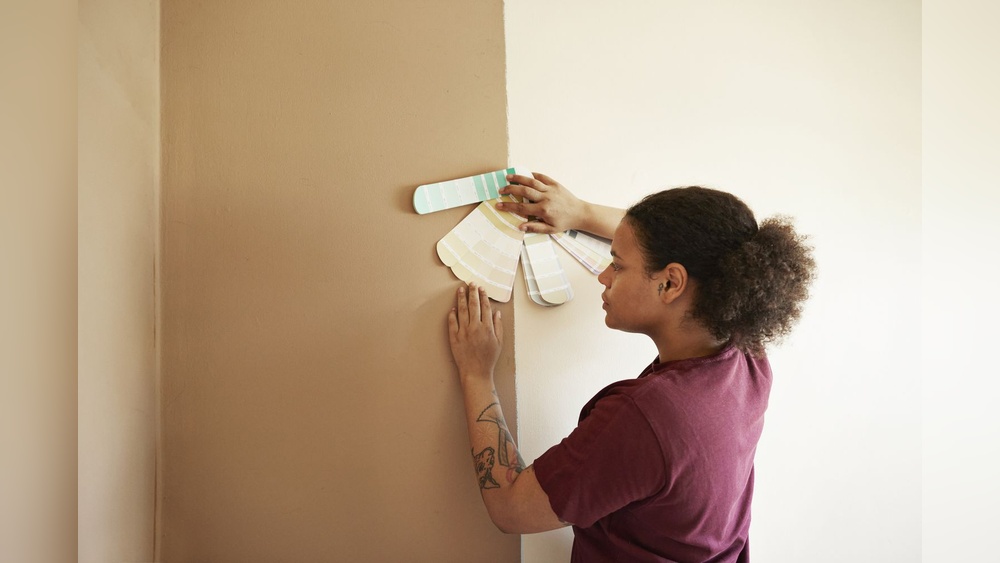
Have you ever tried to touch up your wall only to find that the new paint doesn’t quite match the old color? It’s frustrating when your carefully chosen shade turns out off, making your room look patchy instead of perfect.
But matching paint color doesn’t have to be a guessing game. Whether you’re fixing a small spot or refreshing an entire room, knowing how to color match paint can save you time, money, and stress. In this guide, you’ll discover simple, effective ways to get the exact shade you want—no more worrying about mismatched walls or wasted paint.
Ready to learn the secrets to flawless paint matching? Keep reading, and you’ll be painting like a pro in no time.
Picking The Right Sample Spot
Choose a hidden spot on the wall for your paint sample, like behind a switch or furniture. This ensures the color match is accurate without damaging visible areas. Small paint chips work best for store scanning.
Choosing the right spot to take a paint sample is crucial. A good spot shows the true color without damage or dirt. The paint on walls changes color with light and wear.
Select a spot that is hidden or less visible. This keeps your walls looking good after taking the sample. Good spots include behind a light switch or under a piece of furniture.
Pick a smooth area without texture or stains. Rough or dirty spots can give a wrong color match. Make sure the spot has the same finish as the rest of the wall.
Prepare The Sample Area
Clean the sample spot gently with a soft cloth. Remove any dust or dirt. Let the area dry before cutting the paint chip.
Use a sharp utility knife or razor blade. Cut a small square or rectangle about 2 inches wide. Cut just the paint layer, not the wall surface.
Try to keep the edges clean and straight. This helps the paint store scan the sample better for an exact match.
Bring The Sample To The Store
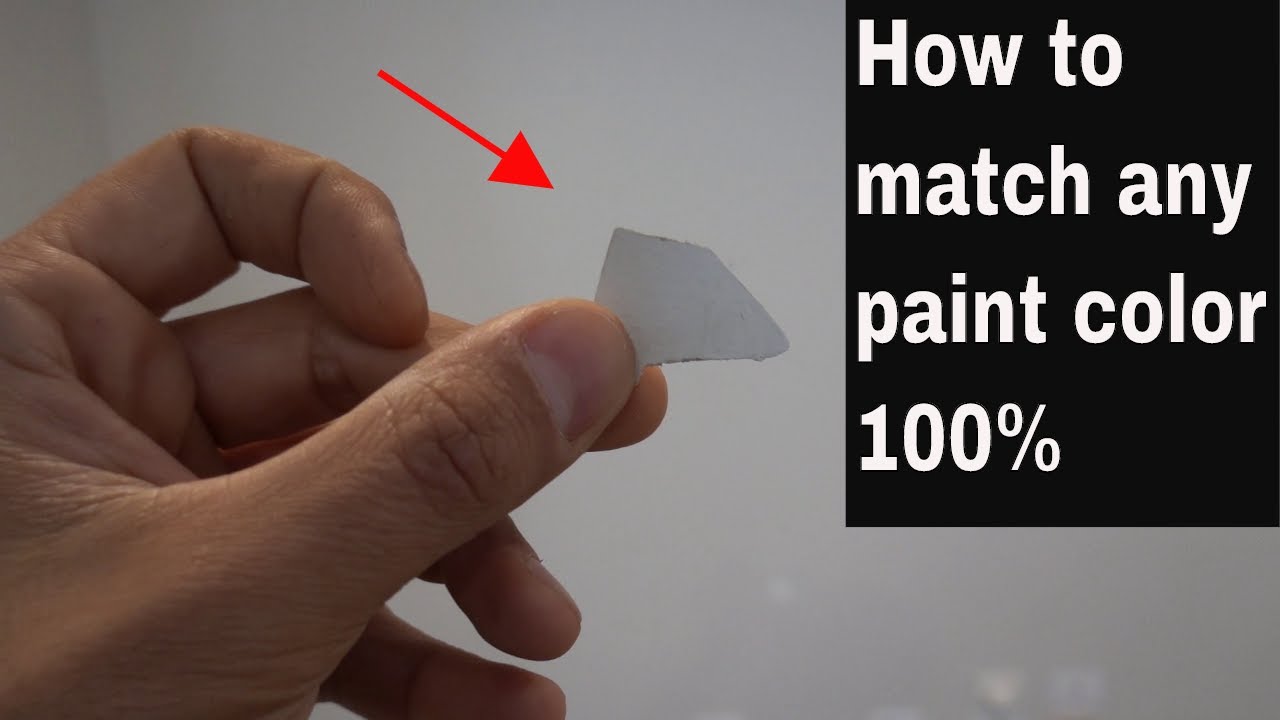
Take the paint chip to a paint or hardware store. They use special machines called spectrophotometers to scan the chip. This device reads the color and finish precisely.
Ask the store staff to match the color. Show them the chip and explain the wall location. They can mix paint to fit the sample perfectly.
Keep the chip flat and protected during transport. Avoid bending or scratching it. This keeps the color accurate for the scan.
Cutting And Preparing Paint Chips
Cutting and preparing paint chips is an important step in color matching paint. It helps get the most accurate color sample from your wall or object. Proper preparation ensures the paint store can scan the chip correctly. This leads to a better match and less chance of color mismatch later.
Follow simple steps to cut a clean and flat paint chip. Take care not to damage the surrounding area. The chip should be large enough for the scanner to read the color. Small chips can give wrong or unclear results.
Choosing The Right Area For The Paint Chip
Select a spot that is hidden or less visible. Common places are behind light switches or under furniture. Avoid areas with dirt or heavy wear. The paint there may not show the true color. A clean, flat surface gives the best sample.
Tools Needed To Cut Paint Chips
Use a sharp utility knife or a razor blade. Scissors usually do not cut well on paint chips. Prepare a flat surface to work on. Wear gloves to protect your hands from sharp edges. Have tape or paper ready to hold the chip.
How To Cut The Paint Chip
Cut a square or rectangle shape about 2 inches wide. Score the paint layer gently with the knife. Avoid cutting too deep into the wall or surface. Carefully pry the chip loose with a flat tool if needed. Keep the chip intact and flat.
Preparing The Paint Chip For Scanning
Place the chip on a plain white paper or card. Tape it lightly to keep it flat and still. Avoid wrinkles or folds on the chip. Make sure the painted side is clean and dry. The chip is now ready to take to the paint store.
Using Spectrophotometers For Accuracy
Using spectrophotometers for accuracy is a smart choice to match paint colors exactly. These devices measure color by analyzing light reflected from a sample. This process helps find the perfect paint formula with precise color data.
Spectrophotometers reduce human error and guesswork. They work quickly and provide results that are consistent every time. This technology is often used by paint stores and professionals to ensure color matches are true.
What Is A Spectrophotometer?
A spectrophotometer is a small device that scans color samples. It captures light in many wavelengths and breaks it down into data. This data translates into exact color codes used by paint mixers.
It works on surfaces like walls, paint chips, or fabric. The device is easy to use and gives immediate results. This accuracy saves time and money by avoiding wrong paint purchases.
How To Use A Spectrophotometer For Paint Matching
First, prepare a clean, flat sample of the paint you want to match. Avoid shiny or dirty spots to get the best reading. Next, place the spectrophotometer firmly against the sample.
Press the scan button and wait for the results. The device will display the exact color formula or code. You can give this code to the paint store for mixing.
Benefits Of Using Spectrophotometers
Spectrophotometers provide precise color matching that human eyes cannot achieve. They work well even with complex colors or subtle shades. This technology minimizes the risk of color mismatch.
Paint stores rely on spectrophotometers to mix custom colors. This ensures your new paint matches the original perfectly. It is especially useful for touch-ups or repairs.
Credit: www.youtube.com
Matching Paint With Smartphone Apps
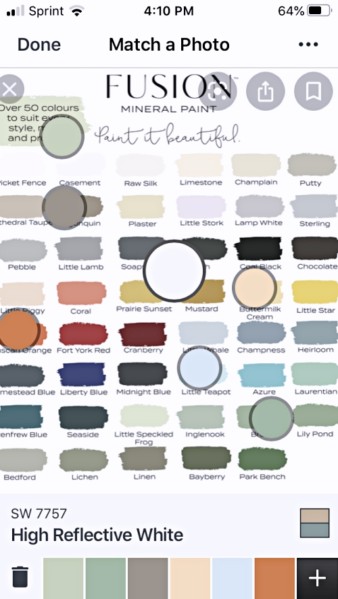
Matching paint colors using smartphone apps offers a quick and easy way to find similar shades. These apps use your phone’s camera to capture the color and compare it to a vast paint database. It saves time and helps you get close to the color you want without going to the store first.
Keep in mind that lighting and camera quality affect the color accuracy. Use natural light for the best results. These apps work well for small projects or when you want a general match. For perfect matches, a physical paint chip and a store visit remain the best method.
How To Use Paint Matching Apps
Open the app and select the paint matching feature. Take a clear photo of the paint surface in natural light. Avoid shadows or reflections on the wall. The app scans the color and shows similar paint options. You can browse by brand or finish type.
Popular Paint Matching Apps
Several free apps help you match paint colors with your phone. Sherwin-Williams ColorSnap offers a large color library. Behr ColorSmart lets you explore colors and save favorites. Benjamin Moore Color Capture provides instant matches and suggests coordinating colors.
Tips For Better Color Matching With Apps
Use good lighting, ideally natural sunlight. Hold the phone steady and fill the frame with the color. Avoid digital zoom to prevent distortion. Check colors on different devices for consistency. Test a small paint sample before painting large areas.
Bringing Fabric Or Decor For Matching
Bringing fabric or decor items to the paint store helps find the right color match. These items show the exact shade you want on your walls. Paint stores use special tools to match colors from fabrics or decorations. This method works well when you do not have a paint chip from the wall.
Fabric and decor often have unique colors that are hard to describe. Bringing them in person avoids mistakes in color selection. This step saves time and money by reducing guesswork. It also ensures that your paint matches your existing room style perfectly.
How To Prepare Fabric Or Decor For Color Matching
Choose a piece with the color you want to match. Make sure the fabric or item is clean and free of dirt. Avoid items with patterns or multiple colors. A solid color piece gives the best result. Bring a larger piece if possible to help the scanner read the color well.
What To Expect At The Paint Store
At the store, staff will use a spectrophotometer to scan your fabric or decor. This device reads the color precisely. It helps create a paint formula that matches your item. The staff might suggest paint finishes to match your fabric texture or decor style. You can ask for test samples to try at home before buying a large amount.
Tips For Better Color Matching Results
Bring your fabric or decor in natural daylight to see true colors. Avoid artificial light, which can change color perception. Take multiple pieces if you have different shades in mind. Keep your fabric flat and wrinkle-free during scanning. Always test the matched paint on a small wall section before full painting.
Electronic Color Matchers Explained
Electronic color matchers help find the exact paint color quickly. They use technology to scan color samples and give precise results. These devices are common in paint stores and used by professionals. They reduce guesswork and save time for both buyers and sellers.
Using electronic color matchers improves accuracy. They measure color beyond what the eye can see. This helps match colors even if lighting or surface texture changes the look. Anyone can use these devices to get a near-perfect color match for paint projects.
How Electronic Color Matchers Work
These devices use light to scan a color sample. They measure how the sample reflects light at different wavelengths. The device then compares this data to a database of paint colors. It finds the closest match and shows the paint formula to mix.
Some matchers connect to computers or apps. This allows users to store and share color data easily. The process is fast, usually taking just a few seconds to get results.
Types Of Electronic Color Matchers
Handheld spectrophotometers are the most common type. They are small and easy to carry. They scan paint chips, walls, or fabric samples directly. Another type is colorimeters, which measure color intensity but are less precise than spectrophotometers.
Some paint brands offer their own electronic matchers. These devices are programmed with that brand’s specific color formulas. They work best for matching colors within the same paint brand.
Benefits Of Using Electronic Color Matchers
Electronic matchers provide high accuracy in color matching. They help avoid costly mistakes from buying the wrong paint color. Users save time by getting instant color data. They also reduce the need for trial and error mixing.
These tools work well on tricky colors with subtle shades. They can match colors from old paint chips or faded surfaces. The technology gives confidence that the paint will match perfectly before buying.
Natural Lighting And Color Perception
Natural lighting plays a crucial role in how we see paint colors. The same paint can look different under various lights. Understanding this helps in choosing the right paint match.
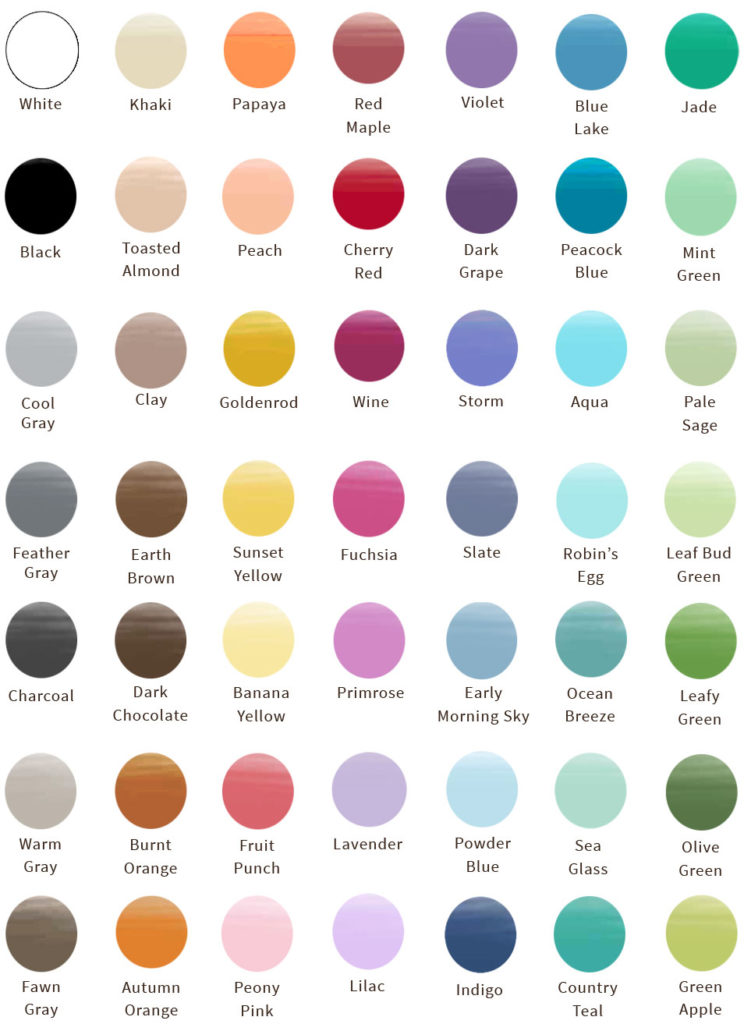
Colors appear brighter and truer in natural daylight. Artificial lights can change the look, making colors seem warmer or cooler. Testing paint samples in natural light prevents surprises after painting.
How Natural Light Affects Paint Colors
Natural light changes throughout the day. Morning light is cool and blueish. Afternoon sunlight is warm and yellowish. These shifts affect how paint colors appear on walls.
Paint that looks perfect in the morning may seem dull or too bright later. Always view paint samples at different times to see true color variations.
Best Time To Check Paint Colors
Midday offers the most neutral natural light. This time shows colors closest to their true shade. Avoid checking paint colors only under artificial light or in dim rooms.
Bring paint samples outside on a sunny day. Observe them in direct sunlight and in shaded areas. This helps spot any unwanted color shifts.
Tips For Accurate Color Perception
Use large paint samples, not just small chips. Paint a test patch on your wall to see the full effect. Look at the patch in natural light and under your home’s lighting.
Remember, surrounding colors also affect perception. Neutral surroundings give the best indication of the paint’s true color.
Credit: amborela.com
Choosing The Right Paint Finish
Choosing the right paint finish plays a key role in how your color appears on walls. Paint finish affects the look, feel, and durability of painted surfaces. It also changes how light reflects off the paint, influencing the final color perception.
Different rooms and surfaces need different finishes to suit their use and style. Selecting the right finish ensures your color match stays true and lasts longer. This guide helps you understand common paint finishes and their best uses.
Matte Finish
Matte finish has no shine and hides wall imperfections well. It gives a soft, smooth look that works great for ceilings and low-traffic areas. Matte finish absorbs light, making colors look deeper and richer. It is easy to touch up but can stain more easily than glossier finishes.
Satin Finish
Satin finish has a slight sheen and offers more durability than matte. It resists moisture and stains better, making it ideal for kitchens, bathrooms, and kids’ rooms. Satin finish reflects some light, so colors appear a bit brighter and more vibrant. It balances appearance and practicality.
Semi-gloss Finish
Semi-gloss finish shines more and is very durable. It resists dirt, moisture, and scrubbing, perfect for trim, doors, and cabinets. This finish makes colors look lighter and more reflective. It highlights surface textures, so walls must be smooth for the best effect.
Glossy Finish
Glossy finish has the highest shine and is the most durable. It works well on woodwork and furniture that needs frequent cleaning. Glossy paint makes colors pop but also shows imperfections easily. Use it only on surfaces that are well-prepared and smooth.
Testing Samples Before Final Purchase
Testing paint samples before making a final purchase is crucial to ensure perfect color matching. Colors often look different under various lighting conditions. A sample allows you to see the true color on your wall.
Small paint samples help avoid costly mistakes. They give you a chance to check how the paint interacts with your room’s light and surroundings. Testing also helps confirm the paint’s finish and texture.
Choose The Right Spot For Testing
Select a small area on the wall that is not very visible. Behind a light switch or near furniture works well. The spot should show the color clearly without distractions.
Apply Multiple Samples
Paint several small patches with different colors or shades. This helps you compare and decide which matches best. Leave enough space between samples to avoid blending.
Observe Samples In Different Lighting
Look at the samples during the day and at night. Natural light and artificial light change how colors appear. Check the color under all lighting conditions you use daily.
Allow Samples To Fully Dry
Wait for the paint to dry completely before judging the color. Wet paint looks darker or shinier. Dry paint shows the true color and finish.
Use Sample Sizes For Larger Areas
Buy sample cans that cover a small wall section. Paint a larger area to see how the color looks across your space. This method helps spot any inconsistencies in color.
Credit: smart.dhgate.com
Tips For Blending New Paint Seamlessly
Blending new paint with existing surfaces can be tricky. The goal is to make the fresh paint look natural and uniform. Follow simple steps to avoid visible lines and patches. These tips help create a smooth transition between old and new paint.
Prepare The Surface Properly
Clean the wall to remove dirt and grease. A clean surface allows paint to stick better. Sand the edges of the old paint to smooth rough lines. Use a damp cloth to wipe away dust after sanding.
Use Primer On The Repair Area
Apply primer to spots where the old paint is bare. Primer helps new paint cover evenly and prevents color differences. Let the primer dry fully before painting.
Match Paint Sheen Exactly
Pick paint with the same finish as the existing wall. Glossy, satin, or matte finishes reflect light differently. Matching sheen avoids obvious patches and blends colors well.
Feather The Paint Edges
Use a dry brush or roller to soften paint edges. Lightly stroke the edges to fade into the old paint. This technique hides brush marks and sharp lines.
Paint In Thin Layers
Apply thin coats of paint for better blending. Thick layers can cause color buildup and peeling. Let each layer dry before adding another.
Match Lighting Conditions
Paint during the same time of day for consistent light. Different lighting changes how paint colors appear. Natural light is best for accurate color matching.
Frequently Asked Questions
How Do I Match An Existing Paint Color?
Cut a paint chip from an inconspicuous wall area. Take it to a paint store for precise color matching with a spectrophotometer. Alternatively, use paint matching apps or electronic color matchers for approximate matches. Always test a sample before full application.
Can I Take A Picture Of A Paint Color And Match It?
Yes, you can take a picture of a paint color and use paint matching apps or devices. Natural light improves accuracy. For best results, bring a physical paint chip to a store for professional color matching.
How Do I Find My Exact Paint Color?
Cut a paint chip from an inconspicuous wall area. Take it to a paint store for precise color matching with a spectrophotometer. Alternatively, use paint matching apps or electronic color readers for close matches. Natural lighting improves accuracy.
How Do I Match A Paint Color Without A Sample?
Select a hidden wall spot and cut a small paint chip. Take it to a store for precise color scanning. Alternatively, use a paint matching app or electronic color matcher for close results without a sample.
What Is The Easiest Way To Color Match Paint At Home?
Cut a paint chip from the wall and take it to a paint store for scanning.
How Accurate Are Paint Matching Apps On Smartphones?
Apps give a close match but can be less accurate due to lighting and camera differences.
Can I Match Paint Color Using Fabric Or Decor Items?
Yes, bringing a fabric or decor piece to the store helps find a similar paint color.
Why Is Natural Light Important For Color Matching Paint?
Natural light shows the true color without artificial light distortions, improving match accuracy.
How Do Paint Stores Identify The Exact Paint Color?
Stores use a spectrophotometer to scan paint chips and detect the precise color and sheen.
What Should I Do If I Can’t Remove A Paint Chip From My Wall?
Use a paint matching app or bring a fabric sample for a close color match.
Conclusion
Color matching paint takes patience and careful steps. Always test small areas first. Use proper tools like paint chips or color matchers. Natural light helps see true colors better. Remember, slight differences can happen due to lighting or paint batches.
Keep samples for future touch-ups. With these tips, your walls will look fresh and seamless. Enjoy your painting project with confidence and ease.