Choosing the right paint color can completely transform your space, but matching that perfect shade can feel tricky. Whether you’re touching up a wall, coordinating furniture, or creating a fresh new look, you want your paint to blend seamlessly.
You might wonder: How can you match paint color accurately without endless guesswork? The good news is, you don’t have to be a pro to get it right. In this guide, you’ll discover simple, practical tips and modern tools that make matching paint color easier than ever.
Stick with me, and you’ll gain the confidence to pick the perfect hue that fits your style and space perfectly. Ready to get started? Let’s dive in!
Preparing The Surface
Preparing the surface is a crucial step before matching paint color. A clean, dry wall helps reveal the true color of the existing paint. Dirt or moisture can change how the color looks, making matching difficult. Proper surface preparation ensures accurate color matching and a smooth finish.
Cleaning The Wall
Start by removing dust, dirt, and grease from the wall. Use a mild detergent mixed with water and a soft sponge. Gently scrub the surface to avoid damaging the paint. Rinse with clean water and wipe dry with a cloth. A clean wall shows the paint’s true color clearly.
Ensuring Dryness
Wait for the wall to dry completely before testing paint samples. Moisture can darken the wall, leading to a wrong color match. Use a fan or open windows to speed up drying. Only paint on a fully dry surface to see the exact paint shade.
:max_bytes(150000):strip_icc()/GettyImages-1268388454-d3f875a0ebe7449697d95ba66675a563.jpg)
Credit: www.thespruce.com
Using Paint Chips For Accuracy
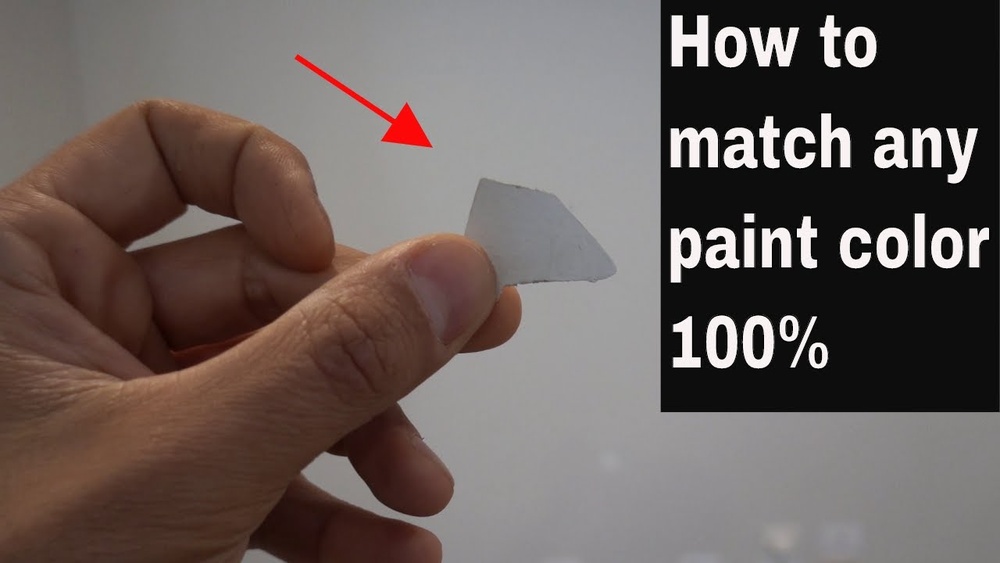
Using paint chips helps achieve the most accurate color match. Paint chips show the true color of paint without distortion. They allow you to compare colors directly under natural light.
Paint chips also help you avoid mistakes from digital screens. Screens change colors based on settings and lighting. A physical sample is always more reliable.
Selecting Non-faded Areas
Choose paint chips from areas that are not faded or dirty. Faded spots show lighter or dull colors. Clean, fresh paint areas show the true shade.
Look for spots hidden from sunlight to avoid color changes. Avoid areas with stains or dirt to get the best match. Proper selection improves the chance of a perfect match.
Taking Physical Samples
Take a small sample of the paint if possible. Use a utility knife to carefully remove a chip from the wall. This sample gives the paint store the exact color.
Bring the chip to the paint store for matching. Staff can scan or compare it to their color cards. Physical samples provide the highest accuracy for matching paint.
Leveraging Paint Brand Apps
Matching paint colors has become easier with the help of paint brand apps. These apps use your smartphone’s camera to find the closest paint color. They save time and reduce guesswork. Many major paint brands offer free apps designed for this task.
Using these apps can help you see how a color looks on your walls before buying. They also provide detailed color information and product options. This technology makes color matching more accurate and user-friendly.
Downloading Major Brand Apps
Start by downloading apps from popular paint brands like Sherwin-Williams, Benjamin Moore, or Glidden. These apps are available on both iOS and Android. Search for the brand name in your app store to find the official version. Installing the app is quick and free.
Once installed, create an account or sign in if needed. This gives access to all features, including color matching and project ideas. Keep your app updated to enjoy the latest improvements.
Uploading Or Capturing Photos
Open the app and find the color matching tool. You can either upload a photo from your gallery or use your phone’s camera to capture a new one. Take clear pictures in good lighting for the best results.
The app will analyze the image and identify the main colors. You can tap on the color you want to match. The app then suggests the closest paint colors from their collection. Some apps even let you visualize the color on your walls virtually.
Credit: www.youtube.com
Extracting Colors From Photos
Extracting colors from photos is a smart way to find paint colors that match your style. Photos capture real-life shades that inspire your design choices. Using these colors helps create a unique and personalized look for your space. This method saves time and guides your paint selection.
Analyzing Dominant Colors
Start by examining the photo closely. Notice which colors appear most often. Dominant colors set the mood and tone of the room. Use digital tools or apps to identify these main colors quickly. These colors form the base for your paint choices.
Apps scan the photo and highlight the strongest hues. This helps narrow down your options. Focus on these colors first to keep your design simple. Dominant colors usually work well on walls and large surfaces.
Selecting Specific Hues
Look beyond the main colors to find smaller shades you like. These specific hues can add detail and contrast. Pick colors from objects, fabrics, or decorations in the photo. This adds depth and interest to your palette.
Zoom in on the photo to isolate these hues clearly. Use color picker tools to capture exact shades. This method ensures accuracy and helps match paint colors closely. Mix these hues with dominant colors for balanced designs.
Finding Closest Paint Matches
Finding the closest paint match can transform your space with fresh color. It starts with identifying the right shade. Many brands offer tools to make this easier. These tools help match colors from photos or samples. Knowing how to use them saves time and effort.
Matching With Sherwin-williams
Sherwin-Williams provides a color matching app that works well. Upload a photo or take one with your phone. The app scans the image and finds similar paint colors. It shows you options closest to your sample. You can also preview the color in a room setting. This helps decide before buying paint.
The app uses advanced technology for accuracy. It also offers color names and codes. Visit a Sherwin-Williams store to get a sample or a color chip. Comparing the sample under different lights ensures the right match. This method helps avoid surprises after painting.
Matching With Benjamin Moore And Glidden
Benjamin Moore’s Color Capture app works similarly. Take a photo or upload one from your gallery. The app analyzes the color and lists matching paints. It includes popular collections and specialty finishes. You can save favorites and compare shades side by side.
Glidden’s Paint Color Match app also offers easy matching. It suggests paint colors based on your photo. Glidden provides affordable options with good color variety. Both brands allow you to visualize the paint in a room photo. This feature helps you picture the final look clearly.
Using these brand apps ensures better matches than guessing. They reduce errors and make painting projects smoother.
Credit: amborela.com
Visualizing Paint In Your Space
Visualizing paint colors in your space helps avoid costly mistakes. It lets you see how a color changes with your room’s unique features. This step is essential before buying paint or starting any project. Understanding how colors look in your environment improves your confidence in choosing the right shade.
Using Virtual Painting Features
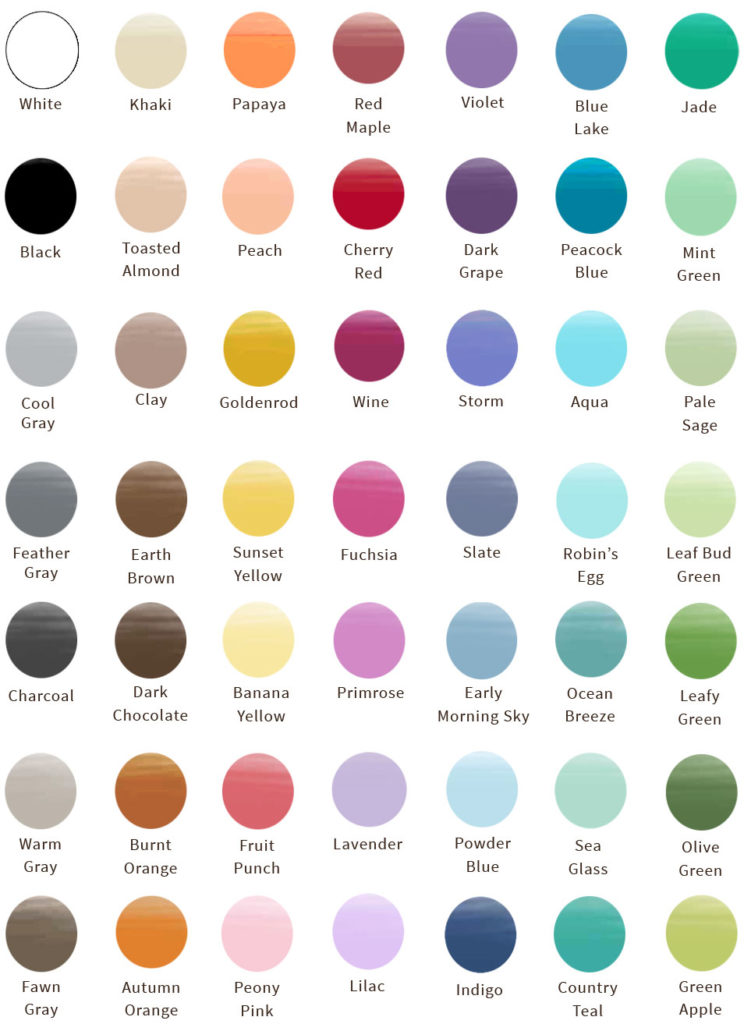
Many paint brands offer virtual painting tools online. These tools let you upload a photo of your room. Then, you can apply different paint colors to walls in the photo. This helps you picture the new color in your actual space. Virtual tools save time and reduce guesswork. They allow you to experiment with multiple colors easily.
Some apps also suggest matching colors based on your uploaded image. This feature helps find the closest paint shades available. You can compare colors side by side and decide which fits best. Virtual painting features work well for quick previews and initial ideas.
Assessing Color In Different Lighting
Light changes how paint colors appear on walls. Natural light and artificial light affect colors differently. Morning sun, afternoon shade, and evening light all shift color tones. Always view paint samples in your room at different times of the day.
Test paint swatches on various walls to see lighting effects. Check colors under ceiling lights, lamps, and daylight. This simple step helps you avoid colors that look dull or too bright. Assessing color in different lighting ensures your choice feels right all day long.
Addressing Lighting And Screen Issues
Matching paint color accurately requires attention to lighting and screen issues. These factors often cause colors to appear different than they really are. Understanding these challenges helps avoid mistakes when selecting paint. Here are key points about lighting and screen effects on color matching.
Impact Of Screen Calibration
Screen calibration affects how colors display on your device. Many screens show colors too bright or too dark. Some screens have a blue or yellow tint that changes color perception. Uncalibrated screens can make a paint color look different than it does in real life. Always check colors on multiple devices if possible. Using a calibrated monitor helps see true colors more accurately.
Lighting Variations In Photos
Lighting changes the way paint colors appear in photos. Natural light shows colors differently than artificial light. Photos taken in bright sunlight can wash out colors. Dim or yellow lighting can make colors look warmer or duller. Shadows and reflections also affect color accuracy in pictures. Take photos in even, natural light to capture true paint colors. Avoid using flash or mixed light sources for best results.
Considering Paint Sheen
Considering paint sheen is vital when matching paint colors. Sheen affects how light reflects off the surface and how the color appears. Choosing the wrong sheen can make a matched color look different from the original. Understanding the types of paint sheens helps you make the best choice for your project.
Differences Between Matte And Gloss
Matte paint has little to no shine. It hides surface imperfections well. This finish looks soft and smooth. Gloss paint is shiny and reflective. It shows more detail and highlights flaws. Gloss is easier to clean than matte. The difference in shine affects how colors look on walls.
Choosing The Right Finish
Select a paint finish that matches the original sheen. Check the room’s lighting and use of the space. Matte works well in low-traffic areas and hides flaws. Gloss suits high-traffic or humid spaces like kitchens and bathrooms. Semi-gloss and satin finishes offer a balance between matte and gloss. Matching sheen ensures the color blends naturally with existing paint.
Using Professional Color Matching Services
Using professional color matching services simplifies the process of finding the right paint color. These services use advanced tools to analyze colors accurately. They help you avoid guesswork and ensure a perfect match for your project. Trusting professionals saves time and reduces mistakes.
Machine Color Analysis
Machine color analysis uses digital scanners to read paint chips or surfaces. These devices measure color precisely and break it down into formulas. The machine matches your sample to a database of paint colors. This method works well for matching old or faded paint. It helps create custom paint mixes that fit your needs exactly.
Services At Paint Stores
Many paint stores offer color matching services free or for a small fee. You bring a paint chip, fabric, or object to the store. Staff use color matching machines to find the closest paint color. They can also mix the paint on-site for you. These services are convenient and quick, perfect for DIY projects or professional use.
Tips For Matching Old Paint
Matching old paint can be tricky. Paint changes color over time. Dust, sunlight, and moisture can alter its look. These tips help you find the closest match. Keep the process simple and effective.
Bringing Old Paint Labels
Start by finding the original paint can. Check the label for the color code. Most paint brands print this on the can. The code helps stores mix the exact shade. If the label is missing, try to find any leftover paint in your home. Even a small amount can guide color matching. Store employees can scan color codes for precise matches.
Matching Faded Or Discolored Paint
Old paint may look faded or yellowed. Paint samples taken from the wall may not match perfectly. Take a small paint chip from an inconspicuous area. Bring it to a paint store for scanning. Lighting affects how color appears. Look at the chip under natural light for best results. Ask for a small test pot to try at home. Test paint on a small wall area before full application.
Frequently Asked Questions
How Can I Match An Existing Paint Color?
Clean a small wall area and take a paint chip to a store for precise color matching. Use brand apps like Sherwin-Williams or Benjamin Moore to match colors from photos. Lighting and screen differences may affect accuracy.
Can I Take A Picture Of A Paint Color And Match It?
Yes, you can match paint colors by taking a picture using apps from Sherwin-Williams, Benjamin Moore, or Glidden. These apps analyze photos to find the closest paint color. Keep in mind, lighting and screen settings may affect accuracy. For best results, use a physical paint chip.
How To Find The Exact Paint Color Of A Wall?
Clean and dry a small wall section to remove dirt. Take a paint chip or use a brand app to scan the color. Visit a paint store for precise matching with a color analyzer. Compare samples under natural light before finalizing.
Can Home Depot Match Paint Color From A Photo?
Home Depot cannot match paint color directly from a photo. Bring a physical paint chip for the most accurate match.
How Do I Find The Exact Paint Color On My Wall?
Clean the wall, take a small chip, and bring it to a paint store for matching.
Can I Match Paint Color Using A Photo On My Phone?
Yes, paint brand apps analyze photos to find the closest matching paint colors.
What Is The Best Way To Match Paint Color At Home?
Use a paint chip or sample and compare it under natural light for accuracy.
How To Ensure Paint Matches In Different Lighting Conditions?
Check paint samples in the room at different times to see how light affects color.
Can Paint Colors Look Different On Walls And Chips?
Yes, texture and lighting can change paint color appearance on walls versus chips.
What Tools Help Match Paint Colors Accurately?
Spectrophotometers and paint store scanners provide precise color matching from samples.
Conclusion
Matching paint color can be simple with the right approach. Use clean samples and reliable apps for better results. Remember, lighting and screen settings affect color appearance. Always compare physical paint chips before final buying. Taking these steps helps you find the closest paint match.
This makes your painting project smoother and more satisfying. Keep your space looking fresh with colors that truly fit.