Have you ever wondered where the mighty Colorado River actually begins? This river is famous for carving out the stunning Grand Canyon and providing water to millions across the western United States and Mexico.
But its journey starts high up in the Rocky Mountains, at a place you might not expect. Understanding where the Colorado River starts gives you a deeper appreciation of its power and importance. You’ll discover the exact source of the river, learn about the path it takes, and find out why this river is so vital to the environment and communities along its route.
Ready to uncover the origins of one of America’s most iconic rivers? Keep reading!
Origin At La Poudre Pass
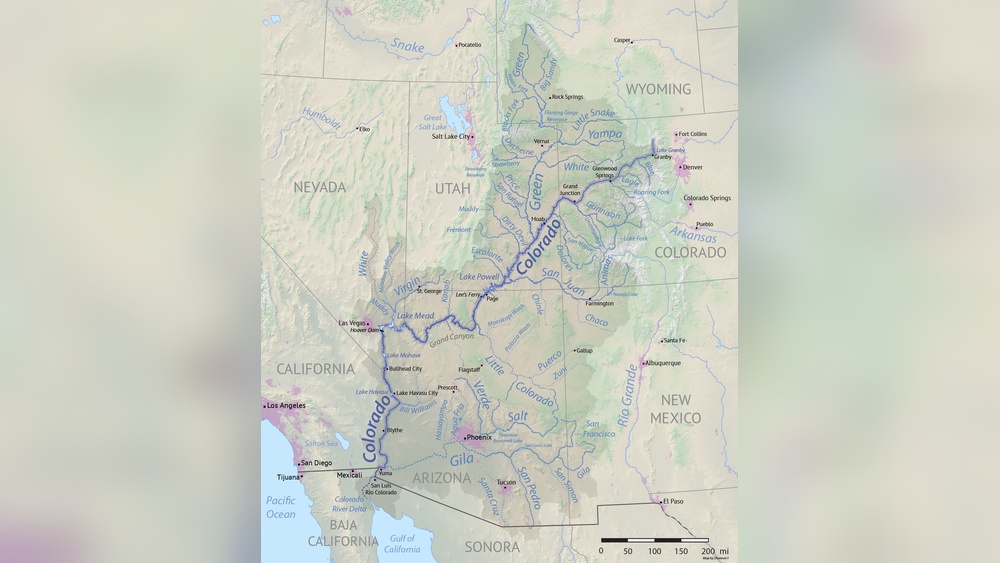
The Colorado River begins its long journey high in the Rocky Mountains. Its source is at La Poudre Pass, a quiet spot inside Rocky Mountain National Park. This small lake marks the river’s official start.
La Poudre Pass lies just south of the Continental Divide. The lake’s elevation is about 10,174 feet above sea level. From here, cold mountain water flows down, forming the Colorado River.
Location Of La Poudre Pass
La Poudre Pass is in northern Colorado. It sits within the Never Summer Mountains. This area is part of Rocky Mountain National Park. The pass is near the boundary between Colorado and Wyoming.
La Poudre Pass Lake
La Poudre Pass Lake is small but important. It collects snowmelt and rainwater. The lake feeds La Poudre Pass Creek, which soon joins the Colorado River. This lake acts as a natural spring for the river.
Importance Of The Headwaters
The headwaters at La Poudre Pass start the mighty Colorado River. This river flows southwest across seven states. It supplies water to cities, farms, and wildlife. The clean, cold water from the pass is vital for the river’s health.

Credit: www.youtube.com
Role Of Rocky Mountain National Park
Rocky Mountain National Park plays a key role in the Colorado River’s beginning. The park’s high peaks collect snow and rain that feed the river. This natural water source starts its journey here, shaping landscapes downstream.
The park protects the river’s headwaters, ensuring clean water flows into the river system. It also preserves the natural environment around the river’s start. This helps maintain wildlife habitats and plant life that depend on the river.
Origin Of The Colorado River In The Park
The Colorado River begins at La Poudre Pass Lake inside Rocky Mountain National Park. This small lake sits near the Continental Divide, where water flows toward the river’s path. Snowmelt and rain gather here, creating the river’s first streams.
Importance Of The Continental Divide
The Continental Divide runs through Rocky Mountain National Park. It directs water flow, deciding if it moves west into the Colorado River or east toward other rivers. This natural boundary helps shape the river’s course from the very start.
Conservation Efforts In The Park
The park staff work hard to protect the Colorado River’s headwaters. They monitor water quality and control visitor impact on sensitive areas. These efforts keep the river healthy for wildlife and people downstream.
Elevation And Early Flow
The Colorado River begins high in the Rocky Mountains. Its starting point lies at a very high elevation. This height plays a key role in shaping the river’s early flow.
At over 10,000 feet above sea level, the river’s source is near La Poudre Pass Lake. This area is inside Rocky Mountain National Park in Colorado. The cold, snowy environment feeds the river with melting snow in spring.
As the snow melts, water gathers and flows downhill. The steep slopes cause the river to move quickly at first. The early flow is strong and clear, carrying fresh mountain water.
High Elevation Origins
The river’s start at high altitude means it begins in a cold climate. This cold water helps support unique plants and animals nearby. The elevation also causes the river to gain power as it descends.
Snowmelt And Early Flow
Snowpack is the river’s main water source in early months. Melting snow feeds the river with fresh water each spring. This flow varies by season and year, depending on snowfall.
Mountain Terrain And River Speed
Mountain slopes create a fast-moving river at the start. The river cuts through rocks and forms narrow channels. This fast flow shapes the river’s path downstream.

Credit: kdvr.com
Path Through Western States
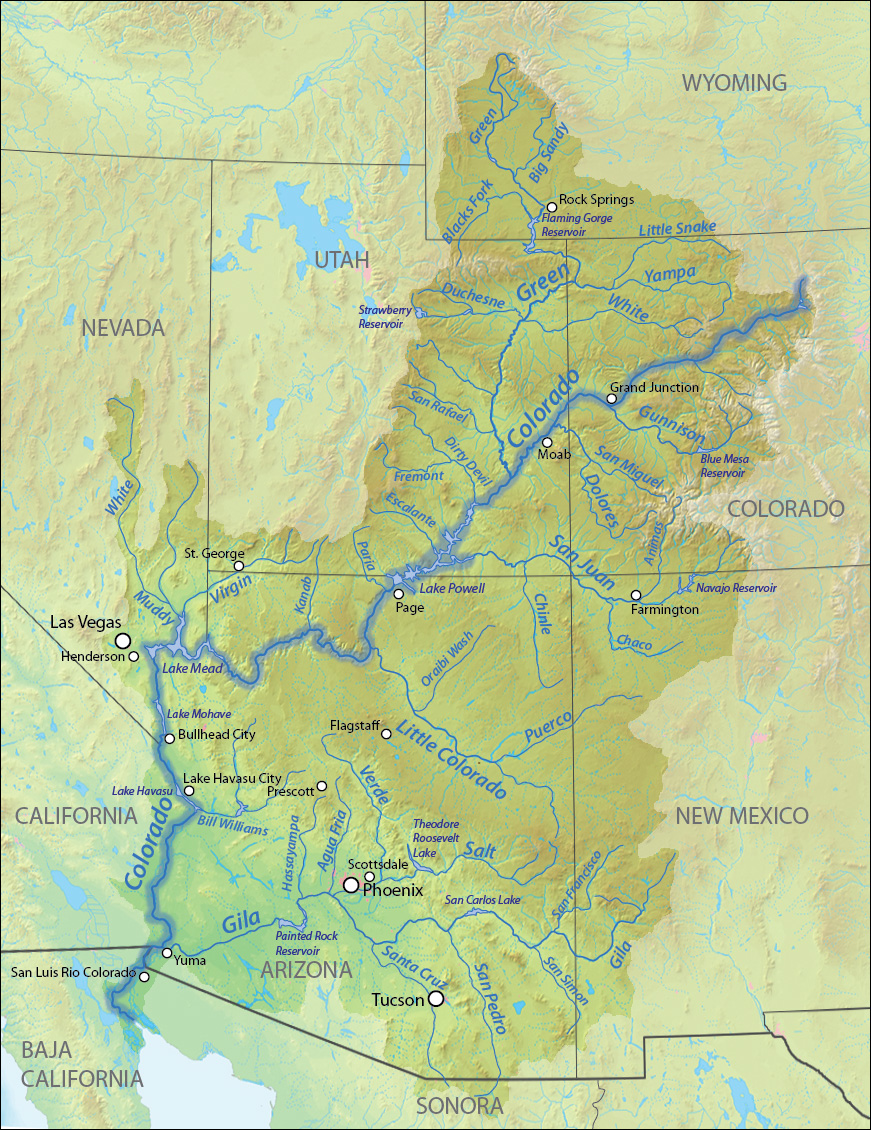
The Colorado River begins high in the Rocky Mountains of Colorado. It flows through seven western states before reaching Mexico. This river shapes the land and supports many communities along its route.
The river’s journey covers about 1,450 miles. It passes deserts, canyons, and large reservoirs. Each state it crosses adds to the river’s story and importance.
From Rocky Mountains To Utah
The river starts at La Poudre Pass Lake in Colorado. It flows southwest through deep valleys and forested areas. Soon it enters Utah, where it fills Lake Powell, a large reservoir created by Glen Canyon Dam.
This part of the river is popular for boating and fishing. The water here is cold and clear, fed by mountain snow and rain.
Crossing Arizona And The Grand Canyon
In Arizona, the river carves through the Grand Canyon. This section is one of the most famous river stretches in the world. The canyon walls rise steeply on both sides, showing millions of years of geology.
Whitewater rafting trips attract adventurers to this wild and scenic part of the river. The water flows swiftly, making it challenging and exciting.
Through California And Nevada
The river continues to form part of the border between Arizona and California. It then flows into Nevada for a short distance. Here, the river helps supply water to cities like Las Vegas and Los Angeles.
Dams and canals divert water for farming and urban use. This stretch shows how the river supports millions of people in dry areas.
Entering Mexico And Reaching The Sea
After leaving the United States, the Colorado River flows into Mexico. It passes through the desert before reaching the Gulf of California. This is where the river ends its long journey.
Due to water use and dry conditions, the river often does not reach the sea in full flow. This affects wildlife and ecosystems at the river’s end.
Major Landmarks Along The River
The Colorado River is famous for its stunning natural beauty and important landmarks. It flows through diverse landscapes and offers many sights worth exploring. These landmarks show the river’s power and the role it plays in the western United States. From its start in the mountains to its end at the sea, the river passes through key locations that shape its story.
La Poudre Pass Lake
La Poudre Pass Lake is the very start of the Colorado River. It sits high in the Rocky Mountains, inside Rocky Mountain National Park. The lake is small but important. It marks the river’s birthplace. Visitors can enjoy peaceful views and fresh mountain air here.
Glen Canyon And Lake Powell
As the river flows southwest, it reaches Glen Canyon. Here, the river is held back by Glen Canyon Dam. This creates Lake Powell, a huge reservoir. Lake Powell is popular for boating and fishing. The lake stores water for many states and helps control floods.
The Grand Canyon
The Grand Canyon is one of the most famous landmarks on the Colorado River. The river carved this deep and wide canyon over millions of years. It is a natural wonder that attracts visitors worldwide. Rafting trips on the river offer a close look at the canyon walls and wildlife.
Hoover Dam
Hoover Dam is a massive structure on the Colorado River. It sits between Arizona and Nevada. The dam provides electricity to millions of people. It also controls water flow and supplies water for farming and cities. Hoover Dam is a symbol of human engineering and effort.
Colorado River Delta
The river ends its journey in the Colorado River Delta. This area lies in Mexico, where the river meets the Gulf of California. The delta once had rich wetlands and wildlife. Today, water shortages mean the river often runs dry before reaching the sea. Efforts are ongoing to restore this important habitat.
Water Source For Millions
The Colorado River is more than a river. It is a lifeline for millions of people. This river supplies water to cities, farms, and industries across several states.
From its start in the Rocky Mountains, the river travels through dry regions. It brings water to places that would otherwise be deserts. Understanding where it begins helps us appreciate its value.
Origin In The Rocky Mountains
The Colorado River starts at La Poudre Pass Lake in Colorado. This small lake lies high in the Never Summer Mountains. It sits within Rocky Mountain National Park, just south of the Continental Divide.
Snowmelt and rainfall fill the lake. These waters flow out to form the river’s headwaters. The elevation here is over 10,000 feet, making it a cool, clean water source.
Water Supply To Seven States
After leaving the mountains, the river flows southwest through seven U.S. states. These include Colorado, Utah, Arizona, California, Nevada, New Mexico, and Wyoming. Each state depends on the river for fresh water.
Millions of people rely on this river daily. It supports drinking water, irrigation, and industry. Large cities like Las Vegas and Phoenix use Colorado River water.
Support For Agriculture And Energy
The river also nourishes vast farmland. Crops like lettuce, cotton, and almonds need this water to grow. Without the Colorado River, much of this agriculture would fail.
Hydroelectric dams on the river generate electricity. This power lights homes and runs businesses. The river’s flow helps create renewable energy for the region.
Impact Of Climate Change
The Colorado River begins at La Poudre Pass Lake in Colorado’s Rocky Mountains. Rising temperatures and less snowfall reduce its flow, harming ecosystems and water supply. This change affects millions relying on the river across seven states and into Mexico.
Impact Of Climate Change On Colorado River’s Headwaters
The Colorado River begins at La Poudre Pass Lake in Colorado’s Rocky Mountains. This area depends heavily on snowpack for water supply. Rising temperatures reduce snowfall and cause earlier snowmelt. These changes shrink the river’s flow in spring and summer.
Warmer weather also increases evaporation from lakes and soil. This loss further lowers water levels in the river’s early stages. Less water in the headwaters means less water downstream for people and nature.
Changes In Snowpack And Runoff Patterns
Snowpack in the Rocky Mountains is declining each year. It acts like a natural reservoir, releasing water slowly. Earlier snowmelt leads to a faster runoff peak and drier summers. This shift stresses the river’s ecosystem and water users.
Reduced snowpack also shortens the river’s flowing season. The Colorado River may run lower or even dry up in some places during late summer. This affects farming, cities, and wildlife relying on steady water supply.
Effects On Water Supply And Ecosystems
Lower water flow impacts millions of people in seven states and Mexico. Farmers face water shortages, reducing crop yields. Cities must limit water use to meet demand.
Wildlife habitats near the river suffer from less water and higher temperatures. Fish populations decline, and plants struggle to survive. The whole river system becomes more fragile and less resilient.
The Texas Colorado River
The Texas Colorado River is different from the famous Colorado River in the western United States. It flows entirely within Texas and has its own unique path and history. This river starts in the Texas Hill Country and travels southeast towards the Gulf of Mexico.
The Texas Colorado River is about 862 miles long. It provides water for cities, farms, and wildlife along its course. The river supports many outdoor activities like fishing, boating, and hiking. It plays a vital role in Texas’ environment and economy.
Where The Texas Colorado River Begins
The Texas Colorado River begins near the city of Lubbock, in the northwest part of the state. It starts from small streams and springs in the high plains. These waters combine and flow southeast, creating the river’s early sections.
The River’s Path Through Texas
The river flows through many Texas towns and cities, including Austin and Bastrop. It passes through lakes and reservoirs that help control floods and store water. The river’s path is full of natural beauty and offers many places for recreation.
Importance Of The Texas Colorado River
The river supplies water to millions of Texans. It supports farms, ranches, and industries along its banks. The river also helps maintain local ecosystems and wildlife habitats. Protecting this river is important for Texas’ future.
Distinguishing The Two Rivers
The name “Colorado River” refers to two distinct rivers in the United States. Both share the same name but differ in location, size, and importance. Understanding which river is which helps avoid confusion, especially when discussing their origins and paths.
The more famous Colorado River starts in the Rocky Mountains of Colorado. It flows southwest through several states and ends in Mexico. This river is vital for water, farming, and electricity in the West.
The other Colorado River lies in Texas. It begins in the Texas Hill Country and flows southeast to the Gulf of Mexico. Though smaller, this river is essential for local communities and ecosystems in Texas.
The Colorado River Of The West
This Colorado River starts at La Poudre Pass Lake in Colorado. The lake sits high in Rocky Mountain National Park, near the Continental Divide. The river flows through seven states, including Utah and Arizona. It passes famous spots like the Grand Canyon and Lake Powell.
The Western Colorado River is crucial for millions. It provides water for cities, farms, and power plants. The river faces challenges like drought and overuse. Its flow to the Gulf of California is sometimes very low.
The Colorado River Of Texas
The Texas Colorado River begins near Lubbock in the state’s northwest. It travels about 862 miles before reaching the Gulf of Mexico. This river supports farming, wildlife, and cities along its path.
Though less known, the Texas Colorado River plays a big role locally. It helps keep lakes and reservoirs full. People rely on it for drinking water and recreation.
Credit: www.americanrivers.org
Importance To Agriculture And Energy
The Colorado River plays a key role in supporting agriculture and energy production across the western United States. Its waters irrigate vast farmlands, helping to grow crops that feed millions. The river’s flow also powers hydroelectric plants, providing clean energy to many communities.
Farmers depend on the river for a steady water supply. Without it, growing fruits, vegetables, and grains in this dry region would be nearly impossible. The Colorado River supports irrigation systems that turn desert lands into productive farms.
Energy generation from the river is vital. Hydroelectric dams along the river convert flowing water into electricity. This renewable energy helps reduce reliance on fossil fuels and lowers carbon emissions.
Water Supply For Agriculture
The Colorado River delivers water to over 5 million acres of farmland. Crops like lettuce, cotton, and almonds rely heavily on this water. The river’s steady flow supports irrigation canals and reservoirs that keep farms productive year-round.
Hydroelectric Power Generation
Dams such as Hoover and Glen Canyon convert river water into electricity. These hydroelectric plants supply power to cities and rural areas. The clean energy produced helps meet growing electricity demands while protecting the environment.
Challenges In Water Management
Balancing water use between farming and energy is difficult. Droughts and climate change reduce river flow, affecting both sectors. Efficient water use and careful planning are needed to sustain agriculture and energy production.
Frequently Asked Questions
Where Does Colorado River Start And End?
The Colorado River starts at La Poudre Pass in Colorado’s Rocky Mountains. It ends at the Gulf of California in Mexico.
Are There Two Colorado Rivers In The Us?
Yes, the US has two Colorado Rivers. One flows from Colorado to the Gulf of California. The other runs entirely within Texas, from the Panhandle to Matagorda Bay. Both are distinct rivers with separate paths and significance.
Is The Colorado River In Texas The Same As The Colorado River In Colorado?
The Colorado River in Texas is different from the Colorado River in Colorado. They are separate rivers with distinct paths and endpoints. The Colorado River in Colorado flows southwest through several states to the Gulf of California. The Texas Colorado River flows southeast within Texas to the Gulf of Mexico.
Where Does The Colorado River That Runs Through Texas Start?
The Colorado River in Texas starts in the Texas Panhandle near Lubbock. It flows southeast into the Gulf of Mexico.
Where Does The Colorado River Begin?
The Colorado River starts at La Poudre Pass Lake in Rocky Mountain National Park, Colorado.
What Is The Exact Source Location Of The Colorado River?
Its source is La Poudre Pass Lake, just south of the Continental Divide.
How High Is The Colorado River’s Starting Point?
The river begins at about 10,174 feet above sea level.
Which Mountains Surround The Colorado River’s Headwaters?
The river starts in the Never Summer Mountains within Rocky Mountain National Park.
Does The Colorado River Start In One Or Multiple Places?
The river’s main source is a single lake, La Poudre Pass Lake.
Is The Colorado River’s Start Inside A National Park?
Yes, it begins inside Rocky Mountain National Park in northern Colorado.
Conclusion
The Colorado River begins at La Poudre Pass Lake in Colorado. It flows through many states before reaching Mexico’s Gulf of California. This river supports millions of people and important ecosystems. Its journey shapes landscapes like the Grand Canyon. Understanding its start helps us appreciate its value.
The river faces challenges like climate change and overuse. Protecting it matters for nature and communities downstream. The Colorado River’s story is one of nature’s power and human reliance.