
Have you ever wondered when color photos first came to life? Imagine seeing the world not just in shades of gray, but bursting with vibrant colors—how did that magic begin?
Understanding when color photography was invented can change the way you appreciate every colorful image you capture or admire today. This story is full of fascinating inventions, surprising challenges, and moments that transformed photography forever. If you want to discover the origins of color photos and how they became the everyday wonder you enjoy, keep reading—your view of photography is about to get a whole lot brighter.

Credit: www.scienceandmediamuseum.org.uk
Early Experiments With Color
Color photography did not appear overnight. It grew from many small, careful tests. Inventors and scientists tried different ways to capture real-life colors in pictures. These early attempts laid the foundation for modern color photos.
Experiments started in the 19th century. Photographers used special chemicals and techniques to record colors. These methods often took a long time and needed strong light. The results were not perfect but showed great promise.
The Three-color Method
One key idea was the three-color method. Scientists knew that mixing red, green, and blue light created many colors. They took three photos through red, green, and blue filters. Later, they combined these to make a color image. This method was slow but important.
The First Color Photograph
The first known color photo came from James Clerk Maxwell in 1861. He used the three-color method to capture a tartan ribbon. The image was simple but proved that color photography was possible. This photo inspired many more experiments.
Autochrome Plates
In 1907, the Autochrome plate was introduced. It was the first practical color photo process for everyday use. Autochrome used dyed grains of starch to filter colors directly on the plate. This method made color photos easier but still required long exposure times.
Limitations Of Early Color Photos
Early color photos had many challenges. They needed bright light and long exposure. Colors could be weak or incorrect. The process was costly and complex. These limits kept color photos rare and mostly for professionals.
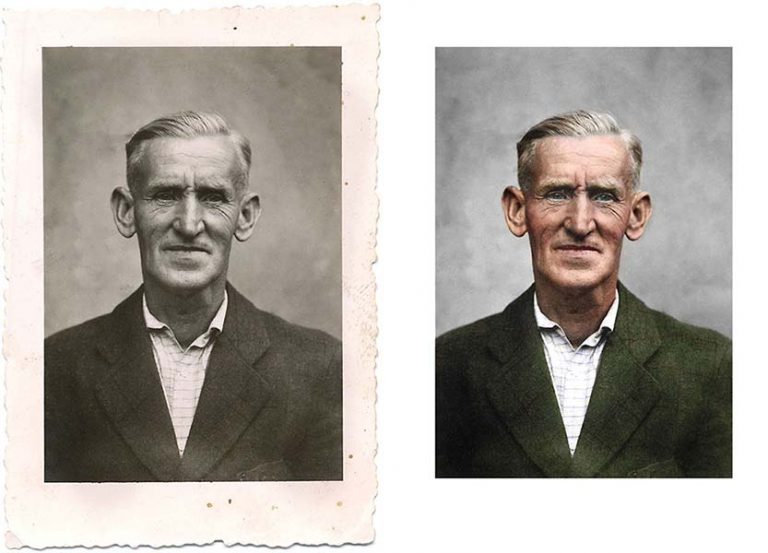
Credit: www.instarestoration.com
First Successful Color Photos
Color photos were first successfully created in the early 1900s. The first durable color photograph appeared in 1907 using the Autochrome process. This invention marked the beginning of capturing the world in true colors.
The journey to the first successful color photos was long and challenging. Early inventors tried many methods to capture color images. It took years of experiments before clear, lasting color photos were possible.
In 1861, the Scottish physicist James Clerk Maxwell made the first color photograph. He used a technique called the three-color method. Maxwell took three black-and-white photos through red, green, and blue filters. When combined, these images showed a full-color picture.
James Clerk Maxwell’s Three-color Process
Maxwell’s work was a breakthrough in color photography. His photos proved that combining three colors could create a full-color image. This method is the base of modern color photography. However, the process was slow and complex. It needed perfect lighting and precise alignment of images.
Louis Ducos Du Hauron’s Contributions
French photographer Louis Ducos du Hauron improved color photography in the 1870s. He created a method to print color photos on paper. His process combined three color separation images into one. This allowed color photos to be reproduced without special equipment.
Autochrome Plates: The First Practical Color Photos
In 1907, the Lumière brothers invented the Autochrome plate. It became the first widely used color photography method. Autochrome used dyed grains of starch as color filters on a glass plate. This made color photos easier and faster to take. Autochrome plates produced beautiful, soft color images and were popular for years.
Technological Breakthroughs
Technological breakthroughs made color photography possible. Early inventors faced many challenges. They needed to capture colors accurately and clearly. Over time, new methods improved the process. These advances helped color photos become common.
The First Color Photograph
The first color photo was taken in 1861. Scottish physicist James Clerk Maxwell created it. He used three black-and-white photos with red, green, and blue filters. When combined, they showed a color image. This method was the start of color photography.
Kodachrome Film
Kodachrome film launched in 1935. It was the first successful color film for consumers. Kodachrome used layers of color-sensitive materials. This created bright, lasting images. It became very popular for decades. Photographers loved its rich colors and sharp details.
Improvements In Color Printing
Color printing also improved over time. Early prints faded quickly and lost color. New chemicals and papers made prints last longer. They kept colors bright and true. These changes helped color photos become more reliable and popular.
Cost And Convenience Factors
Color film was expensive at first. Processing color photos took more time than black and white. Indoor photos often looked dull or strange. These issues slowed down the spread of color photography. Later improvements made color photos easier and cheaper to produce.
Kodachrome And Color Film
Kodachrome played a key role in the history of color photos. It was one of the first successful color films. Introduced in 1935, Kodachrome brought vibrant color to photography.
The film used a complex process to capture colors accurately. It needed special development, which only a few labs could do. Despite this, Kodachrome became popular among photographers.
Before Kodachrome, color photos were rare and often faded quickly. This film gave pictures bright, lasting colors. It helped change how people saw and used photography.
Kodachrome’s Technological Breakthrough
Kodachrome used multiple layers of film to record colors. Each layer captured different parts of the color spectrum. This method created sharp and true-to-life images.
The film’s design was complex but effective. It allowed photographers to shoot in color with normal cameras. This opened new creative possibilities for photo enthusiasts.
Cost And Convenience Of Color Film
Color film like Kodachrome was more expensive than black and white. Processing color photos required special chemicals and time. This limited color photography to professionals and serious hobbyists.
Indoor color photos often had poor results at first. Improvements in film and lighting helped fix these issues over time. Eventually, color photography became easier and more affordable.
These changes helped color photos grow in popularity during the mid-20th century. Kodachrome remained a favorite for decades because of its quality and rich colors.
Challenges In Color Photography
Color photography marked a major change in how people capture memories. Creating accurate color images was not simple. Early inventors faced many problems. These challenges slowed the spread of color photography for decades.
From making the film to processing the pictures, every step had issues. Many early color photos looked faded or unnatural. The technology needed to improve to produce vivid and stable colors. Understanding these hurdles helps us appreciate how far color photography has come.
Technological Challenges In Early Color Photography
Early color photography used complex methods. Inventors had to mix several layers of chemicals. Each layer captured a different color. Aligning these layers perfectly was very hard. Misalignment caused blurry or distorted images.
Color film was not sensitive to all light types. This limited the color range photographers could capture. Cameras needed special filters and lenses. These tools added to the cost and difficulty of taking color photos.
Cost And Accessibility Issues
Color film was expensive to produce and buy. Processing color photos took more time and skill. Many people could not afford color photography. Black and white photos remained popular because they were cheaper.
Printing color photos also required special equipment. This equipment was rare and costly. Photographers often preferred black and white for everyday use. Color photography stayed a luxury for many years.
Color Accuracy And Stability Problems
Early color photographs often faded quickly. Colors could shift or disappear over time. This made preserving memories difficult. Scientists worked to create more stable dyes and chemicals.
Colors also sometimes looked unnatural or oversaturated. Achieving true-to-life color balance was a major task. Improvements in film and processing slowly solved these problems.

Credit: commons.wikimedia.org
Color Photos In Commercial Use
Color photos entered commercial use in the early 20th century. Businesses and media began to explore this new form of photography. Color images brought a fresh way to capture real life. They added vibrancy and detail that black-and-white photos could not show.
Early commercial color photos were rare and costly. Companies used them mainly for advertising and magazines. The vivid colors attracted more attention and boosted sales. Color photography started changing how people saw products and stories.
Technological Advancements
The development of Kodachrome film in 1935 was a major step. It produced rich, lasting colors and was easier to use than earlier methods. This film helped color photography become more practical for professionals. Photographers could now capture bright, true-to-life images with less effort.
Kodachrome
Kodachrome became the gold standard for color photography. Its complex color layers gave photos deep and natural tones. Magazine publishers quickly adopted it for photojournalism. The film’s durability also made it popular among amateurs and experts alike.
Cost And Convenience
Color photos were more expensive than black and white at first. The film and printing processes cost more money. Early color photos also required special lighting to look good indoors. These issues slowed the spread of color photography in everyday use.
Over time, prices dropped and technology improved. Color photography became more accessible to the general public. By the 1950s, color photos were common in family albums and advertisements.
Artistic Adoption Of Color
Color photography first appeared in the early 1900s, with the first successful image made in 1907. Widespread use began after Kodachrome film launched in the 1930s. Early color photos captured the world’s hues, changing how people saw memories forever.
Early Artistic Experiments With Color Photography
Artists first explored color photography in the early 1900s. They used hand-coloring techniques to add hues to black and white photos. This process required skill and patience. It allowed photographers to bring life to their images. Still, the results varied and often looked unnatural.
Impact Of Kodachrome On Artistic Use
Kodachrome film debuted in the 1930s and changed art photography. It offered rich, vibrant colors in one shot. Artists embraced this new tool to capture realistic scenes. Color added emotion and depth to their work. Kodachrome made color photography more reliable and popular among creatives.
Challenges Artists Faced With Early Color Technology
Early color film was expensive and tricky to develop. Indoor photos often looked dull or grainy. These limits slowed artistic adoption of color photography. Many artists preferred black and white for its clarity and contrast. Over time, improving technology helped artists trust color more.
Color Photography’s Role In Artistic Movements
Color photography influenced many art styles by mid-20th century. It helped artists explore new ideas in realism and abstraction. Bright colors became a key part of visual storytelling. This shift expanded how artists expressed mood and atmosphere. Color photography opened fresh creative possibilities for many.
Color Photography For Amateurs
Color photography began in the early 1900s with the first permanent color photo made in 1907. Early color processes were slow and costly, limiting their use. Widespread color photography became common only after faster, affordable films appeared mid-20th century.
Early Color Photography For Amateurs
Color photography started as a complex process mainly for professionals. Early color photos required special equipment and chemicals. This made color photography hard for most amateurs. Few people could afford the cost and time needed. The first color films were slow and expensive. Many amateurs stuck to black and white photos instead.
Advancements That Helped Amateurs
The invention of Kodachrome film in the 1930s changed things. Kodachrome made color photography easier and more reliable. Amateurs could finally capture vibrant colors with less hassle. The film offered better color quality and sharper images. It became popular for family photos and travel snapshots. Color photography started to spread beyond professionals.
Cost And Convenience For Hobbyists
Color film and printing were still more costly than black and white. Processing color photos took longer and needed special labs. Early color photos often looked dull indoors. These challenges slowed down the growth of amateur color photography. Over time, prices dropped and technology improved. This allowed more hobbyists to try color photography at home.
Widespread Popularity And Access
Color photos gained popularity in the early 20th century as technology improved. Over time, color film became more affordable and easier to use, allowing many people to access and enjoy vibrant images. Today, color photography is common worldwide.
Technological Advancements
Color photography became widely popular after key inventions. Kodachrome film, introduced in 1935, made color photos clearer and more vibrant. This film allowed photographers to capture bright colors with better accuracy.
Before Kodachrome, color photos were rare and difficult to produce. Early methods were expensive and complicated. Kodachrome simplified the process and improved color quality. This helped color photography spread quickly.
Cost And Convenience
At first, color film cost more than black and white. Printing color photos was also more expensive. Many people could not afford it. Indoor photos often looked dull or faded.
Over time, prices dropped. New film types made color photos easier to take and develop. Cameras became more user-friendly. This increased color photography’s popularity and access for everyday people.
Mass Media And Consumer Demand
Magazines and newspapers began using color photos in the 1950s. This attracted readers and advertisers. Color images made stories more engaging and realistic.
Families wanted color pictures to capture life’s moments. Photo studios offered color prints. This created strong demand and helped color photography grow fast worldwide.
Legacy And Modern Impact
Color photography began in the early 1900s, changing how people captured memories. Its development influenced art, media, and everyday life worldwide. Early color photos paved the way for modern vibrant images we see today.
Legacy Of Color Photography
Color photography changed how people see the world. It made memories more real and vivid. Early inventors paved the way for modern cameras and films. Their work helped capture life with true colors.
Many old color photos show history in a new light. They reveal details black and white could not. These images help us connect with the past deeply. Museums and archives preserve these treasures for us.
Modern Impact On Daily Life
Color photos are everywhere today. Smartphones and digital cameras let anyone take vibrant pictures. Social media shares these images instantly worldwide. This changes how we communicate and remember moments.
In art and advertising, color photos attract attention fast. They tell stories and evoke emotions clearly. Medical fields use color imaging for better diagnosis. Science and education also benefit from detailed visuals.
Technological Advancements Inspired By Early Color Photos
Early color photo techniques led to new inventions. Film quality improved, making colors brighter and sharper. Digital sensors now capture millions of colors accurately. This progress supports movies, TV, and virtual reality.
Software and apps enhance photos easily. Editing tools let people adjust colors and correct flaws. These tools make photography more creative and accessible. The legacy of color photography drives ongoing innovation.
Frequently Asked Questions
When Did Color Photos Become Common?
Color photos became common in the 1950s when affordable Kodachrome film and improved processing made them accessible to amateurs.
Did The 1950s Have Color Photos?
Yes, the 1950s had color photos. Color photography existed but was costly and less common than black and white. Professionals used color for advertising and fashion, while most amateurs still preferred black and white due to price and quality limitations.
Did Color Photos Exist In 1940?
Yes, color photos existed in 1940. Early color films like Kodachrome were available but costly and less common than black and white.
Why Did Photographers Not Use Color Before 1970?
Photographers avoided color before 1970 due to high costs, limited film quality, and poor indoor lighting results. Black and white was cheaper and more reliable.
When Was The First Color Photograph Invented?
The first color photograph was taken in 1861 by James Clerk Maxwell using a three-color method.
Who Invented Color Photography?
James Clerk Maxwell is credited with inventing the first color photographic process in 1861.
How Did Early Color Photography Work?
Early color photos combined three black-and-white images through red, green, and blue filters.
When Did Color Photography Become Popular?
Color photography became popular and widely used in the 1930s with the introduction of Kodachrome film.
What Was The First Color Film Used?
Kodachrome, introduced in 1935, was the first successful color film for general use.
Why Did Color Photos Take Time To Develop?
High costs and technical challenges delayed color photography’s widespread adoption until the 20th century.
Conclusion
Color photography began in the early 1900s and evolved over time. Early methods were complex and costly. Kodachrome film made color photos more accessible in the 1930s. Yet, black and white photos stayed popular for many years. Today, color images are common and easy to create.
This invention changed how we see memories and history. Color photos help us connect with the past in vivid ways. Understanding when color photos were invented shows how technology shapes art.