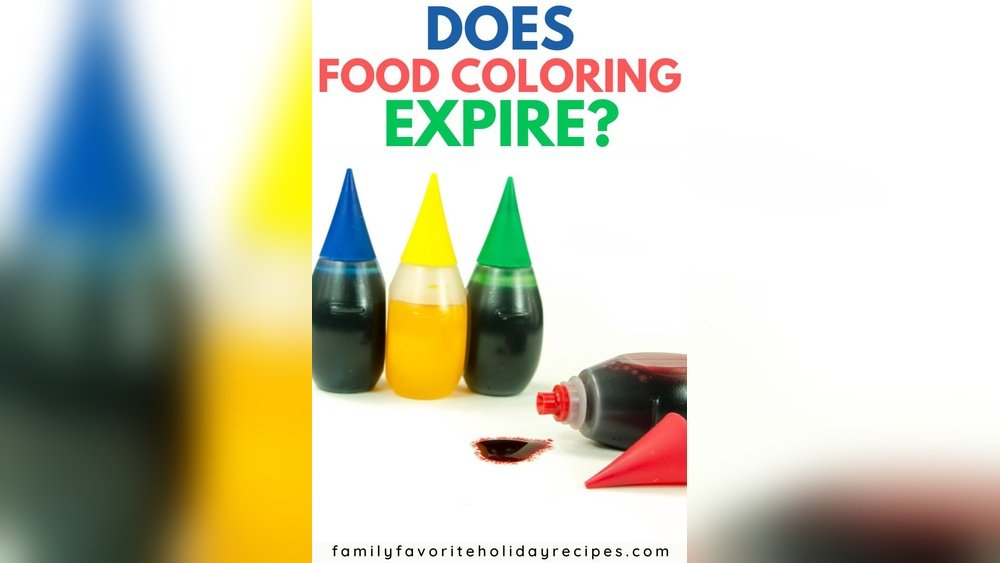
Have you ever opened your pantry and found that bottle of food coloring tucked away for months—or even years—and wondered, “Does food coloring go bad?” You’re not alone. It’s natural to question if expired food coloring is still safe to use or if it will ruin your recipe.
Maybe you’re planning a special treat and want those colors to pop just right, but you’re unsure if your old food coloring will deliver the vibrant results you need. You’ll discover how to tell if your food coloring has gone bad, what signs to watch out for, and simple tips to revive it if possible.
Keep reading to make sure your next culinary creation looks as colorful and delicious as you imagined!

Credit: www.reddit.com
Shelf Life Of Food Coloring
Food coloring is a common kitchen staple used to brighten and enhance dishes. Understanding its shelf life helps avoid waste and ensures the best results. The shelf life varies depending on the type and storage conditions. Knowing how long food coloring lasts can save money and prevent disappointment in your recipes.
Shelf Life Of Liquid Food Coloring
Liquid food coloring typically lasts about 1 to 2 years unopened. Once opened, it is best used within 6 months to 1 year. Exposure to air and moisture can reduce its quality faster. Store it in a cool, dark place to keep it fresh longer.
Shelf Life Of Gel And Paste Food Coloring
Gel and paste food coloring have a thicker consistency. They usually last 2 to 3 years unopened. After opening, try to use them within 1 year for the best color vibrancy. Keep the lid tightly closed to avoid drying out or hardening.
Shelf Life Of Powdered Food Coloring
Powdered food coloring has the longest shelf life. It can last 3 to 4 years if stored properly. Keep it in a dry place away from heat and humidity. Moisture can cause clumping and reduce its effectiveness.
Signs Food Coloring Has Gone Bad
Check food coloring before use. Look for changes in color, smell, or texture. Mold growth or a foul odor means it should be discarded. Clumps or separation may indicate it is past its prime.
Tips To Extend Food Coloring Shelf Life
Store food coloring in a cool, dark cabinet. Avoid exposure to heat, light, and humidity. Always seal containers tightly after use. Avoid dipping utensils directly into the container to reduce contamination.
Signs Of Spoiled Coloring
Food coloring can last a long time, but it does not stay fresh forever. Over time, it can lose quality and even spoil. Knowing the signs of spoiled coloring helps keep your food safe and vibrant. Check your food coloring carefully before using it.
Appearance Changes
Look for any changes in color or texture. Spoiled food coloring may become dull or faded. Gel colors might dry out and harden. Powder colors can clump together or show discoloration.
Unpleasant Smell
Fresh food coloring usually has little or no smell. A sour or strange odor signals spoilage. Throw away any coloring that smells off or rancid.
Mold Or Bubbles
Visible mold inside the bottle means the coloring is unsafe. Bubbles or swelling of the container can show fermentation or contamination. Do not use coloring if you see these signs.
Texture Problems
Gel coloring that feels rubbery or thick may be spoiled. Powder coloring that is clumpy or hard to mix can mean it has gone bad. You might try adding a few drops of glycerin to restore gel texture, but discard if it fails.
Expired Food Coloring Safety
Expired food coloring does not usually cause illness. Its ingredients are stable and unlikely to spoil. The expiration date mainly affects the quality, not safety. Over time, colors may fade or textures change. Using expired food coloring is mostly safe if it looks and smells normal.
It is important to check the food coloring before use. Signs of spoilage mean you should throw it away. Always store coloring in a cool, dry place to keep it fresh longer.
Check For Contamination
Look closely for mold or unusual smells. A bulging or cracked container shows spoilage. Do not use food coloring with these signs. Contamination can cause health risks and affect your food.
Assess The Quality
Gel food coloring can become hard or rubbery. Powder form may clump or harden. These changes lower the quality but are not dangerous. If the color is faded, it may not give good results.
Consider Reviving Expired Coloring
Dried-out gel coloring can improve with a few drops of glycerin. This helps restore smoothness and mixability. Only try this if the coloring smells and looks fine. Reviving may save expired coloring from being wasted.
Use With Caution
Expired coloring might not mix evenly or show bright colors. Use your judgment before adding it to recipes. If the color fails, buying new coloring can be cheaper than wasting food. Always prioritize food safety and quality.

Credit: cookingchew.com
Texture Changes In Coloring
Food coloring can change in texture over time. These changes affect how well the coloring works in recipes. Texture changes are a key sign that your food coloring might be past its best use.
Texture shifts can happen to both liquid and gel food colorings. They might become thicker, clumpy, or even rubbery. Powder coloring can form lumps that do not dissolve easily. These changes make it hard to mix the color evenly in food.
Texture changes do not always mean the coloring is unsafe. But poor texture can lower the quality of your finished product. Cakes, frostings, and drinks might not look as bright or smooth as expected.
Signs Of Texture Changes In Food Coloring
Look closely at your food coloring. Thickened or lumpy gels show texture problems. Liquid colors may separate into layers or get sticky. Powder colors can clump and lose their fine, smooth feel.
Causes Of Texture Changes
Exposure to air dries out gels and liquids. Improper storage in warm places speeds up thickening. Old powders absorb moisture and harden into lumps. These factors all change how coloring feels and works.
Fixing Texture Issues In Food Coloring
Add a few drops of water to liquid coloring to loosen it. For gel coloring, food-grade glycerin can soften the texture. Gently stirring or shaking can help with powders. These tricks may bring back some usability.
When To Replace Food Coloring
If texture is too thick or clumpy and won’t mix well, replace it. Color that sticks or won’t blend can ruin your recipe’s look. Buying new food coloring is better than risking a bad batch.
Reviving Dried Gel Coloring
Dried gel food coloring can lose its smooth texture over time. It may become thick, rubbery, or hard to mix. This change can make it difficult to use in baking or decorating. Reviving dried gel coloring restores its original consistency. A simple method can bring it back to life. This saves money and reduces waste.
How To Identify Dried Gel Coloring
Check the gel’s texture first. If it feels stiff or clumpy, it may be dried out. Look for cracks or separation in the gel. A dried gel will not spread easily on a surface. If the color seems faded or uneven, it might need reviving.
Steps To Revive Dried Gel Coloring
Add a few drops of food-grade glycerin to the dried gel. Glycerin helps to soften and smooth the coloring. Stir gently to mix the glycerin into the gel. Avoid adding too much liquid, which can thin the color. Let the gel sit for a few minutes to absorb the glycerin fully.
Tips For Maintaining Gel Coloring
Store gel coloring in a cool, dry place. Keep the container tightly sealed after each use. Avoid exposure to air, which can dry out the gel. Use the coloring regularly to prevent it from drying. If the gel thickens, repeat the glycerin method to restore it.
Credit: www.reddit.com
Using Expired Coloring Wisely
Using expired food coloring can still be practical in many cases. The color may lose its strength over time, but it often remains safe to use. Careful inspection helps decide if old coloring can be used or should be discarded. Simple steps can help revive or repurpose expired coloring effectively.
Check For Signs Of Spoilage
Look closely at the container before use. Mold, unusual smells, or bulging lids mean the coloring is unsafe. Discard any coloring with these signs immediately. Clean and intact packaging usually means the product is still usable.
Revive Dried Or Clumpy Coloring
Gel food coloring may dry out or harden over time. Add a few drops of food-grade glycerin to soften it. Stir gently until the texture improves. Powder coloring that clumps can be broken apart with a spoon or sieve.
Use With Caution In Important Recipes
Expired coloring may not mix well or show bright colors. For special occasions, use fresh coloring to avoid disappointment. Testing on a small batch helps prevent ruining the whole recipe. If the color is weak, increase the amount slightly, but watch for taste changes.
Color Quality After Expiry
Food coloring can lose its color quality after the expiration date. The colors may fade or change, which affects the final look of your food. Color intensity is key for bright and appealing dishes. Expired food coloring might not give the same strong color as fresh ones. This can be a problem if you want vibrant results for cakes, frostings, or drinks.
Sometimes, the color separates or thickens over time. This makes it harder to mix evenly into your recipes. Gel and liquid food coloring may become clumpy or rubbery. Powdered colors might form lumps that do not dissolve well. These changes reduce the ease of use and the beauty of your final product.
Using expired food coloring might work for some recipes that do not need strong color. But for precise or professional results, fresh coloring is best. The change in color quality can affect the appearance and appeal of your dishes.
Signs Of Faded Color
Faded color is a common sign of old food coloring. The color looks dull or washed out. You may notice the shade is lighter than expected. This means the pigment has broken down over time. Faded color can make your food look less fresh and less attractive.
Texture Changes And Their Impact
Texture changes affect how food coloring mixes into recipes. Gel colors may become thick or rubbery. Liquids may separate or become watery. Powdered colors can clump together. These texture issues make it hard to get even color in your food.
How Expired Coloring Affects Final Appearance
Expired food coloring may cause uneven color patches. The color may not spread smoothly. This leads to blotchy or streaky results. The final dish may look unprofessional or unappealing. Using fresh coloring helps maintain a consistent and vibrant look.
Risks Of Using Old Dye
Using old food coloring can cause problems in your cooking. The quality and safety of the dye can change over time. This section explains the risks of using food coloring past its prime.
Old dye may look harmless but can affect your recipes. It might not mix well or give the right color. Sometimes, it can even cause health issues if spoiled.
Changes In Color Quality
Food coloring loses brightness as it ages. The color may become dull or uneven. This can make your food less appealing. Old dye may also separate or clump, making it hard to use.
Texture And Consistency Problems
Expired gel or liquid food coloring can thicken or dry out. This changes how it blends into your recipe. Powdered coloring might form lumps, which are difficult to dissolve. These texture changes reduce the effectiveness of the dye.
Health Risks From Contamination
Old food coloring can develop mold or bacteria. Using contaminated dye can cause food poisoning. A bad smell or unusual appearance signals spoilage. Always check for these signs before use.
Potential Damage To Recipes
Using old dye can ruin the taste and look of food. The color may bleed or fade during cooking. This wastes ingredients and effort. Fresh dye ensures better results and vibrant colors.
Preventing Food Coloring Waste
Preventing food coloring waste saves money and reduces kitchen mess. Proper care keeps colors bright and usable longer. Small steps avoid throwing out spoiled or dried-up coloring.
Organize food coloring bottles to find what you need fast. Use older colors first before opening new ones. This practice helps use every drop before quality fades.
Store Food Coloring Properly
Keep food coloring in a cool, dark place away from heat. Heat and light break down the color and change its texture. Tighten lids after each use to stop air from drying it out.
Use Small Amounts At A Time
Only pour the amount needed for your recipe. Avoid dipping utensils into bottles to prevent contamination. Using droppers or clean tools keeps the coloring fresh longer.
Check Expiration And Condition
Look at the expiration date before using food coloring. Inspect for clumps, bad smell, or mold to ensure safety. Toss any coloring that looks or smells off to prevent ruined food.
Revive Dried Or Thickened Coloring
Add a few drops of water or food-grade glycerin to gel colors. Stir gently to restore smoothness and ease of mixing. This simple trick can extend the life of your coloring.
Storage Tips For Longevity
Proper storage helps extend the life of food coloring. Keeping it fresh preserves its color and consistency. Follow simple steps to store food coloring well.
Keep Food Coloring In A Cool, Dark Place
Heat and light break down food coloring. Store bottles in a cabinet or pantry away from sunlight. Avoid places near ovens or windows.
Seal Containers Tightly After Use
Air exposure dries out food coloring, especially gels. Close lids tightly to prevent air and moisture from entering. This keeps the texture smooth and usable.
Use Clean Utensils To Avoid Contamination
Never dip dirty spoons into the coloring. Contamination can cause mold or spoilage. Use a clean toothpick or dropper for each use.
Store Liquid And Gel Coloring Upright
Keep bottles standing to avoid leaks and spills. This also helps prevent the coloring from drying out unevenly.
Check Expiry Dates And Rotate Stock
Use older bottles first to avoid waste. Mark the date when you open a new bottle. Replace coloring that shows changes in smell or texture.
Frequently Asked Questions
Is It Okay To Use Expired Food Coloring?
Using expired food coloring is generally safe but may affect color vibrancy and texture. Check for mold, smell, or clumps before use. If it looks and smells fine, it should work, though color intensity might be weaker. Discard if the container is damaged or shows spoilage signs.
How Can You Tell If Food Coloring Is Bad?
Check food coloring for mold, foul odor, clumps, or a bulging container. Discard if any signs appear.
What Happens When You Use Expired Dye?
Using expired dye can cause uneven, dull color and unwanted tones. It may also irritate the scalp and weaken hair.
Does Mccormick Food Coloring Go Bad?
McCormick food coloring doesn’t spoil but can lose vibrancy and mixability over time. Discard if it shows mold, foul smell, or clumps.
Does Food Coloring Expire And Lose Its Quality?
Yes, food coloring can lose vibrancy and texture over time but usually doesn’t spoil.
How Long Does Liquid Food Coloring Last Unopened?
Unopened liquid food coloring lasts about 3 years if stored in a cool, dark place.
Can Expired Food Coloring Make Food Unsafe?
Expired food coloring is generally safe but may affect color and texture quality.
How To Tell If Food Coloring Has Gone Bad?
Look for mold, foul smell, clumps, or a bulging container to spot spoilage.
Can You Revive Dried-out Food Coloring?
Adding a few drops of food-grade glycerin can soften dried gel food coloring.
Is Powdered Food Coloring Less Likely To Expire?
Powdered food coloring lasts longer but may clump or lose color over time.
Conclusion
Food coloring does not spoil like regular food. Over time, its color may fade or texture change. Always check for mold, bad smell, or container damage. If it looks and smells fine, it should be safe to use. Adding a few drops of glycerin can help dry gel colors.
Keep in mind, old coloring might mix poorly or show less vibrant colors. Using fresh coloring can save you from ruining your recipe. Careful inspection helps ensure your food looks great and tastes safe.