
Are you curious about when your baby’s eye color will truly reveal itself? It’s a question many parents wonder about as they watch those tiny eyes sparkle with shades that seem to shift day by day.
Right now, your baby’s eye color might look blue, gray, or even a soft hazel—but will it stay that way? Understanding why and when baby eye color changes can help you set your expectations and enjoy every precious moment of discovery.
You’ll learn the science behind eye color changes, typical timelines, and what factors influence the beautiful eyes your little one will have for life. Keep reading to find out exactly when you can expect to see your baby’s final eye color shine through!
Baby Eye Color At Birth
Most babies are born with blue or gray eyes. This happens because of low melanin in their irises. Melanin is the pigment that gives color to eyes, skin, and hair.
At birth, melanin levels are low, so the eyes look light. The blue or gray color comes from how light scatters in the iris. This is similar to why the sky looks blue.
Low Initial Melanin
Babies start with little melanin in their eyes. This pigment is not fully active yet. The light passing through the iris reflects off the eye’s structures. This reflection makes the eyes appear blue or gray.
Melanin Production After Birth
After birth, natural light helps melanocytes produce more melanin. Melanocytes are special cells in the iris that make pigment. As melanin increases, the eye color can darken gradually.
Timeline Of Eye Color Change
Eye color can start changing within a few months. Some babies’ eyes stay the same, especially if they are dark at birth. For lighter eyes, the color may shift for up to a year or more.
Role Of Melanin In Eye Color
Melanin controls eye color by its amount in the iris. Babies start with low melanin, making eyes look blue or gray. Over months, melanin increases, changing eye color to its permanent shade.
What Is Melanin?
Melanin is a natural pigment found in the body. It gives color to hair, skin, and eyes. The amount of melanin in the iris decides eye color. More melanin means darker eyes. Less melanin means lighter eyes.
How Melanin Affects Baby Eye Color
Babies are often born with low melanin in their eyes. This makes their eyes look blue or gray. The blue color is from light scattering in the iris, not from melanin. As babies grow, melanin starts to build up. This process can change eye color.
When Does Melanin Increase?
Melanin production begins soon after birth. Exposure to natural light helps melanocytes work. These cells produce more melanin in the iris. Eye color usually changes over the first year. Sometimes, it can take longer for the full change.
How Light Affects Melanin Production
Sunlight triggers melanin production in a baby’s iris, gradually changing eye color over time. Low melanin at birth makes eyes appear blue or gray. Increased light exposure boosts pigment, often darkening eye color during the first year.
Light plays a key role in changing a baby’s eye color. At birth, babies have very little melanin in their irises. Melanin is the pigment that gives eyes their color. Without much melanin, eyes often look blue or gray due to light scattering.
After birth, natural light helps melanocytes, the cells that produce melanin, to become more active. When melanocytes work more, they create more melanin in the iris. This increase causes the eye color to darken over time.
Melanocytes And Light Exposure
Melanocytes respond to light levels around the baby. More light triggers these cells to produce more pigment. In low light, melanin production slows down. This is why babies in brighter environments may see quicker changes in eye color.
Timeframe For Melanin Increase
The melanin production process starts soon after birth. It continues for several months and can last up to one year or more. Eye color changes usually happen gradually. The final color depends on how much melanin builds up.
Why Some Eyes Stay Light
Some babies produce less melanin even with light exposure. Their eyes remain lighter, like blue or green. This is normal and depends on genetics and melanin activity. Light exposure alone cannot change eye color beyond natural limits.
Typical Timeline For Eye Color Change
Babies’ eye colors rarely stay the same from birth. The typical timeline for eye color change varies widely. Many parents watch closely as their child’s eye color shifts during the first year. This change happens because of melanin, the pigment in the iris. Melanin levels increase after birth, making eyes darker or changing their shade. Understanding the timeline helps set realistic expectations.
At Birth: Initial Eye Color
Newborns usually have blue or gray eyes. Low melanin causes this light color. The blue shade comes from how light scatters in the iris. This effect is similar to why the sky looks blue. At this stage, true eye color is not yet visible.
First 3 To 6 Months: Early Changes
Melanin production starts after birth. Natural light triggers melanocytes in the iris. This pigment slowly builds up and darkens the eyes. Some babies show noticeable changes by three months. Others take longer to show any difference.
6 To 12 Months: Most Changes Occur
Most babies’ eye colors shift during this period. Light eyes may turn green, hazel, or brown. Dark eyes often stay the same shade. The change can be subtle or quite dramatic. Parents often see the final color by the first birthday.
After 12 Months: Final Eye Color
By one year, eye color usually settles. Some babies may still experience minor changes after this. These changes are less common and slower. After 18 months, eye color is mostly permanent.
Predicting Final Eye Color
Predicting a baby’s final eye color can be tricky. Many parents wonder if those early shades will last. Eye color changes depend on how pigment develops in the iris after birth. This process can take several months or even years to complete.
At birth, babies often have blue or gray eyes. This happens because their eyes have very little melanin, the pigment that gives eyes their color. As melanin builds up, the eye color may darken or change. Genetics also play a big role in determining the final shade.
Understanding Melanin And Eye Color
Melanin is the key pigment that controls eye color. Babies start with low melanin levels, causing light eyes. Over time, the pigment cells in the iris produce more melanin. This increase changes the eye color from blue or gray to green, hazel, or brown.
Genetics And Eye Color Prediction
Parents pass genes that influence eye color to their babies. Many genes work together to decide the final color. If both parents have dark eyes, the baby usually has dark eyes too. Two blue-eyed parents often have blue-eyed babies, but exceptions exist.
When To Expect The Final Eye Color
Eye color can shift gradually during the first year of life. Most changes happen between 6 and 12 months. Some babies’ eyes keep changing up to 3 years old. Waiting until after the first birthday gives a better idea of the permanent color.
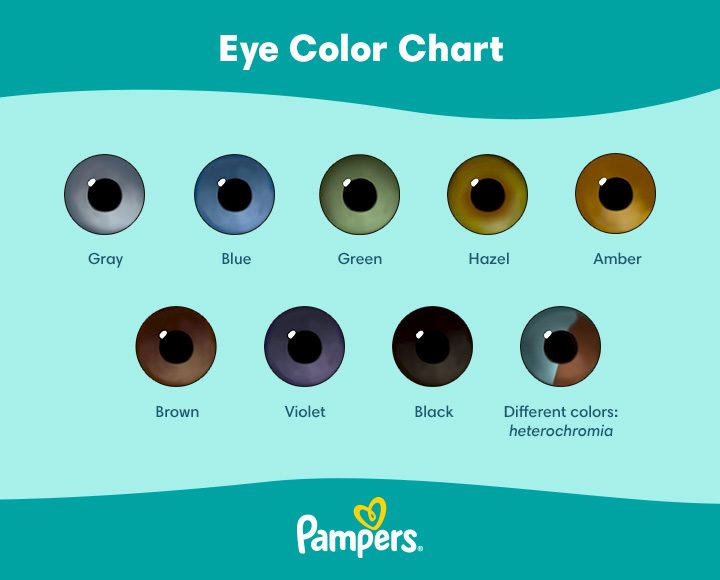
Credit: www.pampers.com
Why Some Babies Keep Blue Eyes
Many babies are born with blue eyes. Some keep their blue eyes for life. This happens because of how their eye color develops. Eye color depends on melanin, the pigment that gives color to eyes, skin, and hair. Babies with low melanin at birth often have blue eyes. Some babies do not produce much more melanin later, so their eyes stay blue.
Genetics And Blue Eyes
Genes play a big role in eye color. If both parents have blue eyes, their child is more likely to have blue eyes too. Specific genes control how much melanin the eyes make. Some gene combinations cause less melanin, which keeps eyes blue.
Low Melanin Production
Melanin is the pigment that changes eye color. Babies start with little melanin in their eyes. More melanin makes eyes darker. Some babies produce only a small amount of melanin. This means their eye color stays blue or light.
Light Scattering In The Iris
Blue eyes are not really blue. They look blue because of light scattering. This is the same effect that makes the sky look blue. When melanin is low, light scatters in the iris, creating a blue appearance.
Environmental Factors And Eye Color
Light exposure can affect melanin production. Some babies live in places with less sunlight. This might slow melanin production. If melanin grows slowly, blue eyes can stay longer or permanently.
Common Eye Color Outcomes
Babies’ eye colors often change during their first year. The final shade depends on how much melanin develops in the iris. Melanin is the pigment that gives color to the eyes. Some babies start with light eyes that darken over time. Others may keep their original color. Here are some common eye color outcomes to expect as your baby’s eyes develop.
Brown Eyes
Brown is the most common eye color worldwide. Babies with brown eyes usually have higher melanin levels at birth. Their eyes may look dark from the start. Brown eyes often stay the same shade or get even darker. The color can range from light brown to deep chocolate. These eyes tend to be stable and change little over time.
Green And Hazel Eyes
Green and hazel eyes have moderate melanin amounts. Babies born with these colors may start with light or gray eyes. Their eyes change as melanin increases in the first months. Hazel eyes mix brown, green, and gold tones. Green eyes have a subtle blue or yellow mix. These colors can shift slightly as the child grows. Green and hazel are less common than brown and blue eyes.

Credit: kdfoundation.org
Genetics And Eye Color Variations
Eye color in babies is a fascinating trait shaped by genetics. Parents pass down genes that influence the color and changes in their child’s eyes. These genetic factors cause wide variations in eye color among babies worldwide.
At birth, many babies have blue or gray eyes due to low melanin levels. Melanin is the pigment that gives color to the iris. Over time, melanin production can increase, changing the eye color. Genetics control how much melanin the iris produces and when this happens.
How Genes Affect Baby Eye Color
Eye color depends on multiple genes inherited from both parents. Some genes promote more melanin, leading to darker eyes. Other genes limit melanin, resulting in lighter eyes like blue or green.
Parents with different eye colors can have babies with a variety of colors. This mix of genes creates many eye color possibilities. It explains why siblings can have different eye colors.
Common Eye Color Variations In Babies
Blue, green, hazel, brown, and gray are common eye colors in babies. Blue and gray eyes often appear first because of low melanin at birth. Brown eyes usually have more melanin and may look dark from the start.
Some babies’ eyes change color during their first year. This change happens as melanin builds up in the iris. The final eye color may not settle until 6 to 12 months old or even later.
Why Some Babies’ Eyes Stay The Same Color
Babies born with dark eyes often keep the same color. High melanin levels are already present at birth. The pigment does not need to increase much more.
In contrast, babies with very light eyes may see changes over time. Their melanocytes gradually produce more pigment, altering the eye color. Genetics determine how much and how fast this happens.
External Factors Influencing Eye Color Appearance
Baby eye color can look different under various conditions. External factors affect how eye color appears. These influences might make the eyes seem lighter, darker, or even change their shade temporarily. Understanding these factors helps set realistic expectations about baby eye color changes.
Lighting Conditions
Light plays a big role in eye color appearance. Bright sunlight can make eyes appear lighter or more vibrant. Dim lighting may cause eyes to look darker. Different types of light, such as natural or artificial, also change how color is seen.
Clothing And Surroundings
Colors near the baby can affect eye color perception. Wearing clothes in blue or green shades can highlight similar tones in the eyes. Warm colors like red or orange might make eyes seem more brown or hazel. Background colors can influence how the eye color stands out.
Mood And Health
Emotions and health may impact eye color shade. When a baby is tired or sick, eyes can look duller. Happiness or excitement might make eyes appear brighter. Changes in blood flow and pupil size also cause subtle shifts in color.
Camera And Screen Effects
Photos and videos sometimes distort eye color. Different camera settings can lighten or darken eye appearance. Screen brightness and color settings on devices also affect how eyes look in pictures or videos. This can confuse parents about true eye color.
When To Expect Eye Color To Settle
Understanding when a baby’s eye color settles can ease the curiosity of many parents. Newborns often have eye colors that change during their first year. This change happens because of melanin, the pigment responsible for eye color. The amount of melanin increases after birth, causing the eyes to darken or shift shades. Parents want to know the right time to expect their baby’s final eye color.
Early Months: Initial Changes
Most babies are born with blue or gray eyes. This is due to low melanin levels at birth. The light scatters in the iris, creating these lighter colors. During the first six months, the melanin starts to increase. Parents may notice the eyes becoming darker or changing hue. This period shows the most visible changes in eye color.
Six To Twelve Months: Color Development
Between six and twelve months, melanin production continues. Eye color can shift from blue to green, hazel, or brown. Some babies’ eyes may remain blue if melanin stays low. Around this time, many parents see a clearer idea of their baby’s eye color. The changes slow down but can still happen during this phase.
After One Year: Final Eye Color
By the first birthday, eye color often settles in most children. Changes after this age are usually minor. The iris has enough melanin to show the true color. Some rare cases see changes up to three years old. Waiting until after one year gives a good chance to see the final color.

Credit: community.babycenter.com
Frequently Asked Questions
When Can You Tell A Baby’s Eye Color?
You can usually tell a baby’s eye color by 6 to 9 months, but final color may take up to 1 year. Initial eye color often appears blue or gray due to low melanin. Melanin production increases after birth, gradually darkening the eyes.
What Color Will Grey Baby Eyes Turn?
Grey baby eyes often change as melanin develops, typically turning blue, green, hazel, or brown within the first year.
Do All Babies Start Out With Brown Eyes?
Not all babies start with brown eyes. Many are born with blue or gray eyes due to low melanin levels at birth. Eye color can change over several months as melanin production increases. Final eye color usually settles by the first year.
Do All Blue-eyed Babies Stay Blue-eyed?
Not all blue-eyed babies keep blue eyes. Melanin increases after birth, often darkening eyes to green, hazel, or brown by age one.
When Do Babies’ Eyes Usually Start Changing Color?
Babies’ eyes often begin changing color between 3 to 6 months after birth.
Why Do Baby Eye Colors Change After Birth?
Eye color changes due to increasing melanin pigment in the iris after birth.
How Long Does It Take For Baby Eye Color To Settle?
Eye color typically settles between 6 months and 1 year of age.
Can A Baby’s Eye Color Change After One Year?
Yes, eye color can still change slightly up to 3 years old.
Do All Babies’ Eyes Change Color After Birth?
No, babies with dark eyes at birth often keep the same color.
What Causes Some Babies To Have Blue Eyes At Birth?
Low melanin levels cause blue or gray eyes from light scattering in the iris.
Conclusion
Baby eye color often changes during the first year of life. Melanin levels rise, causing eyes to darken or shift shade. Some babies keep their original color, especially if eyes are dark at birth. Lighter eyes may change more noticeably over several months.
Patience helps, as color may still develop beyond one year. Watching this natural process can be exciting for parents. Remember, each baby’s eye color journey is unique and beautiful.