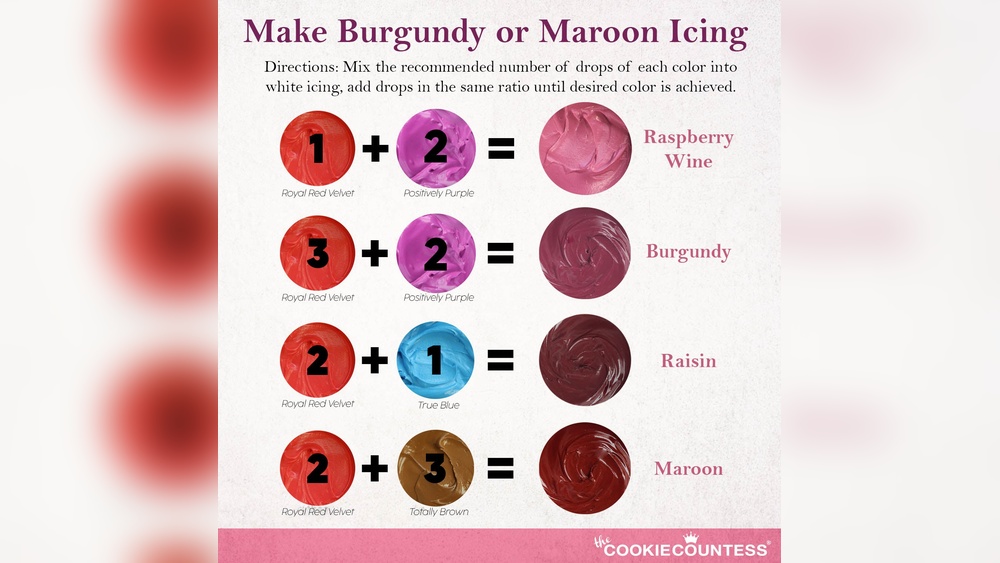
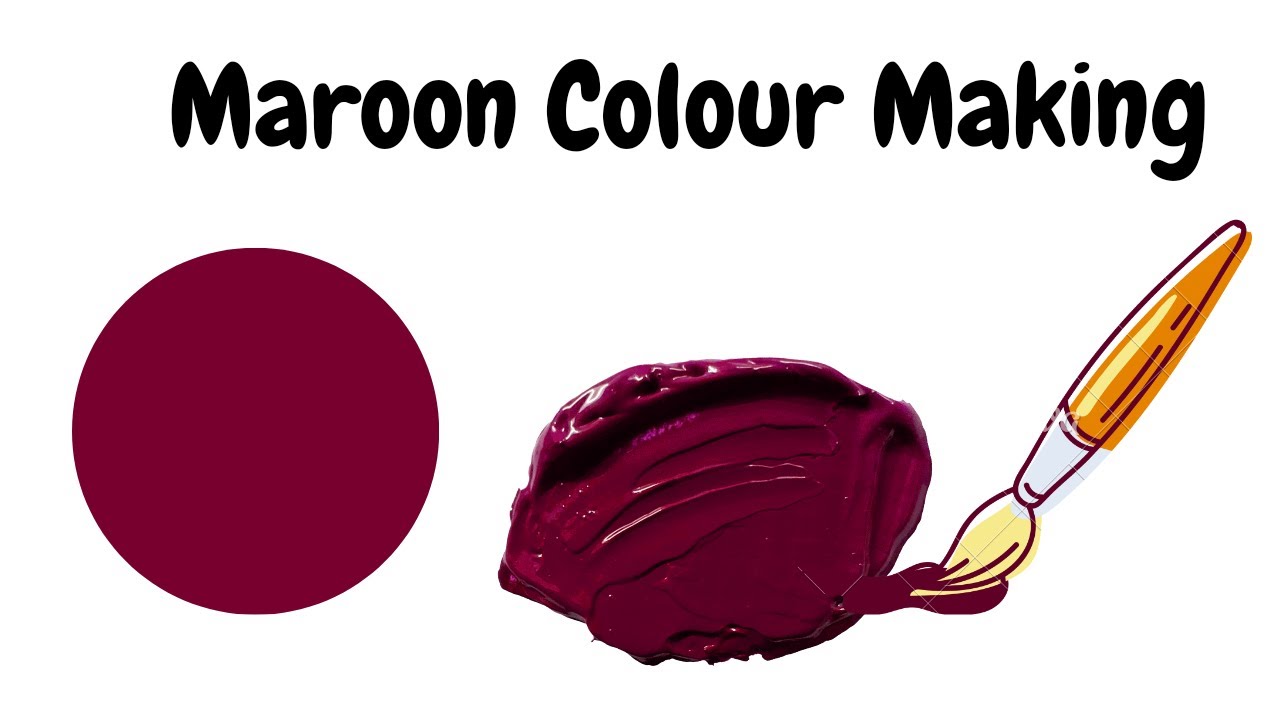
Are you looking to create the perfect maroon color for your next project? Whether you’re painting, designing, or crafting, knowing how to make maroon can add a rich, elegant touch to your work.
Maroon isn’t just a simple shade of red—it’s a deep, warm color that can transform your palette. In this guide, you’ll discover easy steps to mix maroon using basic colors you probably already have. You’ll learn how to balance reds, blues, and browns to get that ideal maroon tone every time.
Ready to master this beautiful color and impress with your creativity? Keep reading to find out how to make maroon like a pro!
Credit: www.youtube.com
Basic Colors For Maroon
Maroon is a deep, rich color that blends warmth and darkness. The key to making maroon lies in selecting the right basic colors. These colors form the foundation and help achieve the perfect shade.
Understanding the basic colors for maroon makes mixing easier. Each color affects the final tone and depth of maroon. Knowing their roles helps you create maroon that suits your needs.
Red: The Primary Base
Red is the main color in maroon. It provides the bright and vivid base. Start with a strong red to get a rich maroon. Without red, maroon cannot exist.
Blue: Adding Darkness
Blue darkens the red and adds coolness. It shifts the bright red towards a deeper shade. Adding blue slowly is important to avoid turning the color purple.
Yellow Or Brown: Creating Warmth
Yellow or brown adds warmth and earthiness. They soften the coolness from blue. Brown especially helps bring out the classic brownish-red tone of maroon.
Black: Enhancing Depth
Black deepens the color and increases the richness. Use a tiny amount to avoid making the color too dark. Black gives maroon its signature deep, bold look.
Start With A Red Base
Creating maroon starts with choosing the right red shade. A strong red base sets the tone for the final color. Use a pure, vibrant red as your starting point. This gives you a bright and clear foundation to work from.
Red is the main color in maroon. It needs to be rich and noticeable. From there, you can add other colors to darken and deepen the shade. The red base will keep the maroon warm and lively.
Choose A Bright Red
Select a red that is bright and clear. Avoid reds that lean too orange or pink. A classic primary red works best. This ensures that your maroon will not become muddy or dull.
Prepare Your Paint Or Mix
Use a clean palette or mixing tray. Place your red paint or pigment in the center. This makes it easier to add other colors bit by bit. Keep your red ready for mixing with darker shades.
Add Blue To Darken
Mix a small amount of blue into your red base. Blue lowers the brightness and creates a deeper tone. Add blue slowly to avoid making the color too purple. The goal is a dark red, not violet.
Adjust With Brown Or Yellow
Introduce a touch of brown or yellow next. Brown adds warmth and earthiness to maroon. Yellow can help soften the mix and add richness. Use these colors sparingly to keep balance in the shade.
Use Black For Depth
Adding a tiny bit of black paint can deepen maroon further. Be cautious with black; too much can turn the color gray. A few drops give maroon a rich, shadowed effect. Mix well for an even color.
Adding Blue For Depth
Adding blue to your red base creates a richer, deeper maroon color. Blue tones help darken red without making it look black or dull. This step brings balance and depth to the shade, making maroon more vibrant and complex.
Blue also cools down the warm red, creating a smooth transition to maroon. The right amount of blue gives the color a sophisticated, elegant look. Small adjustments can change the mood of your maroon, from bold to subtle.
Choosing The Right Blue Shade
Use a cool blue like ultramarine or cobalt for a clean blend. These blues mix well with red and keep the color bright. Avoid greenish or teal blues, which can muddy the color. Test on a small area to see how the blue affects your red.
Mixing Blue And Red Properly
Start with a red base and add blue little by little. Mix thoroughly after each addition to check the color. A tiny amount of blue goes a long way. Stop adding blue once you see a dark, rich tone forming.
Balancing With Other Colors
After adding blue, add a touch of yellow or brown to warm the maroon. This step prevents the color from looking too cold or dull. A small amount of black can add extra depth if needed. Always add these colors slowly to avoid over-darkening.
Credit: www.youtube.com
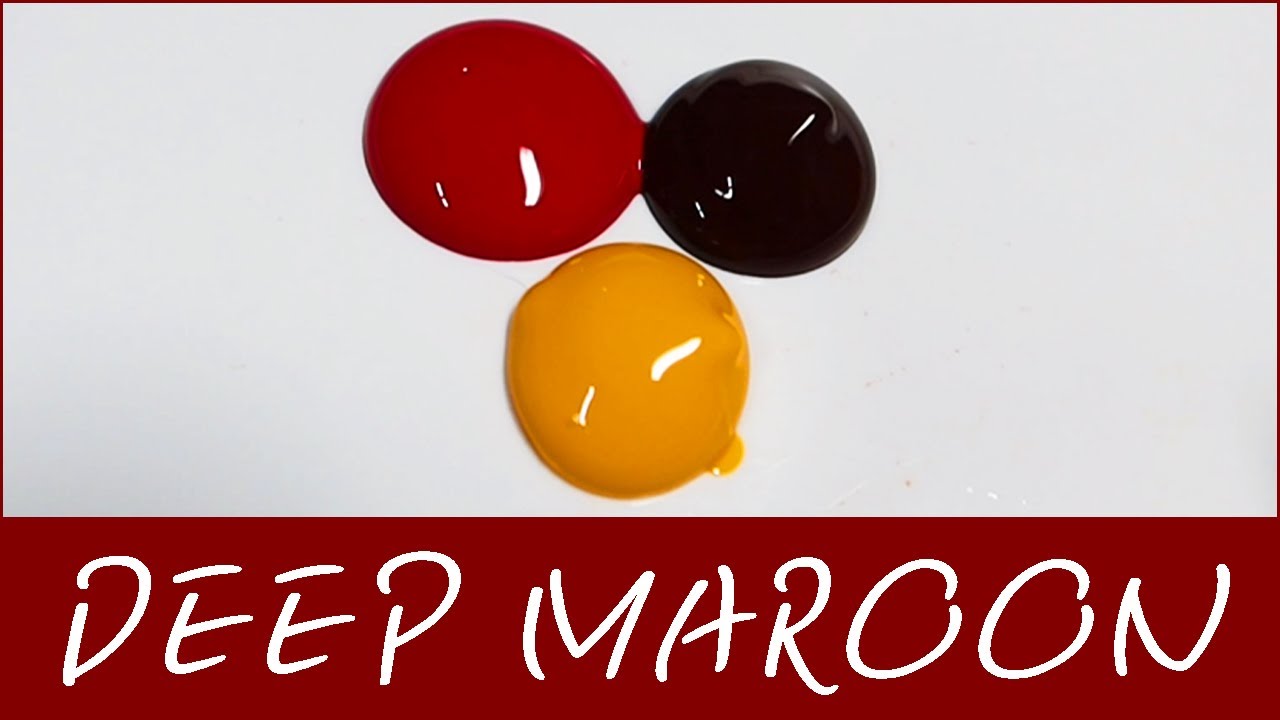
Using Yellow Or Brown For Warmth
Using yellow or brown can add warmth to your maroon color mix. Both colors shift maroon from a cool tone to a richer, warmer shade. This warmth makes the color feel inviting and natural. Small changes in yellow or brown amounts can create different maroon shades.
Adding Yellow For A Warm Maroon
Start with a red and blue mix to create the base maroon. Add yellow in tiny amounts to warm the color. Yellow shifts maroon towards a warmer, brownish-red. Be careful not to add too much yellow. Too much can make the color look muddy or orange.
Using Brown To Deepen Warmth
Brown adds depth and warmth to maroon without changing brightness. Mix a small amount of brown into your red-blue base. This creates a cozy, earthy maroon shade. Brown tones make maroon look richer and more natural. Adjust slowly to avoid overpowering the red.
Choosing Between Yellow And Brown
Yellow lightens and warms maroon with a golden touch. Brown deepens warmth and adds softness. Use yellow for brighter, warmer maroon tones. Choose brown for darker, muted maroon shades. Experiment with both to find your perfect warm maroon color.
Incorporating Black To Darken
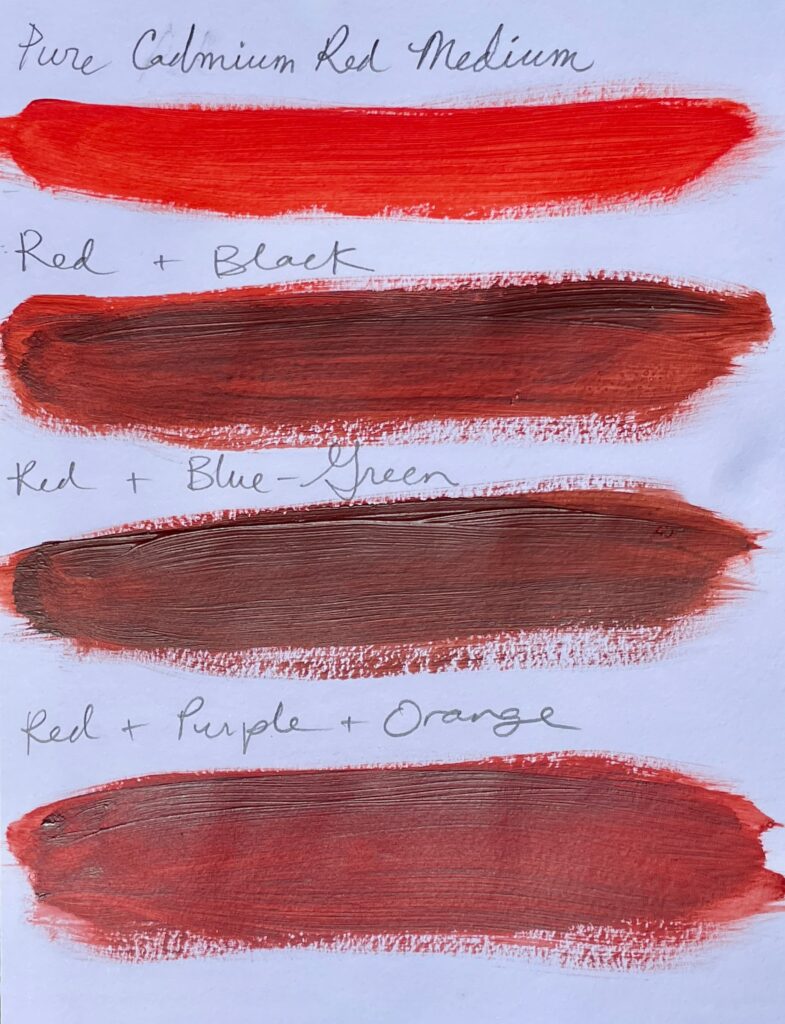
Incorporating black to darken is a key step in making the perfect maroon color. Black adds depth and richness to the mix. It helps turn bright red shades into deep, dark maroon tones. Use black carefully. A little goes a long way. Too much black can make the color muddy or dull. Always add black in small amounts and blend well. This way, you keep the color vibrant and balanced.
Choosing The Right Black
Select a true black paint or pigment. Avoid blacks with strong blue or green undertones. These can change the final maroon shade. A neutral black keeps the color warm and natural. You want the black to enhance red, not overpower it.
How To Add Black Gradually
Start with your red base color. Mix in a small dot of black. Stir the mix thoroughly. Check the color after each addition. Add more black slowly until the color darkens to maroon. Patience is important. Adding too much black at once makes fixing mistakes hard.
Mixing Tips For Smooth Color
Use a palette knife or brush for mixing. This ensures even color blending. Avoid mixing with fingers to prevent uneven color. Mix on a white palette. White helps see the true shade clearly. Keep mixing until the color looks smooth and consistent.
Testing The Maroon Shade
Test your maroon on a scrap surface. Let it dry if using paint. Colors often change slightly when dry. Adjust black or red if the color is too dark or light. Keep testing and adjusting until you get the desired maroon shade.
Mixing Red And Brown Directly
Mixing red and brown directly is a simple way to create maroon color. This method uses two common colors to achieve a rich, deep shade. It works well for painting, crafts, and design projects that need a warm, dark red tone.
Start with a bright red base. Then add brown slowly. Mix the colors well to see the true shade. Adjust the amount of brown to get the desired depth. More brown makes the maroon darker and earthier.
Choosing The Right Shades Of Red And Brown
Select a pure red like crimson or scarlet. Choose a brown that is warm, such as burnt sienna or chocolate brown. Cool browns may dull the red and change the tone. Warm browns keep the maroon vibrant and rich.
Step-by-step Mixing Process
Place some red paint or pigment on a palette. Add a small amount of brown next to it. Use a brush or mixing tool to blend the two colors. Mix thoroughly until smooth and even. Test the color on paper or a surface before final use.
Adjusting The Maroon Shade
Add more red to brighten the maroon if it looks too dark. Add more brown to deepen the color for a richer look. For a cooler maroon, add a tiny touch of blue. For a warmer maroon, add a small amount of yellow or orange.
Adding too much brown can make the color muddy. Not mixing enough results in uneven shades. Using dull or grayish browns can make the maroon look lifeless. Always add brown slowly and test the color often.
Adjusting Ratios For Desired Shade
Mixing acrylic paint to create the perfect maroon color requires some simple tips. These tips help you get a rich, deep shade. Acrylics dry fast, so work carefully and in small amounts. Understanding how colors interact is key to mixing maroon accurately.
Use Primary Colors As Your Base
Start with red as your main color. Add blue slowly to darken the red. Mix gently to avoid making the color too purple. Adding a little yellow or brown warms up the shade. This process creates a natural maroon tone.
Mix Small Amounts First
Always mix paint in small batches. This saves paint and lets you test the color. Adjust the mix bit by bit. It is easier to add paint than to fix a color that is too dark or light.
Add Black Sparingly
Black paint can deepen maroon but use it lightly. Too much black makes the color dull or muddy. Mix a tiny drop of black at a time. Stop when you reach the desired depth.
Test On A Palette Or Paper
Try your mixed color on a palette or scrap paper. Acrylic paint dries darker than when wet. Wait for it to dry before deciding if the color is right. This step avoids mistakes in your artwork.
Keep Your Paints Fresh
Use fresh, good quality acrylic paints. Old or thickened paint may not mix well. Clean your brushes between colors to avoid unwanted color shifts. Fresh paint gives a smooth, even maroon color.
Tips For Acrylic Paint Mixing
Making maroon color can be tricky. Many beginners make mistakes that ruin the shade. Avoiding these errors helps achieve a perfect maroon every time.
Understanding common pitfalls saves time and frustration. It also improves your color mixing skills.
Using Too Much Black
Adding black darkens the red, but too much makes the color muddy. Use black sparingly to keep maroon rich and vibrant. Start with a little and add more if needed.
Skipping The Blue Base
Maroon needs a blue base to get its deep red tone. Using only red and brown creates a dull color. Mix red with a bit of blue first for the right depth.
Ignoring Yellow Or Brown Adjustments
Yellow or brown adds warmth to maroon. Without these, the color may look flat or too cold. Add small amounts slowly and check the shade as you mix.
Mixing Colors In Large Amounts
Mixing large batches wastes paint if the color is off. Start with small amounts to test your mix. Adjust colors carefully before making more.
Not Testing The Color In Different Lights
Maroon looks different under various lights. Test your color in natural and artificial light. This helps ensure the shade fits your needs.
Common Mistakes To Avoid
Testing and refining your maroon color is a key step to get the perfect shade. The exact maroon you want depends on how you mix and balance colors. Small changes can make a big difference in tone and depth. Take your time to test your mix on different surfaces and lighting. This helps you see the true color and adjust it as needed.
Start by mixing red and blue to create a base. Add tiny amounts of yellow or brown to warm the color. Use a little black to deepen the tone but add it slowly. Test your mix by painting a small patch and let it dry. Observe the dried color since it can change slightly from when it is wet.
Testing Your Initial Maroon Mix
Mix a small batch first before making a large amount. Paint a swatch on white paper or canvas. Let it dry fully to see the real color. Check your mix in natural light for accuracy. Note if the maroon looks too bright or too dark. Write down the amounts of each color you used for future reference.
Adjusting Color Balance For Desired Shade
Add small drops of blue to cool the red base. Use yellow or brown to give a warmer tone. Add black carefully to darken without losing richness. Mix well and test again on a new swatch. Repeat this process until the shade matches your vision. Avoid adding too much of any color at once.
Refining Maroon For Different Materials
Test your maroon on the material you will use it on. Fabric, paper, or walls can show color differently. Paint or dye a sample area and let it dry fully. Check the color under different lighting conditions. Adjust your mix as needed for the best match. Keep notes of each adjustment for future use.
Credit: santafepaintingworkshops.com
Frequently Asked Questions
What Colors Do You Mix To Make Maroon?
Mix red and blue to create a dark base. Add a small amount of yellow or brown for warmth. Use black for depth. Adjust ratios until you get the desired maroon shade.
What Is The Color Combination For Maroon?
Maroon combines red and blue, with small amounts of yellow or brown for warmth. Adding black deepens the shade.
What Colors Do I Need To Mix To Make Burgundy?
Mix red and blue to create a dark base. Add yellow or brown for warmth, or black for depth. Adjust ratios to perfect burgundy.
What Makes A Maroon?
Maroon forms by mixing red with a small amount of blue or black for depth. Add yellow or brown for warmth. Adjust ratios to achieve a rich, dark reddish-brown shade.
What Colors Do You Mix To Make Maroon?
Mix red and blue first. Add a little yellow or brown for warmth. Use black for depth.
Can Maroon Be Made By Mixing Red And Brown?
Yes, combining red and brown creates maroon’s deep reddish-brown shade.
How Much Black Should I Add To Make Maroon?
Add black sparingly. Too much makes the color too dark.
Is Maroon The Same As Burgundy?
No, maroon is browner. Burgundy has more purple tones.
What Is The Easiest Way To Make Maroon Paint?
Start with red paint, add blue slowly, then mix in brown.
Can I Use Maroon Color In Home Decor?
Yes, maroon adds warmth and elegance to rooms and furniture.
Conclusion
Creating maroon color is simple with the right mix. Start with red, add blue to darken. Use a bit of yellow or brown for warmth. A small touch of black can add depth. Experiment with amounts to find your perfect shade.
Enjoy crafting this rich, beautiful color for your projects. Keep practicing to get consistent results every time.