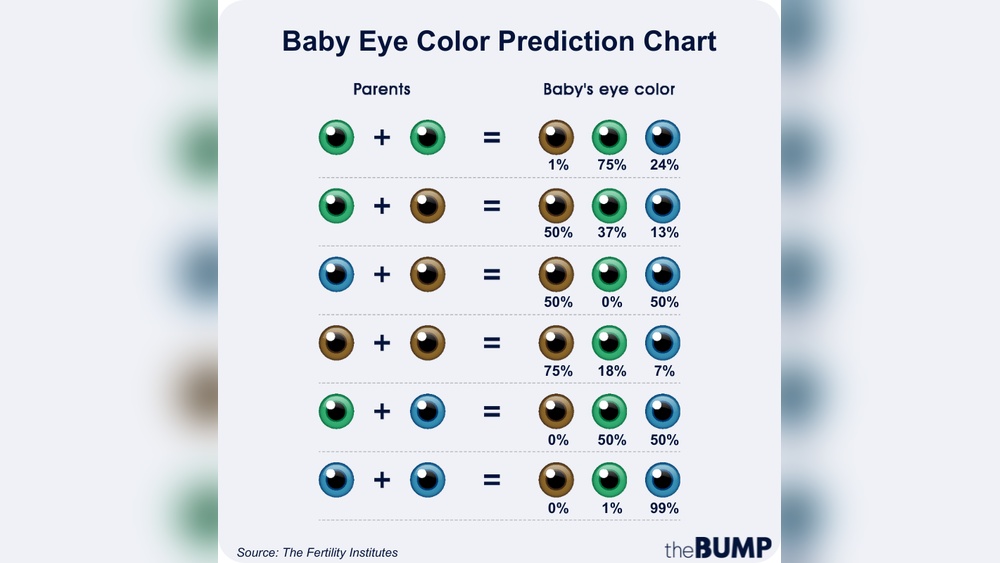
Are you curious about when your baby’s eye color will settle into that beautiful shade you’ll see for years to come? It’s a question many parents ask as they watch their little one grow.
Right now, your baby’s eyes might look blue, gray, or even hazel, but those colors can change—and sometimes quite a bit—during the first months and years of life. Understanding why and when this happens can help ease your curiosity and keep you excited about each stage.
You’ll discover exactly when baby eye color changes, what causes those changes, and how to know what color your baby’s eyes might end up being. Ready to learn the fascinating story behind your baby’s eyes? Keep reading!
Baby Eye Color At Birth
Baby eye color at birth often surprises many parents. Most newborns appear to have blue or gray eyes initially. This happens because melanin, the pigment that gives color to eyes, skin, and hair, is not fully active yet.
The color you see at birth is not usually the final eye color. Changes take place as melanin starts to develop in the iris. This process can last several months or even years.
Initial Color Of Newborn Eyes
Many babies, especially those with lighter skin, are born with blue or gray eyes. The reason is simple. Melanocytes, cells that make melanin, have not started producing much pigment. So, the iris looks pale or blue.
Melanin Production And Eye Color
Melanin begins to build up in the iris after birth. This pigment darkens the eye color. The more melanin, the darker the eyes. Brown eyes have the most melanin, while blue eyes have the least.
How Eye Color Changes Over Time
Eye color changes slowly during the first year. The iris collects more melanin gradually. Parents might notice their baby’s eyes shift from blue to green, hazel, or brown. These changes happen because melanin levels increase.
When Does Baby Eye Color Settle?
Most babies have their permanent eye color by about one year old. Some subtle changes can continue until age six. By then, melanin production stabilizes, and eye color stays the same for life.

Credit: www.golfsouthayrshire.com
Melanin And Eye Color
Babies often start with blue or gray eyes due to low melanin in the iris. Eye color usually changes as melanin increases over several months. Most babies’ eye color settles by their first birthday, but slight changes can happen until age six.
What Is Melanin?
Melanin is a natural pigment found in the body. It gives color to skin, hair, and eyes. In the eyes, melanin is in the iris, the colored part around the pupil.
The more melanin in the iris, the darker the eye color will be. Less melanin means lighter eyes like blue or green. The amount of melanin is decided by genes inherited from parents.
How Melanin Affects Baby Eye Color
Babies often have blue or gray eyes at birth. Their melanocytes, cells that make melanin, are still waking up. Over the first months, melanocytes start producing more melanin.
As melanin builds up, the eye color can change from blue to green, hazel, or brown. This change happens because the iris gains more pigment and absorbs light differently.
When Does Melanin Production Change Eye Color?
Most babies’ eye color changes during their first year. By about six to twelve months, melanin levels rise and eye color becomes more stable. Some eyes can keep changing slightly until age six.
Eye color change happens slowly and gently. It is normal for color to shift in the first months. The final eye color depends on the total melanin in the iris.
Timeline For Eye Color Changes
Babies’ eye color often changes during their first year. This happens as melanin, a pigment, builds up in the iris. Melanin controls the shade of the eyes. The timeline for these changes varies for each baby. Some eyes change color quickly. Others take many months. Knowing the stages helps parents understand this natural process.
Eye color changes start soon after birth and can continue for years. Most babies show their permanent eye color by age one. Some subtle changes may happen until age six. This timeline depends on genetics and melanin levels in the eyes.
Initial Eye Color At Birth
Many newborns have blue or gray eyes. This happens because melanin is low at birth. The iris is still developing. Babies with lighter skin often have blue eyes at first. Babies with darker skin may show darker eyes from the start.
Melanin Production And Eye Color Change
Melanocytes start producing more melanin after birth. This pigment darkens the iris. As melanin increases, eye color shifts from blue to green, hazel, or brown. The process may take several months to complete. The rate of melanin growth varies by child.
Gradual Changes Over The First Year
Eye color changes slowly and subtly during the first year. Parents may notice the color deepening or shifting tone. Changes can happen unevenly, with one eye changing faster. By 6 to 12 months, the eyes usually show their main color.
Final Eye Color By Age One To Six
Most children’s eye color settles by age one. Some continue to experience minor changes until age six. These small changes do not affect the overall color much. Genetics play a key role in the final eye shade.
Credit: www.pampers.com
Common Eye Colors In Newborns
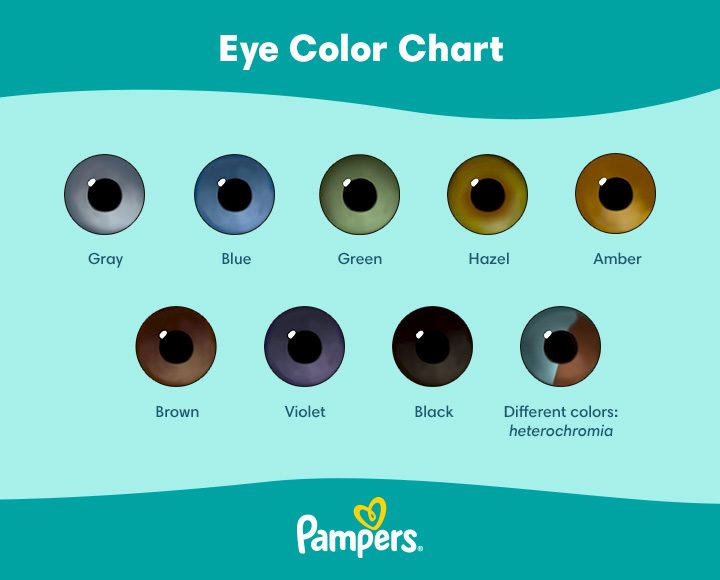
Newborns often show a variety of eye colors right after birth. These colors can be surprising to parents. The color depends on melanin levels in the iris. Melanin is a pigment that gives color to the eyes, skin, and hair.
Most babies are born with light-colored eyes. This happens because melanin is not fully active yet. Over time, melanin increases and changes the eye color. The final eye color usually appears within the first year.
Blue Eyes
Blue is the most common eye color in newborns. Many babies have blue or gray eyes at birth. This color happens due to low melanin in the iris. The blue shade can change as melanin builds up.
Brown Eyes
Brown eyes are rich in melanin. Babies with brown eyes often have darker skin tones. Sometimes, brown eyes appear darker soon after birth. The shade may deepen as melanin develops.
Green And Hazel Eyes
Green and hazel eyes are less common in newborns. These colors appear when melanin levels are moderate. Hazel eyes often have a mix of brown and green tones. They can shift in shade during the first year.
Gray Eyes
Gray eyes look similar to blue but with a silver tint. This color results from very low melanin and light scattering. Gray eyes may darken or change to blue or green over time.
Genetics Behind Eye Color
Eye color is a trait passed from parents to children through genes. Genes carry instructions that control the amount and type of pigment in the iris. The iris is the colored part of the eye. Pigment gives eyes their color, ranging from blue to green to brown.
Different genes work together to decide eye color. Some genes control how much melanin the iris makes. Melanin is the pigment that gives color to skin, hair, and eyes. More melanin usually means darker eye color. Less melanin means lighter eyes.
How Genes Control Eye Color
Many genes affect eye color, but two are the most important. These genes influence melanin production in the iris. One gene controls brown and blue eyes. Brown is dominant, and blue is recessive. This means a child usually inherits brown eyes if one parent has brown eyes.
Other genes add variations like green or hazel. They work by changing melanin levels or the way light reflects from the eye. This creates many possible eye colors.
Why Baby Eyes Change Color
Babies often have blue or gray eyes at birth. This happens because melanin is not fully made yet. Over months, melanocytes start producing melanin in the iris. This causes the eye color to change and become darker or more vibrant.
The final eye color depends on the child’s genes and melanin amount. Changes usually slow down after 6 to 12 months but can continue until age six.
Role Of Melanin In Eye Color
Melanin is key to eye color changes in babies. It absorbs light and gives color to the iris. More melanin means darker eyes like brown or black. Less melanin leads to lighter eyes like blue or green.
The amount of melanin depends on genetic instructions. These signals tell melanocytes how much pigment to produce. This process shapes the unique eye color of each child.
Factors Influencing Eye Color Shift
Eye color in babies often changes during the first year of life. This change depends on several important factors. Understanding these helps parents know why and when their baby’s eyes might shift color.
The main cause of eye color change is the amount of melanin in the iris. Melanin is the pigment that gives eyes their color. The more melanin, the darker the eye color becomes.
Melanin Production In The Iris
Babies are often born with light-colored eyes. This is because melanocytes, the cells that make melanin, are not fully active yet. Over time, these cells produce more melanin. The iris collects this pigment, causing the eye color to darken or change.
Genetic Influence
Genes inherited from parents play a big role. Some genes control how much melanin the iris produces. Others affect the shade and pattern of eye color. This explains why siblings can have different eye colors.
Age And Development
Eye color usually starts to change around 3 months old. The shift continues gradually over the first year. Most babies have their permanent eye color by age one. Some subtle changes can last until age six.
Environmental Factors
Light exposure may also impact eye color. Bright light can stimulate melanin production. This sometimes causes slight darkening of the iris. However, environmental effects are minor compared to genetics and melanin.
Health Conditions
Certain medical conditions can affect eye color. For example, albinism causes very little melanin, resulting in very light eyes. Heterochromia leads to different colored eyes in the same person. If eye color changes suddenly, see a doctor.
When Eye Color Settles Permanently
Babies often arrive with eye colors that are soft and light. These colors do not show their true shade yet. Eye color depends on melanin, a pigment in the iris. Melanin builds up slowly after birth, changing the eye color over time.
Most babies’ eye colors start to settle during their first year. The color becomes clearer as melanin increases. The final eye color may not be fully visible until a few years later. Some children’s eyes keep shifting slightly until age six.
How Long Does It Take For Eye Color To Settle?
Eye color usually begins to stabilize by 6 to 12 months. Many babies show their permanent color around their first birthday. Some may take longer, up to three years. Rarely, eye color changes can happen even later.
Factors Affecting Permanent Eye Color
Genes play a major role in eye color. Melanin levels in the iris decide the shade. More melanin means darker eyes like brown or hazel. Less melanin results in blue or green eyes. Environmental factors do not change eye color.
Signs Your Baby’s Eye Color Has Settled
Eyes look the same over several months. The shade no longer changes in different light. Both eyes are the same color or show consistent shades. The iris pattern appears stable and clear.
Rare Eye Color Conditions
Rare eye color conditions in babies are unusual but important to know. These conditions affect how the iris looks and may cause permanent differences in eye color. They often result from genetic factors or changes in melanin production.
Understanding these rare conditions helps parents recognize when a baby’s eye color change is normal or when to seek medical advice. Some conditions can also affect vision and require early care.
Heterochromia
Heterochromia means a baby has two different colored eyes. Sometimes, one eye may have two colors. This condition happens due to variations in melanin levels. It can be inherited or caused by injury or illness.
Albinism
Albinism is a condition where the body produces little or no melanin. Babies with albinism often have very light blue or pinkish eyes. Their iris may look translucent because of low pigment. Albinism also affects skin and hair color.
Waardenburg Syndrome
This genetic disorder causes unusual eye colors, like bright blue eyes in one or both eyes. It may also cause hearing loss. Babies with Waardenburg syndrome often have patches of white hair or skin.
Aniridia
Aniridia means the iris is partially or completely missing. Babies with this condition have very large pupils or no visible iris color. It can cause vision problems and needs early medical care.
Signs To Consult An Eye Doctor
Watching a baby’s eye color change can be a joyful experience. Most changes are normal and harmless. Sometimes, unusual signs may point to eye problems. Early detection can help protect your child’s vision. Knowing when to see an eye doctor is important for your baby’s eye health.
Unusual Eye Color Changes
Normally, eye color changes happen gradually. Sudden shifts or patches of different colors need attention. If one eye changes while the other stays the same, consult a doctor. This condition, called heterochromia, can sometimes signal health issues.
White Or Gray Pupils
Babies’ pupils are usually black. A white or gray pupil can suggest serious problems. This may indicate cataracts or other eye conditions. Immediate medical advice is necessary to prevent vision loss.
Constant Eye Redness Or Swelling
Redness or swelling in a baby’s eye can mean infection or injury. If it lasts more than a few days, get an eye exam. Persistent redness can harm the eye if untreated.
Excessive Tearing Or Discharge
Some tearing is normal in newborns. Too much tearing or thick discharge is a sign to check with a doctor. It could be an infection or blocked tear duct.
Poor Eye Movement Or Tracking
Babies should follow moving objects with their eyes. Difficulty tracking or crossed eyes need evaluation. Early treatment can help correct vision problems.
Tips For Tracking Your Baby’s Eye Color
Tracking your baby’s eye color can be a fun and exciting experience. Many parents enjoy watching the subtle changes as their baby grows. Eye color often shifts during the first year of life. Keeping a simple record helps you notice these changes clearly. This section offers easy tips to track your baby’s eye color over time.
Keep A Photo Journal
Take photos of your baby’s eyes regularly. Use natural light for the most accurate color. Try to photograph your baby’s eyes every month. This helps you compare eye colors over time. Avoid using flash, which can distort colors. Store photos in a dedicated album or folder. This visual record shows subtle color changes clearly.
Note The Lighting Conditions
Eye color can look different in various lights. Observe your baby’s eyes in both indoor and outdoor light. Morning light and evening light may also change the appearance. Write down the type of light when you observe the eyes. This helps you understand how lighting affects eye color. Avoid drawing conclusions from a single observation.
Observe Eye Color During Calm Moments
Babies’ eyes may appear different when they are tired or crying. Look at their eyes when they are calm and relaxed. The natural eye color shows best in a peaceful state. Avoid checking eye color during fussiness or sleepiness. These moments give a clearer view of their true color.
Compare Both Eyes
Sometimes, each eye can have a slightly different color. Check both eyes carefully during each observation. Note any differences between the left and right eye. This can help identify conditions like heterochromia. Tracking both eyes provides a fuller picture of your baby’s eye color journey.
Use Simple Notes Or A Tracking App
Write short notes about your observations after each check. Record the date, lighting, and any changes noticed. Use a notebook or a simple app designed for baby milestones. This keeps all information organized and easy to review. Regular notes help you track gradual changes effectively.

Credit: kdfoundation.org
Frequently Asked Questions
At What Age Can You Tell Baby Eye Color?
You can usually tell a baby’s eye color by 6 to 12 months. Melanin in the iris increases, setting the permanent color. Some subtle changes may continue until age six. Genetics primarily determine final eye color.
Do All Babies Have Blue Eyes At Birth?
No, not all babies have blue eyes at birth. Many are born with brown or gray eyes. Eye color changes as melanin increases during the first year. Genetics determines the final color, which may take months or years to settle fully.
What Color Will Grey Baby Eyes Turn?
Grey baby eyes often change to blue, green, hazel, or brown as melanin develops over the first year.
When Do Babies’ Eyes Usually Start To Change Color?
Babies’ eyes often start changing color around 3 to 6 months old.
How Long Does It Take For Baby Eye Color To Settle?
Eye color usually settles between 6 months and 1 year of age.
Why Are Many Babies Born With Blue Or Gray Eyes?
Newborns often have blue or gray eyes due to low melanin levels.
What Causes A Baby’s Eye Color To Change?
Melanin builds up in the iris, changing the eye color over time.
Can A Baby’s Eye Color Keep Changing After One Year?
Yes, subtle changes can continue until the child is about 3 to 6 years old.
Is It Possible For Babies To Be Born With Their Final Eye Color?
Some babies have their permanent eye color at birth, but this is rare.
Do Genetics Affect A Baby’s Eye Color Change?
Yes, parents’ genes strongly influence the baby’s final eye color.
Conclusion
Baby eye color often changes during the first year. Melanin in the iris increases, causing this change. Most babies start with blue or gray eyes. By their first birthday, eye color usually settles. Some subtle changes can happen until age six.
Genetics play a big role in final color. Rarely, eye color changes may signal health issues. Watching your baby’s eyes grow can be exciting. Remember, patience is key as colors develop slowly. Enjoy each stage of your baby’s unique look.