Want to create that stunning gold color in your paint projects but not sure where to start? You’re in the right place.
Making gold paint isn’t about having a special pigment—it’s about mixing the right colors in the perfect balance. Whether you want a rich, classic gold or a shimmering metallic finish, understanding the simple color combinations will unlock your creativity. Keep reading, and you’ll learn easy steps to mix your own gold paint that looks professional and vibrant every time.
Your next masterpiece deserves that perfect golden touch!
Credit: trembelingart.com
Basic Colors For Gold
Creating the perfect gold color in paint starts with understanding the basic colors involved. Gold is not a single shade but a blend of warm tones. These colors form the foundation for mixing different shades of gold. Mastering these basics helps you achieve a realistic gold effect in your artwork.
Yellow
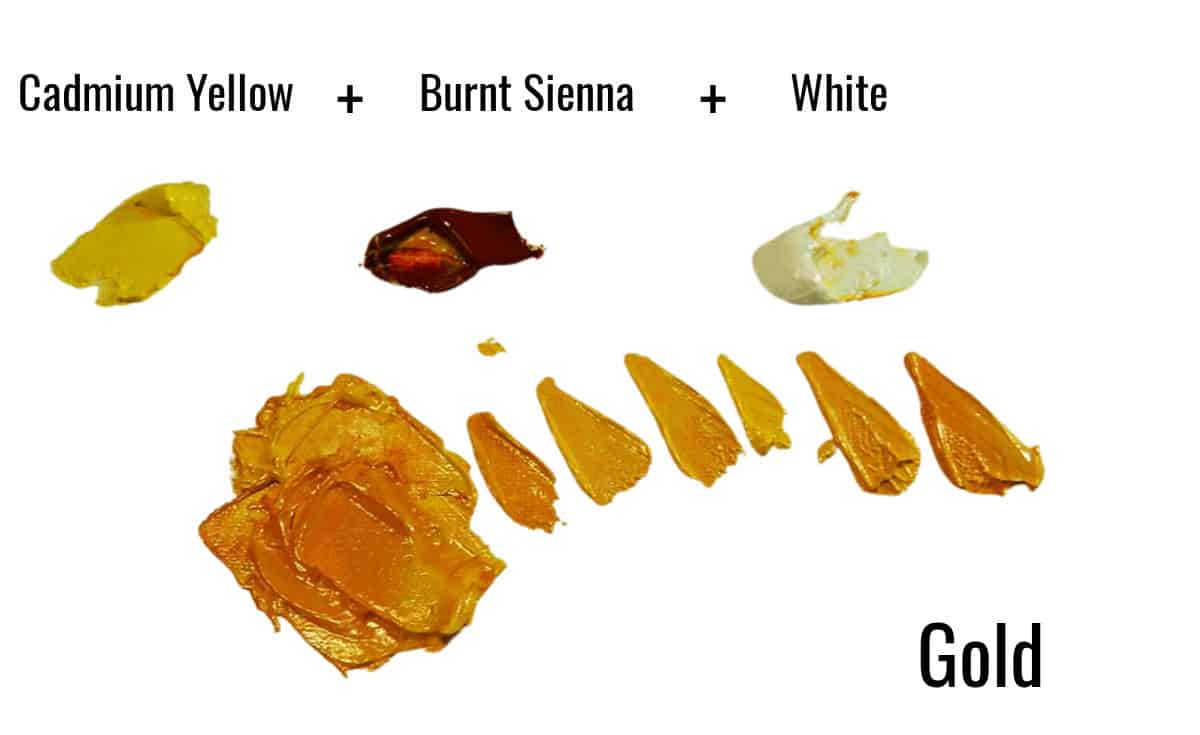
Yellow is the main color for making gold paint. It gives the bright and warm base needed for gold. Use a rich, warm yellow like cadmium yellow for best results. This color brings the gold’s natural glow and shine.
Brown
Brown adds depth and richness to gold. It darkens the yellow and makes the color look more natural. Use a warm brown like burnt sienna or raw umber. Adding brown controls how dark or muted the gold appears.
Red
Red adds warmth and a subtle glow to gold paint. A small amount of red, such as cadmium red or burnt sienna, can enrich the color. This helps create a golden tone that feels warm and lively.
White
White lightens the gold mixture. It can create softer and paler gold shades. Use white carefully to avoid washing out the gold’s warmth. Adding white is useful for highlights and lighter gold effects.
Mixing Yellow And Brown
Mixing yellow and brown paint is a simple way to create a warm gold color. Yellow gives the bright base, while brown adds depth and richness. Together, they produce a natural gold tone suitable for many painting projects.
Adjust the amount of each color to change the shade. More yellow results in a lighter, brighter gold. Adding more brown makes the gold darker and earthier. This technique works well for beginners and experienced painters alike.
Choosing The Right Yellow And Brown
Select a bright, clear yellow like cadmium or lemon yellow. For brown, use burnt sienna or raw umber for a warm tone. These colors blend smoothly and mimic gold’s natural hues effectively.
Mixing Ratios For Different Gold Shades
Start with two parts yellow to one part brown for classic gold. To get a lighter gold, increase the yellow slightly. For a deeper gold, add more brown gradually. Mix small amounts first to test the color.
Enhancing Gold With Metallic Effects
Add a small pinch of gold or bronze iridescent pigment for shine. You can also mix in fine gold glitter for sparkle. This step gives your gold paint a metallic look without special paints.
Creating Classic Gold
Classic gold is a warm, rich color that many artists want to recreate. It brings a sense of luxury and elegance to any painting. Achieving this tone requires blending specific colors carefully.
The base colors for classic gold are yellow and brown. Mixing these two in the right balance creates the perfect golden shade. This section explains how to make that blend step by step.
Choosing The Right Yellow And Brown
Start with a bright yellow like cadmium yellow. This shade is vibrant and strong. For brown, use burnt sienna or raw umber. These browns add warmth without making the gold too dark.
Using quality paints helps the colors blend smoothly. Cheap paints may not give the true gold effect.
Mixing The Colors
Mix two parts yellow with one part brown. This ratio creates a warm, golden hue. Stir the paints slowly to avoid lumps. Test the color on a scrap paper before painting.
If the gold looks too dark, add more yellow. For a deeper gold, add more brown. Adjust the ratio until you find the perfect shade.
Enhancing The Gold Effect
To make the gold shine, add a small amount of iridescent pigment or gold glitter. Mix it gently into the paint. This gives the paint a metallic look without using real gold paint.
Use this enhanced gold for highlights or details. It adds depth and realism to your artwork.
Adjusting Gold Shades
Adjusting gold shades allows you to create a unique look for your paint project. Gold is not just one color. It has many tones and depths. You can make gold appear warm, cool, bright, or muted by changing its shade. This section explains simple ways to adjust your gold paint to suit your needs.
Adding More Yellow For Brighter Gold
Start with a base of yellow paint. Mix in a small amount of brown to get a basic gold tone. To make the gold brighter, add more yellow. This creates a lively and warm gold shade. Keep the mixture smooth for an even color.
Using Brown To Darken Gold
Add brown paint slowly to your yellow base. This deepens the gold shade. Darker gold looks rich and classic. Avoid adding too much brown at once. Mix well and check the color often. Stop when you reach your desired shade.
Incorporating Metallic Pigments
To make the gold look metallic, add gold or bronze pigments. These can be powders or special metallic paints. Stir them into the yellow and brown mix carefully. Metallic pigments give a shiny, reflective finish. Use just a small amount to avoid dullness.
Adjusting Warm And Cool Tones
For a warmer gold, add a hint of red or orange. This gives the paint a glowing effect. For a cooler gold, mix in a tiny bit of blue or green. Cool tones make the gold look subtle and soft. Always add these colors in very small amounts.
Adding Metallic Shine
Adding metallic shine is essential to give your gold paint a true, glowing effect. Plain yellow and brown mixes can look flat without shine. Metallic pigments create a reflective surface that mimics real gold. These special pigments catch light and add depth to your paint.
Using metallic shine turns simple gold tones into vibrant, eye-catching colors. It also adds a professional touch to your artwork or craft project. This section explains how to add this shine effectively.
Choosing The Right Metallic Pigment
Select pigments made for paint, such as mica powders or metallic acrylic additives. These pigments reflect light well and blend smoothly with your base colors. Avoid glitter that flakes off easily or does not mix evenly.
Mixing Metallic Pigments With Paint
Add a small amount of metallic pigment to your gold base paint. Stir gently and test the shine under light. Add more pigment gradually to increase the metallic effect. Do not add too much to avoid a chalky finish.
Using Metallic Mediums
Metallic mediums are clear liquids with metallic particles. Mix these with your paint for easy shine and smooth texture. They work well with acrylic and oil paints. Apply the mixture in thin layers for best results.
Layering For Extra Shine
Apply a base layer of gold paint first. After it dries, add a thin layer of metallic paint or medium on top. This layering boosts the metallic effect and makes your gold color more realistic. Let each layer dry fully before the next.

Credit: www.dailymotion.com
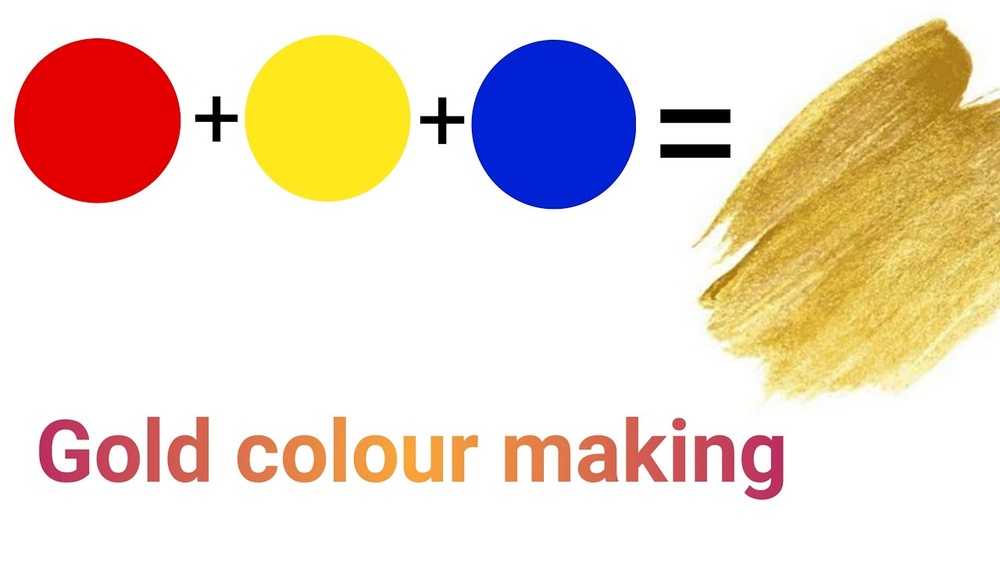
Using Primary Colors
Using primary colors to create gold paint is a simple and creative method. Primary colors are red, blue, and yellow. Mixing these three can produce many colors, including gold.
Gold is not a single color but a blend that gives a warm, shiny look. Starting with primary colors lets you control the shade and tone of your gold paint.
Start With Yellow As The Base
Yellow is the main color for gold paint. Use a bright, warm yellow for the best base. This color sets the tone for your gold.
Add Red To Warm Up The Yellow
Mix a small amount of red into the yellow. Red makes the yellow warmer and richer. Add red slowly to avoid turning the color orange.
Use Blue To Darken The Mix
Add a tiny bit of blue to the yellow and red mix. Blue helps to tone down brightness and adds depth. Be careful; too much blue can make the color look green or dull.
Adjust The Shades For Desired Gold
Change the amounts of red and blue to get different gold shades. More red creates a reddish gold, while more blue gives a cooler gold tone. Keep testing and adjusting until the gold looks right to you.
Tips For Smooth Blending
Blending colors smoothly is key to achieving a realistic gold paint effect. Smooth blending helps colors flow into each other without harsh lines. This technique creates depth and a natural shine that mimics real gold. Patience and gentle brushwork improve blending results significantly.
Use soft brushes and light strokes for blending. Work quickly while the paint is still wet. This prevents edges from drying too fast and becoming hard to blend. Layering thin coats also helps build a smooth gradient of colors.
Use A Dry Brush For Gentle Blending
A dry brush can soften edges between colors. After applying the paint, lightly drag a clean, dry brush over the wet paint. This action blends the colors without mixing them too much. It creates a subtle transition that looks natural and smooth.
Blend With A Damp Sponge
A damp sponge works well to blend paint softly. Dab the sponge gently over the paint to mix colors gradually. This technique is perfect for adding texture and a glowing effect to gold paint. Make sure the sponge is only slightly wet to avoid removing too much paint.
Work In Circular Motions
Use small circular motions to blend colors evenly. This movement helps mix paint layers smoothly. It also prevents streaks and creates a uniform gold shade. Circular blending works best with soft brushes and light pressure.
Keep Paint Thin For Easier Blending
Thin paint spreads and blends better than thick paint. Add a little water or medium to your paint to make it more fluid. Thin layers dry slower, giving you more time to blend colors seamlessly. Avoid thick blobs that are hard to smooth out.
Clean Brushes Between Colors
Cleaning brushes between colors avoids muddy results. Rinse your brush with water and dry it before switching shades. This keeps colors pure and enhances the bright, shiny look of gold paint. Clean brushes make blending clearer and sharper.
Enhancing Gold With Glitter
Adding glitter to gold paint gives it extra sparkle and shine. Glitter reflects light and makes the gold look more like real metal. This simple step lifts plain gold paint into a dazzling finish that catches the eye.
Use fine glitter for a smooth shimmer or chunky glitter for bold sparkle. Choose gold or iridescent glitter to keep the look rich. Mixing glitter into paint is easy and creates a unique effect every time.
Choosing The Right Glitter
Pick glitter that matches your gold tone. Gold glitter blends well with warm gold paints. Iridescent glitter adds a rainbow shine over the gold base. Avoid colors that clash or dull the gold effect.
How To Mix Glitter With Paint
Start with your gold paint base. Sprinkle glitter slowly into the paint. Stir gently to spread the glitter evenly. Add more glitter for stronger sparkle. Test on a scrap surface before your main project.
Applying Glitter Gold Paint
Use a smooth brush or sponge for best results. Apply thin, even layers to prevent clumps. Let the first coat dry before adding another. Multiple coats build depth and shine. Finish with a clear sealant to keep glitter in place.
Common Mistakes To Avoid
Creating the perfect gold color in paint requires careful mixing and attention to detail. Many beginners make simple errors that prevent their paint from looking truly golden. Avoiding these common mistakes ensures a vibrant and realistic gold shade. This section highlights key pitfalls to watch out for during the mixing process.
Using Only Primary Colors Without Adjustments
Mixing yellow, red, and blue alone rarely results in a true gold color. Pure primary colors produce dull or muddy tones. Adding brown or orange tones helps bring warmth and depth to the gold. Skipping this step leads to flat, unrealistic colors.
Ignoring The Balance Of Warm And Cool Tones
Gold has warm undertones that give it richness. Too much blue or cool colors can create a cold, lifeless shade. Focus on warm yellows and browns for a natural gold. Check your mix under different lights to maintain warmth.
Overusing Metallic Or Glitter Additives
Metallic pigments or glitter can enhance gold paint but using too much creates a fake or sparkly look. Add small amounts slowly, testing frequently. A subtle shimmer works best for a realistic gold effect.
Skipping Test Swatches Before Final Use
Not testing your gold mix on paper or canvas can lead to surprises. Paint can dry darker or lighter than it appears wet. Always make test swatches and adjust your mix before starting your project.
Neglecting Paint Consistency And Layering
Gold color depends on both pigment and paint thickness. Thin layers may look pale, while thick layers can appear dull. Apply multiple thin coats for depth and shine. Mix paint to a smooth, creamy consistency for best results.
Best Paint Types For Gold
Choosing the right paint type is key to achieving a vibrant gold color. Different paints offer unique finishes and textures. Some paints reflect light better, giving a metallic look. Others mix easily with pigments to create custom gold shades. Understanding paint types helps you pick the best option for your project.
Oil-based Paint
Oil-based paint has a rich texture that holds pigments well. It offers a shiny finish that mimics real gold. This paint dries slowly, allowing you to blend colors smoothly. Use it for detailed work or larger surfaces needing depth.
Acrylic Paint
Acrylic paint is water-based and dries quickly. It mixes easily with metallic powders or gold pigments. Acrylics work well on various surfaces like canvas, wood, and metal. They offer flexibility and vibrant color options for gold effects.
Metallic Paint
Metallic paints contain tiny reflective particles. These particles create a sparkling, shiny gold finish. They are available in both oil and acrylic forms. Use metallic paint for a true gold shine on crafts and decorations.
Spray Paint
Spray paint offers an even, smooth gold finish. It is easy to apply on large or uneven surfaces. Spray paints often come in metallic gold shades. They dry fast and give a professional look with minimal effort.
Enamel Paint
Enamel paint is durable and glossy. It is perfect for items that need a hard, shiny surface. This paint type resists scratches and weather, making it ideal for outdoor projects. Enamel gold paints maintain their shine over time.

Credit: www.youtube.com
Frequently Asked Questions
What Two Colors Make Gold?
Yellow and brown are the two main colors that combine to create gold. Adjust ratios for different gold shades.
Can Yellow And Green Make Gold?
Yellow and green do not create gold. Mix yellow with brown for gold shades. Add red or iridescent pigment for richness.
How To Make Real Gold Paint?
Mix yellow and brown paint in a 2:1 ratio to create gold. Add iridescent pigment or glitter for a metallic finish. Adjust with red, blue, or white to fine-tune the shade.
What Colors Are Used To Make Gold?
Gold color is made by mixing yellow and brown. Adding red, blue, or white adjusts the shade. For metallic gold, include gold glitter or iridescent pigment.
What Colors Do I Need To Make Gold Paint?
You need yellow and brown paint as the base colors to create gold paint.
How Can I Make Metallic Gold Paint At Home?
Mix yellow and brown paint, then add gold glitter or iridescent pigment.
What Is The Best Ratio For Classic Gold Paint?
Use two parts yellow paint to one part brown paint for classic gold.
How To Make A Lighter Shade Of Gold Paint?
Increase the amount of yellow paint and reduce brown paint for lighter gold.
Can I Use Primary Colors To Create Gold Paint?
Yes, mix red, yellow, and blue in small amounts to achieve a gold tone.
How Do I Add Shine To Homemade Gold Paint?
Add a pinch of gold glitter or pearlescent pigment for extra shine.
Conclusion
Creating gold paint is simple with the right color mix. Start with yellow and brown as your base. Adjust the shades by adding small amounts of red, blue, or white. For a metallic shine, include a bit of gold pigment or glitter.
Experiment with ratios until you find the perfect gold tone. Enjoy making your paint projects more vibrant and rich. This easy method works well for acrylic, watercolor, or craft paints. Keep practicing, and your gold color will look just right every time.