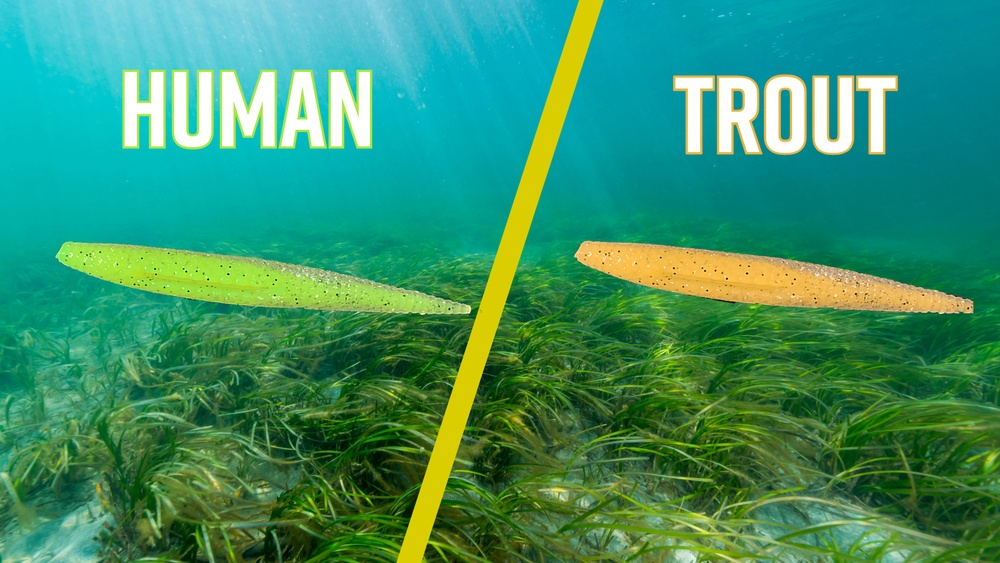
Have you ever wondered if fish can actually see the colors of the lures you use or the vibrant underwater world around them? Understanding whether fish see color—and how they perceive it—can completely change the way you approach fishing or simply appreciate aquatic life.
Imagine knowing exactly which colors catch a fish’s eye or why some hues disappear as you dive deeper. You’ll discover the surprising truth about fish vision, how water affects color perception, and what this means for your next fishing trip or underwater exploration.
Get ready to see the underwater world through a fish’s eyes!
Fish Eye Anatomy
Fish eyes have special cells to detect light and color underwater. Many fish can see some colors, but not all. Water depth and clarity affect which colors fish notice best.
Fish eyes are built differently than human eyes. Their shape and structure help them see underwater.
The fish eye is usually round and large compared to its head. This design improves vision in water.
The Cornea And Lens
The cornea is the outer layer of the eye. It protects the eye and helps focus light.
Unlike humans, fish corneas are less curved. Water bends light differently than air.
The lens in fish eyes is more spherical. This shape lets fish focus light sharply underwater.
Retina And Photoreceptors
The retina lines the back of the eye. It contains cells that detect light and color.
Fish retinas have rods and cones. Rods detect light intensity, cones detect colors.
The number and type of cones vary by species. This affects what colors fish can see.
Pupil And Iris
The pupil controls how much light enters the eye. It adjusts size to bright or dark environments.
The iris surrounds the pupil and changes its size. This helps fish adapt to different light conditions.
Adaptations For Underwater Vision
Fish eyes adjust to the way light moves in water. Water absorbs and scatters light differently than air.
Many fish have eyes that help them see in dim or murky water. This improves hunting and avoiding predators.
Some fish see ultraviolet light or polarized light. These abilities give them an advantage in their environment.
Credit: www.reelcoquinafishing.com
Types Of Color Vision
Fish have different types of color vision depending on their species. Some see a wide range of colors, while others detect only blues and greens. This helps them find food and stay safe in water.
Monochromatic Vision
Some fish have monochromatic vision. They see the world in shades of gray. This means they cannot distinguish colors. Their eyes have only one type of light receptor. This type of vision suits fish living in dark or deep waters. Light is limited in these areas. Color vision is less useful there.
Dichromatic Vision
Dichromatic fish see two primary colors. Their eyes have two types of color receptors. This lets them see some colors but not all. Many freshwater fish have this vision type. It helps them spot food and predators. Colors like blue and green are easier to see. Reds and oranges might be harder to detect.
Trichromatic Vision
Trichromatic fish see three primary colors. They have three types of color receptors. This vision is closer to human color vision. Many reef fish have trichromatic vision. It helps them in colorful coral environments. They can see reds, greens, and blues. This ability improves their survival and communication.
Tetrachromatic Vision
Tetrachromatic fish have four color receptors. They see ultraviolet light beyond human range. This vision gives them a wider color spectrum. Many marine fish use this vision type. It helps in finding mates and food. Colors invisible to humans appear bright to them.
Light Absorption In Water
Light behaves differently underwater. Water absorbs colors unevenly. This affects how fish see colors below the surface.
Sunlight contains many colors. Each color has a different wavelength. Water absorbs long wavelengths first. These include red, orange, and yellow.
Shorter wavelengths like blue and violet travel deeper. This changes the available light for fish at various depths.
How Water Filters Sunlight
Water absorbs sunlight layer by layer. Red light disappears within the first few meters. Orange and yellow fade soon after. Blue and green light last much longer underwater.
This creates a blue-green world below. Fish see mostly these colors in deep water. The light filtering changes the color signals fish receive.
Impact On Fish Vision
Fish eyes adapt to their environment. Many fish have pigments that detect blue and green light well. This helps them find food and avoid predators.
Fish in shallow water may see more colors. Red and orange colors can still be seen there. Deep water fish see mostly blues and greens.
Color Visibility At Different Depths
At shallow depths, many colors remain visible. Red is bright near the surface but fades quickly. At about 10 meters, red is almost gone.
Blue colors remain visible even at 100 meters. This explains why many deep-sea fish are blue or green. These colors blend with the light around them.

Credit: www.youtube.com
Colors Visible At Different Depths
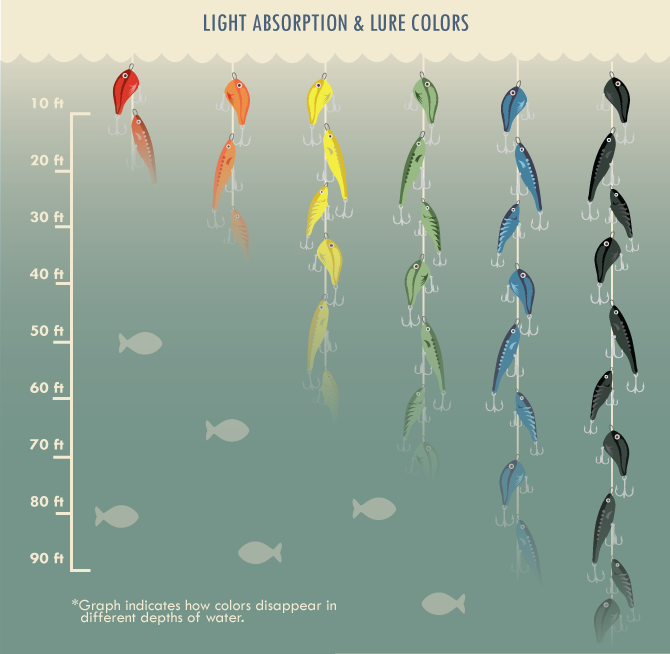
Water absorbs light and changes how colors appear as depth increases. Colors disappear one by one, starting with red. This affects what fish can see under the surface.
Each color travels differently through water. Some colors vanish quickly, while others reach far below. Fish vision adapts to these changes.
Red And Orange Colors
Red and orange colors fade fast in water. They disappear within the first few meters. Fish in deeper water rarely see these colors clearly.
Red light is absorbed first. This makes red objects look dark or black at depth. Shallow water fish can detect red better than deep water species.
Yellow And Green Colors
Yellow and green colors last longer than red and orange. They can be seen at medium depths. Fish often use these colors to find food or mates.
Green light penetrates water well. Many fish have good green color vision. Yellow is visible but starts to fade after moderate depth.
Blue And Purple Colors
Blue and purple colors travel deepest in water. These colors reach fish even in deep seas. Fish vision often relies on detecting blues and purples.
Blue light is scattered less and goes far. This helps fish spot shapes and movement in dark water. Purple is less common but also visible.
Species Differences In Color Perception
Fish species differ in how they perceive colors. Their vision adapts to their environment. This means color perception varies widely among fish. Some see many colors clearly. Others have limited color vision.
These differences affect how fish find food and avoid predators. Understanding species-specific color vision helps anglers choose the right lure colors. It also sheds light on fish behavior in the wild.
Trout Color Vision
Trout have good color vision. They can see colors like red, green, and blue. Their eyes have special cells called cones. These cones detect different wavelengths of light. This ability helps trout spot prey in clear water.
Trout live in streams with varied light. Their color vision adjusts to these conditions. This lets them detect small insects or baitfish easily. Bright lure colors often attract trout well.
Bass Color Vision
Bass see colors differently from trout. They have fewer types of cones in their eyes. This limits their color range. Bass mainly see shades of blue and green. Red and orange colors appear dull to them.
Bass often live in murky or dark water. Their color vision suits this environment. They rely more on movement and contrast than bright colors. Choosing lure colors that contrast with water helps catch bass.
Impact Of Water Clarity On Vision
Water clarity greatly affects how fish see their surroundings. Clear water allows more light to pass through. This helps fish detect colors and shapes more easily.
In murky or cloudy water, light scatters and dims. This reduces the ability of fish to see colors clearly. Their vision becomes limited mostly to contrast and movement.
How Water Clarity Changes Light Penetration
Clear water lets sunlight reach deeper depths. This means fish can see a wider range of colors. Colors like red and orange appear brighter near the surface.
In turbid water, particles block sunlight. Less light reaches underwater, especially the red and yellow wavelengths. Blue and green shades travel farther in such conditions.
Effect On Fish Color Perception
Fish rely on color vision to find food and avoid predators. Clear water improves their ability to distinguish colors. This helps them identify mates and detect prey.
In unclear water, color perception weakens. Fish may see mostly shades of gray or blue. They depend more on movement and contrast than color details.
Adaptations To Different Water Conditions
Many fish species have adapted eyes for their habitats. Fish in clear water often have better color vision. Species in murky water may have larger eyes or more rod cells.
These adaptations help fish survive despite low visibility. They use other senses like smell and lateral line detection too. Vision is just one part of how fish understand their world.
Color Vision In Low Light
Color vision in low light is a challenge for many animals, including fish. Light fades quickly underwater, especially at greater depths. This reduction affects how colors appear and how fish perceive them. Fish have adapted to see colors even when light is dim. Their vision helps them find food, avoid predators, and communicate.
How Fish Adapt To Low Light Conditions
Fish eyes contain special cells called rods and cones. Rods detect light and motion but do not see color. Cones detect color but need more light. In low light, fish rely more on rods for vision. Some fish have more rods to see better in the dark. Others have cones that work well in dim light. This balance lets fish see some colors even when light is low.
Types Of Colors Visible In Low Light
Colors like blue and green travel deeper underwater. Fish see these colors better than red or orange. Red light disappears quickly underwater, so fish rarely see red at depth. Blue and green light penetrate further, making these colors easier to spot. Many fish have vision tuned to these colors. This helps them find food and mates in deep water or murky conditions.
Examples Of Fish With Color Vision In Dim Light
Some fish species, such as certain reef fish, see color well in low light. These fish live where light is limited but colors still matter. They have cone cells sensitive to blue and green shades. Deep-sea fish may also have unique eyes to detect faint colors. Their vision helps them survive in dark, underwater environments.
Choosing Lure Colors For Fishing
Choosing the right lure color is vital for fishing success. Fish see colors differently than humans. This changes how they react to lures. Understanding fish vision helps pick effective lure colors.
How Water Depth Affects Lure Colors
Water absorbs light and color as depth increases. Red and orange colors disappear quickly in deep water. Blue and green colors last longer and remain visible. Use bright colors in shallow water. Darker, cooler colors work better deep down.
Matching Lure Color To Water Clarity
Clear water lets more light pass through. Fish see natural colors easily here. Choose lures with subtle, natural shades in clear water. In murky water, use bright or fluorescent colors. These colors stand out and attract fish more.
Considering Fish Species And Their Vision
Different fish see colors differently. Some fish see red well, others do not. Research the species you want to catch. Use lure colors those fish can spot easily. This increases your chances of a bite.
Using Contrast To Catch Attention
Contrast helps fish detect lures in various conditions. A lure that contrasts with the background water color is easier to see. Black and white or bright and dark combos work well. Contrast can be more important than exact color in some cases.
How Fish Use Color To Hunt
Fish use color as a powerful tool for hunting in the water. Their ability to see colors helps them spot prey and decide when to strike. Color signals can stand out or blend in, depending on the fish’s hunting style and environment.
Color aids fish in detecting movement and shape. Bright or contrasting colors often attract attention, making prey easier to find. Some fish use color changes to confuse prey or communicate with others during a hunt.
Camouflage And Color Matching
Many fish use color to blend with their surroundings. This camouflage helps them hide from prey until they are close enough to attack. Matching the water, plants, or ocean floor colors makes fish nearly invisible.
Bright Colors To Attract Prey
Certain fish show bright colors to lure prey closer. These colors can look like food or safe spots. Prey may approach without fear, giving the fish a chance to catch them.
Color Patterns For Communication
Color patterns also help fish signal others during a hunt. These signals can warn rivals or call mates. Communication through color improves cooperation or avoids conflicts while hunting.
Adapting To Light And Depth
Color perception changes with water depth and light. Fish adjust their hunting colors to match these changes. This adaptation ensures they remain effective hunters in different environments.
Myths About Fish Color Vision
Many people have ideas about how fish see colors. Some of these ideas are wrong. Myths about fish color vision can confuse anglers and nature lovers. Understanding the truth helps us learn more about fish behavior.
Fish do see colors, but not always like humans do. Their eyes work differently. Let’s clear up some common myths.
Myth 1: Fish Can Only See Black And White
Some think fish only see in black and white. This is false. Many fish have color receptors called cones. These cones help fish see different colors. Their color range may be different from ours, but it is not just black and white.
Myth 2: All Fish See Colors The Same Way
Fish species differ in their vision. Some fish see more colors than others. Deep-sea fish may see fewer colors because of low light. Shallow water fish often see bright colors well. Vision adapts to each fish’s environment.
Myth 3: Fish Cannot See Red Color
Red light fades quickly underwater. Some believe fish cannot see red at all. This is not true for all fish. Many can see red in shallow water. Others lose red vision in deep water due to light absorption. It depends on their habitat.
Myth 4: Fish Use Color Vision Only For Finding Food
Color helps fish in more ways than just finding food. Fish use color to find mates and avoid predators. Color signals can show mood or health. Fish rely on color for many survival tasks.
Credit: www.fix.com
Frequently Asked Questions
What Is The Hardest Color For Fish To See?
Fish find red the hardest color to see because water absorbs red wavelengths quickly, especially in deeper water.
What Colors Can Fish Not See?
Fish cannot see red, orange, and yellow colors well at depth because water absorbs these wavelengths first. Some species, like bass, also struggle to see blue. Colors appear black or gray deeper underwater due to light absorption.
What Colors Are Fish Attracted To?
Fish are attracted to bright colors like red, orange, yellow, and chartreuse in shallow water. Blue and green work best in deeper water. Colors visible to fish depend on water depth and species’ vision. Bright, contrasting colors increase fish attraction and improve lure effectiveness.
What Colors Not To Wear When Fishing?
Avoid wearing bright red, orange, and yellow in deep water, as fish see these colors as dark. Also, steer clear of dark blue if targeting bass, which may not detect it well. Choose natural, muted tones to blend with surroundings and avoid spooking fish.
Can Fish See Colors Underwater Clearly?
Yes, many fish can see colors underwater, but clarity depends on water depth and light conditions.
Which Colors Do Fish See Best?
Fish often see blue and green colors best, as these penetrate water deeper than reds or yellows.
Do All Fish Species See The Same Colors?
No, color vision varies among fish species based on their habitat and eye structure.
How Does Water Depth Affect Fish Color Vision?
Deeper water absorbs red and orange light, making those colors harder for fish to see.
Why Do Fish See Blue And Green Better?
Blue and green light travel farther in water, so fish evolved to detect these colors well.
Can Fish See Red Color Like Humans?
Most fish see red poorly because red light fades quickly underwater.
Conclusion
Fish do see colors, but their vision depends on water depth and species. Bright reds fade quickly underwater, while blues last longer. Some fish see colors differently than humans do. Understanding this helps anglers choose better lures. Fish use color to find food and avoid danger.
Their eyes adapt to their environment for survival. Color perception in fish is unique and fascinating. This knowledge makes fishing more enjoyable and effective. Keep these facts in mind next time you fish. Fish vision is a small but important part of their world.