Have you ever gazed into your newborn’s eyes and wondered, “Will this beautiful shade stay the same forever?” It’s a question many parents ask: when do babies’ eyes change colors? Right after birth, your baby’s eyes might look blue, gray, or even a soft shade of brown, but these colors often don’t tell the full story.
Understanding why and when eye color changes can help you appreciate the amazing transformation happening right before your eyes. You’ll discover the fascinating science behind baby eye color changes, what to expect during those first months, and when you can finally expect your little one’s true eye color to shine through.
Ready to uncover the mystery of your baby’s changing eyes? Keep reading!
Credit: www.pampers.com
Baby Eye Color At Birth
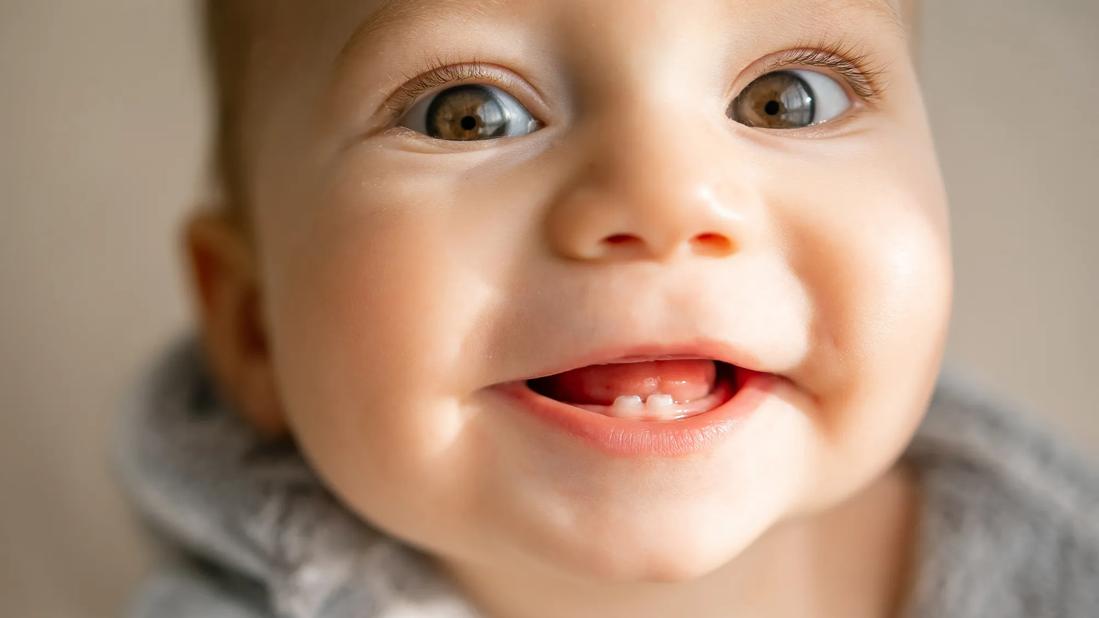
Babies often have blue or gray eyes at birth due to low melanin levels. Their eye color can change over several months as melanin increases. Final color usually appears by their first birthday.
Babies often have blue or gray eyes when they are born. This happens because their eyes have very little melanin, the pigment that gives eyes their color. The blue or gray look is caused by light scattering in the iris, much like the sky appears blue.
At birth, the pigment cells in the iris have not yet produced much melanin. This means the eye color is not final and can change over time. Many babies are born with light eyes, but these may darken as melanin builds up.
Why Do Newborns Have Blue Or Gray Eyes?
Low melanin levels make newborn eyes look blue or gray. Melanin is the natural pigment that colors the eyes, skin, and hair. Without enough melanin, eyes appear lighter because of how light bounces inside the iris.
This is why most babies born with light eyes may have a different color later. The eye color depends on melanin amount and distribution as the baby grows.
How Does Melanin Affect Eye Color?
Melanin production increases after birth. Exposure to natural light helps pigment cells in the iris make more melanin. The more melanin produced, the darker the eyes become.
Brown and hazel eyes have more melanin. Blue and green eyes have less. The final eye color appears as melanin builds over several months.
When Can You Guess Your Baby’s Eye Color?
If a baby has very dark eyes at birth, they usually stay dark. This means melanin levels are already high. Light-colored eyes at birth may change a lot over time.
Eye color may settle anywhere between six months to one year. Many babies’ eye colors keep changing during this time. It is best to wait before making a final guess.
Credit: health.clevelandclinic.org
Role Of Melanin In Eye Color
Melanin is the pigment that gives color to the eyes. Babies have low melanin at birth, making eyes look blue or gray. Over time, melanin increases, often changing eye color during the first year.
What Is Melanin?
Melanin is a natural pigment found in the body. It gives color to skin, hair, and eyes. The more melanin in the iris, the darker the eye color appears. Less melanin results in lighter eye colors like blue or green.
How Melanin Affects Baby’s Eye Color
Babies are often born with low melanin in their eyes. This makes their eyes look blue or gray at first. Over time, melanin production increases. This change darkens the eye color slowly. The final color depends on how much melanin the iris produces.
Melanin Production After Birth
Light exposure after birth triggers melanin growth in the iris. Special cells called melanocytes create melanin. These cells become more active during the first year. This process leads to the eyes changing color. The change can take several months to complete.
Why Eyes Appear Blue Or Gray Initially
Babies’ eyes often appear blue or gray right after birth. This early color is not their true eye color. It happens because of how light interacts with their eyes.
The iris, the colored part of the eye, has little pigment at birth. The pigment, called melanin, controls eye color. Newborns start with very low melanin in their irises.
Low Initial Melanin Levels
At birth, babies have low melanin in their eye irises. Melanin gives eyes their color. Without much melanin, light scatters in the iris. This scattering makes eyes look blue or gray. It is similar to why the sky looks blue on a sunny day.
Light Scattering Effect
Light enters the iris and bounces around. Less pigment means more light scatters. This scattering creates the blue or gray shade. The eye does not actually have blue pigment yet. The color is a visual effect caused by light.
Melanin Production After Birth
After birth, melanin production begins to increase. Exposure to natural light helps melanocytes work. Melanocytes are cells that create melanin in the iris. As melanin grows, eye color darkens and changes over time.
Understanding The Early Blue Or Gray Color
The initial blue or gray eye color is temporary for most babies. It reflects how little pigment is present at birth. Over months, melanin builds up and changes eye color. This process can take up to a year or more.
When Melanin Production Increases
Melanin starts low in newborns, making their eyes often appear blue or gray. Over time, light triggers more melanin production, causing eye color to darken gradually. This change usually happens within the first year as pigment builds up in the iris.
Babies are often born with blue or gray eyes. This happens because their eyes have very little melanin at birth. Melanin is the pigment that gives color to the eyes, skin, and hair.
After birth, melanin production starts to rise. This increase changes the eye color over time. The cells in the iris called melanocytes produce more melanin. More melanin means darker eye color.
Light exposure plays a big role in this process. As babies spend time in natural light, their melanocytes become more active. This causes the eyes to slowly shift from blue or gray to green, hazel, or brown.
How Melanin Affects Eye Color
Eye color depends on how much melanin is in the iris. Low melanin means lighter colors like blue or gray. High melanin results in darker colors like brown.
The amount of melanin also affects how the light scatters in the iris. This scattering gives the eyes their unique shades. The final color is set by the time the baby is about one year old.
Timeline Of Eye Color Change
Melanin production usually increases during the first six months. Many babies’ eyes start to show color changes between three and six months.
By nine months, most babies have a clearer eye color. Some changes can continue up to one year or even 18 months.
Babies with dark eyes at birth often show less change. Their melanin levels are already higher. Light-eyed babies may see a bigger shift in color as melanin builds up.
Typical Timeline For Eye Color Change
Many babies are born with blue or gray eyes. This happens because their eyes have very little melanin. Melanin is the pigment that gives color to the eyes. Over time, melanin increases and the eye color changes.
The timeline for eye color change varies. Some babies’ eyes change quickly. Others take many months or even years. Understanding this timeline helps parents know what to expect.
Eye Color At Birth
Most babies have blue or gray eyes at birth. This is due to low melanin levels. The blue color is from light scattering in the iris. It does not mean the final color is blue.
Changes During The First 6 Months
Melanin starts to build up after birth. Natural light helps melanocytes produce more pigment. Many babies’ eye color begins to darken by 3 to 6 months. Some eyes may shift from blue to green or hazel.
Eye Color From 6 To 12 Months
Eye color continues to change slowly. By 9 to 12 months, the color is clearer. Many babies show their true eye color by their first birthday. Some may still experience slight changes after 1 year.
After The First Year
Most babies have their permanent eye color by 12 to 18 months. Changes after this are rare but possible. Eye color can deepen or lighten slightly over time. Genetics and melanin levels control these final changes.
Predicting Final Eye Color Early On
Predicting a baby’s final eye color early on can feel like a guessing game. Babies are often born with blue or gray eyes due to low melanin levels. This initial color may change as melanin develops in the iris.
Parents often wonder when they can expect to see their baby’s true eye color. The process depends on genetics and melanin production. Watching these changes closely offers clues about the baby’s permanent eye shade.
How Melanin Affects Eye Color
Melanin is the pigment responsible for eye color. Babies start with very little melanin, causing lighter eye shades. Over time, melanocytes in the iris produce more melanin. More melanin means darker eyes, such as brown or hazel.
Signs That Predict Eye Color Early
If a baby’s eyes are very dark at birth, they likely won’t change much. This shows melanin is already present. Light-colored eyes, like blue or gray, often deepen as melanin increases. The final eye color usually settles between 6 and 12 months.
Patience Is Key For Parents
Eye color can keep changing for up to a year or more. Avoid assumptions about the final color too early. The full change may surprise you. Waiting allows the melanin to fully develop and reveal true eye color.
Common Eye Colors And Melanin Levels
Babies’ eye colors depend largely on melanin, the pigment in the iris. Melanin controls how light or dark the eyes look. At birth, most babies have low melanin levels. This makes their eyes appear blue or gray. The blue color comes from light scattering, not from blue pigment. As melanin increases, eye color changes and becomes more defined.
Different eye colors show different melanin amounts. More melanin means darker eyes. Less melanin means lighter eyes. The final eye color appears as melanin develops in the first year.
Blue Eyes And Low Melanin
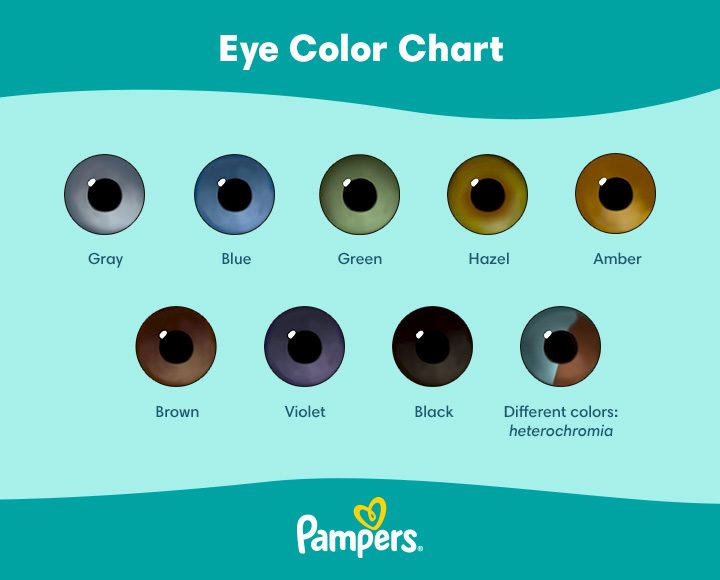
Blue eyes have the least melanin in the iris. Light reflects off the iris and scatters, creating a blue look. Babies with blue eyes at birth often have slow melanin growth. Their eyes may stay blue or change to green or hazel as melanin increases.
Green And Hazel Eyes With Moderate Melanin
Green and hazel eyes show medium melanin levels. These colors come from a mix of melanin and light scattering. Babies with green or hazel eyes usually have more melanin than blue-eyed babies. Their eye color can shift toward brown or stay lighter depending on melanin growth.
Brown Eyes And High Melanin
Brown eyes have the highest melanin concentration. Babies born with dark eyes often have fully developed melanin. Their eye color rarely changes much after birth. Brown eyes block more light, giving a rich, dark color.

Credit: kdfoundation.org
Genetics And Eye Color Inheritance
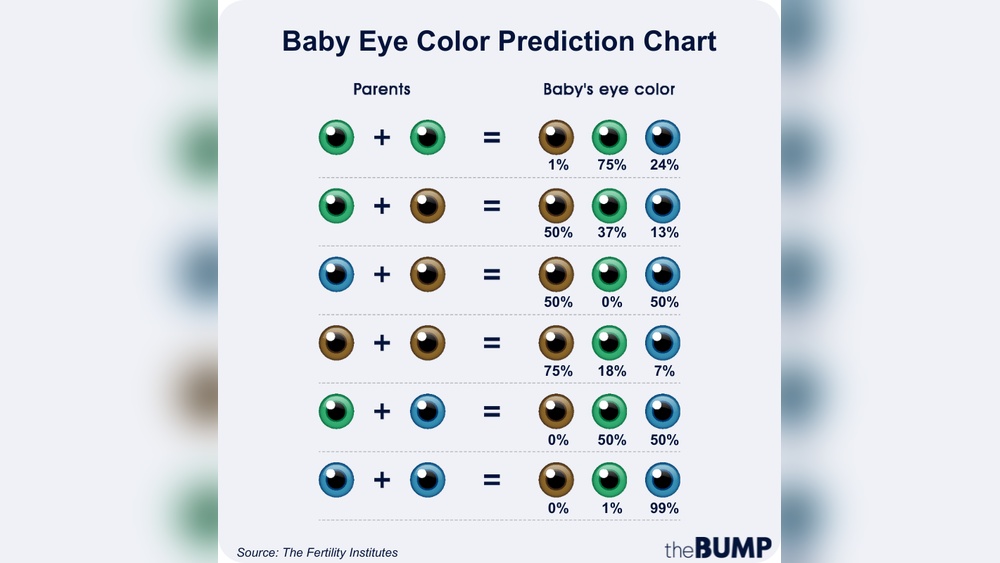
Eye color in babies depends largely on genetics. Genes inherited from parents guide the amount and type of pigments in the iris. These pigments determine whether a baby’s eyes will be blue, green, brown, or another shade.
Genes work in pairs, one from each parent. Some genes are stronger and have more influence on the final eye color. Brown eye color genes usually dominate over blue or green genes. This means a baby with one brown gene and one blue gene may have brown eyes.
Eye color inheritance is not simple. Multiple genes interact to produce the final color. The process involves many variations, which explains the wide range of eye colors seen in babies and adults.
How Parents’ Eye Colors Affect Baby’s Eyes
Parents pass their eye color genes to their baby. Two brown-eyed parents often have brown-eyed children. Two blue-eyed parents usually have blue-eyed children. Mixed eye colors in parents can result in various eye colors in the baby.
Melanin is the pigment that colors the iris. More melanin means darker eyes. Less melanin means lighter eyes. Babies start with low melanin, causing many to have blue or gray eyes at birth. Over time, melanin levels may increase, changing eye color.
Why Eye Color Can Change Over Time
Genes control melanin production after birth. Light exposure can trigger pigment cells to create more melanin. This change can take months or even years. That is why babies’ eye color often shifts during their first year.
Factors Affecting Eye Color Perception
Eye color in babies often appears to shift during the first year. Many factors affect how we see this color change. These factors influence the perception of eye color and can cause it to look different under various conditions.
Understanding these factors helps explain why a baby’s eye color may seem to change day by day. Some elements affect the actual color, while others impact how light interacts with the eyes.
Melanin Levels In The Iris
Melanin is the pigment that gives color to eyes, skin, and hair. Babies are born with low melanin in their irises. Over time, cells called melanocytes produce more melanin. This increase darkens the eye color. The amount of melanin determines whether the eyes become blue, green, or brown.
Lighting And Environment
Light affects eye color perception greatly. Bright sunlight can make eyes appear lighter. Dim indoor light may cause eyes to look darker. Eye color can even seem to change with different angles and lighting conditions. This happens because light scatters in the iris.
Genetics And Family Traits
Genetics play a key role in eye color development. Babies inherit eye color genes from both parents. Sometimes, family traits cause unexpected color changes. Eye color can shift as the genes express themselves fully during the first year.
Age And Development
Eye color usually stabilizes by 6 to 12 months. Before this, the color may seem to change often. This is because melanocytes are still active. As the baby grows, melanin production slows down, and eye color settles.
When To Expect Eye Color To Settle
Understanding when a baby’s eye color will settle helps parents track changes with ease. Eye color shifts happen because of melanin, the pigment in the iris. Babies often start with light eyes that darken over time. Each child’s timeline is unique.
Timeline For Eye Color Changes
Most babies show initial eye color at birth. This color is usually light blue or gray. Changes start within the first six months. Many eyes darken between 6 and 12 months. Some may take up to 18 months to fully settle.
Factors Affecting Eye Color Development
Melanin levels increase after birth. Light exposure helps stimulate melanin production. More melanin means darker eyes. Genetics also play a key role. Different genes influence the final eye shade.
When To Expect The Final Eye Color
By the first birthday, eye color is often close to final. Some subtle changes can continue until age three. Rarely, eye color shifts after that. Usually, the color at one year gives a good idea.
Frequently Asked Questions
When Can You Usually Tell A Baby’s Eye Color?
You can usually tell a baby’s eye color by 6 to 12 months old. Eye color may continue changing up to age three. Dark eyes at birth often stay dark, while lighter eyes take longer to settle. Avoid assuming final color before the first birthday.
Do All Newborns Have Blue Eyes?
Not all newborns have blue eyes. Many are born with blue or gray eyes due to low melanin. Some babies have darker eyes at birth that usually stay dark. Eye color can change over months as melanin production increases, often settling by the first birthday.
What Color Will Grey Baby Eyes Turn?
Grey baby eyes often turn blue, green, or hazel as melanin develops in the iris over several months.
What Are The Top 3 Rarest Eye Colors?
The top 3 rarest eye colors are green, amber, and gray. Green eyes occur in only 2% of the population. Amber eyes have a golden or coppery hue. Gray eyes are extremely uncommon and can appear to change color.
When Do Babies’ Eyes Usually Start To Change Color?
Babies’ eyes often start changing color between 3 to 6 months after birth.
Why Do Babies’ Eye Colors Change After Birth?
Melanin pigment increases in the iris, causing eye color to darken or shift.
How Long Does It Take For Baby’s Eye Color To Settle?
Eye color can settle anywhere from 6 months to 1 year, sometimes longer.
Can A Baby’s Eye Color Change After Their First Birthday?
Yes, eye color can still change slightly after the first year but usually less.
Do All Babies’ Eyes Change Color After Birth?
No, some babies have dark eyes at birth that stay the same color.
Why Do Most Babies Have Blue Or Gray Eyes Initially?
Low melanin causes light to scatter, making eyes appear blue or gray at birth.
Conclusion
Babies’ eye color usually changes during their first year. Low melanin at birth makes eyes look blue or gray. Over time, melanin increases, darkening the eye color. Dark eyes at birth often stay the same. Light eyes may shift to green, hazel, or brown.
Patience helps, as changes can be slow and surprising. Avoid guessing eye color too early. Every baby’s eyes develop in their own unique way. Watching this change is a special part of early growth.