Are you ready to unlock the secret to creating the perfect gray color every time? Whether you’re painting a masterpiece, designing a room, or just curious about color mixing, knowing how to make gray can transform your work.
Gray isn’t just one shade—it can be warm, cool, light, or dark, depending on how you mix it. You’ll discover simple, step-by-step methods to mix gray using basic colors you already have. By the end, you’ll have the confidence to create exactly the shade of gray you want, adding depth and style to your projects.
Let’s dive in and make gray your new favorite color!
Basic Gray Mixing
Basic gray mixing is the simplest way to create shades of gray. It involves combining colors to find the perfect balance between black and white. This method is essential for artists and designers who want to control the tone of their gray shades precisely.
Understanding how to adjust gray’s lightness and darkness helps in making versatile color palettes. The following sections explain the key techniques for mixing gray colors effectively.
Using Black And White
Mixing black and white paint is the easiest way to make gray. Start with equal parts of black and white. Add more white to create a lighter gray. Add more black to make a darker gray. This gives you a neutral gray without any color tint.
Use small amounts of black paint because it is strong and can quickly overpower the mix. Gradually add black to control the shade better. This method works well for simple gray tones in art or design projects.
Adjusting Lightness And Darkness
Lightness means how bright or pale the gray looks. Darkness means how deep or rich the gray appears. You can change lightness by adding more white paint. Adding black paint will increase darkness.
Mix small amounts and test the color often. This helps avoid making the gray too dark or too light. Adjusting lightness and darkness gives you many gray shades for different uses.
Complementary Colors Method
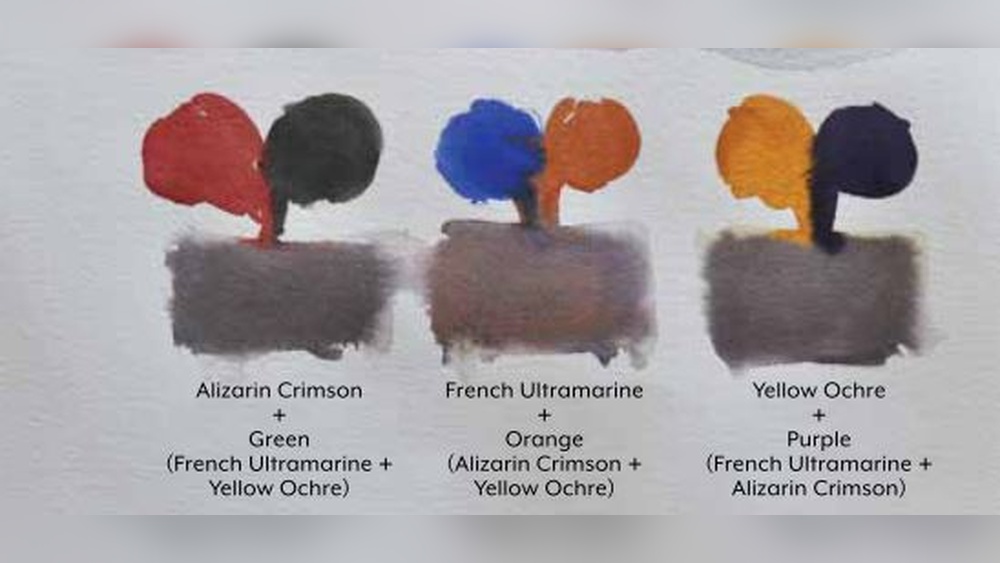
The Complementary Colors Method uses pairs of colors opposite each other on the color wheel. Mixing these pairs balances their hues, producing a natural gray tone. This method allows for creating grays with subtle color hints, depending on the pair used. It helps avoid dull grays and adds depth to your color palette.
Blue And Orange Combination
Blue and orange sit opposite on the color wheel. Mixing equal parts of blue and orange creates a soft gray. Adjust the amount of each color to add warmth or coolness to the gray. Adding white lightens the mix while keeping the gray tone intact.
Red And Green Combination
Red and green form another complementary pair. Blending red and green results in a muted gray with a slight earthy feel. The ratio of red to green changes the gray’s warmth. Lightening with white makes the gray brighter and more versatile.
Yellow And Purple Combination
Yellow and purple are complementary colors that produce a balanced gray. This mix often has a gentle, neutral appearance. More yellow creates a warmer gray, while more purple cools it down. Adding white softens the gray for different shading needs.
Primary Colors Approach
The primary colors approach is a simple way to create gray by using the three main colors. These colors are red, blue, and yellow. Mixing them correctly helps you make different shades of gray. This method is useful for artists and anyone working with colors. It also helps to understand how colors interact with each other.
Mixing Red, Blue, And Yellow
Start by mixing equal parts of red, blue, and yellow paint. This blend usually creates a dark, muddy color. Adjust the amounts to balance the colors. More blue can add coolness, while more red or yellow warms the mix. Keep mixing until the color looks close to gray. This process takes some trial and error.
Neutralizing Color Tones
Sometimes the mix looks too colorful or brownish. You can neutralize tones by adding small amounts of the opposite color. For example, add a tiny bit of orange to reduce blue’s brightness. Adding a little green can soften red, and purple can tone down yellow. This step helps create a more balanced and true gray. Patience is key to finding the right balance.
Credit: artstudiolife.com
Creating Warm And Cool Grays
Creating warm and cool grays adds depth to your color palette. These grays bring life to your artwork or design. Warm grays carry soft, cozy tones. Cool grays feel calm and fresh. Knowing how to adjust gray’s tone helps match your mood and style. Small changes in color mixtures make big differences.
Adding Warm Tones
Add warm tones by mixing gray with hints of red, orange, or yellow. Start with a neutral gray made from black and white. Then blend a tiny amount of warm color to the gray. This creates a soft, inviting shade. Warm grays work well in spaces meant to feel cozy and friendly. Use these grays for autumn-themed projects or warm lighting effects. Keep the warm color subtle to avoid overpowering the gray.
Adding Cool Tones
Mix gray with blue, green, or violet to create cool grays. Begin with your basic gray base. Add a small amount of cool color carefully. This gives the gray a fresh, calm feeling. Cool grays suit modern, clean designs or winter scenes. They evoke peace and clarity. Adjust the amount of cool color to keep the gray balanced and not too cold. These grays work well with blues and whites in your palette.
Using Acrylic Paints
Acrylic paints offer great flexibility for mixing colors. You can create many shades of gray by blending different acrylic colors. Mixing black and white is the simplest method to get a neutral gray. Another way is to combine complementary colors, such as blue and orange, to produce grays with subtle tones. Acrylic paints dry quickly, so work efficiently when mixing.
Choosing the right ratio of colors controls the shade of gray you get. Adding more white will lighten the gray, while more black or dark colors will deepen it. Mixing small amounts first helps you test the shade before making a larger batch. This approach saves paint and prevents waste.
Tips For Acrylic Mixing
Start with a clean palette to avoid unwanted color contamination. Use a palette knife for thorough mixing instead of brushes. Mix colors on a flat surface for even blending. Test your gray on a scrap piece of paper or canvas to check the true color after drying. Adjust with small amounts of paint for precise control.
Avoiding Muddy Colors
Mix only two or three colors at a time to keep the gray clear and fresh. Avoid using too many colors, which can cause dull, muddy tones. Use high-quality acrylic paints with strong pigments for better results. Clean your tools between mixes to prevent accidental color blending. Keep your mixing area organized and separate light and dark colors.
Watercolor Gray Techniques
Watercolor gray techniques help artists create subtle and rich grays. Gray tones add depth and mood to watercolor paintings. Achieving the perfect gray requires practice and understanding of color mixing.
Watercolor paints are transparent, so controlling layers and transparency is key. Different methods give unique gray effects, from soft washes to textured shades. These techniques enhance your artwork’s realism and appeal.
Layering Washes
Layering washes means applying thin, transparent layers of gray paint. Start with a light wash and let it dry completely. Then add more layers to deepen the gray tone gradually.
This method creates depth and texture while keeping the watercolor’s natural glow. Each layer blends softly with the one beneath it, producing smooth transitions. Use a clean, damp brush to soften edges between layers if needed.
Balancing Transparency
Watercolor’s beauty lies in its transparency. Balancing this transparency lets you control gray intensity and brightness. Mix your gray with just enough water to keep it translucent.
Too much pigment makes the gray heavy and dull. Too much water weakens the color and may cause uneven patches. Test your mix on scrap paper to find the right balance before painting your final piece.
Mixing Gray Without Black
Mixing gray without using black is a creative way to achieve rich and vibrant grays. Instead of relying on black paint, you can combine other colors to create unique shades. This method opens new possibilities for artists and designers who want more control over their gray tones.
Using colors other than black to make gray can produce softer, more natural results. It allows for subtle variations and warmer or cooler grays depending on the colors chosen. This technique also helps avoid the dullness that black sometimes adds to paint mixtures.
Using Complementary Colors Only
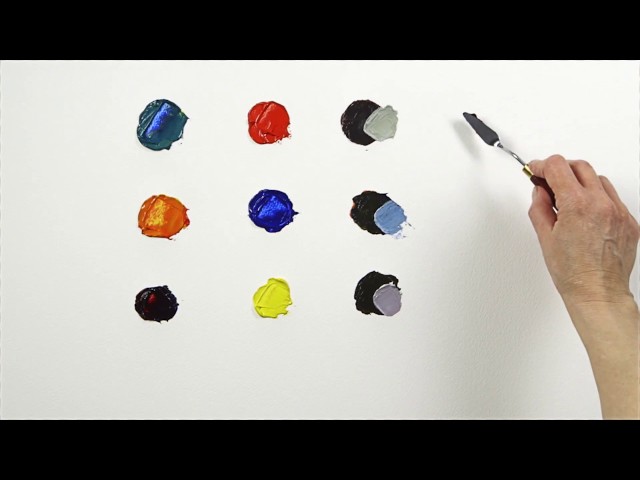
Complementary colors sit opposite each other on the color wheel. Examples include blue and orange, red and green, or yellow and purple. Mixing these pairs in equal parts cancels out their brightness and produces a neutral gray.
Adjust the ratio of each color to get different gray tones. More blue with less orange creates a cooler gray. More orange with less blue results in a warmer gray. This balance lets you customize your gray easily.
Adding white paint to the mixture lightens the gray without changing its tone. This way, you can create a full range of grays from dark to light without black.
Benefits Of Black-free Gray
Grays made without black look fresher and less flat. They carry subtle color hints that add depth and interest to your artwork. This approach prevents grays from appearing muddy or lifeless.
Using complementary colors also improves color harmony. Your grays will blend better with other colors in your palette. This harmony makes your overall work more pleasing to the eye.
Artists gain more flexibility with black-free gray. It encourages experimentation and helps develop a deeper understanding of color mixing. This skill enhances creativity and improves painting results.
Credit: www.youtube.com
Adjusting Gray Shades
Adjusting gray shades lets you create the perfect tone for your project. Gray is versatile and can look warm, cool, light, or dark. Changing its shade helps match it to your artwork or design needs. Small tweaks in color mixing can make a big difference in the final look. Experimenting with lightening or darkening gray gives you control over its mood and depth.
Lightening With White
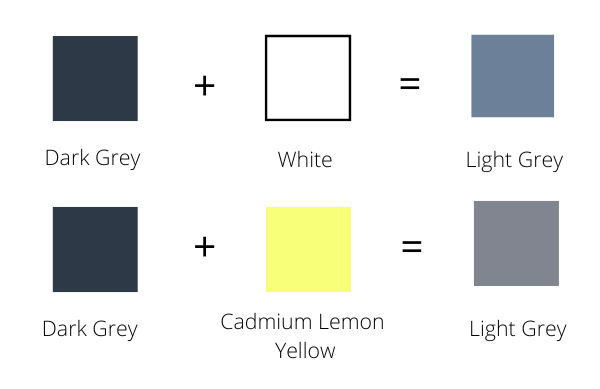
Adding white to gray makes it lighter and softer. This creates a gentle, airy shade that works well for backgrounds and highlights. Start with your base gray and mix in small amounts of white. Mix thoroughly to see the true color. Keep adding white until you reach your desired lightness. Light gray shades add freshness and brightness to any palette.
Darkening With Additional Colors
To darken gray, mix in darker colors instead of just black. Try adding navy blue, deep brown, or even dark green for unique gray tones. These colors add richness and depth without making the gray flat or dull. Use very small amounts and mix well. Adjust until the gray looks just right. Darkened grays bring elegance and weight to your designs.
Common Mistakes To Avoid
Making gray color sounds simple, but many make mistakes that affect the final shade. Avoiding these common errors helps create the perfect gray every time. Understanding these pitfalls improves your color mixing skills quickly.
Gray is more than just black plus white. The details matter, especially how you mix and balance colors. Watch out for these common mistakes to achieve a smooth, balanced gray.
Overusing Black
Using too much black is a frequent error. Black can make gray look dull or muddy. It often overwhelms other colors, hiding subtle tones. Instead, mix small amounts gradually. This helps control the depth without losing brightness.
Try mixing complementary colors to get a richer gray. This method creates natural-looking shades without relying on black. Adding white lightens the tone gently, keeping it soft and balanced.
Ignoring Color Temperature
Gray has warm and cool variations. Ignoring color temperature leads to unwanted results. Mixing warm colors like red and green creates warm gray. Mixing cool colors like blue and orange produces cool gray.
Consider the mood you want before mixing. A warm gray feels cozy, while a cool gray feels calm. Balancing temperature makes gray more vibrant and fitting for your project.
Tips For Consistent Results
Creating a consistent gray color requires careful attention to detail. Small changes in color amounts can alter the shade dramatically. Following simple tips helps you achieve the same gray every time.
Consistency is key for painting, design, or any project involving gray tones. Keep track of your mixing process to avoid guesswork and wasted materials.
Measuring Proportions
Use precise tools like measuring spoons or scales to mix colors. Avoid freehand pouring, which leads to uneven results. Mix small batches first to test the ratio of colors.
Start with equal parts of black and white or complementary colors. Adjust slowly, adding tiny amounts to reach your desired gray. Note each amount carefully for future reference.
Keeping A Color Mixing Chart
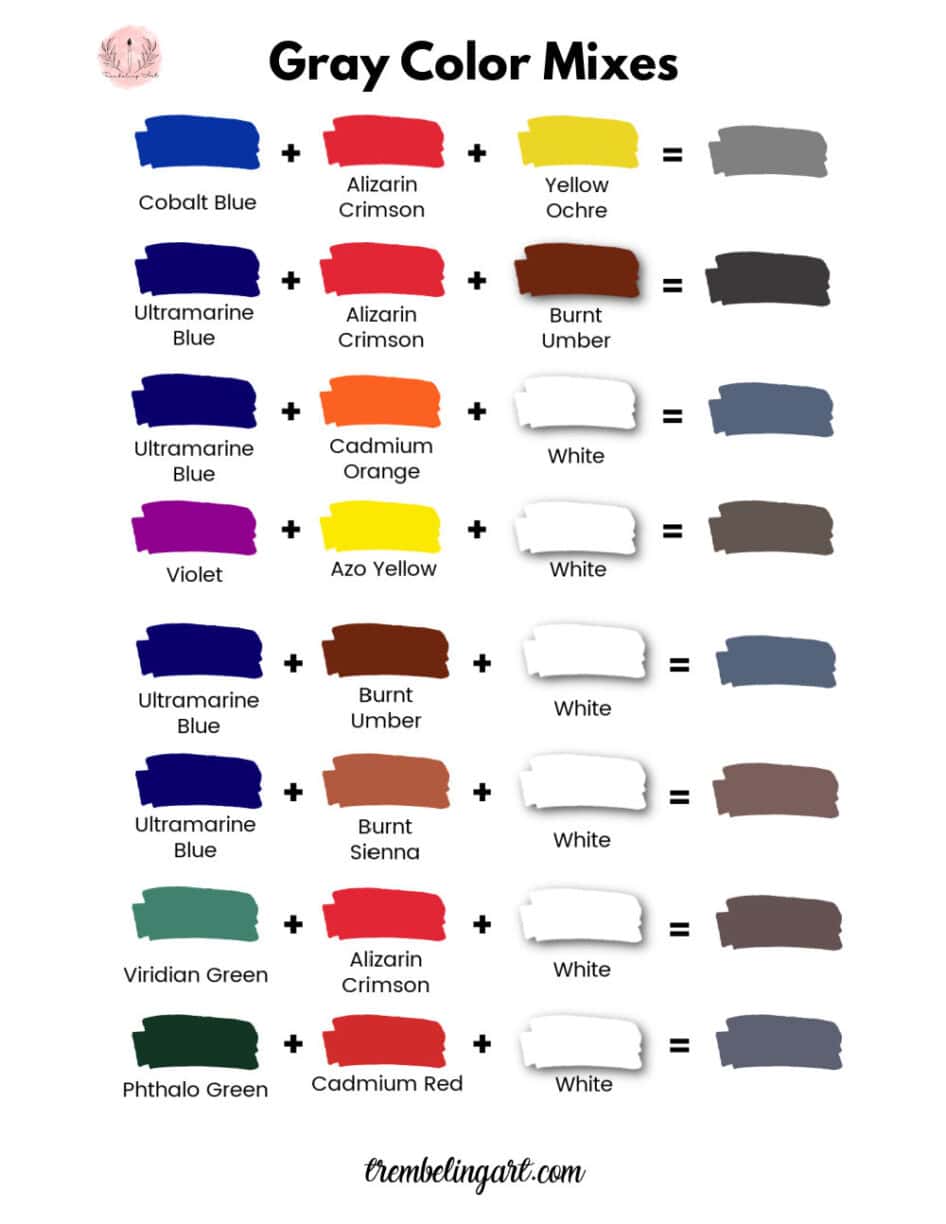
Create a chart to document your color mixes. Write down the exact proportions and the results for each gray shade. Include notes on the type and brand of paint used.
Use the chart to replicate colors quickly without guessing. It also helps you explore new gray tones by comparing past mixes. Update it every time you try a new mix.
Credit: trembelingart.com
Frequently Asked Questions
What Colors Mix To Get Gray?
Mix black and white paint for neutral gray. Combine complementary colors like blue-orange, red-green, or yellow-purple for varied gray shades. Adjust white to lighten or black to darken the gray.
Do Yellow And Blue Make Gray?
Yellow and blue do not make gray. Mixing yellow and blue creates green. To make gray, mix complementary colors like blue and orange or black and white.
Do Red And Green Make Gray?
Yes, mixing red and green creates gray. These complementary colors neutralize each other, producing various gray shades. Adding white lightens the gray.
What Is The Color Combination Of Gray?
Gray combines black and white or mixes complementary colors like blue-orange, red-green, or yellow-purple. Adjust ratios for shade and tone.
What Colors Do You Mix To Make Gray?
Mix black and white or combine complementary colors like blue and orange.
Can Gray Be Made Without Using Black Paint?
Yes, mix equal parts of complementary colors like red and green for gray.
How Do I Make Light Gray Color?
Add more white paint to your gray mixture to lighten the shade.
What Is The Easiest Way To Create Dark Gray?
Use more black paint when mixing with white to deepen the gray.
How To Make Warm Gray Tones?
Add a small amount of red, yellow, or orange to your gray mix.
How Can I Get Cool Gray Shades?
Mix blue or purple into your gray to create cooler tones.
Conclusion
Creating gray color is simple and fun. Mix black and white for classic gray. Try mixing complementary colors for unique gray tones. Adjust the amounts to get lighter or darker shades. Experiment with warm or cool colors to add mood.
Practice mixing to find your perfect gray. This skill helps in painting, design, and crafts. Keep trying different blends until you like the result. Gray is versatile and fits many creative projects. Enjoy making your own shades of gray today!