
Are you ready to create the perfect brown icing for your next baking masterpiece? Whether you’re decorating cupcakes, cookies, or a cake, getting that rich, delicious brown color just right can be tricky—especially without pre-made brown food coloring.
But don’t worry, you have full control! By mixing simple food coloring basics, you can craft the exact shade of brown you want. In this guide, you’ll learn easy steps to make beautiful brown icing using common food coloring, plus smart tips to adjust warmth and darkness.
Keep reading and unlock the secret to flawless brown icing that will impress everyone!
Colors For Brown Icing
Creating brown icing with food coloring involves mixing different colors carefully. Brown is not a primary color. It comes from blending other colors. Using the right mix helps achieve the perfect shade of brown.
Choosing the right colors can make your brown icing look rich and natural. The most common method uses primary colors: red, yellow, and blue. Adjusting these colors changes the tone and warmth of the brown.
Using Primary Colors
Start with red and yellow to make orange. Orange is the base for warm brown shades. Then, add blue little by little. Blue balances the orange, turning it into brown.
More red makes the brown warmer and richer. More blue cools the brown, making it darker. Mixing these three colors gives you control over your brown icing.
Mixing Complementary Colors
Another way is to mix complementary colors like red and green. Green is made from blue and yellow, so this mix also creates brown. This method works well for quick brown icing.
Adjust the ratio to get your preferred shade. More green makes the brown softer. More red gives a stronger, warmer brown.
Adjusting Shades Of Brown
To lighten brown icing, add a small amount of white food coloring. For deeper brown, add a touch of black or more blue. Be careful with black; a little goes a long way.
Experiment with small amounts first. This helps avoid making the icing too dark or dull. Keep mixing until you get the right brown for your recipe.

Credit: smart.dhgate.com
Mixing Primary Colors
Mixing primary colors is the key to creating rich brown icing. Start with simple colors you already have. Red, yellow, and blue are the base colors that combine to form brown. Understanding how to mix them helps you get the perfect shade for your cake or cupcakes.
This process gives you control over the warmth and darkness of your brown icing. Each step builds on the last, making the color deeper or lighter as needed. Let’s break down the process into easy parts.
Creating Orange Base
First, mix red and yellow food coloring to make orange. Use equal parts for a bright orange. This orange acts as the foundation for brown icing. It gives warmth and richness to the final color.
Start with a small amount of each color. Mix well and check the tone. Adjust by adding more red for a deeper orange or more yellow for a lighter shade.
Adding Blue For Brown
Next, add blue food coloring to the orange base. Add blue slowly, a drop at a time. Blue neutralizes the orange, turning it into brown. The blue also darkens the color.
Mix thoroughly after each drop. Watch the color change from orange to a natural brown. Stop adding blue when you reach the shade you want.
Adjusting Warmth And Shade
After you get the basic brown, adjust the warmth. Add a little red to warm up the color. Add more blue to cool it down and make it darker.
You can also add tiny amounts of yellow to lighten the brown. Always mix well and check the color after each adjustment. This helps you create the perfect brown icing.
Using Complementary Colors
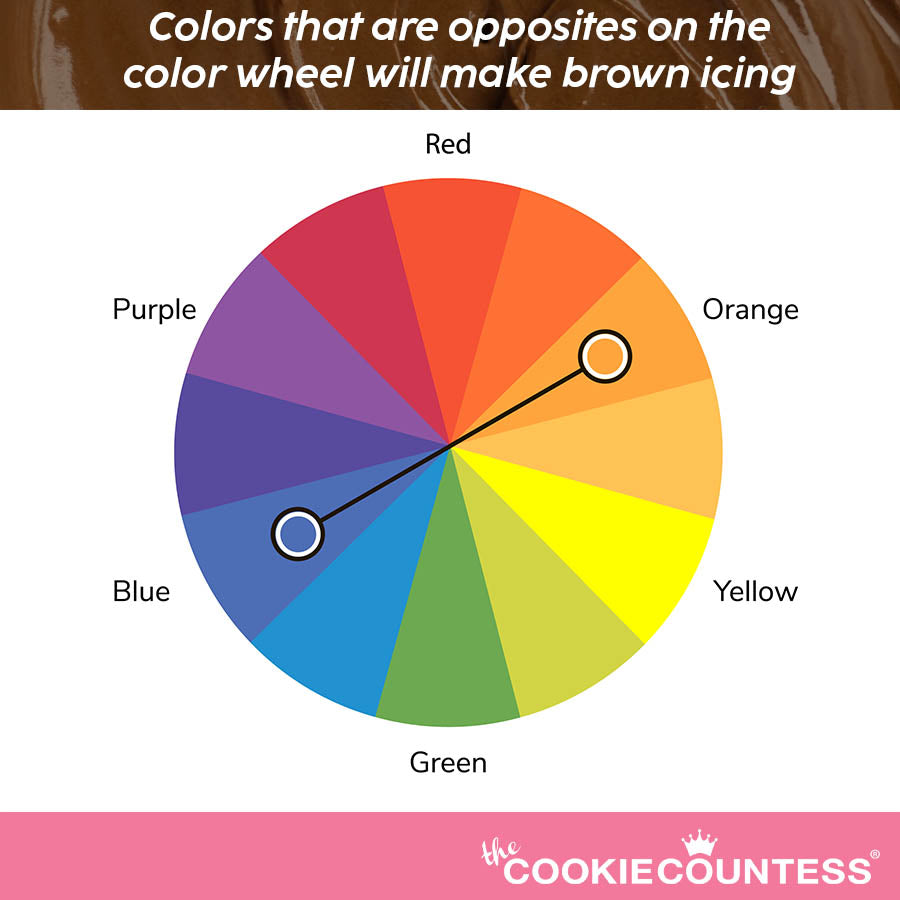
Using complementary colors is a smart way to make brown icing with food coloring. Complementary colors sit opposite each other on the color wheel. When mixed, they cancel each other out and create a natural brown. This method helps you avoid using too many colors and keeps the shade rich and balanced.
Red And Green Combination
Mixing red and green food coloring creates a deep brown shade. Start with a base of red, then slowly add green. The green tones down the brightness of red, resulting in a warm brown. Adjust the amounts to make the brown lighter or darker.
Blue And Orange Mix
Blue and orange are another complementary pair for brown icing. Begin with orange, a mix of red and yellow. Add small drops of blue to neutralize the orange and form brown. This blend gives a cooler brown tone. Add more blue for a darker shade.
Yellow And Purple Blend
Yellow and purple also create brown when combined. Use yellow as the base and add purple gradually. The purple reduces yellow’s brightness, forming a soft brown. This mix often results in a slightly muted brown. Adjust the balance for the shade you want.
Credit: www.thecookiecountess.com
Choosing Food Coloring Types
Choosing the right type of food coloring is important for making perfect brown icing. Different colorings behave differently in icing. Your choice affects the color intensity, texture, and taste. Understanding the types helps you get the shade you want.
Gel Vs Liquid Colors
Gel food colors are thick and concentrated. They give strong colors with just a small amount. Gel colors do not change the icing’s consistency much. This makes them ideal for thick icings like buttercream or royal icing.
Liquid food colors are thinner and less concentrated. You need more drops to reach the same color depth. They can make icing runny if used too much. Liquid colors work well for thin icings or drinks but may alter thick icing texture.
Natural Vs Artificial Options
Natural food colors come from plants, fruits, and vegetables. They have softer, earthier shades. Natural colors are a good choice for those avoiding synthetic ingredients. They may fade faster and need more color to show up well.
Artificial food colors are made in labs. They provide bright, bold colors that last longer. These colors mix easily and produce consistent results. Some people prefer to avoid artificial dyes due to health concerns.
Step-by-step Mixing Guide
Creating brown icing with food coloring is simple with the right steps. This guide breaks down the process clearly. Follow these instructions to get the perfect brown shade for your icing.
Gather Your Ingredients
Start with white icing as your base. Use gel or liquid food coloring in red, yellow, and blue. Have a clean bowl and mixing tool ready.
Mix Red And Yellow To Make Orange
Put a small amount of red and yellow food coloring into the icing. Mix well until you see a bright orange color. This orange forms the base for brown.
Add Blue Slowly To Darken The Color
Add blue food coloring a drop at a time. Mix after each drop. Watch the color turn from orange to brown. Stop when you reach the shade you want.
Adjust The Shade For Warm Or Cool Brown
To warm the brown, add a tiny bit more red. For a cooler shade, add a drop of blue. Mix thoroughly to blend the colors evenly.
Test The Color Before Use
Spread a small amount of icing on a white plate. Let it sit for a few minutes. The color may change slightly as it dries, so adjust if needed.
Tips For Perfect Shade
Creating the perfect brown icing starts with mixing red and yellow to form orange. Gradually add blue to darken and balance the shade. Adjust colors bit by bit to achieve warm or cool tones for the ideal brown.
Getting the perfect brown shade for your icing takes patience and care. Small changes in color can make a big difference. Follow simple steps to create a warm, rich brown every time.
Using food coloring carefully helps you avoid colors that look too bright or dull. Pay attention to the amount and type of colors you add. This way, you control the final shade with ease.
Adding Colors Gradually
Start with small amounts of red, yellow, and blue food coloring. Add each color little by little. Stir the icing well after every drop. This helps you see the true color before adding more.
Adding colors slowly prevents the icing from turning too dark or muddy. It also saves you from wasting icing if you add too much color. Keep track of how many drops you use for future reference.
Testing Small Batches
Mix a small amount of icing first to test your color mix. Use a spoon or a small bowl for this test batch. Adjust the color in the small batch before changing the whole icing.
This method saves time and ingredients. You can try different shades and find the one you like best. Once you get the perfect brown in the small batch, mix the same way with the larger batch.
Darkening Brown Icing
Darkening brown icing can elevate your cake’s appearance and add depth to your decoration. Achieving the perfect dark brown shade requires careful color mixing and sometimes extra ingredients. A basic brown may look flat on certain cakes, so deepening the tone enhances visual appeal. This section explains simple methods to darken brown icing effectively.
Using Blue And Green Shades
Adding small amounts of blue or green food coloring can darken brown icing without changing its warmth. Blue tones cool down the orange base and make the color richer. Green works as a complementary color to red, which helps deepen the brown naturally. Start with tiny drops and mix thoroughly to avoid turning the icing muddy. Test the shade on a small portion before full mixing.
Incorporating Cocoa Or Espresso
Mixing cocoa powder or espresso into your icing adds natural dark brown tones and boosts flavor. Cocoa powder gives a chocolatey depth and thickens the icing slightly. Espresso powder provides a rich, dark color with a subtle coffee taste. Use unsweetened cocoa or instant espresso for best results. Blend a small amount at first, then adjust to reach the desired darkness.
Avoiding Common Mistakes
Making brown icing with food coloring requires patience and care. Small errors can ruin the color or texture. Understanding common mistakes helps avoid frustration and saves time. Focus on simple steps to get the perfect brown shade.
Overmixing Colors
Mixing colors too much can turn brown icing into a dull gray or muddy shade. Blend gently until you see a smooth brown. Stop mixing as soon as the color looks right. Overmixing breaks down the color balance and weakens the tone.
Use a slow speed on your mixer or mix by hand. This control helps keep the color vibrant and fresh. Remember, less is more when blending multiple food colors.
Adding Too Much Coloring
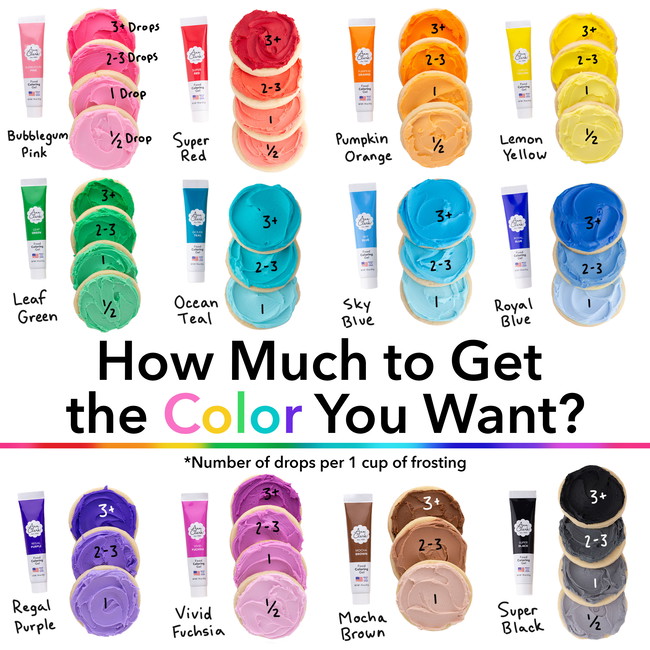
Adding too much food coloring changes the icing’s texture. It may become watery or too soft to spread nicely. Start with a small amount of color and add more slowly. This way, you control the shade without ruining consistency.
Too much coloring can also give a bitter taste. Use gel or paste food coloring for stronger color with less quantity. This keeps your brown icing tasty and smooth.
Flavor Enhancements
Enhancing the flavor of brown icing adds depth and richness beyond just color. Simple additions can make the icing taste more delicious and complement the cake perfectly. These flavor enhancements work well with food-colored brown icing, making every bite enjoyable.
Adding Cocoa Powder
Cocoa powder is a natural way to enrich brown icing flavor. It gives a subtle chocolate taste that pairs well with many cakes. Use unsweetened cocoa powder to avoid extra sweetness. Mix a small amount into the icing and blend well. Adjust the quantity to get the desired chocolate intensity. Cocoa also darkens the icing, helping achieve a richer brown color.
Using Instant Espresso Powder
Instant espresso powder boosts flavor with a deep, coffee-like note. Add just a pinch to your brown icing for a more complex taste. It enhances the chocolate and caramel notes in the icing without making it taste like coffee. Dissolve the powder in a few drops of warm water before mixing it into the icing. This ensures even flavor distribution and smooth texture.
Storing And Using Brown Icing
Proper storage and smart use of brown icing help keep it fresh and perfect for decorating. Brown icing made with food coloring can last longer when stored correctly. Using the right techniques makes your cake look neat and tasty. Below are tips for storing and applying brown icing efficiently.
Storage Tips
Store brown icing in an airtight container to prevent drying out. Keep it in the refrigerator if you plan to use it later. Before using, let the icing reach room temperature for easy spreading. Stir gently to restore smooth texture. Avoid storing icing near strong-smelling foods to keep its flavor pure. For short-term use, cover the bowl tightly with plastic wrap. Use within a week for the best taste and color. Proper storage keeps the icing soft and ready to use.
Application Techniques
Use a piping bag or spatula for smooth icing application. Hold your piping bag at a 45-degree angle for even lines. Apply gentle pressure to control the flow of icing. For a smooth finish, spread icing with a flat spatula in long strokes. Chill the cake between layers of icing to prevent mixing colors. Use small amounts of icing at a time to avoid mess. Clean your tools often to keep the icing neat. Practice these techniques for beautiful, professional-looking cakes.
Credit: www.annclark.com
Frequently Asked Questions
What Colors To Make Brown Icing?
To make brown icing, mix red, yellow, and blue food coloring. Start with red and yellow to form orange, then add blue gradually to darken. Alternatively, combine complementary colors like red and green or blue and orange. Adjust shades by adding more red, yellow, or blue.
How To Make Brown Out Of Food Coloring?
Mix red and yellow to make orange, then add small amounts of blue to darken into brown. Adjust red for warmth or blue for coolness. Alternatively, combine complementary colors like red and green for brown.
What Two Colors To Make Brown?
Mix red and green or blue and orange to make brown. Adjust shades by adding small amounts of yellow or blue.
Can I Mix All Food Coloring To Make Brown?
You can mix red, yellow, and blue food coloring to make brown. Start with orange (red + yellow), then add blue gradually. Adjust shades by adding more red for warmth or blue for coolness. Mixing complementary colors like red and green also creates brown effectively.
What Colors Mix To Make Brown Icing With Food Coloring?
Mix red, yellow, and blue food coloring to create brown icing easily.
Can I Make Brown Icing Without Brown Food Coloring?
Yes, mix red, yellow, and blue or red and green food coloring.
How Much Blue Food Coloring Is Needed For Brown Icing?
Add blue drop by drop to orange base until you get brown color.
How To Adjust Brown Icing Shade With Food Coloring?
Add more red for warm brown or more blue for cooler brown.
Is It Better To Use Gel Or Liquid Food Coloring?
Gel food coloring gives richer color without thinning the icing.
Can I Use Primary Colors Only To Make Brown Icing?
Yes, combine red, yellow, and blue primary colors to get brown.
Conclusion
Making brown icing with food coloring is simple and fun. Start by mixing red and yellow to get orange. Then add blue slowly to darken it to brown. Adjust the colors to get the shade you want. Practice helps you find the perfect balance.
This method works well even without brown food coloring. Now, you can create beautiful brown icing for cakes and cookies easily. Enjoy decorating with your custom brown icing!