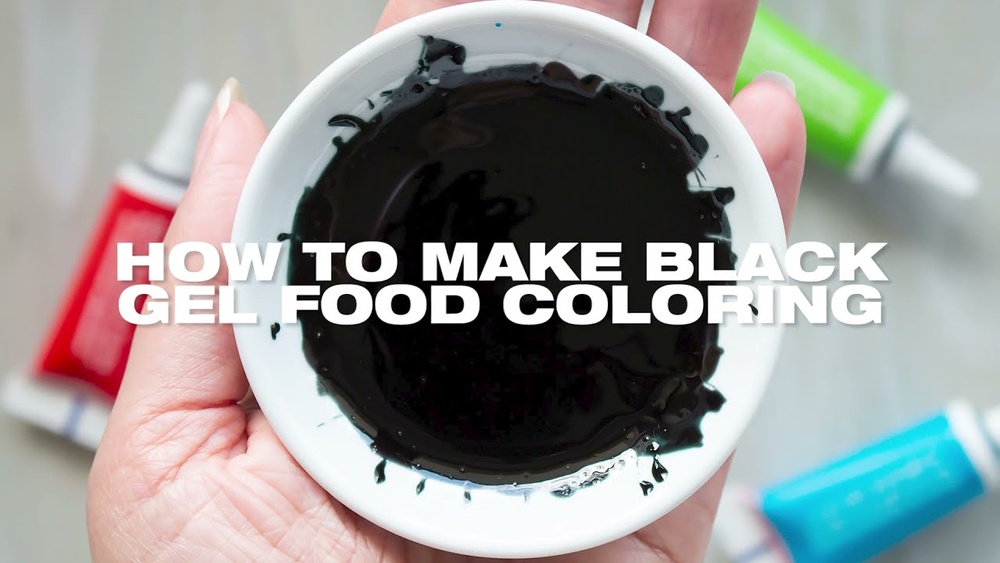
Are you ready to create the perfect black shade with food coloring for your next baking masterpiece? Making black food coloring might seem tricky, but with the right mix and simple tips, you can achieve that rich, deep black you need—whether it’s for frosting, cake batter, or decorations.
In this guide, you’ll discover easy steps to mix colors like a pro, avoid common mistakes, and get a true black every time. Keep reading to unlock the secrets that will take your baking to the next level and impress everyone with your flawless black creations!
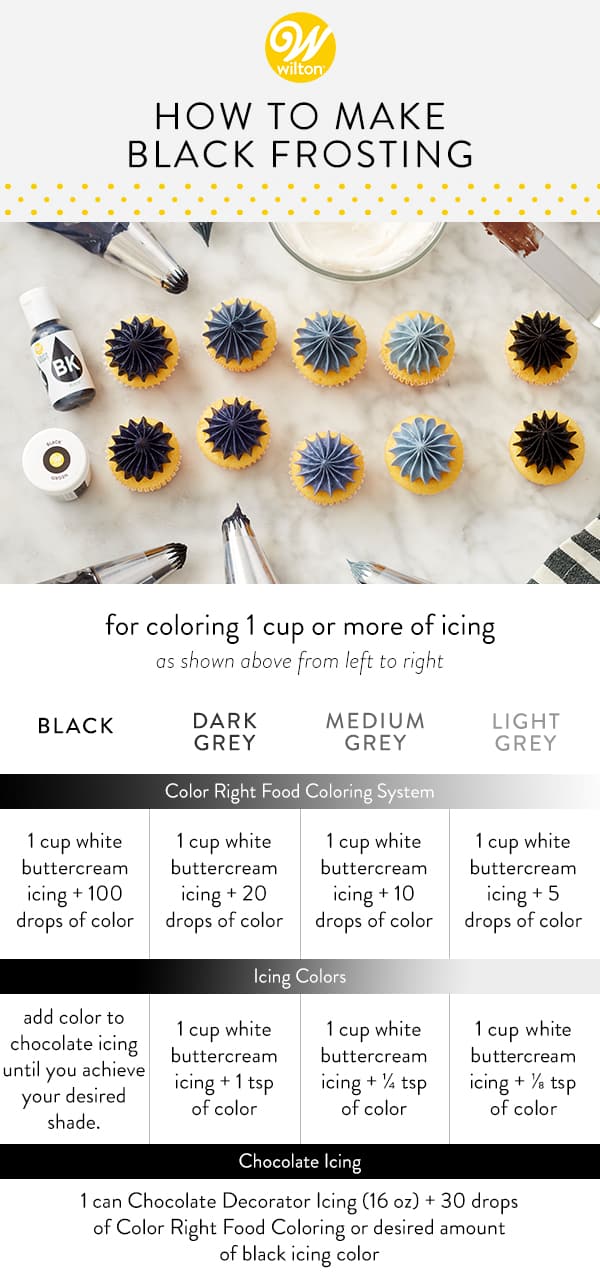
Credit: blog.wilton.com
Choosing The Right Food Coloring
Choosing the right food coloring is key to making a perfect black shade. Not all food colors work the same. Some give a dull black, while others produce a vibrant, deep black. Picking the correct type and quality can change your results entirely.
Food coloring comes in many forms. Liquid, gel, and powder are the most common. Each type behaves differently in recipes and has unique strengths.
Types Of Food Coloring
Liquid food coloring is easy to use and widely available. It spreads quickly but may thin out your mixture.
Gel food coloring has a thicker texture. It provides intense color without adding extra liquid. This makes it ideal for frostings and icings.
Powdered food coloring is highly concentrated. It works well for dry mixes and can create bold colors without changing consistency.
Choosing Colors To Mix For Black
Pure black food coloring is rare. Mixing colors helps you create a rich black shade. Combining red, blue, and green in equal parts often works well.
Using complementary colors like blue and orange or red and green can darken colors effectively. Adjusting the mix lets you reach the perfect black tone.
Quality Matters
High-quality food coloring produces brighter and more consistent colors. Cheap dyes may fade or look dull. Investing in better colors helps achieve a deeper black.
Look for brands with good reviews and food-safe ingredients. This ensures safety and better color results.

Credit: www.lilaloa.com
Primary Colors To Start With
Start with the three primary food colors: red, blue, and yellow. Mixing equal parts creates a dark base. Adjust by adding small amounts of red and green for a richer black shade.
Understanding Primary Colors
Primary colors are the building blocks of all colors. They include red, blue, and yellow. Using these three colors, you can create a wide range of hues, including black.
For food coloring, the primary colors work differently than paint. Mixing them carefully helps reach the darkest shades possible.
Why Use Primary Colors For Black?
Black is not a primary color but can be made by mixing primaries. Combining red, blue, and yellow in equal parts creates a deep, dark color. This mix looks close to black when blended well.
Using primary colors allows control over the shade. Adjusting amounts changes the tone to get a richer black.
Choosing The Right Shades Of Red, Blue, And Yellow
Not all reds, blues, and yellows are the same. Bright or pure colors work best. Avoid pastel or light shades as they dilute the darkness.
Gel or liquid food colors with strong pigmentation give better results. This ensures the black looks bold and intense.
Mixing Red, Blue, And Yellow
Mixing red, blue, and yellow food coloring is a common way to create black. These three colors are primary colors. Combining them in the right way produces a dark, almost black shade.
Using equal parts of red, blue, and yellow usually results in a muddy brown. Adjusting the amounts can help you get closer to black. Understanding how these colors interact is key to success.
Understanding Primary Colors
Red, blue, and yellow are the base colors. They cannot be made by mixing other colors. When combined, they create a range of hues. Mixing all three in equal parts often makes a dark brown.
Balancing The Colors
Start with equal drops of red, blue, and yellow. Mix them well. Check the color and add more blue or red to darken the mix. Yellow should be used carefully to avoid turning the color muddy.
Testing And Adjusting The Shade
Test the mixture on a white surface. If the color looks brownish, add more blue and red. Keep mixing and testing until the color is a deep black. Small changes make a big difference.
Using Complementary Colors For Black
Using complementary colors is a smart way to make black with food coloring. Complementary colors sit opposite each other on the color wheel. When mixed, they cancel each other out. This creates a deep, dark color close to black.
Mixing these colors can give you a rich black shade without using pure black dye. It is a natural method using colors you may already have. Different pairs of complementary colors produce slightly different black tones. Experiment to find the best mix for your recipe.
Blue And Orange
Blue and orange are opposite on the color wheel. Mixing equal parts of blue and orange food coloring creates a dark, nearly black color. Adjust the amounts slightly to get the perfect black tone. This mix works well for frostings and icings.
Red And Green
Red and green also form a complementary pair. When combined, these colors produce a deep dark shade. Use more red than green for a richer black color. This combination works great for recipes needing a warm black hue.
Yellow And Purple
Yellow and purple are complementary colors that blend into a dark shade. Mix equal parts to get a near-black color. This pair is good for creating black tones with a cooler undertone. It’s ideal for decorative food coloring needs.
Adjusting Color Ratios
Adjusting color ratios is key to making the perfect black using food coloring. The balance between colors affects the shade and depth of black you get. Small changes can make the black look dull, muddy, or vibrant.
Start with equal parts of primary colors like red, blue, and green. Mixing these creates a basic dark tone. Then tweak the amounts to get a richer black.
Using More Blue For Cooler Black
Adding more blue shifts the black toward a cooler tone. This looks deeper and less warm. Use blue carefully, as too much can make the color look like dark navy.
Increasing Red For Warmth
Red adds warmth and richness to black. Slightly more red creates a softer, warmer black. Avoid too much red to prevent the color from turning brownish.
Balancing With Green
Green helps neutralize the mix and adds depth. A bit more green keeps the black balanced and natural. Use it sparingly to avoid a muddy look.
Testing And Fine-tuning
Mix small amounts first to test your ratios. Adjust drop by drop for better control. Stir well and check the color in good light. Repeat until you reach the ideal black.
Testing The Shade
Testing the shade is a key step in making black with food coloring. It ensures the color looks right before using it on your food. This process saves time and avoids surprises.
Small changes in color can make a big difference. Testing helps find the perfect balance of colors.
Using A White Surface To Test
Place a small drop of the mixed color on a white plate or paper. The white background shows the true shade clearly. Avoid colored surfaces that may alter the color perception.
Checking Color After Drying
Food coloring can change as it dries. Wait a few minutes after applying the drop. This step helps you see the final color more accurately.
Adjusting The Mix Based On Test Results
If the color is too dark or light, add a little more of the base colors. Test again after each adjustment. This trial and error method leads to the perfect black shade.
Avoiding Bitter Taste In Buttercream
Making black buttercream with food coloring can sometimes lead to a bitter taste. This happens because many black food colorings contain strong pigments or additives. These can affect the flavor of your buttercream. Avoiding this bitterness is key to a delicious and visually striking dessert.
Using the right techniques helps keep the taste smooth and sweet. Choose food colorings and methods that do not overpower the buttercream’s flavor. Small changes can make a big difference in taste and texture.
Choose Gel Or Paste Food Coloring
Gel or paste food coloring contains less liquid than liquid dyes. This means it won’t thin out your buttercream. It also has a stronger color, so you need less. Using less coloring reduces the chance of bitterness.
Add Color Gradually
Start with a small amount of black coloring. Mix it well before adding more. This helps control the flavor and color intensity. Adding too much at once can cause a bitter taste and a runny texture.
Use High-quality Butter
Buttercream flavor depends on the butter quality. Fresh, unsalted butter offers a smooth taste. Lower-quality butter can add a bitter or sour note. Good butter helps balance the food coloring’s flavor.
Mix Multiple Colors For Deep Black
Mix small amounts of red, blue, and green gel colors. This creates a rich black without using too much black dye. It also prevents bitterness. Experiment with ratios until you get a dark, natural black.
Add Flavor To Mask Bitterness
Vanilla, almond, or other extracts can mask slight bitterness. Add a few drops to your buttercream. This enhances the overall flavor and makes the black color taste better.
Tips For Gel Food Coloring
Gel food coloring works well for making black color in baking and cooking. It offers rich color without adding too much liquid. Using gel colors requires some care to get the perfect black shade.
Here are simple tips to help you use gel food coloring effectively for black color.
Start With Primary Colors
Mix red, blue, and yellow gel colors in equal parts. This creates a dark base close to black. Adjust the amounts to deepen the shade.
Add Small Amounts Gradually
Use tiny drops of gel color at a time. It is easy to add more but hard to fix if the color is too dark. Stir well after each addition.
Use A Toothpick For Precision
A toothpick helps control the amount of gel color added. Dip it lightly in the gel and mix into your batter or frosting. This avoids over-coloring.
Mix Thoroughly For Even Color
Blend the gel color completely into your mixture. Uneven mixing can cause streaks or spots. Use a spatula or mixer for best results.
Let The Color Rest
After mixing, let your colored batter or frosting sit for 10–15 minutes. This allows the color to deepen and settle, showing the true black shade.
Balance With Other Colors
Adding a small amount of green or purple can enrich the black color. Experiment with tiny amounts to avoid muddy shades.
Using Black Food Coloring Alternatives
Using black food coloring alternatives offers creative ways to achieve deep black hues in your recipes. These options work well when you lack black dye or want natural ingredients. They provide rich color without artificial additives.
Natural ingredients can create dark shades close to black. Some alternatives also add subtle flavors that enhance your dish.
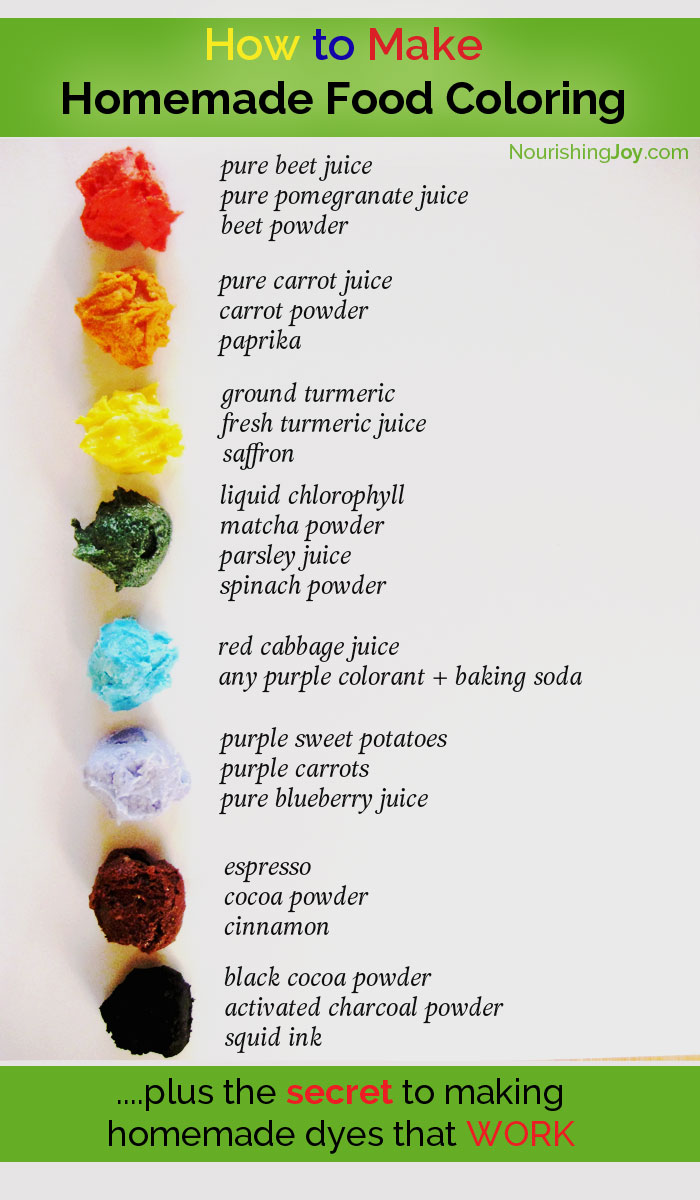
Using Activated Charcoal Powder
Activated charcoal powder is a popular natural black coloring agent. It mixes easily into frostings, dough, and batter. This powder is safe in small amounts and adds a striking black tone.
Use about a quarter teaspoon for every cup of icing. Adjust the amount for darker results. Make sure to buy food-grade charcoal to ensure safety.
Mixing Cocoa Powder And Food Coloring
Cocoa powder gives a rich brown base to darken mixtures. Combine it with blue or green food coloring to deepen the color. This blend creates a near-black shade without harsh chemicals.
Start with unsweetened cocoa powder and add tiny drops of food dye. Mix well until you reach the desired darkness. This method works great for cakes and cookies.
Blending Complementary Colors
Mixing complementary food colors can produce a black-like shade. Combine equal parts of red and green, blue and orange, or yellow and purple. These pairs neutralize each other, resulting in dark tones.
Use small amounts of each color to avoid muddy results. Stir thoroughly to blend colors evenly. This technique is useful when black food coloring is unavailable.
Using Squid Ink For Savory Dishes
Squid ink offers a natural black color for savory recipes. It adds a unique, briny flavor to pasta, rice, and sauces. Use it sparingly to avoid overpowering taste.
Squid ink is a great alternative in seafood dishes that require black coloring. Mix it directly into your recipe for an intense black color.
Credit: nourishingjoy.com
Storing And Maintaining Color Quality
Storing and maintaining the quality of black food coloring is important for consistent results. Proper storage keeps the color vibrant and prevents it from fading or separating over time.
Food coloring can lose its intensity if exposed to heat, light, or air. Keeping it in the right conditions helps preserve its strength and usability for longer periods.
Store In A Cool, Dark Place
Keep black food coloring away from sunlight and heat sources. A cool, dark cabinet or pantry is ideal. Avoid storing near ovens or windows where temperature fluctuates.
Seal Containers Tightly
Always close the bottle or container firmly after use. Air exposure causes the color to dry out or change. Use airtight containers to keep moisture and air out.
Check For Separation Before Use
Sometimes, food coloring may separate into layers. Shake or stir well before using. This restores even color and texture for a smooth mix.
Use Within Recommended Time
Food coloring usually has a shelf life printed on the label. Use it before the expiration date for best results. Old coloring can lose intensity and affect your recipe.
Avoid Contamination
Do not dip dirty utensils into the food coloring. This introduces bacteria and can spoil the color. Use clean tools and avoid double-dipping.
Frequently Asked Questions
How Many Drops Of Food Coloring Do I Need To Make Black?
Mix equal drops of blue, red, and green food coloring. Add extra red and green drops to deepen the black shade. Adjust gradually for a true black color.
What Two Colors Make Black?
Mixing blue and orange or red and green creates a dark color close to black. For true black, blend equal parts of red, yellow, and blue.
How To Make Black Icing With Food Coloring?
Mix red, blue, and green gel food coloring in equal parts. Add extra red and green drops to deepen the black shade. Stir well until you achieve a rich, inky black icing. Adjust colors gradually for the perfect black tone.
What Is The Best Type Of Icing For Black Coloring?
The best icing for black coloring is buttercream with gel food coloring. Gel colors provide deep, vibrant black without thinning the icing. Use high-quality black gel dye for intense color and avoid bitter taste. Mixing small amounts of red and green gels enhances true black shade.
How Do You Make Black Food Coloring At Home?
Mix equal parts of red, blue, and green food coloring to create black.
Which Colors Combine To Create Black Food Coloring?
Red, blue, and green mixed in the right amounts make black food coloring.
How Many Drops Of Food Coloring To Make Black?
Start with a few drops of each color, then add more red and green slowly.
Can Black Food Coloring Be Made From Only Two Colors?
Black is best made by mixing three colors, but blue and orange can get close.
Why Is My Black Food Coloring Not Dark Enough?
Add more red and green drops gradually to deepen the black color.
Is Gel Food Coloring Better For Making Black Color?
Gel food coloring provides richer and more intense black shades than liquid types.
Conclusion
Making black with food coloring is simple and fun. Mix equal parts of red, blue, and green dyes first. Add small extra drops of red and green to deepen the color. Test the mixture on a white surface to see the true black shade.
Adjust slowly—too much color can change the tone. This method works well for cakes, frostings, and other treats. Experiment with different ratios to find your perfect black. Enjoy creating rich, dark colors in your cooking and baking projects!