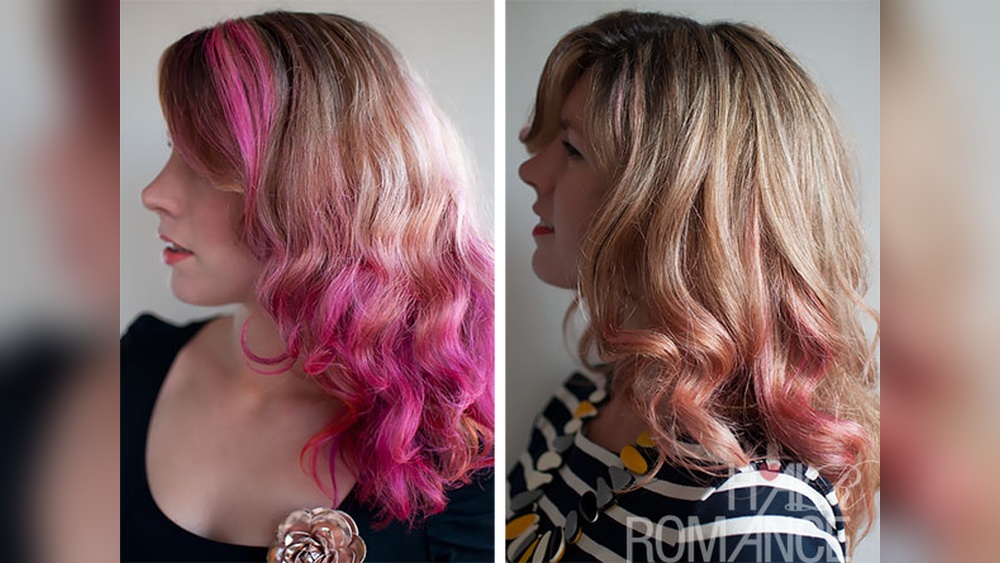
Wondering how long your hair color will really last? You’re not alone.
Whether you’ve just stepped out of the salon with a fresh new shade or are thinking about trying a bold color, knowing how long that color stays vibrant is key. Hair dye doesn’t last forever, and several factors—like the type of dye, how often you wash your hair, and even the products you use—can speed up or slow down fading.
You’ll discover exactly what affects your hair color’s lifespan and learn simple tips to keep your shade looking fresh longer. Ready to unlock the secrets behind lasting color? Keep reading to find out!
Credit: www.youtube.com
Hair Dye Types
Hair dye comes in several types. Each type lasts for a different time. Knowing these types helps you choose the right one. It also sets expectations for how long your color will stay vibrant.
The main hair dye types are permanent, semi-permanent, and temporary. Each has its own method and effect on your hair.
Permanent Color
Permanent hair color changes your hair’s natural pigment. It uses chemicals to open the hair cuticle. Then, color molecules enter and bond inside the hair shaft. This creates a long-lasting effect that can cover gray hair well.
Permanent color usually lasts 6 to 8 weeks. It fades slowly as your hair grows and is washed. Root touch-ups are needed to maintain an even look.
Semi-permanent Color
Semi-permanent dye coats the hair surface without opening the cuticle. It deposits color but does not change the natural pigment deeply. This type is gentler and causes less damage.
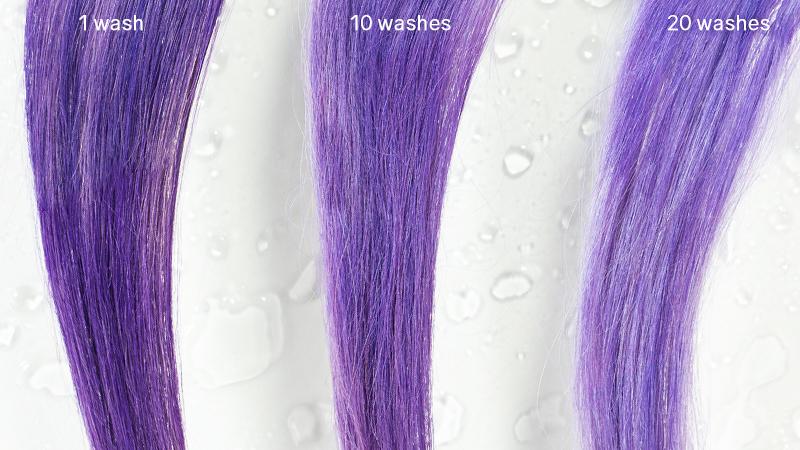
Semi-permanent color fades after 4 to 12 washes. It is great for adding shine or boosting natural color. It also suits those who want to experiment without commitment.
Temporary Color
Temporary hair color sits on the hair surface. It does not penetrate the hair shaft. This type rinses out completely after one wash.
Temporary color works well for special occasions or short-term changes. It allows quick color shifts without any damage or long-term effects.
Fading Timeline
The fading timeline of hair color varies by dye type and hair care habits. Understanding how hair color fades helps you maintain your desired shade longer. Color loss can occur gradually or quickly, depending on several factors.
Color fades as the dye molecules break down or wash out over time. Exposure to water, heat, and harsh products speeds this process. Different hair colors and dye types have unique fading patterns.
How Fast Does Color Fade?
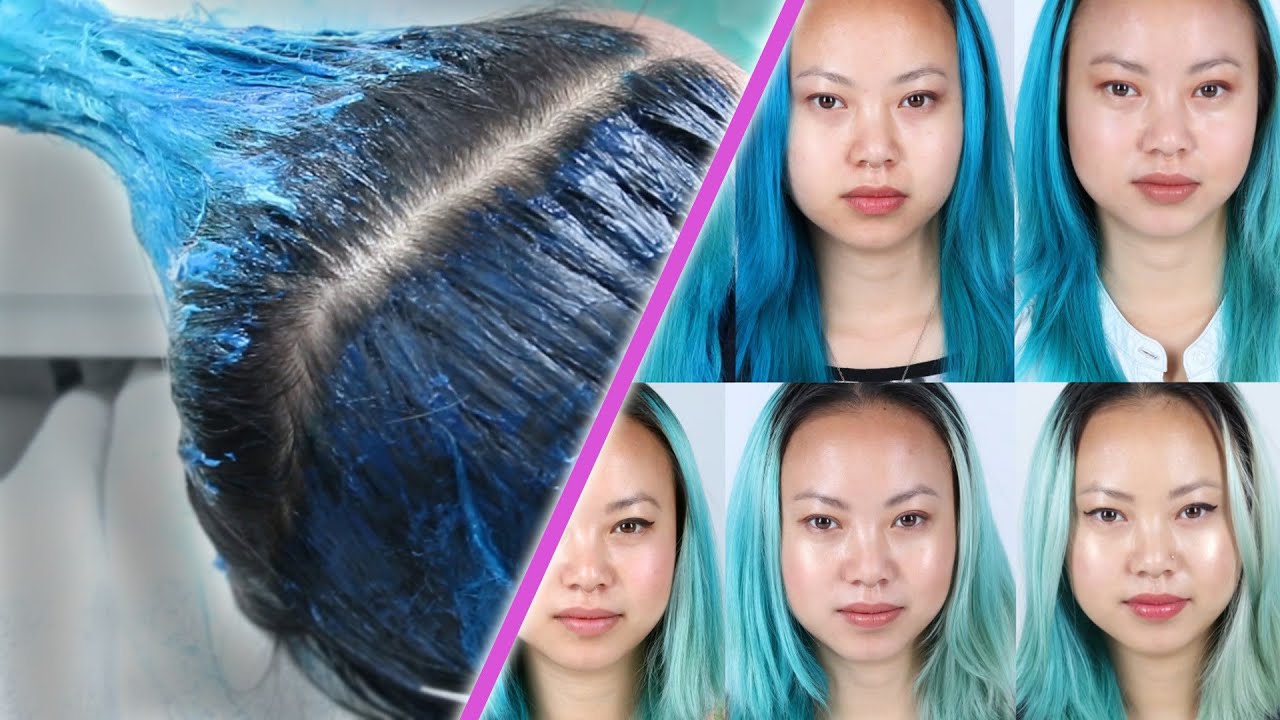
Hair color can start fading within a week after dyeing. Semi-permanent colors usually fade faster than permanent ones. Frequent washing removes color molecules from the hair shaft. Hot water and strong shampoos cause colors to fade quickly. Sun exposure and heat styling tools also weaken color intensity. Hair that is porous or damaged loses color faster. Proper care with color-safe products slows fading.
Permanent Vs Semi-permanent Lifespan
Permanent hair color lasts about 6 to 8 weeks. It penetrates deeply into the hair cortex for longer-lasting results. Roots will grow out, showing natural hair color over time. Semi-permanent color coats the hair surface and fades in 4 to 12 washes. It is ideal for short-term color changes or refreshing faded shades. Semi-permanent dyes are gentler but less durable. Permanent dyes require touch-ups to maintain vibrancy.
Factors Affecting Fade
Several factors influence how fast hair color fades. Understanding these helps maintain vibrant hair longer. Each factor plays a unique role in color retention or loss. Below are key elements affecting hair color fade.
Hair Porosity
Hair porosity describes how well hair absorbs and holds moisture. Highly porous hair absorbs color quickly but also loses it faster. Damage from heat or chemicals increases porosity. Less porous hair holds color longer and looks fresher.
Washing Frequency
Washing hair too often strips color molecules away. Frequent washing with shampoo causes faster fading. Reducing wash days can preserve color. Using dry shampoo extends time between washes.
Water Temperature
Hot water opens hair cuticles, letting color escape easily. Warm or cool water keeps cuticles closed and color sealed. Washing hair with lukewarm or cool water slows color fade. Hot showers harm color-treated hair.
Hair Products
Shampoos with sulfates and harsh chemicals remove color quickly. Color-safe and sulfate-free products protect hair dye. Conditioners help lock color in place. Avoid clarifying shampoos to maintain color vibrancy.
Heat Styling
High heat from straighteners, curling irons, or blow dryers damages hair. Heat breaks down color molecules and causes fading. Using heat protectant sprays reduces damage. Lower heat settings extend color life.

Credit: itselixir.com
Hardest Colors To Remove
Removing hair color can be challenging, especially with certain shades. Some colors are known for their strong pigments that stick to hair longer. These colors often need multiple treatments or bleaching to fade or remove. Understanding which colors are hardest to remove helps you choose wisely.
Black And Dark Shades
Black hair dye is the toughest to remove. It contains deep, dark pigments that penetrate the hair shaft deeply. Removing black usually requires bleaching, which can damage hair. Dark browns and other dark shades also resist fading. They often leave a tint even after color removal.
Vivid Reds
Vivid reds are bright and bold. Their large pigment molecules hold tightly in hair. Red dyes fade slowly and can stain the hair shaft. Removing vivid reds often needs strong color removers or bleach. This process can take several sessions for full removal.
Blue And Green
Blue and green dyes are stubborn colors. Blue’s pigment molecules are large and hard to lift. Green can be tricky, especially if it comes from faded blue. Trying to go lighter from green may result in muddy or uneven colors. Removing these colors can be a long process.
Purple And Pastels
Purple shades, both bright and dark, are difficult to fully remove. They can fade to unwanted green or gray tones. Pastels require a very light hair base to show well. Removing pastels is tough because they often fade unevenly. Bleaching may be needed for complete removal.
Why Some Colors Resist Fading
Some hair colors hold their vibrancy longer than others. This happens because of the way the dye interacts with your hair. Certain factors make some colors more resistant to fading. Understanding these reasons helps you choose colors that last longer.
Large Pigment Molecules
Colors with large pigment molecules stay in the hair longer. These molecules are too big to wash out easily. Red and blue shades often have large pigment particles. They cling to the hair strands and resist fading through washing.
Deep Hair Shaft Penetration
Some dyes penetrate deeply into the hair shaft. This means the color sits inside the hair, not just on the surface. Deeper penetration protects the color from quick fading. Permanent dyes usually reach deep into the hair shaft, making them last longer.
Color Build-up
Repeated coloring creates a build-up of pigment layers. This build-up strengthens the color intensity. Over time, the hair holds more color molecules. This makes the color appear richer and less likely to fade fast.
Removing Stubborn Colors
Removing stubborn hair colors can be a challenge. Some colors cling tightly to the hair strands. These hues often need special care and treatment to fade or disappear. Patience and the right methods can help you achieve the desired result without damaging your hair.
Professional Removal Methods
Hair professionals use specialized products to remove tough colors. Color removers and bleach are common options. These treatments break down color molecules inside the hair. Experts can target the pigment without harming hair structure. Salon removal is safer than home remedies for deep colors.
Multi-step Process
Stubborn hair colors rarely vanish after one session. Often, multiple treatments are required to lighten the color fully. The process may include color stripping, bleaching, and toning. Each step helps lift pigments gradually. This approach reduces damage and avoids unwanted tones.
Aftercare Tips
After color removal, hair needs gentle care. Use sulfate-free shampoos to protect hair health. Deep conditioning treatments restore moisture and softness. Avoid heat styling to prevent extra damage. Regular trims help remove split ends and keep hair strong.
Extending Color Vibrancy
Keeping your hair color bright and fresh can be challenging. Color tends to fade over time due to washing, sun exposure, and heat styling. Simple habits and the right products help maintain color vibrancy longer. Here are key ways to protect your colored hair and enjoy vibrant tones.
Using Color-safe Products
Choose shampoos and conditioners made for color-treated hair. These products are gentle and do not strip away color. Avoid shampoos with sulfates, as they can fade color quickly. Look for formulas with moisturizing ingredients to keep hair healthy and shiny. Using color-safe products daily helps maintain brightness and prevents dullness.
Washing Tips
Wash your hair less often to keep color from fading fast. Hot water opens hair cuticles and lets color wash out. Use cool or lukewarm water instead. When washing, be gentle and avoid scrubbing too hard. Pat hair dry rather than rubbing with a towel. These small habits reduce color loss and keep hair looking fresh.
Heat Protection
Heat tools cause color to fade by damaging the hair shaft. Always apply a heat protectant spray or serum before blow-drying or styling. Limit the use of hot tools like straighteners and curling irons. Choose lower heat settings when styling. Protecting hair from heat preserves color and keeps hair smooth and vibrant.
Credit: overtone.co
Color Maintenance Routines
Maintaining vibrant hair color requires a consistent care routine. Color maintenance routines help extend the life of your hair dye. They keep your hair healthy and the color looking fresh. Simple daily habits can make a big difference in color longevity.
Touch-up Frequency
Regular touch-ups prevent visible roots and fading. Most people need touch-ups every four to six weeks. This depends on hair growth and color type. Permanent colors last longer between touch-ups than semi-permanent ones. Scheduling touch-ups keeps your color even and bright.
Deep Conditioning
Deep conditioning restores moisture to colored hair. Hair dye can dry out your strands, causing dullness. Using a deep conditioner once a week helps repair damage. It also seals the hair cuticle to lock in color. Choose products made for color-treated hair for best results.
Avoiding Damage
Damaged hair loses color faster and looks faded. Avoid heat styling tools or use heat protectants. Limit washing your hair to prevent color washout. Use cool or lukewarm water instead of hot water. Choose gentle, sulfate-free shampoos to protect color molecules. Protect hair from sun exposure with hats or sprays.
Diy Vs Professional Coloring
Choosing between DIY hair coloring and professional salon services affects how long your hair color lasts. Both methods have pros and cons. Understanding these helps you decide what suits your needs and budget. Hair color from a salon often lasts longer and looks more even. At-home dyeing can be cheaper but might fade faster or look uneven.
Benefits Of Salon Coloring
Salon coloring uses high-quality products that last longer on hair. Professionals mix colors precisely for the best shade and coverage. They protect your hair from damage during the process. Salons offer treatments that keep color vibrant and hair healthy. Experts fix mistakes and adjust colors to match your style. The overall result looks natural and polished. This method reduces the chance of uneven fading or patchy spots. You get advice on how to maintain color for a longer time.
Risks Of At-home Dyeing
At-home hair dye kits may not cover gray hair well. The color can fade quickly due to less durable formulas. Mistakes like uneven application or wrong color choice are common. DIY dyeing might damage hair if instructions are not followed carefully. Some products contain harsh chemicals that weaken hair strands. Overlapping or re-dyeing without professional guidance causes dryness and breakage. The color might turn out different from the box shade. Fixing errors usually requires a salon visit, adding extra cost.
Trends In Hair Color Longevity
Hair color longevity has seen many changes due to new trends and technology. People want their hair color to last longer without fading. This demand drives innovation in the beauty industry. Hair dye brands now focus on creating colors that stay vibrant for weeks. These improvements help reduce the need for frequent touch-ups. The result is more time saved and less damage to hair.
Innovations In Dye Technology
New hair dye formulas use advanced pigments. These pigments bond better with hair strands. This creates stronger color retention and prevents quick fading. Many dyes now contain nourishing ingredients that protect hair. This keeps hair healthier and color brighter. Some products use micro-encapsulation technology. It slowly releases color molecules for longer-lasting results. These innovations help maintain vivid shades even after many washes.
Popular Long-lasting Shades
Certain hair colors naturally last longer than others. Dark shades like deep brown and black tend to hold color well. They have strong pigments that stay in hair fibers. Rich reds are also popular for lasting power. These shades penetrate hair deeply and resist fading. Cool tones like ash and platinum blondes fade faster. But new dye technology improves their durability. Choosing the right shade can extend the time between color treatments.
Frequently Asked Questions
How Long Does It Take Hair Color To Fade?
Hair color typically fades within 4 to 8 weeks, depending on dye type and hair care habits. Frequent washing, hot water, and heat styling speed fading. Porous or damaged hair releases color faster. Using sulfate-free, color-safe products helps maintain vibrancy longer.
What’s The Hardest Color To Get Out Of Hair?
Black is the hardest hair color to remove due to its dark pigment and deep penetration. Vivid reds also resist fading because of large pigment molecules. Both often require professional, multi-step treatments like bleaching and color correction to remove effectively.
Will Permanent Hair Dye Fade Out Completely?
Permanent hair dye usually fades gradually but does not disappear completely. Color loss depends on hair type, dye quality, and care. Proper maintenance can slow fading, but some pigment always remains in the hair shaft.
Which Hair Color Brand Stays The Longest?
Wella Professionals and L’Oréal Excellence offer long-lasting hair color with vibrant, fade-resistant results. Permanent dyes usually last 6-8 weeks. Using color-safe products and minimizing heat styling helps maintain color longevity.
How Long Does Permanent Hair Color Last?
Permanent hair color typically lasts 6 to 8 weeks before noticeable fading occurs.
What Affects How Long Hair Color Stays Vibrant?
Hair porosity, washing frequency, water temperature, and hair products all impact color longevity.
How Long Does Semi-permanent Hair Color Last?
Semi-permanent color usually lasts 4 to 6 weeks and fades gradually with washing.
Can Hair Color Fade Faster With Frequent Washing?
Yes, washing hair often speeds up fading, especially with semi-permanent dyes.
Does Hot Water Cause Hair Color To Fade Quicker?
Hot water can break down color molecules, leading to faster fading.
What Hair Products Help Maintain Hair Color Longer?
Color-safe, sulfate-free shampoos and conditioners protect color and reduce fading.
Conclusion
Hair color lasts differently depending on the type used and care taken. Permanent dyes often stay longer, while semi-permanent colors fade faster. Washing hair less and using cool water helps maintain color. Heat and harsh shampoos can cause faster fading.
Porous or damaged hair loses color quickly too. Choosing color-safe products protects your shade. Remember, some colors like black and red are harder to remove. Understanding these factors helps you keep your hair vibrant for weeks. Simple care routines make a big difference in color longevity.
Keep these tips in mind for lasting, beautiful hair color.