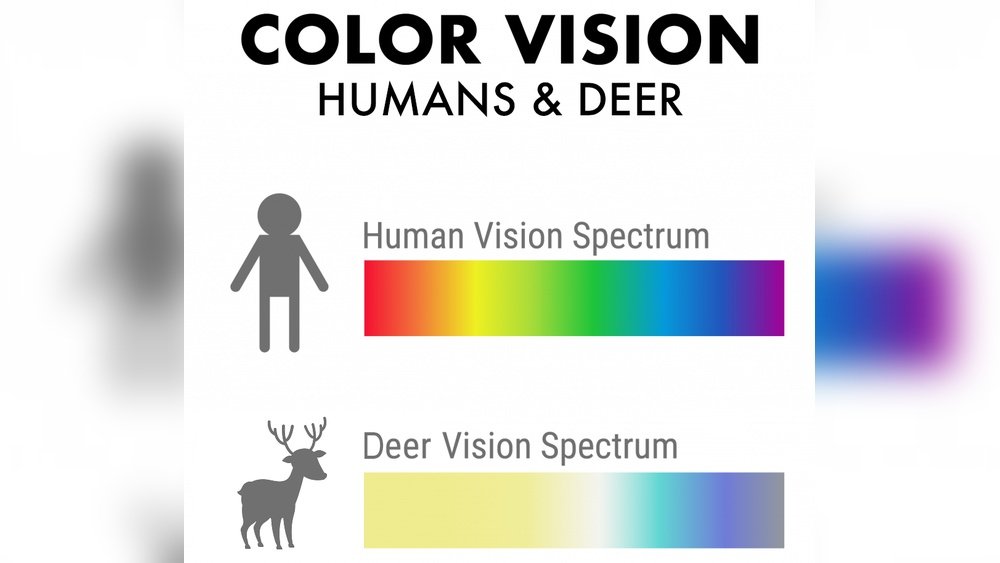
Have you ever wondered if deer see the world in colors like you do? You might assume these graceful creatures notice vibrant hues, but the truth is surprising.
Understanding whether deer are color blind can change how you think about their behavior—and even how you approach outdoor activities like hunting or wildlife watching. If you want to know how deer perceive colors, why camo works the way it does, and what that means for your next encounter in nature, keep reading.
This eye-opening insight will give you a fresh perspective on deer vision and help you see the forest—and its inhabitants—in a whole new light.
Credit: www.kokomotribune.com
Deer Vision Basics
Deer see the world differently than humans do. Their eyes are built to detect motion and shapes more than colors. This helps them stay safe in the wild.
Their vision works well in low light. Deer are most active at dawn and dusk. Their eyes have more rods, which help in dim light, than cones, which detect color.
How Deer See Colors
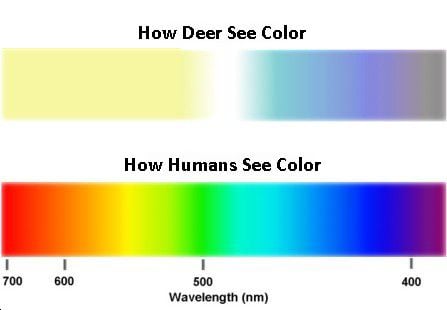
Deer have two types of color receptors in their eyes. Humans have three. This means deer see fewer colors. They mainly see blues and greens. Reds and oranges look dull or gray to them.
Deer’s Field Of View
Deer have eyes on the sides of their heads. This gives them a wide field of view. They can see almost 310 degrees around them. This wide view helps spot predators early.
Night Vision Ability
Deer see well in the dark. Their eyes have a layer called the tapetum lucidum. It reflects light inside the eye. This makes their night vision sharper than humans’.

Credit: www.shadowhunterblinds.com
Color Perception In Deer
Deer perceive colors differently than humans. Their vision is adapted to detect movement and shapes more than vibrant colors. This unique color perception helps deer survive in the wild by spotting predators early.
Understanding deer color perception reveals why some colors stand out more to them. It also explains how deer respond to various environments and objects.
Deer Have Dichromatic Vision
Deer see the world mainly in two colors. They have two types of color receptors, unlike humans who have three. This means deer see fewer colors and have difficulty distinguishing reds and greens.
Their vision is similar to red-green color blindness in humans. Reds may appear as dark or grayish tones to deer. Greens may look like a yellowish or dull color.
Colors Deer Can See Well
Deer can see blues and yellows clearly. These colors stand out more in their vision. Bright colors in the blue and yellow range appear more vivid to them.
This ability helps deer notice changes in their surroundings, like a blue sky or yellow flowers. They rely on these colors to navigate and stay alert.
Why Movement Matters More Than Color
Deer are very sensitive to movement and contrast. Their eyes detect motion better than color details. Even small movements can catch a deer’s attention from far away.
This focus on movement helps deer avoid danger. It also explains why camo clothing works. Camo breaks up shapes and hides human outlines rather than relying on color alone.
Dichromatic Vision Explained
Deer do not see colors like humans. Their eyes have two types of color receptors. This is called dichromatic vision. It limits the range of colors they can detect.
Humans have three types of receptors, called trichromatic vision. This difference affects how deer perceive their surroundings. It influences their ability to spot predators or food.
What Is Dichromatic Vision?
Dichromatic vision means having two color receptors. Deer have receptors for blue and green light. They lack receptors for red light. This causes difficulties in seeing red and orange colors clearly.
How Deer See Colors
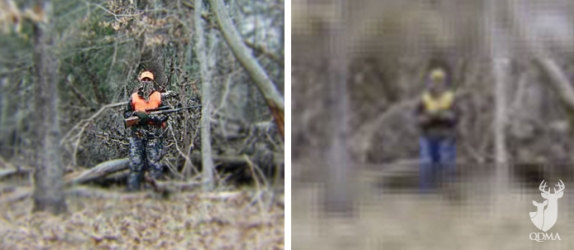
Deer see blues, greens, and some yellows well. Reds appear dull or brownish to them. This helps deer blend with green forest environments. It also explains why bright orange hunting gear is visible to humans but less so to deer.
Benefits Of Dichromatic Vision
Dichromatic vision helps deer detect movement better. Their eyes are more sensitive to light and contrast. This helps them spot predators quickly, especially in low light. It supports their survival in dense forests and twilight hours.
Colors Deer Can Detect
Deer do not see colors like humans do. Their vision is simpler, but still useful. Understanding which colors deer can detect helps us learn how they behave and react.
Deer have two types of color receptors in their eyes. This type of vision is called dichromatic. It allows them to see some colors, but not all.
Blue And Yellow Shades
Deer easily see blue and yellow colors. These colors stand out well in their environment. Blue and yellow signals can catch a deer’s attention from a distance.
Limited Red And Green Detection
Deer struggle to see red and green colors clearly. These colors often look like shades of gray or brown to them. This makes red and green less visible in the woods.
Importance Of Contrast
Deer rely on contrast more than color details. Dark and light differences help them detect shapes and movement. This helps deer spot predators or humans even if colors blend in.
Why Orange Appears Different
Orange appears very different to deer than it does to humans. This difference is tied to how deer see colors. Deer do not see all colors the way people do. They have fewer types of color receptors in their eyes. This limits the range of colors they can detect.
Because deer have dichromatic vision, they see fewer colors. This means orange looks unlike the bright shade humans see. To deer, orange may appear as a dull or dark shade. It might even look similar to green or brown.
Deer’s Color Vision Explained
Deer have two types of color receptors, unlike humans who have three. These receptors detect blue and green shades best. Reds and oranges are harder for deer to see clearly. This limits their ability to distinguish these colors from others.
How Orange Looks To Deer
Orange appears less vibrant to deer. It may look like a dark brown or gray. This is because deer cannot detect red shades well. Their eyes mix orange with nearby colors, changing its look.
Why Hunters Wear Orange
Hunters wear bright orange for human safety, not deer visibility. Deer do not see orange as a warning color. But orange stands out strongly to humans. It helps prevent accidents by making hunters easy to spot.
What Deer Really Notice
Deer focus more on shapes and movements than colors. They spot motion quickly, which helps them detect danger. Camouflage works by breaking up human shapes, not by hiding colors. This is why camo patterns help hunters stay unseen.
Credit: deerassociation.com
Impact Of Color On Deer Behavior
Color plays a unique role in how deer behave and react to their surroundings. Their vision is different from humans, affecting how they see colors and shapes. Understanding this impact helps explain deer actions in nature and during hunting seasons.
Deer rely more on movement and contrast than on vibrant colors. This makes their behavior less about color recognition and more about detecting changes in their environment. Color influences their reactions but is not the main factor.
Deer’s Color Vision And Its Limits
Deer have dichromatic vision, meaning they see fewer colors than humans. They mainly detect blue and green shades but struggle with reds and oranges. This limited color range shapes how they perceive their environment.
Because of this, colors like bright red or orange may appear dull or grayish to deer. Their color perception does not trigger strong reactions based on color alone.
How Color Affects Deer Alertness
Bright colors do not startle deer as much as movement or sharp contrasts. Deer notice sudden motions quickly and focus on shapes more than colors. This alertness helps them sense danger even when colors are muted.
Colors that contrast with natural backgrounds may catch a deer’s eye, but it is the change in shape or motion that causes them to flee.
Role Of Camouflage And Color Patterns
Camouflage works by breaking up human shapes, not by hiding colors from deer. Patterns that blend with the environment reduce a hunter’s visibility. This confuses deer, making it harder for them to identify threats.
Even with limited color vision, deer struggle to spot irregular shapes. Camouflage exploits this by focusing on form and contrast instead of bright colors.
Camouflage And Deer Vision
Deer see the world differently than humans. Their vision affects how they detect threats and find food. Understanding this helps explain why camouflage works well for hunters and wildlife watchers.
Deer do not see all colors like humans. They have fewer color receptors, so their color vision is limited. This means colors that stand out to us may look dull or even invisible to deer.
How Deer See Colors
Deer have dichromatic vision. They mainly see shades of blue and yellow. Reds and greens appear as gray or brown to them. This color limitation means bright red or orange clothing may not stand out as much as people think.
The Role Of Movement And Contrast
Deer are very sensitive to movement. Even small motions can catch their attention quickly. They also notice shapes and contrasts more than colors. This helps them detect predators or humans hiding in the forest.
Why Camouflage Works
Camouflage patterns break up the human outline. They mix shapes and shadows to blend with trees and leaves. This makes it harder for deer to see a person as a clear shape. Camouflage relies on disrupting form, not just color.
Choosing Camouflage For Hunting
Good camo uses natural colors and patterns. It mimics the environment where deer live. Even if deer cannot see all colors, camo helps hide the hunter’s shape. This reduces the chance of being spotted.
How Patterns Break Up Shape
Deer do not see colors the same way humans do. Their vision focuses more on shapes and movement. Patterns help hide shapes by breaking up outlines. This makes it harder for deer to spot humans or predators.
Camouflage uses this principle to blend shapes into the environment. Instead of relying on color, patterns create visual noise. This confuses the deer’s eyes and brain, making objects less noticeable.
Disrupting The Silhouette
Patterns break the clear outline of a shape. The eye can’t easily follow the edges. This makes the shape blend with the background. Deer find it difficult to detect a broken silhouette.
Blending With Natural Backgrounds
Natural patterns mimic leaves, shadows, and branches. These designs mix with the environment. They reduce contrast between the object and its surroundings. Deer see fewer clear shapes to focus on.
Reducing Movement Detection
Patterns help hide small movements. Movement is one of the main triggers for deer alertness. Breaking up the shape makes movement less obvious. This lowers the chance of being noticed.
Movement Versus Color Detection
Deer rely on both movement and color detection to understand their surroundings. Their eyes are built to spot motion quickly. This ability helps them escape predators. Color plays a smaller role in their vision. Deer see fewer colors than humans do. Movement triggers their attention more than color differences.
While humans notice bright colors, deer focus on shapes that move. A still object is much harder for a deer to detect. Even if an object has strong colors, it might go unnoticed if it does not move. This explains why hunters wear camouflage. Camouflage hides their shape, not just color. It blends them into the environment, reducing chances of being seen.
How Deer Detect Movement
Deer have a wide field of view. Their eyes are positioned on the sides of their heads. This placement helps them detect movement from many angles. Motion excites their brain’s alert system. Even slight movements catch their attention fast. This helps deer stay safe in the wild.
Deer’s Limited Color Vision
Deer are dichromatic. They see mainly blues and greens. Reds and oranges appear dull or grayish to them. This means bright colors do not stand out as much. Their color vision is adapted for dawn and dusk. These times have lower light and less color variation.
The Role Of Contrast In Deer Vision
Contrast is important for deer. They notice differences in light and dark. This helps them spot shapes and edges. Camouflage uses contrast to break up outlines. This makes humans harder to identify as threats. Deer react more to sudden contrasts and movement than to color changes.
Hunting Tips Based On Deer Sight
Understanding how deer see can greatly improve hunting success. Deer vision differs from human vision. They see colors differently and notice movement keenly. This knowledge helps hunters choose the right clothing and tactics.
Using deer sight traits, hunters can reduce detection risk. Focusing on shape, contrast, and movement is more effective than relying on color. Here are key hunting tips based on deer sight.
Deer Color Perception And Its Impact On Hunting
Deer have dichromatic vision, meaning they see fewer colors. They mainly see blues and yellows but struggle with reds and oranges. Bright colors like blaze orange look dull or grayish to them. This means hunters wearing orange remain visible to humans but less so to deer.
Hunters should avoid bright red or dark green clothing. These colors stand out more to deer. Wearing muted colors that blend with the environment helps hunters stay unnoticed.
Importance Of Camouflage Patterns
Camo patterns break up the human shape and reduce detection. Deer focus on outlines and movement more than color. Camouflage disrupts the hunter’s silhouette against natural backgrounds.
Choosing camo with natural shapes like leaves and branches is best. Patterns that match the terrain help hunters blend in. Movement control remains critical even with good camo.
Movement And Contrast Sensitivity
Deer are highly sensitive to movement. Even small motions catch their attention quickly. Hunters must move slowly and carefully to avoid alerting deer.
High contrast between a hunter and the background also draws deer’s eyes. Wearing clothing that matches the environment reduces contrast. Avoid sudden movements that create sharp outlines.
Frequently Asked Questions
Why Wear Camo If Deer Are Color Blind?
Camo breaks up a hunter’s outline, blending them into surroundings. Deer detect shapes and movement, not colors, so patterns disrupt their silhouette effectively.
What Color Do Deer See Best?
Deer see blue and green colors best due to their dichromatic vision. They perceive red and orange as dull shades, focusing more on movement and shapes.
What Color Should You Not Wear For Deer Hunting?
Avoid wearing bright red or white for deer hunting, as these colors can stand out and alert deer. Deer see orange as dull, so blaze orange is safe and legal. Focus on camouflage patterns that break up your outline rather than relying on color alone.
Can Deer See Orange?
Deer see orange differently than humans. They perceive it as a dull brown or gray, not bright orange.
Can Deer See Colors Like Humans Do?
Deer see some colors but not as vividly as humans. They mainly detect blue and green shades.
Are Deer Completely Color Blind?
No, deer are not completely color blind. They see limited colors, mostly blues and greens.
What Colors Can Deer See Best?
Deer see blue and green colors best. They have trouble seeing red and orange hues.
Do Deer See The Color Orange?
Deer have difficulty seeing orange. It often appears as a shade of gray or brown to them.
Why Do Hunters Wear Blaze Orange If Deer See Poorly?
Hunters wear blaze orange for human safety. Deer do not recognize it well, but humans can see it clearly.
How Does Deer Vision Affect Camouflage Effectiveness?
Deer rely on shapes and movement more than color. Camouflage breaks up the human outline, hiding hunters.
Conclusion
Deer do not see colors like humans do. They have limited color vision, mainly seeing blues and yellows. Red and green colors appear dull or gray to them. This means deer are not fully color blind but see fewer colors.
Their strong vision detects movement and shapes better than color. Hunters use camouflage to blend shapes, not colors, to avoid detection. Understanding deer vision helps improve hunting strategies safely and ethically. Knowing how deer see the world makes outdoor experiences more respectful and successful.