Are you wondering how to make the perfect shade of brown for your next art project or DIY craft? Brown might seem simple, but creating just the right tone can be tricky if you don’t know the secrets behind mixing colors.
Whether you want a warm, rich brown or a cooler, muted shade, understanding how to blend colors correctly will give you full control over your palette. In this guide, you’ll discover easy steps and helpful tips to mix brown using basic colors you probably already have.
Keep reading, and you’ll soon master the art of making brown that fits exactly what you need.
Basic Brown Mix
The basic brown mix is simple and effective. Brown is not a primary color. It is made by combining other colors.
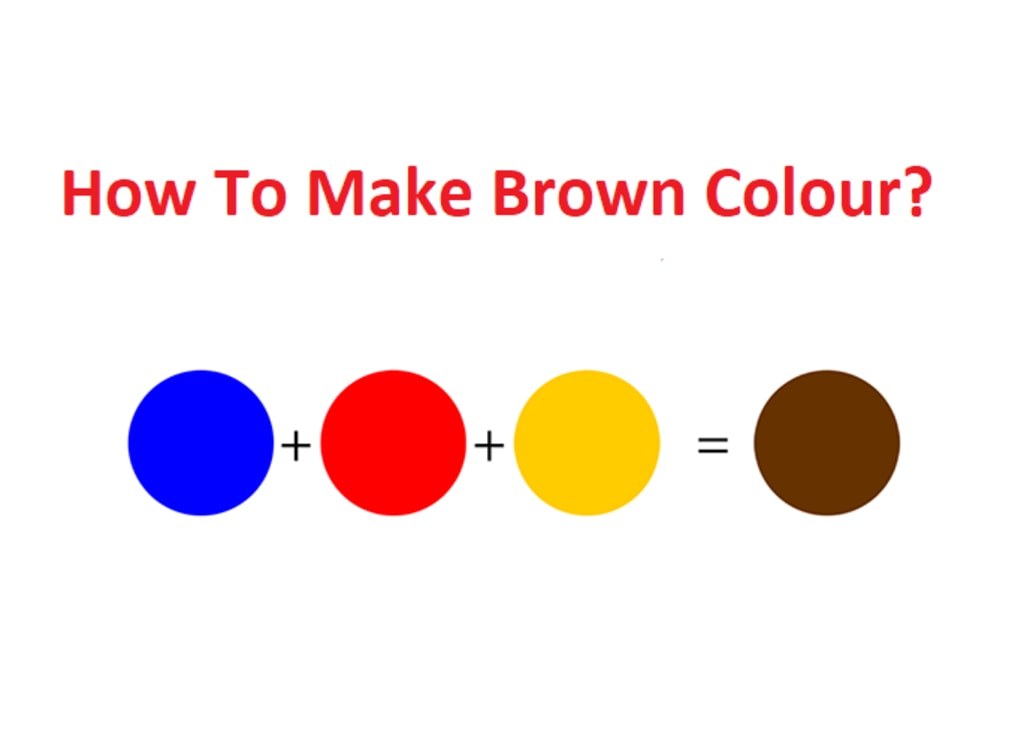
To create a pure brown, start with the three primary colors: red, yellow, and blue. Mixing these colors in equal parts results in a natural brown shade.
This method allows for easy adjustments. Changing the amount of each color changes the brown’s tone and warmth.
Mixing Primary Colors
Use equal parts red, yellow, and blue paint. Stir them well until the color blends evenly. This creates a neutral brown.
Adjusting The Shade
Add more yellow for a lighter, warmer brown. Use extra red for a rich, reddish brown. Add more blue for a cooler, muted brown.
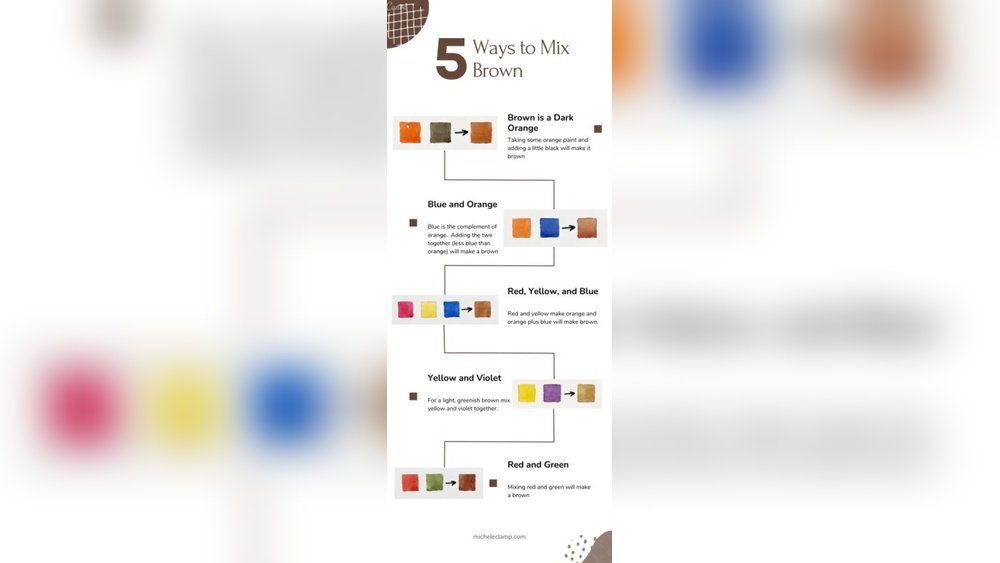
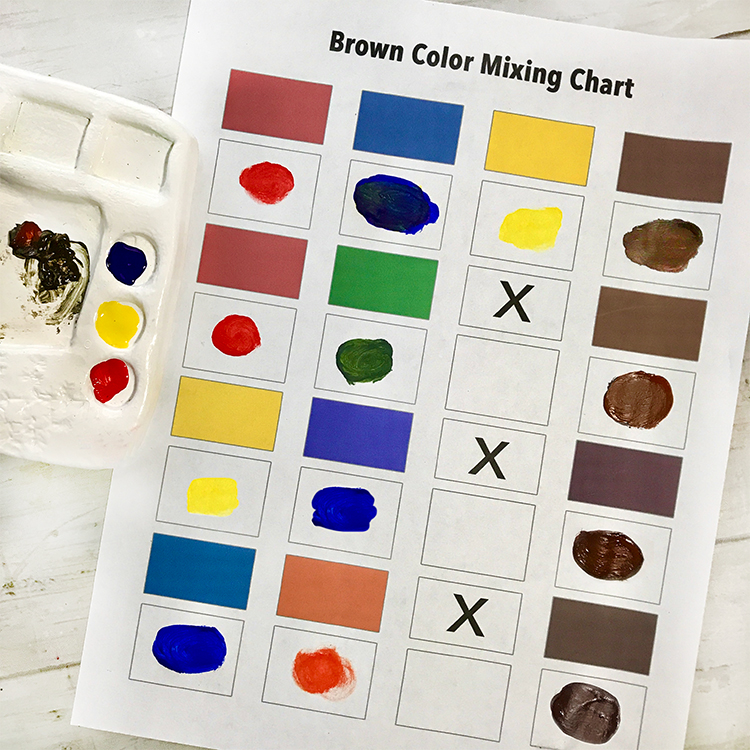
Mix a primary color with its complementary color to get different browns. For example, blue and orange make a deep brown. Red and green also create a nice brown shade.
Credit: vocal.media
Primary Colors Method
The Primary Colors Method uses red, yellow, and blue to make brown. These three colors are the base of all other colors.
Mixing equal parts of red, yellow, and blue creates a basic brown color. This method is simple and works well for beginners.
By changing the amount of each primary color, you can make different shades of brown. This method gives you full control over your brown tones.
Mixing Equal Parts Of Red, Yellow, And Blue
Start with equal amounts of red, yellow, and blue paint. Combine them on a palette and mix thoroughly. The result is a neutral brown.
This brown is perfect for many art projects. It looks natural and balanced without leaning too warm or cool.
Adjusting Brown By Adding More Yellow
Add extra yellow to your mix to lighten the brown. The color becomes warmer and softer. This shade works well for earthy tones.
Use this lighter brown to create highlights or sunny scenes. It adds brightness without losing the brown base.
Adjusting Brown By Adding More Red
More red in the mix makes the brown warmer and richer. It shifts the color toward a reddish-brown shade.
This reddish brown fits well for autumn scenes or wood textures. It adds depth and warmth to your artwork.
Adjusting Brown By Adding More Blue
Adding more blue cools down the brown. The color becomes darker and has a grayish tone.
This cooler brown suits shadows and muted backgrounds. It gives a calm and subtle effect to your painting.
Using Complementary Colors
Using complementary colors is a smart way to make brown. These colors sit opposite each other on the color wheel. When mixed, they cancel out each other’s brightness. This creates a natural, earthy brown.
Mixing complementary colors gives you control over the shade of brown. You can make warm or cool browns by adjusting the amounts.
What Are Complementary Colors?
Complementary colors are pairs that contrast strongly. Examples include red and green, blue and orange, yellow and purple. Each pair includes one primary and one secondary color.
How To Mix Complementary Colors For Brown
Start with equal parts of a complementary pair. For example, mix blue and orange. Stir the colors well until you see a brown tone.
Change the ratio to get different browns. More orange makes a warmer brown. More blue creates a cooler brown.
Tips To Adjust Brown Shades
Add small amounts of white to lighten the brown. Use black to darken it. You can also add a touch of red for a richer tone.
Mix slowly and test often. This helps you find the perfect brown for your project.
Adjusting Brown Shades
Adjusting brown shades lets you create the perfect tone for any project. Brown is a versatile color, but slight changes make a big difference. Changing the mix of colors affects how the brown looks. Small adjustments can brighten, warm, or cool the brown shade. Understanding these tweaks helps you match your needs exactly.
Lighter Browns
To make brown lighter, add white or yellow. White softens the brown, making it pale and creamy. Yellow brightens brown without losing its warmth. Adding too much white can make brown look dull. Use small amounts to keep the color natural and fresh.
Warmer Browns
Add red or orange to warm up brown shades. Red gives brown a rich, reddish tone. Orange adds a golden, sunny feel. Warm browns feel cozy and inviting. Use these shades for autumn themes or rustic designs. Avoid too much red to keep the brown balanced.
Cooler Browns
Add blue or green to create cooler brown shades. Blue gives brown a calm, smoky look. Green adds an earthy, muted tone. Cool browns work well in modern or natural settings. Use these shades to add depth and contrast. Keep the blue or green subtle for a smooth effect.
Mixing Brown With Secondary Colors
Mixing brown with secondary colors offers a simple way to create rich, natural tones. Secondary colors are orange, green, and purple. Each can combine with another color to form different shades of brown. This method helps you explore various browns beyond the basic mix of primary colors.
Mixing Brown With Orange
Orange is a warm secondary color made from red and yellow. Mixing orange with blue, its complementary color, creates a balanced brown. Adjust the ratio to get darker or lighter browns. More orange results in a warmer brown. More blue gives a cooler, muted brown.
Mixing Brown With Green
Green combines blue and yellow. To make brown, mix green with red, which is green’s complementary color. This mix produces earthy brown tones. Adding more green makes the brown softer. Adding more red creates a stronger, reddish brown shade.
Mixing Brown With Purple
Purple comes from red and blue. Mix purple with yellow, its complementary color, to get brown. This mix often gives a deep, rich brown. Increase purple for a darker brown. Increase yellow to lighten and warm the brown tone.
Creating Deep Browns
Deep browns add richness and warmth to any artwork or design. These shades stand out with their bold, intense look. Achieving deep brown requires careful mixing of colors to get the perfect balance.
Deep browns often have hints of red, blue, or even black to make them darker and more complex. They can bring depth to paintings or add an elegant touch to crafts.
Using Primary Colors For Deep Browns
Start with equal parts red, yellow, and blue. This mix creates a basic brown. To deepen it, add more blue or red. Blue cools the brown, making it darker. Red warms the brown, giving it a rich tone.
Mixing Complementary Colors
Combine colors opposite on the color wheel. For example, mix blue and orange. This combination creates a deep, natural brown. Adjust the ratio to get the desired darkness. Use green and red for a different deep brown shade.
Adding Black Or Dark Blue
Adding a small amount of black or dark blue deepens the brown. Use black sparingly to avoid dulling the color. Dark blue adds richness without overpowering the mix. This method helps create a strong, deep brown for shadows and details.
Lightening Brown Shades
Lightening brown shades allows you to create softer and brighter tones. These shades add warmth and versatility to your color palette. By adjusting brown with lighter hues, you can achieve a range of beautiful effects.
Lightening brown is useful in painting, design, and crafts. It brings depth while keeping the color gentle and easy on the eyes. The process involves mixing brown with lighter colors to brighten it without losing its richness.
Adding White To Brown
White is the most common way to lighten brown. Mix small amounts of white paint into brown slowly. Stir well to see the color change. Adding too much white can make the color pale, so add little by little.
White softens brown and creates pastel-like shades. These tones work well for backgrounds or soft details in artwork. The final shade depends on the amount of white added.
Using Yellow For Warm Light Browns
Yellow can lighten brown while adding warmth. Mix yellow with brown carefully to avoid turning the color orange. This method gives a sunny, golden brown shade.
Yellow lightened browns look natural and vibrant. They are great for nature-inspired designs and skin tones. Adjust the yellow amount to get the perfect light brown.
Mixing Beige Or Cream With Brown
Beige and cream are soft, light colors that blend well with brown. Mixing these gives a smooth, creamy light brown. This works well for neutral color schemes.
Use beige or cream to reduce brown’s intensity gently. The result is a warm, soothing color ideal for interiors and fashion. Add small amounts until the desired shade appears.
Avoiding Muddy Browns
Creating the perfect brown color can be tricky. A common problem is ending up with muddy browns. Muddy brown looks dull and unclear. It lacks the richness and warmth you want in your color.
Understanding why browns get muddy helps you avoid this issue. It often happens when too many colors mix without balance. Careful mixing and color choice keep your brown clear and vibrant.
Use Clean, Pure Colors
Start with fresh, pure colors. Avoid paints that are already mixed or old. Dirty or faded colors cause muddiness. Bright primary colors give you better control. They help create a clean brown.
Mix Small Amounts At A Time
Mix only a little paint first. This way, you see how colors combine. It is easier to adjust the mix. Adding too much at once leads to unwanted shades. Small batches prevent muddy results.
Control The Color Ratios
Balance is key. Too much of one color makes the brown dull. More red gives warmth, more blue cools it down. Yellow lightens the brown. Adjust ratios carefully to keep brown lively.
Avoid Overmixing
Mix gently and stop as soon as the brown forms. Overmixing blends colors too much. This causes the brown to lose brightness. Stop mixing when you reach the shade you want.
Use Complementary Colors Wisely
Complementary colors can make rich brown. Blue and orange or red and green are good pairs. Use them in small amounts. Too much makes the brown gray or muddy. Add slowly and test the color.
Using Brown In Art
Brown is a warm, natural color that adds depth to artwork. It brings a sense of earthiness and realism. Artists use brown to paint wood, soil, hair, and skin tones.
Brown works well as a background or shadow color. It balances bright colors and softens harsh contrasts. Using brown can make a painting feel cozy and grounded.
Creating Natural Textures With Brown
Brown helps artists mimic natural surfaces like tree bark and leather. Mixing different shades of brown adds texture and detail. Using layers of brown tones makes objects look three-dimensional.
Mixing Brown For Skin Tones
Artists use brown to paint realistic skin tones. By adjusting red, yellow, and blue amounts, they match different complexions. Adding white creates lighter skin tones, while more blue or red deepens the shade.
Using Brown To Create Shadows
Shadows need a color that feels natural and soft. Brown provides a subtle shadow without harshness. It blends well with other colors and adds warmth to shaded areas.
Combining Brown With Other Colors
Brown pairs nicely with greens, blues, and oranges. It brings harmony and balance to color schemes. Using brown alongside bright colors helps keep artwork calm and inviting.

Credit: micheleclamp.com
Brown In Different Mediums
Brown is a versatile color used in many creative projects. It appears differently depending on the medium you use. Understanding how to make brown in various materials helps you achieve the perfect shade. Below, we explore how to create brown in paint and in icing with food coloring.
Paint
Mix the three primary colors: red, yellow, and blue. Use equal parts for a basic brown color. Change the shade by adjusting the amounts of each color. More yellow makes the brown lighter and warmer. Adding more red gives a reddish, rich tone. More blue cools the brown, creating a grayish shade. For a different method, mix a secondary color with its complementary primary color. For example, combine orange and blue or green and red. This method also produces various shades of brown. Experiment with small amounts to get the desired color. Always mix well for even color distribution.
Icing And Food Coloring
Making brown icing uses a similar approach but with food dyes. Start with a white icing base. Add equal drops of red, yellow, and blue food coloring. Mix thoroughly to see the brown color develop. Adjust the drops for different shades. More yellow makes the brown brighter and warmer. Add red for a deeper, reddish tint. Blue creates a cooler, darker brown. You can also mix orange and blue food coloring for brown. Use gel or liquid food coloring for best results. Stir the icing well to avoid streaks. Make small batches to test the colors before large use.
Credit: thegraphicsfairy.com
Frequently Asked Questions
What Color To Mix To Make Brown?
Mix equal parts of red, yellow, and blue to make brown. Adjust shades by adding more of any primary color. Mixing complementary colors like blue and orange also creates brown. Add white to lighten the color.
Do Red And Green Make Brown?
Red and green mix to create brown because they are complementary colors on the color wheel. Adjust ratios to change the shade.
What Is The Brown Mix?
The brown mix is made by blending red, yellow, and blue primary colors in equal parts. Adjust ratios to change shades.
Do Black And Yellow Make Brown?
Black and yellow do not make brown directly. Brown forms by mixing red, yellow, and blue or combining complementary colors.
What Colors Do I Mix To Make Brown?
Mix equal parts of red, yellow, and blue to get a basic brown color.
Can I Make Brown By Mixing Secondary Colors?
Yes, mix a secondary color with its complementary primary color, like orange and blue.
How Do I Make A Lighter Shade Of Brown?
Add a small amount of white or more yellow to lighten the brown.
What Makes Brown Look Warmer Or Cooler?
Add more red for warm brown, or more blue for a cool, grayish brown.
Can I Use Complementary Colors To Create Brown?
Yes, mixing complementary colors like blue and orange creates a rich brown tone.
How Can I Make Dark Brown Paint?
Add a bit of black or increase the amount of blue to darken brown.
Conclusion
Making brown is simple and fun by mixing colors. Use red, yellow, and blue in equal parts for basic brown. Change the shade by adding more of one color. Adding white lightens the brown nicely. Try mixing complementary colors for different brown tones.
Practice helps you see how colors blend and change. Enjoy creating your perfect brown shade with these easy steps. Keep experimenting and have fun with colors!