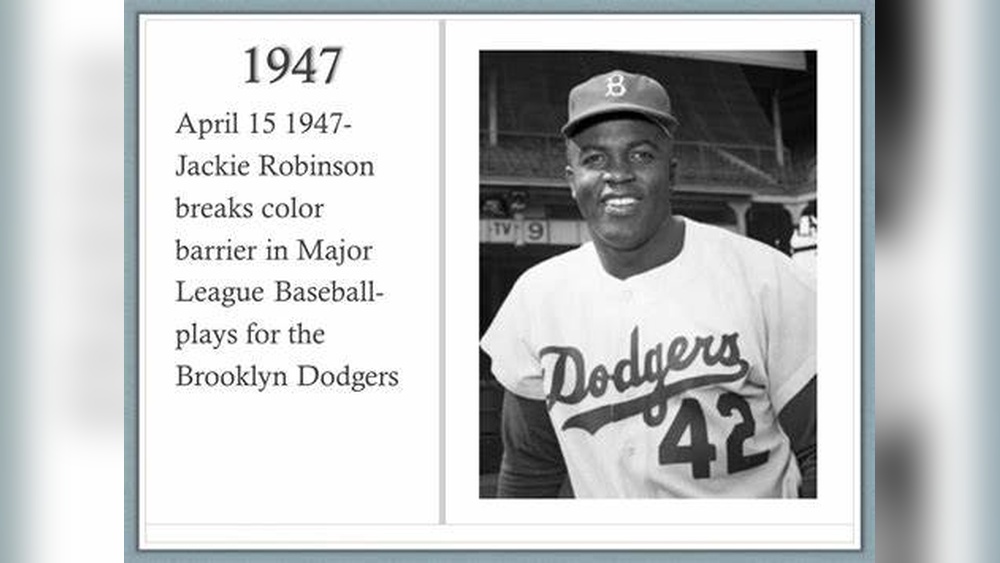
Have you ever wondered exactly when Jackie Robinson broke baseball’s color barrier? This moment wasn’t just a game—it changed history.
When Robinson stepped onto the field as the first African American player in Major League Baseball, he challenged deep-rooted racism and opened doors that had long been closed. If you want to understand how one man’s courage reshaped sports and civil rights forever, keep reading.
Your perspective on equality and perseverance might never be the same.

Credit: www.amazon.in
Jackie Robinson’s Early Life
Jackie Robinson’s early life shaped the man who broke baseball’s color barrier. Born in 1919, Robinson grew up in a modest family. His upbringing in Pasadena, California, was filled with challenges and strong family support. These experiences helped build his courage and determination.
Robinson was an outstanding athlete from a young age. He excelled in multiple sports, including baseball, football, basketball, and track. His talent earned him a scholarship to UCLA, where he became the first athlete to win varsity letters in four sports.
Family Background And Childhood
Jackie Robinson was the youngest of five children. His father left when Jackie was young, so his mother raised the family alone. This tough situation taught him resilience early in life. Family values and education were very important to Robinson’s mother.
Education And Athletic Achievements
Robinson attended Pasadena Junior College before transferring to UCLA. At UCLA, he stood out as a star athlete. He became the first athlete to letter in four sports at the university. His leadership skills grew during his college years.
Early Challenges And Inspirations
Growing up in a segregated society, Robinson faced racial discrimination. He experienced unfair treatment but never gave up. These hardships fueled his passion to break barriers. Robinson’s early mentors also inspired him to pursue equality and justice.
Baseball Before Integration
Before integration, baseball was segregated, and Black players were excluded from Major League Baseball. Jackie Robinson broke the color barrier in 1947 by joining the Brooklyn Dodgers. His debut marked a key step toward ending racial segregation in sports.
Segregation In Baseball
Before Jackie Robinson, baseball was strictly segregated. Black players were not allowed in Major League Baseball. Separate leagues existed for African American players. These leagues were known as the Negro Leagues.
The Negro Leagues showcased many talented athletes. Yet, their skills went unseen by many white fans. This segregation reflected the racial divide in American society.
Negro Leagues And Their Impact
The Negro Leagues started in the early 1900s. They gave Black players a chance to play professionally. Teams like the Kansas City Monarchs and Homestead Grays became famous. These leagues had passionate fans and intense competition.
Many Negro League players were as skilled as Major League stars. But they lacked the same opportunities and recognition. The leagues kept Black baseball alive during segregation.
Challenges Faced By Black Players
Black players faced many challenges before integration. They experienced racism on and off the field. Travel was difficult due to segregated hotels and restaurants. Players often faced hostility from fans and officials.
Despite these hardships, Black players showed great talent and determination. Their perseverance set the stage for future change in baseball.
Signing With The Brooklyn Dodgers
Jackie Robinson signed with the Brooklyn Dodgers in 1947, breaking baseball’s color barrier. His first game marked a historic step toward racial integration in sports. This moment opened doors for African American players in Major League Baseball.
Jackie Robinson signed with the Brooklyn Dodgers in 1945. This marked the start of a historic journey. Robinson became the first African American to join Major League Baseball in the modern era.
Branch Rickey, the Dodgers’ general manager, chose Robinson carefully. Rickey wanted a player who could handle pressure and racism. Robinson’s talent and strong character made him the perfect choice.
The Impact Of The Signing
Robinson’s signing challenged baseball’s long-standing segregation. It sent a clear message that change was coming. The Dodgers showed courage by breaking the color barrier first.
Fans and players had mixed reactions. Some supported Robinson, while others opposed him. Robinson faced hostility but remained focused on his play.
Robinson’s Debut Season
Robinson joined the Dodgers’ minor league team in 1946. He proved his skill and composure on the field. His success led to his promotion to the major leagues.
On April 15, 1947, Robinson made his major league debut. This date is now celebrated as Jackie Robinson Day. His courage opened doors for many African American players to follow.

Credit: entertainment.howstuffworks.com
April 15, 1947: The Historic Game
April 15, 1947, marked a turning point in sports and American history. On this day, Jackie Robinson played his first game for the Brooklyn Dodgers. This was more than a baseball game. It was the day Robinson broke the color barrier in Major League Baseball.
The game symbolized hope and change. It challenged the long-standing segregation in professional sports. Robinson’s courage opened doors for many African American players.
Jackie Robinson’s First Major League Game
Robinson stepped onto Ebbets Field as the Dodgers’ first baseman. The crowd watched closely. Some cheered, others doubted. Despite the pressure, Robinson played with skill and grace. His presence on the field sent a powerful message.
Challenges Faced During The Historic Game
Robinson faced hostility from fans and players. He received harsh words and unfair treatment. Yet, he stayed focused on the game. His strength inspired teammates and supporters alike.
The Impact On Baseball And Society
This game changed baseball forever. It paved the way for integration in sports. Robinson’s success helped challenge racial discrimination outside of baseball. His debut became a symbol of the civil rights movement.
Challenges And Hostility Faced
Jackie Robinson faced many challenges and hostility when he broke the color barrier in Major League Baseball. His journey was not just about playing baseball but also about fighting deep-rooted racism. These challenges tested his courage and patience daily.
Robinson’s entry into the league sparked anger and resistance from fans, players, and even some team members. He endured harsh words and unfair treatment but stayed focused on his goal. His strength helped pave the way for future players of color.
Racial Abuse From Opponents And Fans
Robinson faced constant racial slurs from opposing players during games. Fans shouted insults and threw objects at him in the stands. These acts were meant to intimidate and unsettle him. Despite this, he kept his calm and played with determination.
Pressure From Teammates And Management
Some teammates were reluctant to accept Robinson at first. They doubted his ability and resented the change he represented. Team leaders warned Robinson to avoid reacting to provocation. This pressure added to the mental toll he endured every day.
Threats And Physical Danger
Robinson received threats to his safety on and off the field. Some people wanted to stop him from playing through violence. He had to remain alert and cautious at all times. His bravery inspired others to stand up against such hostility.
Impact On Major League Baseball
Jackie Robinson broke Major League Baseball’s color barrier in 1947 with the Brooklyn Dodgers. This event changed baseball by allowing Black players to join the league. It marked a key step toward racial equality in sports and American society.
Major League Baseball’s Integration
Jackie Robinson broke the color barrier in 1947. He was the first Black player in modern Major League Baseball. This changed the sport forever. Teams began signing more Black players. Baseball became more diverse and inclusive.
Changing The Player Landscape
Before Robinson, Black players were excluded from MLB. They played in separate leagues. After Robinson’s debut, many Black athletes joined MLB. The level of talent in baseball grew. Fans saw new skills and styles on the field.
Impact On Team Dynamics
Robinson’s presence affected team culture. Some players resisted at first. Others supported him strongly. Over time, teamwork improved. Players learned respect and cooperation. This helped create stronger teams.
Influence On Baseball Fans
Fans also changed their views. Many cheered for Robinson and other Black players. Baseball games became places of unity. The sport helped break social barriers. It showed that skill mattered more than race.
Robinson’s Role In Civil Rights
Jackie Robinson’s role in civil rights extends far beyond baseball. His courage and dignity challenged racial segregation in America. Robinson used his platform to promote equality and justice. His actions inspired many to fight discrimination in sports and society.
Robinson faced hostility with calm and strength. He showed the power of peaceful resistance. His example helped change attitudes toward race in the United States.
Breaking Barriers Beyond Baseball
Robinson was the first African American to play Major League Baseball in the modern era. He joined the Brooklyn Dodgers in 1947. This act broke the color barrier in a sport long divided by race. It opened doors for future Black athletes in all sports.
His success proved that talent and character know no color. Robinson’s presence forced America to confront its racial biases. Sports became a stage for civil rights progress.
Advocacy And Public Influence
Robinson spoke out against racial injustice throughout his life. He worked with civil rights leaders and organizations. He used interviews and public appearances to raise awareness. His voice helped highlight issues like segregation and voting rights.
Robinson’s status gave him a powerful platform. He encouraged others to stand up for equality. His activism made him a symbol of courage beyond the baseball field.
Legacy In The Civil Rights Movement
Robinson’s impact lasted well after his baseball career ended. He inspired a new generation of civil rights activists. His life showed how sports can influence social change. Many credit him as a pioneer of the civil rights movement.
Robinson demonstrated that change is possible through persistence and bravery. His legacy reminds us that standing for justice requires strength and heart.
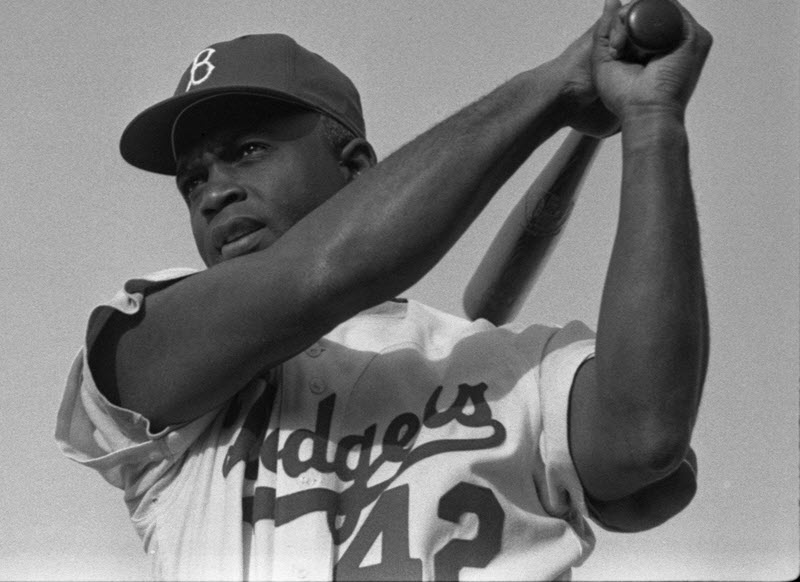
Credit: blog.gale.com
Legacy In Sports And Society
Jackie Robinson’s impact extends far beyond baseball fields. His courage reshaped sports and society in the United States. Robinson’s entry into Major League Baseball marked a turning point for racial equality in athletics and everyday life.
His legacy inspires athletes and fans alike. Jackie showed that talent and character matter more than skin color. This legacy continues to influence sports culture and social values across the nation.
Breaking Barriers In Professional Sports
Jackie Robinson was the first African American to play in Major League Baseball in the modern era. His debut in 1947 ended decades of racial segregation in professional sports. This breakthrough opened doors for other Black athletes in baseball and other sports. Teams began to recruit players based on skill, not race.
Inspiration For Civil Rights Movements
Robinson’s courage challenged racial discrimination beyond sports. His success gave hope to many fighting for civil rights. Jackie became a symbol of equality and justice. His role helped push the United States toward greater social change.
Ongoing Influence On Sports Culture
Robinson’s legacy shapes how sports promote diversity today. Many leagues honor his memory with special events and awards. His story teaches respect, teamwork, and fairness. These values guide players, coaches, and fans worldwide.
Legacy In Education And Community Programs
Jackie Robinson’s life inspires educational programs and youth initiatives. Schools and organizations use his story to teach about courage and equality. His legacy encourages young people to overcome challenges and pursue their dreams.
Commemorations And Honors
Jackie Robinson’s impact goes far beyond baseball. His courage and talent changed sports and society. The many honors and commemorations remember his legacy every year. They celebrate his role as a pioneer for racial equality.
These tributes keep his story alive. They inspire new generations to fight for fairness. From stadiums to holidays, Jackie Robinson’s name shines bright. His achievements continue to influence sports and civil rights.
Official Jackie Robinson Day
Every April 15, Major League Baseball celebrates Jackie Robinson Day. All players wear his number 42. This event honors his first game breaking the color barrier in 1947. It reminds fans of his courage and determination. The day promotes respect and inclusion in sports.
Jackie Robinson Baseball Stadiums
Several stadiums across the United States bear his name. These places serve as a tribute to his legacy. They host games and events that honor his life. The stadiums inspire young athletes to follow his path. Each game played there connects to his historic journey.
Jackie Robinson Museum And Educational Programs
The Jackie Robinson Museum preserves his story and achievements. It offers exhibits about his life and impact. Educational programs teach visitors about racial justice and sportsmanship. The museum serves as a place for learning and reflection. It encourages visitors to embrace equality and courage.
Continuing The Fight For Equality
Jackie Robinson broke baseball’s color barrier on April 15, 1947, playing for the Brooklyn Dodgers. His courage opened doors for racial equality in sports and beyond. This moment marked a vital step in continuing the fight for equal rights.
Jackie Robinson’s entry into Major League Baseball marked a key moment in history. It opened doors beyond sports and inspired many to challenge racial barriers. The fight for equality did not stop with Robinson’s debut in 1947. It sparked a long journey toward justice and equal rights in America.
Robinson faced harsh criticism and racism but stood firm. His courage gave hope to those who faced discrimination daily. Many athletes and citizens continued to push for equal treatment in sports and society. They sought fair opportunities regardless of skin color.
Building On Jackie Robinson’s Legacy
After Robinson, more African American players entered professional sports. This increased visibility helped change public opinion. People began to see talent beyond racial lines. Sports became a powerful platform to promote integration and respect.
Robinson’s story inspired civil rights leaders and activists. They used his example to fight segregation in schools, workplaces, and public spaces. His legacy showed that change was possible with courage and persistence.
Modern Efforts To Promote Equality In Sports
Today, sports leagues continue to address inequality. Programs focus on diversity and inclusion for players and staff. Efforts aim to remove barriers that still exist. Awareness campaigns educate fans and communities about racism’s harm.
Many athletes speak out against injustice. They use their platforms to support social change. This ongoing fight reflects the spirit Jackie Robinson showed decades ago. Equality in sports remains a goal worth striving for every day.
Frequently Asked Questions
What Happened On April 15, 1947?
On April 15, 1947, Jackie Robinson debuted for the Brooklyn Dodgers. He broke Major League Baseball’s color barrier, advancing civil rights.
How Did Robinson Break The Color Barrier?
Jackie Robinson broke the color barrier in 1947 by becoming the first African American to play Major League Baseball with the Brooklyn Dodgers. He faced intense racism but persevered, paving the way for racial integration in professional sports.
What Did Jackie Robinson Do In 1949?
In 1949, Jackie Robinson won the National League MVP award. He led the Brooklyn Dodgers to the World Series. Robinson continued breaking racial barriers in baseball.
What Happened To Jackie Robinson In 1946?
In 1946, Jackie Robinson joined the Brooklyn Dodgers’ minor league team, breaking baseball’s color barrier. He faced racism but paved the way for integration in Major League Baseball.
When Did Jackie Robinson Break The Color Barrier In Baseball?
Jackie Robinson broke the color barrier on April 15, 1947, with the Brooklyn Dodgers.
Who Was Jackie Robinson In Baseball History?
Jackie Robinson was the first African American to play Major League Baseball in the modern era.
What Team Did Jackie Robinson First Play For?
He first played for the Brooklyn Dodgers in Major League Baseball.
Why Was Breaking The Color Barrier Important?
It ended racial segregation in baseball and opened doors for other Black players.
How Did Jackie Robinson Impact Civil Rights?
His success challenged racial discrimination and inspired the civil rights movement.
What Position Did Jackie Robinson Play In His Debut?
Robinson played as a first baseman in his debut game.
Conclusion
Jackie Robinson broke baseball’s color barrier in 1947. He played for the Brooklyn Dodgers. This moment changed sports and civil rights forever. Robinson faced many challenges but showed great courage. His success opened doors for many Black players. Today, his legacy inspires equality and fairness.
Remembering Robinson helps us appreciate progress made in sports. His story remains a powerful symbol of hope.