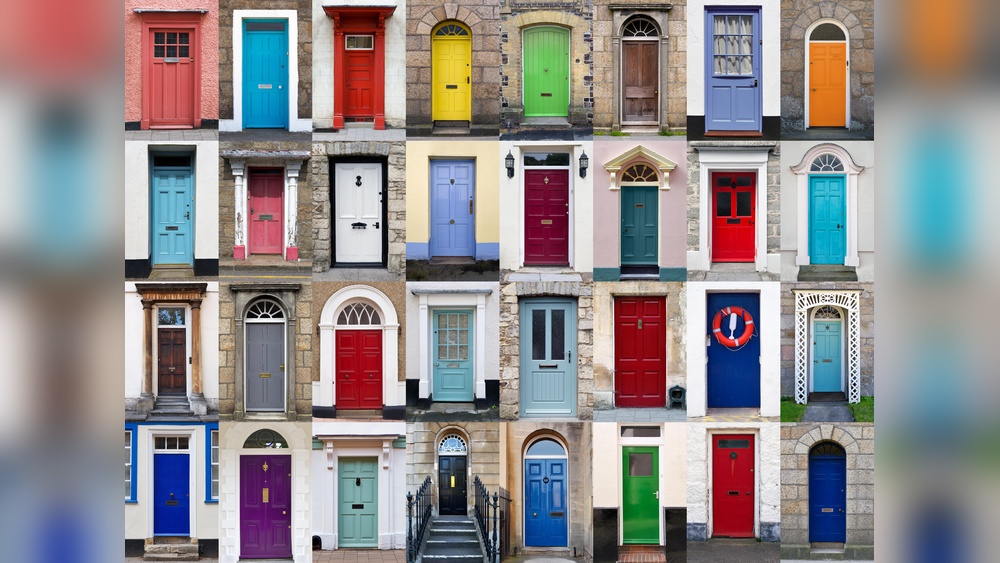
Choosing the perfect color for your front door might seem like a small detail, but it can completely transform the look and feel of your home. Your front door is the first thing guests see—it sets the tone for your entire house.
So, how do you pick a color that not only matches your home’s style but also reflects your personality? Whether you want to make a bold statement or create a calm, welcoming vibe, the right color can boost your curb appeal and make your home stand out in the best way.
Keep reading, and you’ll discover simple tips to choose a front door color that fits your style, complements your home, and feels just right for you.
Match Door Color To Home Style
Choosing the right front door color starts with matching it to your home’s style. The door sets the tone for visitors and boosts your home’s curb appeal. Each architectural style pairs well with certain colors. This guide helps you find the perfect match for your door color based on your home’s design.
Traditional Homes
Traditional homes look great with rich, classic colors. Deep reds, navy blues, and forest greens add warmth and charm. These colors highlight the home’s elegant details. Dark hues also create a welcoming, timeless entrance.
Modern Homes
Modern homes suit bold and bright door colors. Vibrant yellows, bright blues, or even a crisp white can stand out. These colors emphasize clean lines and simple shapes. A playful tone fits the modern style well.
Cottage And Farmhouse Styles
Cottage and farmhouse styles work with soft, muted colors. Light blues, sage greens, and creamy whites blend nicely. These shades give a cozy, inviting feeling. They complement natural materials like wood and stone.
Craftsman Homes
Craftsman homes benefit from earthy, warm tones. Rust orange, mustard yellow, and deep browns fit perfectly. These colors highlight handcrafted woodwork and stone features. They add to the home’s handcrafted charm.
Coastal And Beach Houses
Coastal homes call for cool, refreshing colors. Soft blues, seafoam greens, and sandy beiges match the seaside vibe. These colors bring a calm, breezy feel to the entrance. They reflect the natural surroundings well.
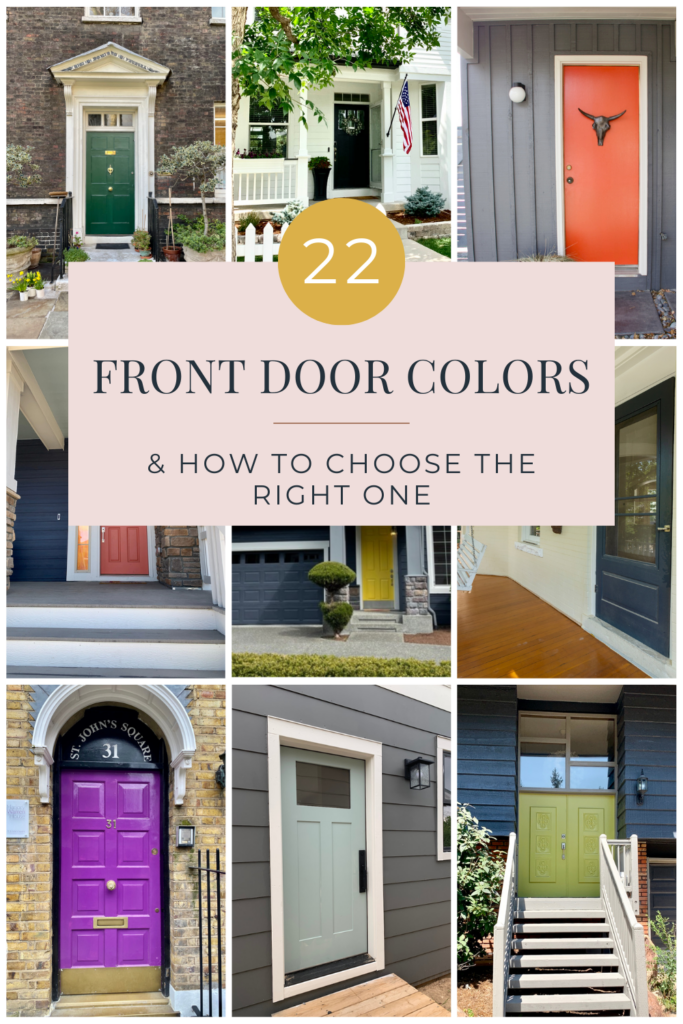
Credit: thecolorconcierge.com
Use Exterior Palette For Guidance
Choosing a front door color can be easier with the home’s exterior palette as a guide. The colors on your walls, roof, and trim create a natural color scheme. Using this palette helps find a door color that fits well with the whole house.
Matching or contrasting with the exterior colors can highlight your door. It adds charm and makes your entrance stand out. Start by looking closely at your home’s main colors and tones.
Identify Your Home’s Main Exterior Colors
Look at the largest areas of your home, like siding or brick. These set the base tone for your color choices. Notice if your colors are warm, cool, or neutral. This step helps narrow down door colors that will blend or pop.
Choose A Door Color That Complements
Pick a color that works well with your main exterior shades. For example, a blue door pairs nicely with gray siding. Warm colors, like reds or oranges, suit beige or brown tones. Complementing colors create harmony and balance.
Try A Bold Contrast For Impact
Use a contrasting color to make the door a focal point. If your exterior is light, go for a dark or bright door. Dark green or black doors add drama to pale houses. Contrast draws attention and adds personality.
Consider Trim And Accent Colors
Look at trim, shutters, and other accents on your home. These smaller colors can inspire your door choice. Matching the door to an accent color creates a unified look. It also ties the whole exterior together nicely.
Choose Bold Or Neutral Shades
Choosing the right color for your front door sets the tone for your home’s exterior. Bold and neutral shades offer different vibes and impacts. Both choices can enhance curb appeal beautifully. Understanding the effects of these colors helps in making a confident decision.
Bold Shades Make A Strong Statement
Bright colors like red, blue, or yellow catch attention instantly. They add energy and personality to your home. Bold shades can highlight architectural details and create a welcoming feel. These colors work well with neutral house exteriors. They show confidence and creativity without overwhelming the look.
Neutral Shades Offer Timeless Elegance
Colors like beige, gray, or soft brown bring calm and balance. Neutral shades blend well with most exterior styles. They give a classic and refined appearance to your front door. These colors do not compete with other exterior features. Neutrals suit traditional homes and those seeking subtle charm.
Consider Your Home’s Style
Traditional homes often look great with rich, dark neutrals or bold reds. Modern homes may benefit from playful or bright bold colors. The door color should complement your home’s architecture and surroundings. Matching or contrasting with trim and siding creates different effects. Choose colors that highlight your home’s character.

Credit: goasher.com
Create Mood With Color Choices
The front door color sets the tone for your home’s entrance. It creates the first impression for guests and passersby. Choosing the right color can evoke feelings and moods that reflect your personality and style.
Colors influence emotions in subtle but powerful ways. A well-chosen door color can make your home feel warm, welcoming, calm, or vibrant. Think about the mood you want to create before selecting a hue.
Create A Warm And Inviting Mood
Warm colors like red, orange, and yellow make your home feel cozy and friendly. These shades attract attention and give a cheerful vibe. A red door often symbolizes energy and passion. Orange can add a playful and lively touch. Yellow brings brightness and happiness to the entrance.
Choose Calm And Soothing Colors
Cool colors such as blue, green, and soft gray offer a peaceful and relaxing mood. They create a sense of calm and balance. Blue doors can feel trustworthy and stable. Green connects your home to nature and growth. Soft gray adds a modern, understated elegance.
Make A Bold And Dramatic Statement
Deep, dark colors like black, navy, or rich brown provide a strong, sophisticated look. These colors can signal elegance and confidence. A black door often feels timeless and classic. Navy adds depth and a touch of luxury. Dark brown offers warmth with a refined edge.
Use Bright Colors To Show Personality
Bright colors like turquoise, coral, or lime green express fun and creativity. They make your home stand out and feel unique. Turquoise offers a fresh, energetic feel. Coral adds warmth with a trendy twist. Lime green can be bold and surprising, perfect for artistic homes.
Balance Contrast And Cohesion
Choosing the right front door color means finding a balance between contrast and cohesion. The goal is to make your door stand out without clashing with the rest of your home. This balance creates a welcoming look that feels both fresh and unified.
Contrast helps the door catch the eye. Cohesion keeps the overall look smooth and pleasant. Both elements work together to highlight your home’s style and personality.
Understanding Contrast In Front Door Colors
Contrast means choosing a door color different from the main exterior. It draws attention and adds interest. For example, a bright red door on a gray house creates a strong, lively contrast. Contrast can highlight architectural features and add charm.
Too much contrast can feel harsh. Choose colors that stand out but still feel part of the whole design. Balance is key for contrast to look natural.
Creating Cohesion With Your Home’s Palette
Cohesion means the door color fits well with the home’s exterior colors. This creates a smooth, unified look. Use colors found in your siding, roof, or trim as a guide. Soft blues with light gray siding create calm cohesion. Earth tones often blend well for a natural feel.
Cohesion helps your door look like a natural part of the home. It avoids clashing colors that distract or confuse the eye.
Tips To Balance Both Contrast And Cohesion
Start by picking a door color that contrasts but still matches a color in your exterior. For example, a deep green door on a beige house with green plants ties the look together. Use color samples to test combinations outside your home in natural light.
Consider the style of your home. Traditional homes often suit rich, dark doors that contrast with lighter siding. Modern homes can handle bolder or brighter colors that still relate to exterior tones.
Keep trim and accents in mind. Matching or complementing these colors with your door helps maintain cohesion while allowing contrast.
Consider Popular Front Door Colors
Choosing a popular front door color can help your home look fresh and inviting. These colors often suit many styles and add charm. Popular colors tend to work well with different house designs and neighborhoods. Below are some well-liked front door colors to consider for your home.
Red Front Doors
Red is a bold and classic choice. It draws attention and adds warmth. This color often signals welcome and energy. Red works well with traditional and modern homes. It brightens neutral-colored exteriors easily.
Black Front Doors
Black gives a sleek and elegant look. It adds sophistication and matches many styles. Black doors can create a strong contrast on lighter homes. This color often feels timeless and refined.
Blue Front Doors
Blue offers calm and cool vibes. It fits both cozy and contemporary houses. Bright blues stand out, while navy tones feel subtle. Blue doors often suggest peace and trust.
Yellow Front Doors
Yellow is cheerful and welcoming. It adds brightness and happiness to your entrance. This color pairs well with many exterior shades. Yellow doors make a home feel sunny all year.
Gray Front Doors
Gray is modern and neutral. It blends well with many colors and styles. Lighter grays feel soft, while darker tones add depth. Gray doors create a balanced and stylish look.
Natural Wood Front Doors
Natural wood shows warmth and texture. It gives a rustic and organic appeal. Wood tones vary from light to dark shades. This choice fits traditional and craftsman homes well.
Avoid Flat Or Overused Hues
Choosing the right color for your front door sets the tone for your entire home. Avoid flat or overused hues to create a fresh and welcoming look. Plain colors often make a house appear dull and lifeless.
Pick colors that add personality and charm. Stand out from the crowd with unique shades. This approach instantly boosts curb appeal and gives your home character.
Why Flat Colors Fail To Impress
Flat colors lack depth and interest. They often blend with the walls instead of contrasting. This makes your front door invisible rather than inviting.
Neutral tones like beige or gray can feel boring on a door. These colors usually don’t create a strong focal point. Avoid making your entrance fade into the background.
Commonly Overused Front Door Colors
Red, black, and white dominate front door choices. Many homes use these safe, popular colors. This trend results in a street full of similar doors.
Choosing these hues limits your home’s individuality. Your door may look like every other house. Seek colors that reflect your style and stand apart.
How To Choose Colors That Pop
Select vibrant or unexpected shades to draw attention. Jewel tones or muted pastels can be refreshing options. These colors make your home feel lively and unique.
Test paint samples in different light to see their true effect. Sometimes a color looks different outside than inside. Aim for a shade that feels warm and inviting.
Coordinate Door With Trim Colors
Choosing the right front door color involves more than just picking a shade you like. Coordinating the door with the trim colors creates a balanced and inviting look. The trim frames the door and highlights it, so these colors should work well together.
Good coordination enhances your home’s curb appeal. It also makes the entrance feel welcoming and polished. Match or complement the door and trim colors to avoid clashing or dullness.
Match Door And Trim For A Classic Look
Using the same color for both door and trim gives a neat, uniform appearance. This style suits traditional homes well. It creates a calm, balanced look that feels timeless. Choose a rich or neutral color to keep it elegant.
Contrast Door And Trim For Visual Interest
Pick a door color that stands out against the trim. This adds depth and draws attention. For example, a dark door with light trim makes the entrance pop. This choice works great for modern or eclectic homes.
Use Complementary Colors For Harmony
Choose colors opposite each other on the color wheel. This creates a pleasing contrast without clashing. A blue door with white trim or a red door with cream trim are good examples. It adds life while keeping the look balanced.
Consider The Exterior Colors
Make sure the door and trim colors blend well with the house’s exterior walls. This keeps the whole front facade cohesive. Use shades that complement or softly contrast with the siding and roof. It ties everything together nicely.
Test Colors In Different Lighting
Testing front door colors in different lighting helps you see true shades. Light changes throughout the day. Colors look different in the morning, noon, and evening. Shadows and reflections also affect color perception. Checking colors at various times avoids surprises after painting.
Natural light and artificial light create different effects. Outdoor lighting is usually cooler and brighter. Indoor lighting near the door may add warmth or dullness. Testing colors under all these conditions ensures you pick a color that fits well all day.
Test Colors In Morning Light
Morning light is soft and warm. Colors appear lighter and warmer. Choose a color that looks inviting in this gentle light. Bright colors may seem less intense. Dark colors might appear softer in the morning.
Observe Colors At Noon
Noon light is the brightest and coolest. Colors look their truest in this light. Bold colors appear vivid and clear. Pale colors may look washed out. Check how the color reacts to strong sunlight before deciding.
Check Colors In Evening Light
Evening light is warm and dim. Colors look deeper and richer. Some shades may seem darker than expected. Warm colors like reds and oranges glow. Cool colors like blues may look muted.
Evaluate Colors Under Artificial Light
Outdoor lights or porch lights change color tone. Yellow or white bulbs affect color appearance. Test paint samples under these lights. This step shows how the door looks after dark. It helps avoid unwanted color surprises at night.
Use Paint Samples For Testing
Apply small paint patches on the door or nearby wall. Observe them at different times and lights. This method is more accurate than just looking at paint chips. It helps visualize the final look before committing.
Use Finish And Texture Wisely
Choosing the right finish and texture for your front door color enhances its look. These elements affect how colors appear and interact with light. They also protect your door from weather damage.
Use finishes and textures to add depth and interest. This choice can make a simple color stand out or blend smoothly with your home’s style.
Choosing The Right Finish For Durability
Glossy finishes reflect light and brighten colors. They highlight details and give a fresh, clean look. Satin and semi-gloss finishes resist dirt and wear well. Matte finishes offer a soft, subtle appearance but show marks easily. Pick a finish that suits your climate and maintenance habits.
Matching Texture To Home Style
Smooth textures suit modern and minimalist homes. They create a sleek, polished look. Wood grain textures work well with rustic or traditional styles. They add warmth and natural charm. Consider how texture blends with your house’s exterior materials.
Using Finish And Texture To Enhance Color
Light colors look brighter with a glossy finish. Dark colors gain richness with matte or satin finishes. Textured finishes can soften bold colors or add interest to muted tones. Test samples on your door to see how color changes with finish and texture.

Credit: emmyloustyles.com
Frequently Asked Questions
How To Pick The Right Color For Your Front Door?
Choose a front door color by matching your home’s style and exterior palette. Use bold colors for neutral homes or rich tones for traditional styles. Select shades that complement or contrast with siding and trim to enhance curb appeal and express your desired mood.
What Color Not To Paint Your Front Door?
Avoid painting your front door white or black, as these neutrals can make the exterior look flat and uninviting. Choose colors that add contrast and character to enhance curb appeal.
What Is The Number One Color For A Front Door?
The number one front door color is red. It creates bold curb appeal and welcomes guests with warmth and energy.
Should The Front Door Be The Same Color As The Trim?
The front door can match the trim for a classic, cohesive look. Choose contrasting colors to add modern visual interest and depth.
What Factors Influence The Best Front Door Color?
Consider your home’s style, surrounding colors, and neighborhood trends for a fitting choice.
How Does Home Style Affect Front Door Color Choice?
Traditional homes suit dark, rich colors; modern homes fit bright, playful hues better.
Can Front Door Color Affect Curb Appeal?
Yes, a well-chosen color can boost your home’s attractiveness and welcome feel.
Should Front Door Color Match The House Trim?
Matching trim creates a classic look; contrasting colors add modern, eye-catching style.
What Colors Are Best To Avoid On A Front Door?
Avoid pure white or black, as they can make the exterior look flat.
Is Red A Good Color For A Front Door?
Red is bold and inviting, often seen as a symbol of warmth and energy.
Conclusion
Choosing the right front door color adds charm and personality to your home. Match the color with your house style and surrounding colors. Bold colors like red or blue create a strong first impression. Soft shades bring a calm, welcoming feel.
Remember, your front door color can boost curb appeal and reflect your taste. Take your time, test samples, and enjoy the process. A well-chosen door color makes your home stand out in the best way.