Are you ready to bring a splash of vibrant purple to your cakes, cupcakes, or cookies? Making your own purple food coloring is easier than you think—and it lets you control the exact shade you want, whether it’s a soft lilac or a deep royal purple.
Instead of hunting for store-bought dyes that might not match your vision, you can mix simple colors right at home using ingredients you probably already have. In this guide, you’ll discover foolproof tips to create stunning purple hues that make your treats stand out.
Keep reading, and you’ll learn how to mix, adjust, and perfect your purple food coloring like a pro!
Natural Ingredients For Purple Dye
Natural ingredients for purple dye provide a safe and healthy alternative to artificial colors. These ingredients come from plants and fruits that contain natural pigments. Using them ensures food remains free from chemicals and additives. Many natural dyes also add subtle flavors to your recipes. Below are some common natural sources to create beautiful purple shades.
Red Cabbage
Red cabbage contains anthocyanins, a pigment that changes color with pH levels. Boiling chopped red cabbage in water releases a deep purple dye. Adjust the pH by adding lemon juice or baking soda to change the shade. This method is simple and produces vibrant purple tones for food coloring.
Beetroot
Beetroot offers a rich red-purple pigment called betalain. It creates a bright and natural purple color when mixed with other ingredients. Boil or blend fresh beets to extract the juice. Beet juice works well for frostings, cakes, and drinks. It also adds a mild earthy flavor to dishes.
Blueberries
Blueberries contain anthocyanins similar to red cabbage. Their juice creates a lovely purple hue when used as a dye. Crush fresh blueberries and strain the juice for the best color. This juice blends smoothly into batters and icings. It also adds a slight fruity taste.
Blackberries
Blackberries provide a dark purple color rich in antioxidants. Use fresh or frozen berries to make a natural dye. Simmer the berries in water and strain to collect the pigment. Blackberry dye works well in desserts and drinks. It gives a sweet flavor along with the color.
Butterfly Pea Flowers With Lemon
Butterfly pea flowers create a blue dye that turns purple with lemon juice. Steep the dried flowers in hot water to get a blue liquid. Add lemon juice to shift the color from blue to purple. This dye is gentle and perfect for light-colored foods. It adds a mild floral taste.
Credit: smart.dhgate.com
Extracting Color From Purple Cabbage
Purple cabbage offers a natural way to create purple food coloring. Its deep purple leaves contain pigments called anthocyanins. These pigments change color depending on the liquid used. Extracting color from purple cabbage is simple and safe. It provides a natural alternative to artificial dyes.
The process involves boiling chopped cabbage in water. This releases the vibrant purple pigment into the liquid. The extracted juice can then be used as food coloring. It works well for frostings, drinks, and baked goods. The shade of purple varies with pH levels. Adding acidic or alkaline ingredients can shift the color.
Preparing The Purple Cabbage
Start by washing the cabbage thoroughly. Cut it into small pieces or shred it finely. Smaller pieces help release more pigment. Use fresh cabbage for the best color results. Avoid using cabbage that looks old or wilted.
Boiling The Cabbage To Extract Color
Place the chopped cabbage into a pot. Add enough water to cover the pieces. Boil the mixture for 15 to 20 minutes. The water will turn a deep purple color. Stir occasionally to help release the pigment. Once done, remove from heat and let it cool.
Straining And Storing The Purple Dye
Pour the boiled cabbage mixture through a fine strainer or cheesecloth. This removes the solid pieces and leaves only the colored liquid. Transfer the purple liquid to a clean container. Store it in the refrigerator if not using immediately. It usually stays fresh for up to one week.
Adjusting Color Shades With Ph
The purple cabbage dye changes color with pH. Adding lemon juice or vinegar makes the dye pink or reddish. Adding baking soda or a pinch of baking powder turns it blue or green. Experiment with small amounts to find your desired shade. This allows customizing the purple color for different recipes.
Using Blueberries For Vibrant Purple
Blueberries are a natural source of rich purple pigment. Their juice creates a bright and beautiful purple color.
Using blueberries for food coloring is simple and safe. It adds a fresh, fruity flavor to your recipes.
Choosing Fresh Or Frozen Blueberries
Both fresh and frozen blueberries work well for making purple dye. Frozen berries are often more available year-round.
Choose ripe blueberries for the best color. Avoid berries that are bruised or overly soft.
Extracting The Purple Color
Start by mashing the blueberries to release the juice. Warm them slightly to help the color come out.
Strain the mixture through a fine cloth or sieve. This removes skins and seeds for a smooth dye.
Concentrating The Blueberry Dye
Simmer the juice on low heat to reduce it. This makes the color more intense and vibrant.
Cool the concentrated juice before using it as food coloring. Store any extra in the fridge.
Using Blueberry Coloring In Recipes
Add the blueberry dye to frostings, cakes, or drinks. It works best in recipes with mild flavors.
Test small amounts first to find the right color shade. You can mix blueberry dye with other natural colors.
Beetroot As A Natural Purple Source
Beetroot is a popular natural source for purple food coloring. Its deep, rich color makes it ideal for creating vibrant purple hues in food. The pigment in beetroot, called betalain, is water-soluble and easy to extract. This pigment gives beetroot its characteristic bright red-purple shade. Using beetroot is a healthy and eco-friendly way to color your dishes naturally.
Beetroot juice has a strong color that works well for cakes, frostings, and drinks. It adds no artificial chemicals or synthetic dyes. The natural pigment also contains antioxidants and vitamins, boosting the nutritional value of your food. Extracting beetroot juice is simple and requires minimal ingredients and tools.
Preparing Beetroot For Coloring
Start by washing the beetroot thoroughly to remove dirt. Peel the skin to avoid any bitter taste in the color. Chop the beetroot into small pieces for easier juice extraction. Use fresh beetroot for the best color intensity. Avoid old or bruised beets as they may affect the color quality.
Extracting Beetroot Juice
Place the chopped beetroot in a blender or food processor. Blend until smooth and juicy. Strain the mixture through a fine sieve or cheesecloth. Collect the juice in a clean container. This juice is your natural purple food coloring base.
Using Beetroot Coloring In Recipes
Add beetroot juice gradually to your recipe to control the color shade. Mix well to distribute the color evenly. Remember, beetroot color may darken when cooked or baked. Use beetroot coloring in frostings, smoothies, and sauces for a natural purple touch. Store leftover juice in the refrigerator for up to a week.
Combining Red And Blue Natural Dyes
Combining red and blue natural dyes is a simple way to create purple food coloring at home. Both colors come from common natural sources and blend to form beautiful purple shades. This method avoids artificial dyes and keeps your food coloring safe and natural.
Using natural red and blue dyes gives control over the purple shade. You can make soft lilac or deep violet by adjusting the amounts. The process is straightforward and uses easy-to-find ingredients.
Choosing Natural Red Dye Sources
Beet juice is a popular natural red dye. It has a strong color and a mild taste. You can also use pomegranate or raspberry juice for a lighter red. These fruits give a fresh and vibrant red color for mixing.
Selecting Natural Blue Dye Ingredients
Red cabbage leaves provide a natural blue dye. Boil the leaves in water until the color comes out. Blueberries and butterfly pea flowers also make great blue dyes. These options have different shades, so choose one that fits your purple goal.
Mixing Red And Blue Dyes For Purple
Start with equal parts of red and blue dye. Stir gently and watch the color change to purple. Adjust the ratio for the shade you want. More red makes a warmer purple. More blue gives a cooler, deeper purple.
Troubleshooting Color Issues
If your purple looks gray or dull, add a little more red dye. Too much blue can make it muddy. If the color is too light, add more dye slowly. Test the color on a white surface to see the true shade.
Adjusting Shades: Lilac To Deep Purple
Creating purple food coloring opens a world of color choices. You can make anything from soft lilac to deep, rich purple. The trick lies in adjusting the mix of red and blue colors. Small changes create very different results.
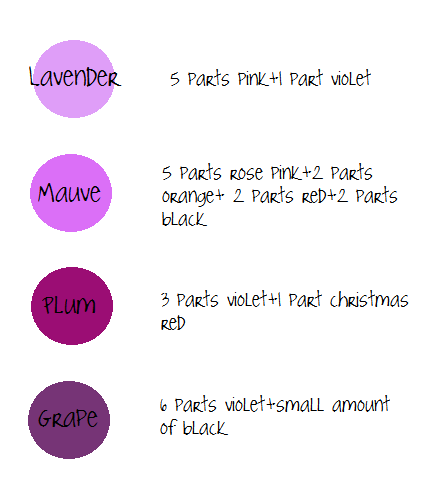
Start with a base of equal parts red and blue food coloring. This gives you a basic purple. From there, shift the balance to get the shade you want. Experiment with tiny amounts until you find your perfect hue.
Creating Soft Lilac Shades
For a gentle lilac, add more red than blue. Pink tones help make the color lighter and softer. Use a small amount of pink food coloring with blue for a pastel effect. Be careful not to add too much red or pink. The color can become too warm and lose its purple look.
Making Deep, Rich Purple
To get a deep purple, increase the blue ratio. Use royal blue or navy blue for a stronger base. Add a tiny drop of turquoise or fuchsia to add depth. Keep mixing slowly to avoid turning the color too dark or muddy. More blue gives a cool, bold shade.
Balancing Vibrancy And Tone
Bright purples come from mixing vivid blue with neon pink. This creates a lively, eye-catching color. If the purple looks dull or gray, add a touch of red or pink. This brightens the shade and keeps it fresh. Adjust in small steps to maintain control over the final hue.
Preserving Purple Color Intensity
Preserving the vibrant purple color in homemade food coloring requires careful handling. Purple shades can easily fade or change when exposed to heat, light, or certain ingredients. Maintaining the color intensity ensures your dishes look appealing and delicious.
Using natural ingredients to create purple food coloring adds extra challenges. These natural dyes are sensitive and need special care to keep their brightness. Simple steps during preparation and storage help keep the purple vivid and fresh.
Store Purple Coloring In A Cool, Dark Place
Heat and sunlight break down purple pigments quickly. Always keep your purple food coloring in a sealed container. Store it in a cool, dark spot like a refrigerator or a cupboard. This slows down color fading and preserves intensity.
Avoid Overheating Purple Mixtures
High temperatures cause purple colors to dull or turn brownish. When cooking or baking, add purple coloring towards the end. Use low heat to protect the color. Stir gently to avoid breaking down pigments.
Use Acidic Ingredients To Enhance Purple Shades
Acid helps stabilize purple tones in food coloring. Adding a small amount of lemon juice or vinegar keeps the color bright. This works well in frostings, sauces, and drinks. Be careful not to add too much acid, as it may change the taste.
Mix Purple Coloring Just Before Use
Long exposure to air can weaken purple color. Prepare purple food coloring fresh before adding it to your recipe. Mixing right before use keeps the color strong and vivid. Store leftovers tightly covered and use them soon.

Credit: www.youtube.com
Simple Diy Purple Food Coloring Recipes
Making purple food coloring at home is easy and fun. Simple ingredients create beautiful shades. These DIY recipes use natural and artificial colors for vibrant purple tones. Perfect for baking, drinks, or crafts.
Try these easy methods to achieve the perfect purple color. Each recipe uses common kitchen items or food coloring you might already have. Enjoy customizing your purple shade with these simple mixes.
Mixing Red And Blue Food Coloring
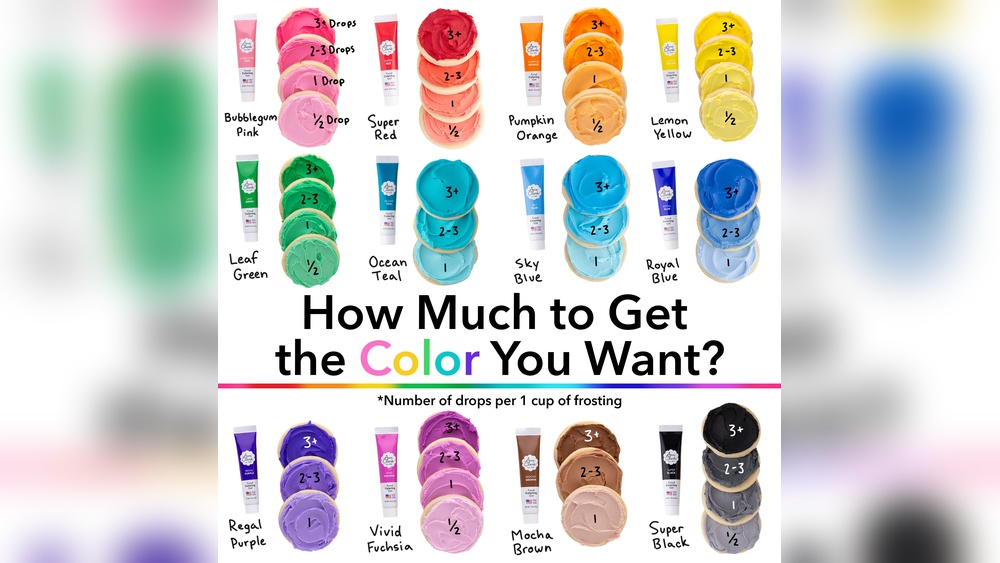
Combine equal drops of red and blue food coloring. Stir well to see a basic purple shade. Adjust by adding more blue for a darker purple. Add more red for a lighter, reddish purple. This method is quick and works for most recipes.
Using Beet Juice For Natural Purple Dye
Boil chopped beets in water for 15 minutes. Strain the liquid to collect bright purple juice. Use this juice as a natural food coloring. It adds a mild, earthy flavor and a deep purple color. Store extra juice in the fridge for later use.
Blueberry Juice For A Soft Purple Color
Crush fresh or frozen blueberries and strain the juice. This juice gives a soft purple tint. It works well in frostings and drinks. Blueberries add antioxidants and a fruity taste. Use immediately or keep chilled for best results.
Mixing Purple With Gel Food Colors
Use purple gel color for a strong base. Add small amounts of red or blue gel to adjust the shade. Gel colors give vivid, long-lasting purple tones. They work perfectly in thick mixtures like frosting. Mix thoroughly for even color.
Tips For Using Natural Purple Coloring
Natural purple food coloring is a wonderful way to brighten your dishes without artificial dyes. Using natural colors needs care to keep the shade vivid and fresh. Some tips help you get the best results from your homemade purple coloring.
Store Natural Purple Coloring Properly
Keep the purple coloring in a cool, dark place to protect it from sunlight. Use airtight containers to stop air from fading the color. Refrigeration can extend the life of natural dyes.
Use Natural Purple Coloring Quickly
Natural pigments fade faster than synthetic ones. Use your purple coloring soon after making it. This keeps the color bright and the flavor fresh in your recipes.
Test Color Intensity Before Adding
Natural colors vary in strength. Add a small amount first and adjust as needed. This avoids over-coloring and keeps your food looking perfect.
Combine With Complementary Natural Colors
Mix purple with natural reds or blues to create new shades. Beet juice and blueberry juice work well. Mixing can also improve color depth and richness.
Mind The Flavor Impact
Natural dyes add flavor to food. Taste your color before using it in large amounts. Balance the taste by adjusting ingredients or colors.

Credit: www.mccormick.com
Troubleshooting Color Changes
Troubleshooting color changes is key when making purple food coloring. Sometimes the color may look off or change after mixing. Understanding why this happens helps fix the issue quickly. Small errors in mixing or ingredients affect the final shade.
Check each step carefully and adjust as needed. Different factors can cause unwanted color shifts. Knowing these common problems saves time and improves results.
Understanding Color Fading
Purple color can fade due to light exposure or heat. Keep the coloring in a cool, dark place. Avoid direct sunlight to maintain vibrancy. Using fresh coloring ingredients also helps prevent fading.
Fixing Gray Or Muddy Purple
Gray or dull purple happens when colors mix unevenly. Add a small amount of red or pink to brighten the shade. Avoid adding too much blue, which can darken the color too much. Stir gently but thoroughly for even color.
Preventing Color Changes From Ph
Acidic or alkaline ingredients affect purple color. Acidic foods like lemon juice make purple brighter. Alkaline substances turn it greenish or gray. Test the pH of your base to keep the purple stable.
Dealing With Color Separation
Sometimes color separates in liquids or frostings. This happens if the mixture is too thin or not mixed well. Thicken the base or mix longer to keep color uniform. Use fresh, good-quality colorants for best results.
Frequently Asked Questions
What Colors Of Food Coloring Make Purple?
Mix red and blue food coloring to create purple. Adjust ratios for lighter or darker shades. Add pink for pastel purple.
What Two Colors Make Purple?
Purple is made by mixing red and blue colors. Adjust the ratio to create different purple shades easily.
How To Make Purple Food Coloring At Home?
Mix equal parts red and blue food coloring to create purple. Adjust ratios for lighter or darker shades. Use gel-based dyes for vibrant color. Test small batches before large-scale use.
How To Get Purple Color For Cake?
Mix red and blue food coloring to create purple. Adjust ratios for lighter or darker shades. Use gel colors for vibrancy. Test small batches before full mixing.
What Colors Make Purple Food Coloring?
Purple is made by mixing red and blue food coloring in different ratios.
How Do I Make Light Purple Food Coloring?
Add more red or pink to blue to create a lighter, pastel purple.
Can I Use Natural Ingredients For Purple Coloring?
Yes, purple cabbage juice or blueberry juice can make natural purple dye.
How To Adjust Purple Shade To Be Darker?
Add more blue or use a darker blue like royal blue for deeper purple.
What If My Purple Food Coloring Looks Gray?
Add a little red or pink to brighten and make the purple vibrant again.
Can I Mix Purple Food Coloring With Other Colors?
Yes, mixing purple with white lightens it, while mixing with black darkens it.
Conclusion
Making purple food coloring is simple and fun. Just mix red and blue carefully. Adjust the amounts to get your perfect shade. Use concentrated colors for brighter results. Try small batches before coloring large amounts. This way, you avoid wasting ingredients.
With these tips, you can create lovely purples at home. Enjoy adding color to your baking or crafts easily. Experiment and find the shade that fits your needs best. Purple food coloring made by you adds a personal touch. Keep practicing, and your colors will improve every time.