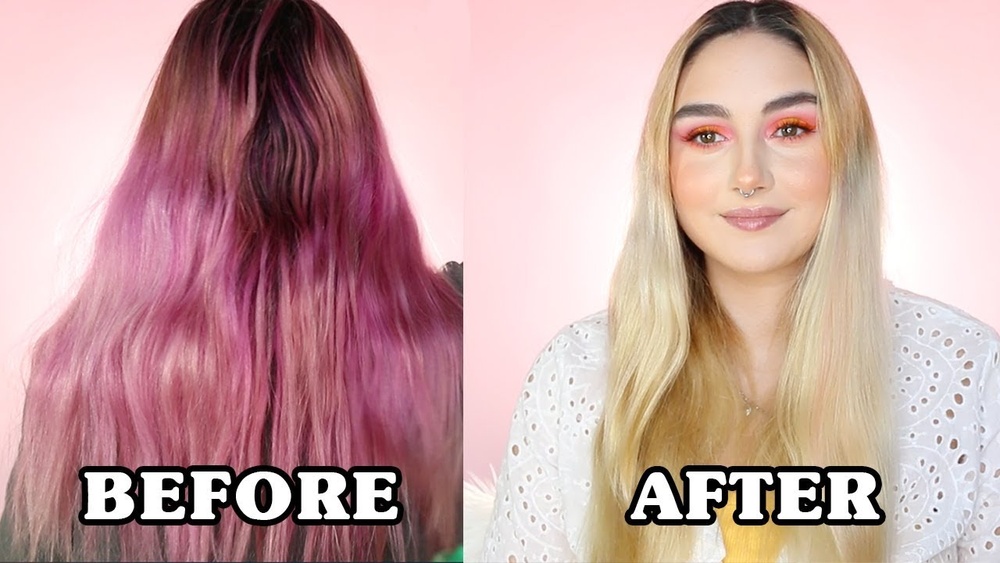
Have you ever looked in the mirror and wished you could just erase that hair color mistake? Whether your new shade turned out too bold, faded unevenly, or you simply crave a fresh start, removing hair color can feel like a daunting task.
But here’s the good news—you don’t have to live with unwanted color or rush to the salon right away. In this guide, you’ll discover simple, effective methods you can try at home to strip or fade hair dye safely. From gentle remedies to stronger options, you’ll learn exactly how to regain control over your hair color while keeping your locks healthy.
Ready to find the best way to remove hair color and get your natural or new look back? Keep reading—your perfect hair day is just ahead.

Credit: www.amazon.com
Gentle Color Fading Options
Gentle color fading options help remove hair dye without harsh chemicals. These methods suit those who want to lighten color gradually. They cause less damage and keep hair healthier. Using everyday items can help fade color over time.
These options work best on semi-permanent or fresh hair dye. You may need several treatments for noticeable results. Always condition hair well after treatment to restore moisture and softness.
Clarifying Shampoo Benefits
Clarifying shampoo removes buildup and helps fade hair color. It contains strong cleansing ingredients that strip semi-permanent dye. Use it several times a week for gentle fading. This shampoo also cleans the scalp and hair deeply.
Apply to wet hair, massage well, and leave for a few minutes. Rinse thoroughly and follow with a conditioner to prevent dryness. Clarifying shampoo is safe for regular use but avoid overuse to protect hair health.
Baking Soda And Shampoo Paste
Mix equal parts baking soda and shampoo to form a thick paste. Apply to damp hair and work through strands evenly. Leave the paste on for 10 to 15 minutes. Rinse thoroughly and condition hair to avoid dryness.
Baking soda acts as a mild abrasive, helping to lift color molecules. This method gently fades fresh hair dye and is easy to do at home. Repeat weekly for gradual color removal.
Dish Soap For Color Removal
Dish soap can strip hair color due to its strong cleansing power. Use a small amount mixed with your regular shampoo. Massage into hair and leave on for a few minutes before rinsing well.
This method works best for stubborn semi-permanent colors. Avoid frequent use as dish soap may dry out hair. Always apply a deep conditioner after treatment to restore moisture.
Vinegar Rinse Technique
Vinegar helps remove hair color by opening hair cuticles and lifting dye. Mix equal parts white vinegar and water. Pour over hair after shampooing and leave for 5 to 10 minutes.
Rinse with cool water to close cuticles and lock in moisture. Repeat this rinse a few times a week for gentle fading. Vinegar also adds shine and smoothness to hair.
Vitamin C And Shampoo Mix
Crush vitamin C tablets and mix with shampoo to create a paste. Apply evenly to damp hair and cover with a shower cap. Leave on for 30 to 60 minutes, then rinse thoroughly.
Vitamin C is an acid that helps break down hair dye molecules. This method is gentle and works well for fading semi-permanent colors. Use once a week and always follow with conditioner.
Using Hair Color Removers
Removing unwanted hair color can feel challenging. Using hair color removers offers a direct way to lift dye from your hair. These products work by breaking down the artificial pigments inside the hair shaft. This process helps restore your hair closer to its natural shade. Hair color removers are popular because they target dye without harsh bleaching. They suit many hair types and color formulas. Understanding how these removers work helps choose the right one for your hair color.
Types Of Color Removers
Hair color removers come in different types. Some work by shrinking the dye molecules, making them easier to wash out. Others use chemicals that dissolve the color. The most common types include:
- Color Strippers: These use strong chemicals to remove artificial color.
- Color Correctors: Designed to fix uneven or unwanted tones.
- Oxidative Removers: Work on permanent dyes by reversing the oxidation process.
- Semi-Permanent Removers: These gently fade semi-permanent colors.
Each remover targets specific hair dyes and levels of color intensity. Always read product instructions carefully to match your hair needs.
Effectiveness On Permanent Dye
Permanent hair dye penetrates deep into the hair cortex. This makes it harder to remove than semi-permanent colors. Hair color removers designed for permanent dye break down the color molecules inside the hair. They can reduce the intensity of dark or stubborn shades.
Results depend on the dye brand, how long the color has been in the hair, and hair health. Multiple treatments may be needed for full removal. Overuse can cause dryness or damage, so follow product guidelines closely. For best results, use color removers specifically made for permanent dyes. They offer a safer alternative to bleach and harsh chemicals.
Baking Soda And Developer Method
The baking soda and developer method is a popular way to remove hair color at home. This technique uses common ingredients to gently lift dye from hair strands. It works best on semi-permanent or faded colors.
Baking soda acts as a mild abrasive and helps break down the dye molecules. The developer, usually a low volume peroxide, helps open the hair cuticle for better color removal. Together, they create a paste that can reduce unwanted hair color.
What You Need For The Baking Soda And Developer Method
Gather these supplies before starting:
- Baking soda (sodium bicarbonate)
- Hair developer (10 or 20 volume)
- A mixing bowl and brush
- Gloves to protect your hands
- Old towel or cape
How To Prepare The Baking Soda And Developer Mixture
Mix equal parts baking soda and developer in a bowl. Stir until you get a smooth paste. The paste should not be too runny or too thick. Adjust the consistency if needed by adding small amounts of baking soda or developer.
Step-by-step Application Process
Start with dry, unwashed hair. Section your hair for easy application. Use a brush to apply the paste evenly on the colored areas. Avoid the scalp as much as possible.
Leave the paste on for 15 to 30 minutes, checking progress every 10 minutes. Do not exceed 30 minutes to prevent damage. Rinse hair thoroughly with lukewarm water after the treatment.
Aftercare Tips For Healthy Hair
Use a deep conditioner to restore moisture. Avoid heat styling for a few days. Repeat the process only if necessary and wait at least one week between treatments. This helps protect hair from damage and dryness.

Credit: noellesalon.com
Bleach For Color Stripping
Bleach is one of the strongest methods to remove hair color. It works by breaking down the pigment molecules inside the hair shaft. This process can lighten both natural and artificial hair color. Many choose bleach when other removers fail to fully strip dark or stubborn dye. The results are often dramatic but require careful handling. Using bleach improperly can cause serious damage to your hair and scalp.
Risks And Precautions
Bleach can weaken hair strands and cause breakage. It may irritate or burn your scalp if left too long. Over-bleaching leads to dry, brittle hair that snaps easily. Always do a patch test first to check for allergies or sensitivity. Use gloves and avoid contact with eyes. Work in a well-ventilated area to reduce inhaling fumes. Follow instructions exactly and do not exceed recommended timing.
When To Consult Professionals
Consult a hair expert before using bleach for color removal. Professionals can assess your hair’s condition and choose the safest method. They know how to blend bleach properly to avoid patchy results. A stylist can recommend treatments to protect and restore hair health after bleaching. If you have previously damaged or chemically treated hair, seek professional advice. This reduces the risk of severe damage and uneven color removal.
Protecting Hair And Skin
Removing hair color can sometimes irritate your skin and damage your hair. Protecting both is very important during the process. Taking simple safety steps helps keep your hair healthy and your skin safe from stains and reactions. Wearing gloves and using barriers creates a shield. Preventing skin staining keeps your hands and face clean and comfortable.
Using Gloves And Barriers
Always wear gloves when handling hair color remover. Gloves stop chemicals from touching your skin. Use plastic or rubber gloves for the best protection. Apply a barrier cream around your hairline and ears. This cream blocks color from staining your skin. Cover your clothes with a towel or cape to avoid stains. These steps protect your skin and clothes from damage.
Preventing Skin Staining
Clean your skin before applying any color remover. Use a gentle cleanser to remove oils and dirt. Apply petroleum jelly or a thick lotion around your hairline and neck. This creates a protective layer to stop color from sticking. If color touches your skin, wipe it off immediately with a damp cloth. Use a stain remover or rubbing alcohol for stubborn stains. Quick action prevents long-lasting marks on your skin.

Credit: www.youtube.com
Conditioning After Color Removal
Removing hair color can leave your hair dry and fragile. Conditioning after color removal is essential to restore moisture and strength. Proper care helps your hair feel soft and look healthy again. It also prevents breakage and split ends caused by the stripping process.
Deep Conditioning Treatments
Deep conditioning treatments add intense moisture to your hair. They reach the hair shaft and repair damage from inside. Use a deep conditioner once or twice a week. Apply it to damp hair and leave it on for 20 to 30 minutes. Cover your hair with a shower cap for better absorption. Rinse with cool water to seal the hair cuticles. This process improves softness and shine.
Hot Oil And Hair Masks
Hot oil treatments help nourish dry, damaged hair. Warm natural oils like coconut, olive, or argan oil. Massage the warm oil into your scalp and hair strands. Leave it on for 30 minutes or overnight for best results. Wash your hair with a gentle shampoo afterward.
Hair masks provide extra nutrients and hydration. Choose masks designed for color-treated or damaged hair. Use them once a week after removing color. Apply evenly from roots to ends. Let the mask sit for 15 to 20 minutes before rinsing. These masks restore elasticity and reduce frizz.
Performing Strand Tests
Performing strand tests is a vital step before removing hair color. It helps avoid unwanted damage and surprises. Testing a small hair section shows how your hair reacts to color removal methods. This precaution saves time and hair health.
How To Do A Strand Test
Start by selecting a small hair section, usually near the back. Use a clip to isolate it from the rest of your hair. Apply the chosen color remover or method to this section only. Follow the instructions carefully for timing and application. Rinse the strand gently and let it dry naturally. Observe the hair’s texture and color change.
Interpreting Results
Check the strand for fading or color removal. Notice any dryness, breakage, or roughness. If the hair feels weak or breaks, stop the process immediately. Mild fading with no damage means the method is safe for your hair. Severe damage or no color change means you should try a different approach. Strand tests guide safe and effective hair color removal.
Home Remedies To Avoid
Many people try home remedies to remove hair color quickly and cheaply. Some methods seem easy but can harm your hair or scalp. Avoid these risky remedies to keep your hair healthy and safe. Understanding which home remedies to avoid helps protect your hair from damage and unwanted results.
Using Bleach Without Professional Help
Bleach is very strong and can damage hair badly. It can cause dryness, breakage, and scalp burns. Applying bleach at home without experience often leads to uneven color and hair loss. Professionals know how to use bleach safely. Avoid DIY bleach treatments to prevent serious hair damage.
Applying Vinegar Or Lemon Juice
Vinegar and lemon juice are acidic and can dry out hair. They may lighten color slightly but cause brittleness and split ends. These acids can irritate your scalp and cause itching. Frequent use weakens hair strands. Skip vinegar or lemon juice if you want healthy hair.
Using Dish Soap Or Household Cleaners
Dish soap and cleaners remove oils but are too harsh for hair. They strip natural moisture and make hair rough and dry. These products can irritate your scalp and cause redness. Avoid household soaps to protect your hair’s softness and shine.
Mixing Baking Soda And Shampoo Too Often
Baking soda can fade hair color but is very alkaline. Using it often disrupts hair’s natural pH balance. This leads to dryness, frizz, and damage over time. Baking soda should only be used sparingly and with care. Overuse harms your hair’s strength and texture.
Signs Hair Needs Professional Care
Removing hair color can be tricky and sometimes harmful. Hair shows signs when it needs expert help. These signs warn that home remedies might worsen the damage.
Knowing these signs helps protect your hair’s health. Professional care can fix problems that DIY methods cannot.
Excessive Hair Breakage
Hair breaks easily after coloring or removing dye. Small strands fall out more than usual. This means hair is weak and brittle. A professional can treat and strengthen damaged hair safely.
Severe Dryness And Frizz
Dry, rough hair that feels straw-like needs expert attention. Frizzy hair that won’t smooth out is another sign. Professionals use deep conditioning and treatments to restore moisture and softness.
Uneven Or Patchy Color
Color that fades unevenly or looks blotchy shows damage from improper removal. Professionals can correct the tone and apply treatments to protect hair during the process.
Scalp Irritation Or Burning
Itching, redness, or burning on the scalp after removing color is a warning. This reaction needs gentle care and proper products from a professional to avoid further harm.
Hair Feels Limp Or Lifeless
Hair that lacks bounce or looks dull after color removal needs expert help. Professionals can revive hair with special treatments to bring back shine and volume.
Maintaining Hair Health Post-removal
Removing hair color can leave hair fragile and dry. Maintaining hair health after color removal is essential to keep hair strong and shiny. Proper care helps repair damage and prevents breakage. Nourishing and protecting hair will restore its natural beauty.
Focus on hydration and gentle handling to support hair recovery. Use products that strengthen and moisturize. Avoid harsh treatments that can worsen damage. Small daily habits make a big difference in hair health.
Daily Hair Care Tips
Use a mild shampoo designed for damaged hair. Avoid washing hair with hot water to prevent dryness. Apply a deep conditioner or hair mask twice a week. Gently detangle hair with a wide-tooth comb to reduce breakage. Protect hair from heat by using a heat protectant spray before styling.
Avoiding Future Damage
Limit the use of heat styling tools like straighteners and curling irons. Avoid frequent chemical treatments such as bleaching or perming. Wear a hat or scarf when exposed to the sun for long periods. Choose hair products free from sulfates and alcohol. Regular trims help remove split ends and keep hair healthy.
Frequently Asked Questions
How Can I Remove Hair Dye From My Hair At Home?
Remove hair dye at home using clarifying shampoo or a baking soda and shampoo paste. Apply, wait, then rinse well. Use a color remover for stronger results. Always condition hair deeply afterward to prevent damage. Avoid bleach without professional help due to high damage risk.
Can You Go Back To Your Natural Hair Color After Dying It?
Yes, you can return to your natural hair color after dyeing. Grow out your hair or use color removers to fade artificial dye. Avoid bleach without professional help to prevent damage. Patience and proper hair care speed up the process and maintain hair health.
What Is The Healthiest Way To Remove Hair Color?
The healthiest way to remove hair color uses gentle methods like clarifying shampoo or a baking soda and shampoo paste. Use color removers made for home use for better results. Avoid bleach unless guided by a professional to prevent severe hair damage.
Always condition hair afterward.
How To Fade Permanent Hair Dye?
Fade permanent hair dye by using clarifying shampoo, baking soda with shampoo paste, or a color remover. Rinse well and condition deeply. For stronger fading, consider professional treatments or consult a stylist before using bleach to avoid damage.
How Can I Remove Hair Dye At Home Safely?
Use clarifying shampoo or a baking soda and shampoo mix to gently fade hair dye.
What Is The Best Product To Remove Hair Color?
Color removers made for home use work best without causing much damage.
Can Baking Soda Really Remove Hair Color?
Yes, baking soda mixed with shampoo creates a paste that helps fade fresh dye.
How Long Does It Take To Remove Hair Color?
Results vary, but fading color at home may take several washes over a week.
Is Bleach A Good Option To Remove Hair Dye?
Bleach removes color well but can damage hair; professional help is recommended.
Can Dish Soap Help Remove Hair Dye?
Dish soap mixed with shampoo can strip some color but may dry your hair.
Conclusion
Removing hair color takes patience and care. Choose gentle methods to protect your hair’s health. Test small sections before full application. Deep condition your hair after any color removal process. Seek professional help for strong or permanent dyes. Staying informed helps you make the best choice.
Your hair will thank you for careful treatment.