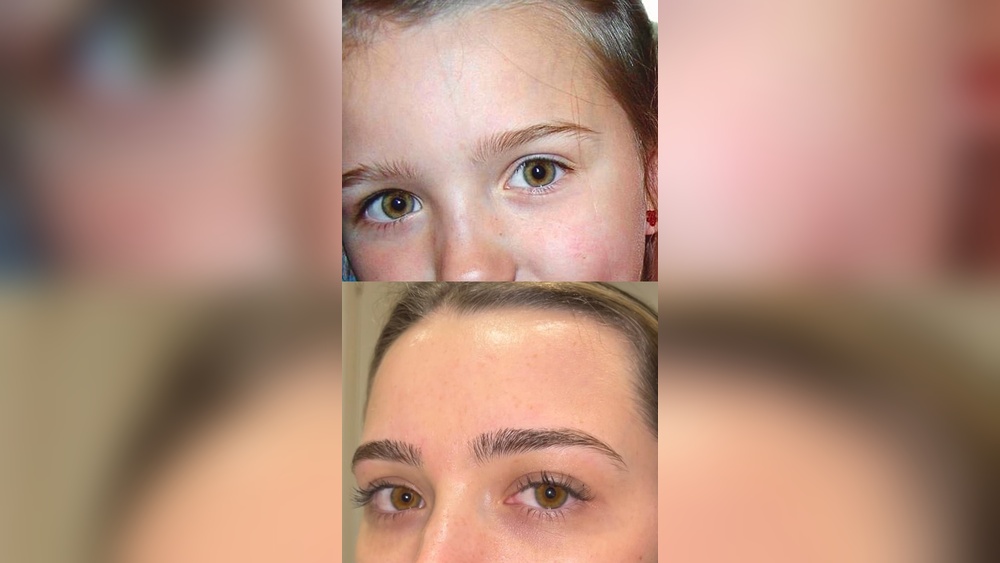
Have you ever looked in the mirror and wondered, “Is my eye color changing?” You’re not alone.
Many people notice subtle shifts in their eye color as they get older, sparking curiosity and sometimes concern. But does eye color really change with age, or is it just a trick of the light? Understanding why your eyes might appear different over time isn’t just fascinating—it could be important for your eye health.
You’ll discover the surprising reasons behind eye color changes, what is completely normal, and when you should seek advice from an eye specialist. Keep reading to uncover the truth about your ever-changing eye color.

Credit: www.wsj.com
Eye Color Basics
Eye color depends on the amount and type of pigment in the iris.
The iris is the colored part of the eye surrounding the pupil.
Melanin is the main pigment that gives eyes their color.
More melanin means darker eyes, like brown or black.
Less melanin leads to lighter eyes, such as blue or green.
Genes inherited from parents control melanin production and eye color.
Eye color can range from dark brown to light blue and many shades in between.
How Eye Color Develops
Babies often have blue or gray eyes at birth.
Melanin builds up over time, changing eye color in the first years.
By age three, most children have their permanent eye color.
This change happens as melanin increases in the iris.
Factors Affecting Eye Color
Lighting can make eye color look different at times.
Pupil size changes can reveal more or less iris color.
The Tyndall effect scatters light, affecting perceived eye color.
Health and medications can sometimes alter eye color too.
Common Eye Colors And Their Causes
Brown eyes have a high amount of melanin.
Blue eyes have less melanin and more light scattering.
Green eyes result from a mix of melanin and light effects.
Hazel eyes show a combination of brown and green shades.

Credit: www.reddit.com
Genetics And Eye Color
Eye color can change slightly with age due to genetics and melanin levels shifting over time. Lighting and pupil size also affect how eye color looks. Sudden or big changes might need a doctor’s check.
Genetic Blueprint Of Eye Color
Eye color is determined by multiple genes inherited from parents. These genes control the amount and type of pigments in the iris. Melanin, the main pigment, gives eyes shades of brown, green, or blue. The more melanin, the darker the eye color.
Genetics decide the base color you are born with. This base color usually stays stable during childhood.
How Genes Affect Eye Color Changes
Some genes can cause subtle changes in eye color over time. These changes happen as melanin production changes with age. For example, babies often have blue or gray eyes at birth. Their eye color may darken in the first few years.
Eye color shifts are usually slow and mild. Sudden color changes might indicate health issues and require medical advice.
Inheritance Patterns And Variations
Eye color inheritance is complex, involving several genes working together. Children can have different eye colors than their parents due to gene combinations. Variations like central heterochromia cause parts of the iris to have different colors.
These genetic differences explain why eye color can vary widely among family members.
Melanin’s Role
Melanin controls the color of your eyes by absorbing light. As you age, melanin levels can slowly change, altering eye color. This natural shift may cause eyes to appear lighter or darker over time.
Melanin And Eye Color
Melanin is the pigment that gives color to our eyes, skin, and hair. The amount and type of melanin in the iris determine eye color. More melanin means darker eyes, like brown or black. Less melanin results in lighter eyes, such as blue or green.
Melanin is produced by cells called melanocytes. These cells work from birth and can change activity over time. This change affects how much melanin is in the iris and can cause eye color to shift.
How Melanin Changes With Age
As people age, melanocytes may slow down or produce less melanin. This process can lighten the eye color. Sometimes, blue or gray eyes may look even lighter in older adults. Brown eyes usually stay the same but can become slightly lighter.
In babies, melanin levels are low at birth. Their eyes often appear blue or gray at first. As melanin builds up over months or years, their eye color may darken. This natural change shows melanin’s strong role in eye color changes.
Melanin’s Role In Eye Color Variations
Small changes in melanin can create noticeable shifts in eye color. These changes may be subtle and slow. Environmental factors like sunlight can also influence melanin production. More sunlight can increase melanin, causing eyes to look darker temporarily.
Some people experience central heterochromia, where the inner and outer iris have different melanin levels. This creates a mix of colors, which can change with lighting or age. Melanin distribution in the iris is key to these variations.
Age-related Changes
Eye color can change subtly as people grow older. This happens because the amount and distribution of pigment in the iris may shift. These changes are usually slow and often very slight.
Most babies are born with blue or gray eyes. Their true eye color develops in the first few years. Later in life, small changes can still occur, especially after middle age.
Melanin And Its Role In Eye Color
Melanin is the pigment that gives color to eyes, skin, and hair. Over time, the production of melanin in the iris can decrease. This reduction causes the eyes to appear lighter or duller.
In some cases, melanin may spread unevenly, creating subtle shifts in eye color. These changes are often more visible in light-colored eyes like blue or green.
Effects Of Aging On Iris Structure
The iris tissue can become thinner and less dense with age. This thinning may change how light scatters through the iris. The result can be a slight change in eye color or brightness.
Age-related changes in the iris structure rarely cause dramatic eye color shifts. Most people notice only mild differences over many years.
Medical Conditions And Eye Color Changes
Some health problems can affect eye color as people age. Conditions like Horner’s syndrome or pigmentary glaucoma may cause one eye to change color.
Sudden or noticeable eye color changes should be checked by a doctor. This helps rule out serious issues and ensures proper care.
Lighting And Pupil Effects
Lighting and pupil size affect how eye color looks over time. Eyes can seem to change color due to these factors. The iris, which gives eyes their color, reacts to light and pupil changes. This can make the eye color appear lighter, darker, or even a different shade.
How Lighting Changes Eye Color Appearance
Bright light makes pupils smaller and reveals more iris detail. This can highlight lighter colors like blue or green in the eye. Dim light causes pupils to grow larger, covering parts of the iris. The eye may then look darker or more uniform in color.
Natural sunlight often brings out true eye color better than artificial light. Different lighting angles can also change the way colors reflect from the iris. This is why eyes may look different indoors versus outdoors.
The Role Of Pupil Dilation
The pupil changes size to control how much light enters the eye. When pupils dilate, they expose more of the colored iris. This can mix visible colors and create new shades, like green from brown and blue tones. Pupil size changes with emotions, lighting, and age.
In low light, large pupils may reveal hidden colors beneath the surface of the iris. This can make the eyes seem to shift color temporarily. Smaller pupils in bright light reduce this effect, showing a more stable eye color.
Optical Effects That Influence Eye Color
The Tyndall effect is a light scattering phenomenon in the iris. It causes blue light to scatter, blending with brown pigments to form greenish tones. This effect depends on melanin levels and the structure of the iris.
Some people have central heterochromia, where the iris center differs in color. When pupils dilate, this inner color shows more, creating the illusion of a color change. These optical effects do not mean a true change in eye color but can affect perception.
Tyndall Effect Explained
Light scattering in the eye, known as the Tyndall effect, can make eye color seem to change with age. This happens when blue light scatters through the iris, mixing with melanin and altering color appearance. Aging and genetics also play a role in subtle shifts in eye color over time.
The Tyndall effect is a natural light-scattering phenomenon. It happens when light passes through small particles in the eye’s iris. This scattering affects how we see eye color.
People with less melanin in their irises often show this effect. Melanin is the pigment that gives eyes their color. When melanin is low to moderate, the blue light scatters more.
This scattering creates a blue base color in the iris. If the iris also has some brown or yellow pigment, the mix can look green. The Tyndall effect makes the blue light more visible.
Because of this, eye color can seem to change without any real pigment change. Light conditions and pupil size can influence how strong this effect looks.
How Light Scattering Influences Eye Color
Light scatters in the eye much like it does in the sky. Blue light scatters more than other colors. This makes blue or green tones appear in the iris.
When sunlight or bright light hits the eye, the Tyndall effect becomes noticeable. It can make brown eyes appear lighter or even greenish.
Relation Between Melanin And The Tyndall Effect
Melanin controls the darkness of the iris. More melanin means darker eyes and less light scattering. Less melanin lets more light scatter, showing blue or green shades.
The Tyndall effect works best with low to moderate melanin. This creates a mix of colors that can shift with light and age.
Why Eye Color Appears To Change With Age
As people age, melanin levels in the iris can change. This can alter how the Tyndall effect displays eye color. Eyes might look lighter or shift to greenish hues.
Changes in pupil size with age also affect light scattering. This can make eyes look different at various life stages.
Central Heterochromia Impact
Central heterochromia is a unique eye trait that can affect eye color perception over time. It occurs when the inner ring of the iris has a different color than the outer ring.
This difference in color can create a striking appearance and sometimes cause the eyes to seem like they change color. Changes in lighting and pupil size often highlight this effect.
As people age, the contrast between the inner and outer iris rings may shift. This shift can make the eye color appear different than before.
What Is Central Heterochromia?
Central heterochromia means two colors appear in one iris. The inner ring near the pupil has one color. The outer iris has another.
For example, the inner ring may be golden or brown, while the outer ring stays blue or green. This mix creates a unique eye color pattern.
How Central Heterochromia Affects Eye Color Change
With age, melanin levels in the iris can change. This change can alter the contrast between inner and outer rings.
When pupils dilate or contract, the inner ring’s color shows more or less. This makes eye color seem to shift subtly over time.
Such shifts are natural and often mild. Central heterochromia does not cause drastic color changes but adds complexity to eye color perception.
Why Central Heterochromia Makes Eyes Look Different
The eye’s response to light affects how colors appear. In bright light, pupils shrink, revealing more of the outer iris color.
In dim light, pupils enlarge, showing more of the inner ring color. This change can make eyes look lighter or darker.
This dynamic effect gives central heterochromia eyes a lively, changing look without actual pigment changes.
Medical Conditions Affecting Color
Eye color changes are rare but can signal medical issues. Some conditions affect the iris pigment or structure. These changes might be gradual or sudden. Recognizing medical causes helps protect eye health and vision.
Horner’s Syndrome
Horner’s syndrome affects nerve pathways to the eye and face. It can cause one eye to lighten in color. This happens because the iris loses pigment due to nerve damage. Other symptoms include drooping eyelids and smaller pupils.
Fuchs’ Heterochromic Iridocyclitis
This rare eye inflammation changes iris color over time. One eye may become lighter or lose pigment. It may cause blurry vision, floaters, or mild pain. Treatment focuses on managing inflammation and preventing complications.
Pigmentary Glaucoma
Pigmentary glaucoma occurs when iris pigment flakes off inside the eye. These pigment particles can block fluid drainage, raising eye pressure. The iris may appear patchy or darker. Regular eye checks are important to monitor pressure levels.
Waardenburg Syndrome
Waardenburg syndrome is a genetic disorder affecting pigment cells. It can cause one or both eyes to have different colors or unusual shades. Other signs include hearing loss and changes in hair or skin color. Diagnosis is often made in childhood.
Medication-induced Changes
Some eye drops and medications can alter eye color. For example, glaucoma eye drops may darken the iris over time. These changes usually occur slowly and affect brown or hazel eyes most. Consult a doctor before stopping any medication.
Diet And Eye Color
Diet plays a subtle role in eye health but does it affect eye color? Eye color mostly depends on genetics and melanin in the iris. Diet cannot change the genetic code that decides eye color. Still, some foods may influence the appearance or health of your eyes.
Eating well supports good vision and eye function. Nutrients like vitamins A, C, and E, along with zinc and omega-3 fatty acids, keep eyes strong. These nutrients help protect the eyes from damage and disease but do not alter the iris color.
Can Diet Affect Eye Pigmentation?
Eye pigmentation comes from melanin, a natural pigment in the iris. The body produces melanin based on genetic instructions. No food or nutrient has been proven to increase or decrease melanin in the eyes. Therefore, diet cannot change the base color of your eyes.
Foods That Promote Eye Health
Carrots, spinach, and kale are rich in beta-carotene and antioxidants. These help maintain good eye health and may prevent age-related damage. Fish like salmon and mackerel provide omega-3 fatty acids that support retinal health. A healthy diet keeps your eyes clear and functioning well.
Hydration And Eye Appearance
Proper hydration affects the eye’s surface and brightness. Drinking water keeps eyes moist and reduces redness or dullness. While hydration does not change eye color, well-hydrated eyes can appear more vibrant and healthy.
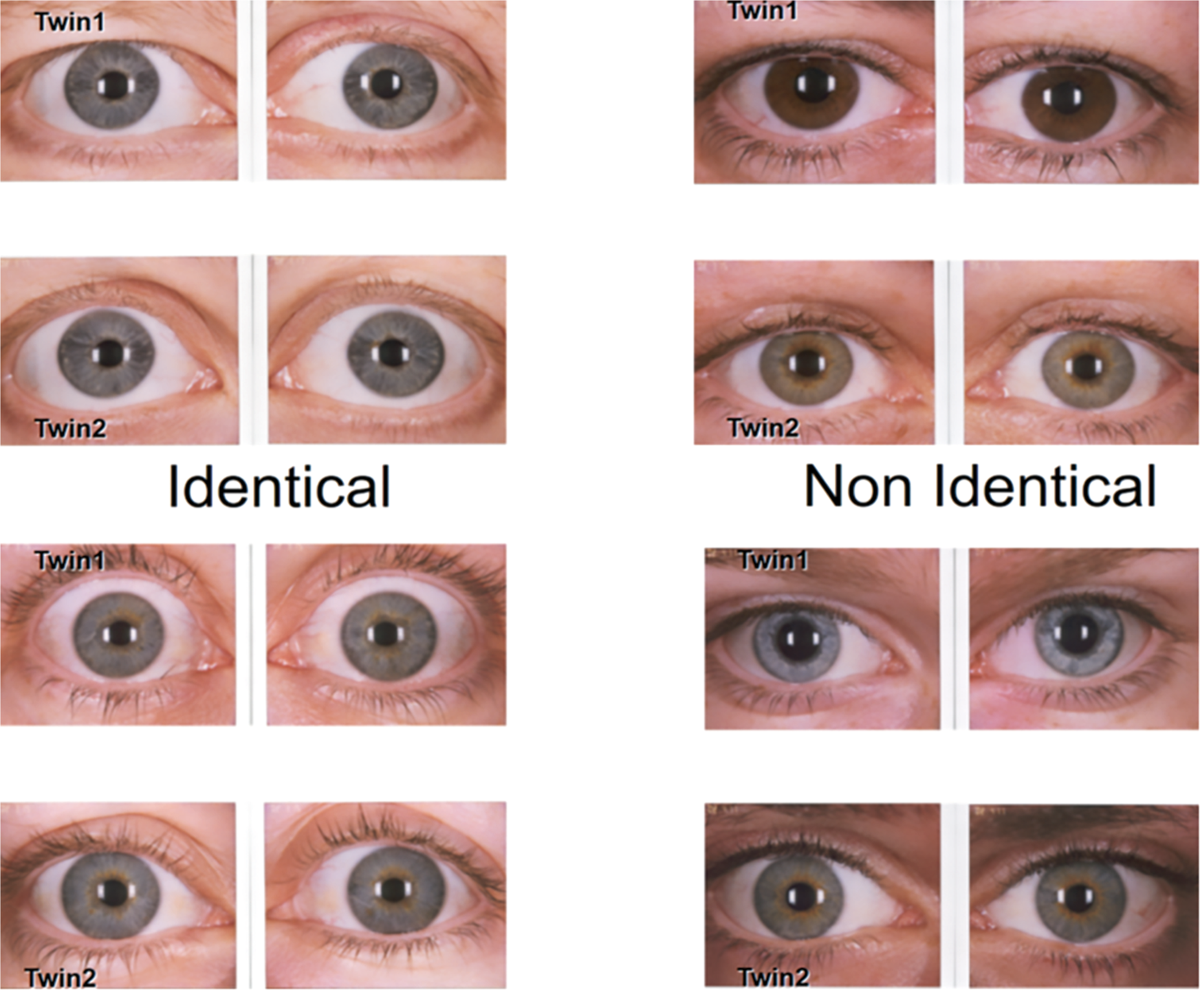
Credit: www.nature.com
When To See A Doctor
Sudden or noticeable eye color changes need prompt medical attention. Regular gradual shifts are usually harmless but still worth monitoring. Consult a doctor if you experience pain, vision changes, or rapid color shifts.
Eye color can change slightly over time due to natural causes. Most changes are slow and harmless. Sudden or noticeable changes may signal health problems. Monitoring eye color changes is important for your eye health.
Consult a doctor if you see a rapid color shift. Also, seek help if one eye changes color differently from the other. These signs may indicate underlying medical issues needing attention.
Signs That Need Medical Attention
Sudden eye color change can be linked to injury or disease. Pain, redness, or vision problems along with color change are warning signs. These symptoms require immediate medical evaluation to prevent damage.
Changes in pupil size or shape with eye color shifts also need prompt checkup. Some medications can alter eye color and cause side effects. A doctor can determine if the change is safe or needs treatment.
Medical Conditions Affecting Eye Color
Some diseases cause eye color changes, such as Horner’s syndrome or pigmentary glaucoma. These conditions may need specialized eye care. Early diagnosis improves treatment success and protects vision.
Regular eye exams help detect hidden problems before symptoms appear. Mention any eye color changes to your eye specialist during visits. Timely medical advice ensures eye health and peace of mind.
Frequently Asked Questions
Why Did My Brown Eyes Turn Green?
Your brown eyes may look green due to lighting, pupil size, or the Tyndall effect scattering light in the iris. Genetics and aging can slowly change melanin levels, altering eye color. Sudden or significant changes require an eye doctor’s evaluation to rule out medical issues.
Why Are My Eyes Changing Color As I Get Older?
Eyes change color with age due to genetics, melanin fading, and lighting effects. Pupil size and light scattering also influence appearance. Sudden changes may indicate medical issues, so consult an eye doctor if you notice rapid or significant shifts in eye color.
What Are The Top 3 Rarest Eye Colors?
The top 3 rarest eye colors are green, amber, and gray. These colors appear in less than 2% of the global population. Green eyes are rare due to low melanin and a unique light scattering effect. Amber eyes have a golden, coppery tint from high pheomelanin.
Gray eyes result from low melanin with a distinct collagen pattern.
At What Age Does Eye Color Change?
Eye color usually changes from birth up to around age three as melanin develops. Minor changes can occur throughout life but are rare. Sudden color changes in adults need medical attention to rule out health issues.
Can Eye Color Naturally Change As You Grow Older?
Yes, eye color can slowly change due to genetics and melanin fading with age.
Why Do Some Eyes Appear Green Instead Of Brown?
Lighting, pupil size, and the Tyndall effect can make brown eyes look green.
What Role Does Pupil Dilation Play In Eye Color Change?
Dilated pupils reveal more iris colors, sometimes making eyes appear lighter or greenish.
Can Medical Conditions Cause Sudden Eye Color Changes?
Yes, some diseases, injuries, or medications can cause quick and noticeable eye color shifts.
What Is The Tyndall Effect In Eye Color Appearance?
It is light scattering in the iris that can make eyes look blue or greenish.
How Does Genetics Influence Eye Color Changes Over Time?
Genes control melanin levels, which can slowly alter eye color during life.
Conclusion
Eye color can change slightly with age due to genetics and melanin shifts. Lighting and pupil size also affect how colors appear. Some changes are natural and slow, while sudden shifts may need medical attention. Always watch for unusual eye color changes.
Regular eye check-ups help keep your vision healthy. Understanding these facts helps you notice what is normal. Your eyes reflect more than just color—they tell a story. Stay aware, and enjoy the unique beauty of your eyes over time.