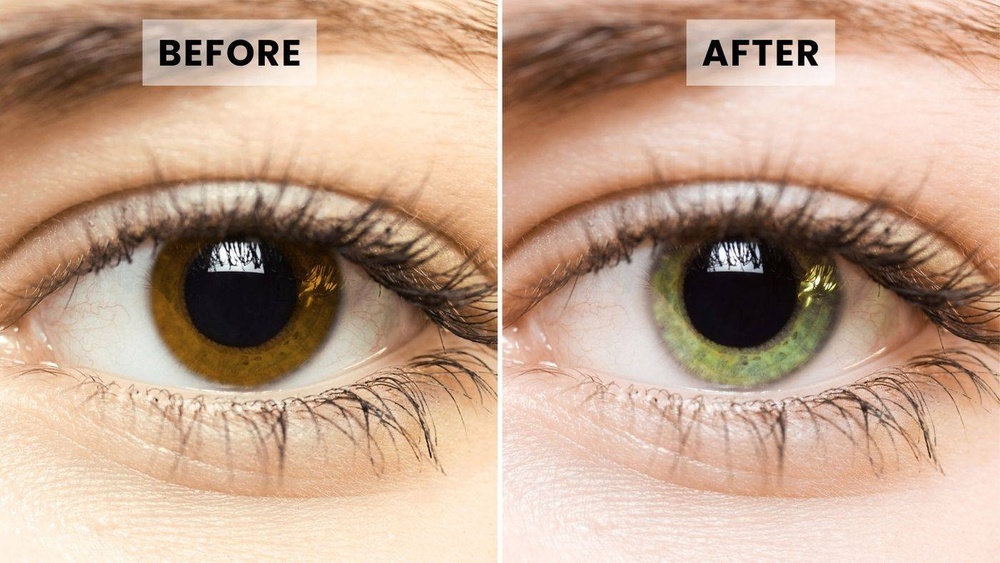
Have you ever wondered, “Can eye color change?” It’s a question that sparks curiosity because your eye color feels like a permanent part of who you are. You might notice your eyes looking different in certain lights or at different times, and it makes you ask: Is this real, or just an illusion?
Understanding whether your eye color can truly change—and what causes these changes—can reveal surprising facts about your health and genetics. Keep reading to discover the truth behind eye color shifts, when you should be concerned, and what options exist if you want to alter your eye color safely.
Your eyes might be telling you more than you realize.
How Eye Color Develops
Eye color forms during early development in the womb. It depends on the amount and type of pigments in the iris. Melanin is the main pigment that controls eye color.
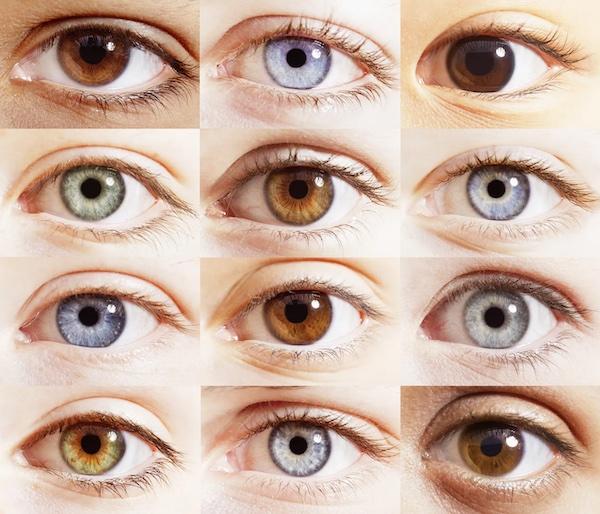
The more melanin in the iris, the darker the eyes appear. Brown eyes have a high amount of melanin. Blue eyes have less melanin and more light scattering. Green and hazel eyes have a mix of melanin and light effects.
Genes inherited from parents play a big role in eye color. Different genes can change how much melanin is made and stored in the iris. This creates a wide variety of eye colors.
Role Of Melanin In Eye Color
Melanin is a pigment that absorbs light and gives color. It is found in the iris, skin, and hair. The iris’s melanin controls how dark or light the eyes look. More melanin means darker eyes, less melanin means lighter eyes.
Genetic Influence On Eye Color
Several genes affect eye color by controlling melanin production. These genes work together to produce unique eye colors. Eye color inherited from parents can be unpredictable. Even siblings can have different eye colors.
Changes In Eye Color Over Time
Eye color can change slightly after birth. Babies often have blue or gray eyes that darken over months. This happens as melanin increases in the iris. Eye color usually stabilizes by age three.
Some people may notice slight changes in eye shade throughout life. These changes happen due to aging or light exposure. True dramatic changes in eye color are very rare.

Credit: www.wsj.com
Genetics And Eye Color Variations
Eye color is a visible trait shaped by genes. It depends on the amount and type of pigments in the iris. These pigments control the wide range of colors seen in human eyes. The diversity in eye color results from complex genetic interactions.
Different genes contribute to eye color. Some genes increase melanin, making eyes darker. Others reduce melanin, resulting in lighter eye colors. This mix of genes leads to many variations, from deep brown to light blue.
How Genes Determine Eye Color
Eye color is mainly influenced by two genes, OCA2 and HERC2. They regulate melanin production in the iris. More melanin causes darker eyes. Less melanin results in lighter eyes. These genes work together to create unique eye colors.
Variations Due To Genetic Combinations
Gene combinations can produce unexpected eye colors. For example, two parents with brown eyes can have a child with green or blue eyes. This happens when recessive genes for lighter colors are passed down. Genetic diversity explains many eye color differences.
Changes In Eye Color Over Time
Eye color can shift slightly as a person ages. Babies often have lighter eyes that darken in the first few years. This change happens because melanin levels increase during early childhood. Some adults may see minor changes due to genetics or health factors.
Lighting And Eye Color Appearance
Lighting plays a key role in how eye color looks. Different lights change the way your iris reflects color. Eyes can seem lighter or darker based on light conditions.
Sunlight often makes eyes appear brighter and more vibrant. Indoor lighting, like soft bulbs, can make eyes seem duller or deeper in color. Shadows also affect color perception.
The way light hits the eye changes how much of the iris is visible. This can make the eye color look different even though it stays the same.
Natural Light And Eye Color
Natural light reveals the true color of eyes. Bright sunlight shows all shades in the iris. It makes lighter colors like blue or green stand out more. Brown eyes may show flecks of gold or amber.
Cloudy or shaded areas soften eye color. They reduce shine and make colors look less bright. Light changes throughout the day also shift eye color appearance.
Artificial Light Effects
Artificial light often has a yellow or white tone. This can warm up eye colors, especially brown and hazel. Cool white lights might make eyes look more gray or blue.
Fluorescent lights can cause eyes to appear less vibrant. This light is harsh and can wash out color. Dim indoor lighting makes eyes look darker and less colorful.
Eye Color And Pupil Size
Pupil size changes with light levels. In low light, pupils get bigger. This shows more of the iris and can change how eye color looks. Bigger pupils often make eyes seem darker.
In bright light, pupils shrink. This limits the visible iris area. Smaller pupils may make eyes appear lighter or more focused in color.

Credit: www.usatoday.com
Pupil Dilation Effects
Pupil dilation can cause temporary changes in how eye color looks. The pupil is the black center of the eye that adjusts size based on light levels. In low light, the pupil widens to let in more light. This change can affect the appearance of the iris, the colored part of the eye.
When the pupil dilates, more of the iris is visible. The iris may look darker or lighter depending on how the pupil changes. This can create the illusion that eye color is shifting, even though the pigment stays the same.
Pupil Dilation And Eye Color Perception
Pupil size affects how much of the iris shows around it. A large pupil reveals more of the inner iris area. This part of the iris can have different color shades or patterns. These variations may cause the eye to appear a different color.
Lighting And Pupil Size
Lighting impacts pupil size. Bright light makes the pupil smaller. The iris looks more compact, showing fewer color variations. Dim light causes the pupil to expand. This expansion allows the iris to appear larger and sometimes changes its perceived color.
Temporary Color Changes From Dilation
Changes in eye color due to pupil dilation are brief. The effect disappears when lighting returns to normal. No permanent pigment change occurs during dilation. This means eye color shifts caused by pupil size are not lasting.
Age-related Changes In Eye Color
Eye color can change subtly as people age. These changes happen naturally and often go unnoticed. The iris, the colored part of the eye, contains pigment cells that can increase or decrease pigment over time. This shift can alter eye color slightly.
Babies often have blue or gray eyes at birth. Their eye color may darken during the first few years. This change happens because melanin, the pigment in the iris, builds up as the child grows. Adults can also experience mild changes in eye color, but these are usually less dramatic.
Why Eye Color Changes With Age
The amount of melanin in the iris affects eye color. As people get older, melanin levels can slowly decrease or increase. This process causes eye color to become lighter or darker. For example, blue or green eyes may become duller, while brown eyes may deepen in shade.
Common Age-related Eye Color Changes
Many people notice slight changes in their eye color during middle age. Gray eyes may turn a bit lighter or develop a yellowish tint. Brown eyes might look warmer or richer in hue. These changes result from natural aging of eye tissues.
When To Be Concerned About Eye Color Changes
A sudden or extreme change in eye color is rare and may signal health problems. Conditions like Fuchs heterochromic iridocyclitis or pigmentary glaucoma can cause noticeable shifts in eye color. Seek medical advice if eye color changes quickly or unevenly.
Medical Conditions Affecting Eye Color
Certain medical conditions can cause noticeable changes in eye color. These changes often happen because of inflammation, pigment loss, or nerve damage affecting the iris. Understanding these conditions helps recognize when eye color shifts might signal a health issue.
Fuchs Heterochromic Iridocyclitis
Fuchs heterochromic iridocyclitis is an eye inflammation that affects the iris. It can cause the affected eye to lose pigment, making it lighter than the other eye. This condition may also cause cataracts and glaucoma. The color change usually develops slowly and may be permanent.
Pigmentary Glaucoma
Pigmentary glaucoma occurs when pigment granules from the iris break off. These granules can block fluid drainage in the eye, increasing eye pressure. The loss of pigment may cause the eye color to appear lighter or uneven. This condition needs medical treatment to prevent vision loss.
Horner’s Syndrome
Horner’s syndrome affects the nerves controlling the eye and face. It can cause the iris to become lighter in the affected eye. Other signs include drooping eyelid and small pupil on the same side. The color change results from reduced pigment in the iris.
Iris Melanoma
Iris melanoma is a rare tumor that develops in the colored part of the eye. It may cause dark spots or patches on the iris. Sometimes, it leads to changes in eye color. Early detection is important to manage this condition effectively.
When To Seek Medical Advice
Eye color usually stays the same after childhood. Minor changes can happen due to light or age. Sudden or big changes are rare. These changes may signal health problems. It is important to know when to seek medical advice.
Sudden Changes In Eye Color
Sudden eye color change can be a warning sign. It may indicate inflammation or disease. Do not ignore rapid shifts in iris color. A quick check by an eye doctor is needed.
Changes Accompanied By Pain Or Vision Problems
Eye pain or blurry vision with color change is serious. These symptoms need immediate medical attention. Early diagnosis can prevent further damage or vision loss.
Uneven Or Patchy Color Changes
Uneven color or spots on the iris can signal illness. Conditions like iris melanoma or pigment disorders cause this. A doctor can examine these changes closely.
Changes Following Eye Injury
Eye injury may cause iris color change. Swelling or bleeding inside the eye can affect color. Medical evaluation helps rule out serious damage.
Other Symptoms To Watch For
Look for redness, sensitivity to light, or swelling. These signs alongside color change need professional check-up. Ignoring symptoms can worsen eye health.
Credit: dukeeyecenter.duke.edu
Permanent Eye Color Change Procedures
Permanent eye color change procedures offer a way to alter eye color beyond natural variations. These methods involve medical interventions designed to make the change last for a lifetime. People choose these procedures for cosmetic reasons or personal preference.
Understanding these procedures helps to weigh their benefits and risks carefully. Some methods are newer and less common, while others have been studied more extensively.
Laser Eye Color Change
This technique uses lasers to remove pigment from the iris. The laser breaks down brown pigment, revealing a blue color underneath. The procedure takes only a few minutes but may require multiple sessions.
It is still experimental and not widely available. Risks include inflammation, increased eye pressure, and vision problems.
Iris Implant Surgery
Iris implant surgery inserts a colored silicone disk into the eye. This disk covers the natural iris to change its color. Initially developed to treat eye injuries, it is also used for cosmetic changes.
The surgery carries risks such as infection, glaucoma, and damage to the cornea. Many eye specialists do not recommend it for cosmetic use.
Keratopigmentation
Keratopigmentation involves tattooing the cornea with pigment. This method adds color to the eye surface to change its appearance. It can create natural-looking eye colors and patterns.
This procedure is less invasive but still requires expert skill. Possible side effects include inflammation and pigment fading over time.
Risks Of Eye Color Change Surgeries
Eye color change surgeries attract many people seeking a new look. These procedures aim to alter the iris color permanently. Despite the appeal, these surgeries come with serious risks. Understanding these dangers helps make safer choices.
Risk Of Vision Loss
Eye color change surgeries can damage the eye’s internal structures. This damage may lead to partial or complete vision loss. The risk is higher with invasive procedures that alter the iris directly.
Infection And Inflammation
Surgeries can introduce bacteria inside the eye. This may cause severe infections and inflammation. Untreated infections can result in permanent eye damage and pain.
Increased Eye Pressure
Some procedures block normal fluid drainage in the eye. This can raise eye pressure and cause glaucoma. Glaucoma can lead to irreversible blindness if not controlled.
Corneal Damage
Laser or implant surgeries may harm the cornea’s delicate surface. Corneal damage causes blurry vision and discomfort. Repairing the cornea is difficult and may need further treatment.
Unnatural Appearance
Artificial eye color may look unnatural or uneven. Implants can shift or cause color changes over time. This may require additional surgeries or removal.
Permanent Side Effects
Many side effects from eye color surgeries are permanent. Removing implants or reversing changes is often impossible. Patients may live with lifelong complications.
Myths About Eye Color Change
Many people believe eye color can change easily. Stories and rumors often confuse fact with fiction.
Understanding common myths helps separate truth from false ideas.
Eye Color Changes Dramatically Over Time
Eye color does not change dramatically after childhood. Most eye color is set by age three.
Small changes can happen due to lighting or pupil size. True color shifts are rare in adults.
Brown Eyes Can Turn Green Naturally
Brown eyes rarely turn green on their own. Genetics make large color shifts unlikely.
Perceived changes often come from light or surroundings, not actual color change.
Eye Color Can Change With Mood
Eye color does not change with mood. The iris pigment stays the same.
However, pupil size can change with emotions, affecting how eye color looks.
Contact Lenses Permanently Change Eye Color
Colored contact lenses only change appearance temporarily. They do not alter the eye itself.
Permanently changing eye color requires surgery or medical procedures, which carry risks.
Eye Color Changes Signal Magic Or Supernatural Powers
This is a myth from stories and movies. Eye color change is a natural biological trait.
Real changes are linked to health or genetics, not magic.
Frequently Asked Questions
Can Brown Eyes Turn Green?
Brown eyes rarely turn green naturally. Minor shifts occur due to lighting, genetics, or aging. Sudden changes may signal eye conditions; consult a doctor.
What Can Naturally Change Eye Color?
Natural eye color changes occur due to lighting, pupil dilation, genetics, and aging. Sudden or lasting changes may signal medical issues.
How Rare Are Color Changing Eyes?
Color-changing eyes are very rare and usually caused by lighting, genetics, or aging. Sudden changes may signal health issues.
What Causes Eye Color To Change Later In Life?
Eye color can change later in life due to genetics, aging, lighting, or pupil dilation. Sudden changes may signal medical issues needing a doctor’s evaluation.
Can Eye Color Naturally Change Over Time?
Yes, eye color can subtly shift due to aging or changes in melanin production.
Why Do My Eyes Look Different In Various Lighting?
Lighting affects how light reflects on the iris, making eyes appear lighter or darker.
Can Pupil Size Affect Perceived Eye Color?
Pupil dilation can change the visible iris area, altering how eye color looks.
Is It Possible For Brown Eyes To Turn Green?
True change from brown to green is rare and often only a slight shift.
What Medical Conditions Cause Eye Color Changes?
Conditions like Fuchs heterochromic iridocyclitis or pigmentary glaucoma can alter eye color.
Can Eye Color Change After Birth?
Most eye color settles by age three but minor changes can occur later.
Conclusion
Eye color can change slightly due to light, age, or genetics. True, permanent shifts are rare without medical causes. Sudden or major changes may signal health issues. Always consult an eye doctor if you notice unusual changes. Protect your eye health by staying informed and attentive.
Your eye color tells a story, but health matters most.