Are you wondering how to make the color black with paint when you don’t have any black on hand? Whether you’re working on a creative project or just want to experiment, mixing your own black paint can open up new possibilities.
Black isn’t just one simple color—it can lean warmer, cooler, or have subtle tones depending on how you mix it. In this guide, you’ll discover easy ways to create rich, true black shades using common paint colors right at your fingertips.
Keep reading, and you’ll learn step-by-step how to mix black paint perfectly every time, making your artwork or DIY projects stand out with depth and intensity.

Credit: smart.dhgate.com
Colors To Mix For Black
Creating the color black with paint involves mixing specific colors carefully. True black is rare in paint mixing, but you can achieve a deep, dark shade close to black. Different combinations of colors work depending on the type of paint and the desired black tone. Understanding which colors to mix helps you control the warmth or coolness of the black you make.
Mixing Blue And Brown For Black
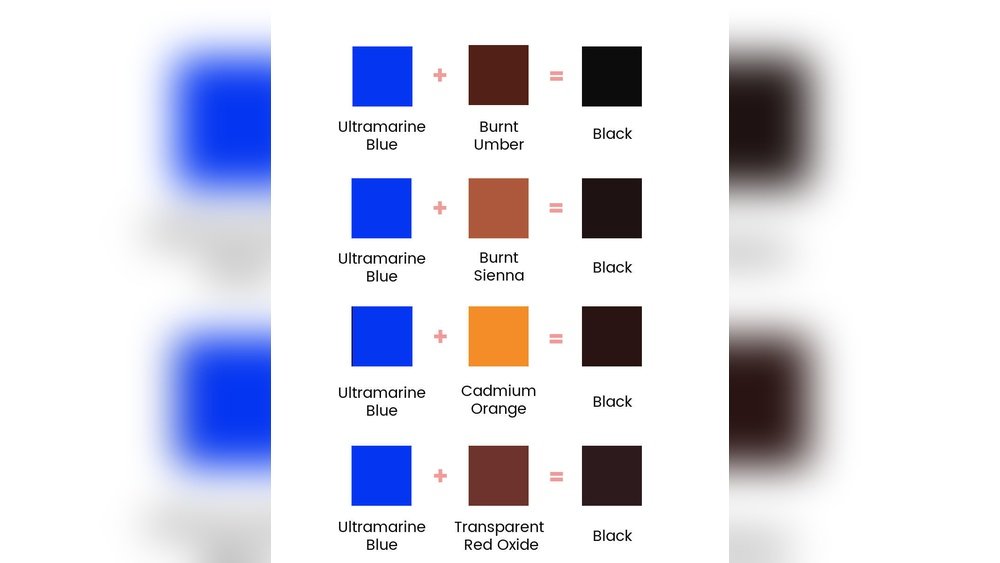
Mixing a dark blue like ultramarine with a dark brown such as burnt umber creates a rich black. Adjust the amount of each color for warmer or cooler black tones. This method is popular among artists for its natural look.
Using Complementary Colors To Make Black
Complementary colors sit opposite each other on the color wheel. Mixing them creates very dark, near-black colors. For example, blue and orange or red and green make deep dark shades. These blends can vary in tone depending on the colors’ brightness.
Combining Blue And Orange
Mixing blue and orange results in a dark color close to black. The blue should be a deep shade like ultramarine. Adjust the orange to change the black’s warmth. This mix is useful for creating shadows and depth in paintings.
Mixing Red And Green For Dark Shades
Red and green combined produce a very dark color similar to black. Use a strong red and a rich green for the best effect. This mix often has a slightly warm undertone, depending on the red used.
Using Primary Colors
Using primary colors to make black paint is a classic approach in color mixing. Primary colors are red, blue, and yellow. By blending these three colors carefully, you can create a deep, rich black. This method is helpful for artists who want to avoid buying black paint or want more control over the shade.
Mixing primary colors can be tricky. Each color affects the final tone. You need to balance the amounts to reach a true black. Too much of one color can make the mix muddy or dull.
Mixing Red, Blue, And Yellow
Start with equal parts of red, blue, and yellow paint. Use a palette knife or brush to blend them thoroughly. The mix should look very dark, almost black. If it looks brown or greenish, adjust the colors. Add a little more blue for a cooler black. Add more red or yellow for a warmer black.
Adjusting Color Balance For Black
Small changes make a big difference. If the black looks too warm, add more blue. If it looks too cool, add a bit of red or yellow. Keep mixing until the color looks balanced and dark. Test the color by painting a small area and letting it dry. This helps you see the true shade.
Benefits Of Using Primary Colors
Using primary colors gives you flexibility. You can create black shades that suit your artwork. This method also helps you learn more about color theory. Plus, mixing your own black can save money on paint supplies.
Mixing Complementary Colors
Mixing complementary colors is a popular method to create a dark, near-black paint. Complementary colors sit opposite each other on the color wheel. When combined, they neutralize each other, producing deep, rich tones close to black.
This technique works well because the colors cancel out their brightness. The result is a strong, muted color perfect for shadows and details in paintings.
Understanding Complementary Colors
Complementary colors are pairs like blue and orange or red and green. They have high contrast and balance each other. Mixing these pairs creates darker, more complex shades than simple black paint.
Mixing Blue And Orange
Start with a dark blue like ultramarine. Add orange slowly and mix well. Adjust the ratio until you reach a deep, almost black color. This mix produces a cool, slightly warm black.
Combining Red And Green
Use a bright red and a deep green. Mix small amounts at a time. This pair gives a warm, earthy black tone. Perfect for natural shadows or muted backgrounds in art.
Using Blue And Brown For Dark Black
Mix a dark blue with burnt umber or burnt sienna. This combination creates a rich, cool black color. It works well for adding depth and dimension to your paintings.
Combining Blue And Brown
Combining blue and brown paints offers a reliable way to create a dark, almost black shade. This mix works well because the deep tones of blue and brown balance each other. The result is a rich color suitable for shadows and dark details in paintings.
Using this method, you can control the warmth or coolness of the black color. Adding more blue gives a cooler black. Increasing brown adds warmth and depth. This approach is ideal for artists who want a natural black without using pure black paint.
Choosing The Right Blue And Brown Paints
Select deep, strong colors for the best results. Ultramarine blue is a popular choice for its intensity. For brown, burnt umber or burnt sienna works well. These colors mix smoothly and create a dark, rich tone close to black.
Mixing Proportions For Desired Shade
Start with equal parts of blue and brown paint. Mix them well to see the initial color. Add small amounts of blue to cool the shade. Add more brown to warm the color. Adjust slowly to avoid overshooting the perfect black tone.
Using The Mixture In Your Artwork
This dark color works great for shadows and fine details. It adds depth without the harshness of pure black. Use it in landscapes, portraits, or abstract art. The subtle warmth or coolness enhances natural-looking shadows.
Balancing Warm And Cool Blacks
Balancing warm and cool blacks is essential when mixing black paint. Black is not always just one shade. It can lean warm or cool depending on the colors mixed. Understanding this balance helps create the perfect black for your artwork.
Warm blacks have hints of red, orange, or brown. Cool blacks lean toward blue, green, or purple tones. Choosing the right balance affects the mood and depth of your painting.
What Are Warm Blacks?
Warm blacks contain red, brown, or orange undertones. These blacks feel cozy and rich. Mixing burnt umber or burnt sienna with a dark blue creates warm black. Warm blacks work well for natural and earthy scenes.
Understanding Cool Blacks
Cool blacks show blue, green, or violet hints. They feel calm and modern. Adding ultramarine blue or phthalo green to black paint gives cool black tones. Cool blacks suit urban or night scenes best.
How To Mix Warm And Cool Blacks
Start with a base of black or dark blue paint. Add small amounts of burnt umber for warmth. Add ultramarine blue for coolness. Adjust the ratio to get the black tone you want. Test your mix on paper before painting.
Tips For Balancing Black Tones
Use a palette knife to mix colors evenly. Mix little by little to avoid too strong a color. Compare your mix to reference blacks nearby. Remember, lighting can change how black looks. Experiment often to find your ideal black shade.
Adjusting Shades With Proportions
Adjusting shades with proportions plays a key role in making black paint. The right balance of colors affects the final shade and tone. Small changes in proportions create different black hues. Mixing colors carefully helps achieve the perfect black for your project.
Mixing Blue And Brown For Black
Use a dark blue like ultramarine as a base. Add burnt umber or burnt sienna slowly. Increase brown for a warmer black tone. Add more blue for a cooler black shade. Test small amounts to find the right mix.
Using Complementary Colors
Complementary colors are opposite on the color wheel. For example, red and green or blue and orange. Mix these pairs to create dark, near-black shades. Adjust the ratio to control warmth or coolness. This method gives a natural, rich black color.
Fine-tuning With Proportions
Start with equal parts of chosen colors. Slowly adjust one color to darken or lighten the black. More of a warm color brightens the shade slightly. More of a cool color deepens the black. Keep notes on proportions for future mixing.
Creating Black Without Black Paint
Creating black without black paint is possible by mixing different colors. This technique is useful when you run out of black paint or want a richer, more natural black shade. Mixing colors can give you a deep, dark tone that looks like black to the eye.
Using primary and secondary colors carefully helps create a black shade. You can experiment with color combinations to find the perfect black for your painting.
Mixing Blue And Brown For A Dark Black
Start with a dark blue like ultramarine. Add a dark brown such as burnt umber or burnt sienna. Mix small amounts until the color looks very dark. Adjust the amounts to get a warmer or cooler black tone. This mix creates a rich, deep black with subtle warmth.
Using Complementary Colors For Near-black
Complementary colors sit opposite on the color wheel. Examples include red and green or blue and orange. Mixing these colors creates a dark, near-black shade. The result is not pure black but close enough for many painting needs. This method gives a natural, muted black effect.
Mixing Blue And Orange To Create Dark Shades
Blue and orange are strong complementary colors. Mix equal parts of blue and orange to start. Slowly adjust to make the color darker or warmer. This mix produces a dark color that looks black from a distance. It works well for shadows and dark areas in paintings.
Combining Red And Green For Deep Black Tones
Red and green also mix to form a dark color. Use a deep red with a dark green for best results. Blend small amounts until the mix turns nearly black. This mix can add a rich, earthy tone to your artwork. It is perfect for natural and organic subjects.
Tips For Acrylic Black Mixing
Mixing black with acrylic paints can be tricky. Pure black paint is often too flat or harsh. Creating your own black mix adds depth and warmth. These tips help you blend colors for rich, natural black shades. Use basic paints and simple techniques to achieve the best results.
Use Dark Blue And Brown For Rich Black
Mix dark blue like ultramarine with dark brown such as burnt umber. This combo makes a deep, warm black. Adjust the amount of each color to change the tone. More blue creates cooler black. More brown adds warmth and earthiness.
Try Complementary Colors For Near-black Shades
Complementary colors sit opposite on the color wheel. Mixing them yields dark, complex blacks. Use blue with orange or red with green. These pairs cancel brightness and create near-black tones. Experiment with ratios to find your perfect shade.
Add Small Amounts Of Other Colors
Adding tiny touches of red, purple, or green enriches black paint. It stops black from looking flat or dull. Use a fine brush for small additions. Blend well to avoid streaks or spots. This method creates more lifelike black shades.
Mix On A Palette For Better Control
Always mix colors on a palette before applying. This helps you see the true shade. Use a palette knife or brush to blend evenly. Make small test strokes on paper to check the tone. Adjust colors gradually for best results.
Use Matte Medium For Softer Finish
Add matte medium to your black mixture for a smooth look. It reduces shine and thickens paint slightly. This tip works well for acrylics to create natural textures. Mix the medium thoroughly into the paint for consistency.
Common Mistakes To Avoid
Making black paint at home can be tricky. Many people try mixing colors but end up with muddy or dull results. Avoiding common mistakes helps you get a rich, true black color. These errors often waste paint and time. Knowing what to avoid improves your painting experience and final look.
Using Only Two Colors To Make Black
Mixing only two colors rarely creates a true black. The result often looks dark brown or gray. Black needs a mix of several colors or strong pigments. Combining just two colors usually gives muddy or dull shades. Try mixing three or more colors for a deeper black.
Ignoring Color Quality And Type
Cheap or low-quality paints affect your black color. Some colors have weak pigments that don’t mix well. Use high-quality paints for better results. Acrylic, oil, and watercolor paints behave differently. Choose the right type for your project and color mixing.
Overusing Dark Blue Or Brown
Blue and brown are common for making black. Too much blue can make the color look cold. Too much brown makes it warm and muddy. Balance these colors carefully. Adjust proportions slowly to avoid an unwanted shade.
Not Testing The Mix Before Painting
Mix a small amount first. Test the color on scrap paper or canvas. The black may look different when dry. This step saves wasted paint and effort. Adjust the mix until you get the desired black tone.
Forgetting About Lighting And Surface
Lighting changes how black paint looks. A black may seem lighter under bright light. Different surfaces absorb paint differently. Matte surfaces dull colors more than glossy ones. Consider light and surface before final painting.
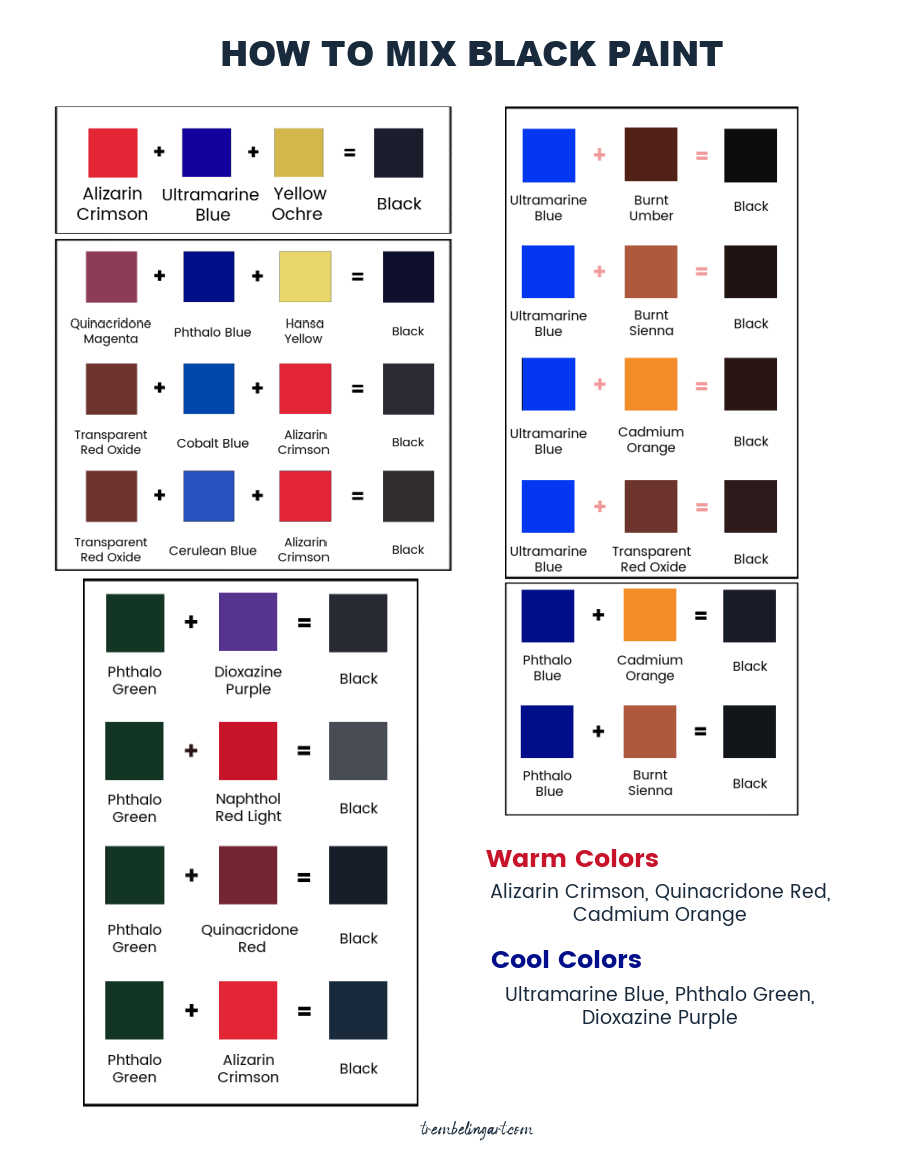
Credit: trembelingart.com
Enhancing Black With Additional Tones
Enhancing black paint with additional tones gives it depth and richness. Pure black can look flat and harsh in artwork. Adding subtle colors warms or cools the black. This creates a more natural and pleasing look. Small changes can make black feel softer or more dramatic.
Adding Blue To Black
Mixing blue with black creates a cool and deep shade. Use ultramarine or navy blue for the best effect. This mix works well in shadows or night scenes. Blue tones give black a slight shine and freshness. Adjust the amount of blue to avoid turning black into dark blue.
Using Brown To Warm Black
Brown tones soften black and add warmth. Burnt umber or burnt sienna are great choices. This blend makes black look earthy and rich. It is perfect for natural objects or skin tones. Adding too much brown can lighten the black, so mix carefully.
Incorporating Red For A Rich Black
Red adds a deep, warm undertone to black paint. Use crimson or dark red for subtle effects. This mix can give black a velvety, intense feel. It works well in portraits or dramatic art pieces. Keep red low to maintain the black’s darkness.
Using Green To Create Dark Neutral Black
Mixing green with black creates a muted, natural black tone. Dark green or olive green fits best. This combination helps balance the color and reduce brightness. It is useful for landscapes and natural textures. Too much green can make black look dull.

Credit: artmakespeople.com
Frequently Asked Questions
What Two Colors Make Black?
Mix dark blue (like ultramarine) with dark brown (such as burnt umber) to create black. Alternatively, combine complementary colors like blue and orange or red and green for a near-black shade.
What Colors Make Black Coloring?
Mix equal parts of red, blue, and yellow to make black paint. Alternatively, blend complementary colors like blue and orange or red and green for dark shades. Adjust proportions to achieve warmer or cooler black tones.
What Colors Are Needed To Create Black?
To create black, mix equal parts of red, yellow, and blue primary colors. Alternatively, blend complementary colors like blue and orange or red and green for dark shades. Adjust proportions to achieve warmer or cooler black tones. Mixing dark blue with dark brown also produces near-black colors.
Do Green And Purple Make Black?
Green and purple do not create true black when mixed. They produce a dark, muddy color close to black but not pure black. Mixing complementary colors or all primary colors yields better black shades.
What Colors Mix To Make Black Paint?
Mix dark blue and dark brown, like ultramarine and burnt umber, for a near-black shade.
Can Two Colors Create True Black Paint?
Two colors usually create a very dark color but not pure black paint.
How To Make Black Paint Using Primary Colors?
Mix equal parts of red, blue, and yellow to get a dark, blackish color.
Why Mix Colors To Make Black Instead Of Buying It?
Mixing allows control over black’s warmth or coolness and saves paint costs.
What Complementary Colors Create A Dark Black Shade?
Blue and orange or red and green mix to form deep, dark colors close to black.
How To Adjust Black Paint Warmth Or Coolness?
Add more brown for warmth or more blue for a cooler black tone.
Conclusion
Creating black paint is simple with the right color mixes. Combine all three primary colors—red, yellow, and blue—in equal amounts for true black. Mixing complementary colors like blue and orange or red and green also produces very dark shades. Adjust the amounts to make warmer or cooler blacks.
Experiment with dark blues and browns for rich, deep blacks. Practice and patience help you get the perfect black for your painting needs. Keep these tips in mind, and you’ll mix black paint confidently every time.