Have you ever wondered if birds see the world the same way you do? When you admire a colorful bird, do you think it sees those vibrant hues just like you?
The truth might surprise you. Birds don’t just see color—they experience a whole spectrum that goes beyond what human eyes can detect. Imagine colors so vivid and details so sharp that they reveal hidden patterns invisible to us. If you’re curious about how birds perceive color and why it matters to their survival and behavior, keep reading.
This fascinating glimpse into bird vision will change the way you look at nature forever.
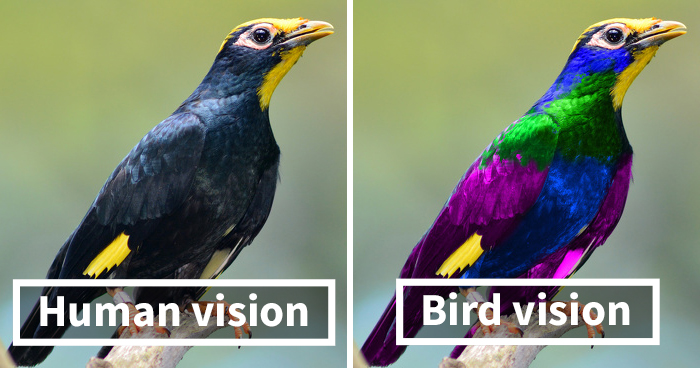
Credit: www.boredpanda.com
Bird Color Vision Basics
Birds see the world differently than humans do. Their eyes have special cells that detect colors in unique ways. These cells help birds spot colors that people cannot see.
Understanding how birds see colors starts with their eye structure. Their vision plays a key role in finding food, choosing mates, and avoiding danger.
Types Of Color Receptors In Birds
Birds have four types of color receptors called cones. Humans have only three cones. The extra cone allows birds to see ultraviolet (UV) light. This means birds can see colors beyond the human spectrum.
Each cone detects a different part of the light spectrum. Together, these cones help birds perceive millions of color shades. This makes their vision very sharp and colorful.
Ultraviolet Vision And Its Importance
Ultraviolet light is invisible to humans. Birds use UV vision to see important signals. For example, some flowers reflect UV light to attract birds for pollination.
UV patterns also help birds choose mates. Bright UV reflections often mean healthy and strong partners. Birds can even see UV marks on prey, helping them hunt better.
How Bird Vision Affects Their Behavior
Bird color vision influences many daily activities. It helps them find ripe fruits and colorful insects. Birds also use color signals to communicate with each other.
Color vision guides birds during flight. They can spot predators or safe places to land more easily. This ability improves their survival chances in the wild.
Tetrachromacy In Birds
Birds have a unique way of seeing color. Their eyes contain four types of color receptors. This is called tetrachromacy. Humans have only three types of color receptors. This extra receptor lets birds see colors humans cannot.
Tetrachromacy allows birds to detect ultraviolet (UV) light. UV light is invisible to humans. This ability helps birds find food, choose mates, and avoid predators. Birds can see many more shades and details in their environment.
How Tetrachromacy Works
Birds have cones in their eyes sensitive to different light wavelengths. These cones detect red, green, blue, and ultraviolet light. The brain combines signals from these cones to create a rich color image. This process gives birds a broader color spectrum than humans.
Benefits Of Tetrachromacy For Birds
Seeing UV light helps birds spot ripe fruits and flowers. It also reveals markings on other birds not visible to humans. These UV patterns can show health or readiness to mate. Tetrachromacy improves survival and reproduction in many bird species.
Examples Of Birds With Tetrachromacy
Many birds, like pigeons, hawks, and songbirds, have tetrachromatic vision. Some birds use UV signals to attract mates or warn rivals. Scientists study these birds to understand how color vision shapes their behavior and ecology.
Ultraviolet Light Perception
Birds can detect ultraviolet light, a color invisible to humans. This ability helps them find food, choose mates, and spot prey more easily. Their vision shows a richer, more colorful world than what people see.
Birds have a special ability to see ultraviolet (UV) light. This type of light is invisible to humans. Their eyes contain extra color receptors that detect UV rays. This makes their color vision much richer than ours.
UV perception helps birds in many ways. It aids in finding food by spotting UV-reflective patterns on plants and insects. Birds also use UV signals to choose mates, as some feathers shine under UV light. This ability gives them a unique view of their world.
How Birds Detect Ultraviolet Light
Birds have four types of color receptors, unlike humans who have three. One of these receptors is sensitive to UV light. This receptor allows birds to see colors beyond the human visible spectrum. Their eyes also have filters that protect them from too much UV light.
Benefits Of Seeing Ultraviolet Light
UV vision helps birds find food hidden from human sight. It also aids in navigation and spotting predators. Some birds mark their territory with UV signals that other birds can see. This ability is crucial for survival and communication in nature.
Birds Vs Humans Color Range
Birds can see colors beyond human ability, including ultraviolet light. Their color range helps them find food and mates more easily. Humans miss many details that birds notice through their advanced vision.
Birds and humans both see colors, but their range differs greatly. Humans see colors through three types of cones in their eyes. These cones detect red, green, and blue light. Birds have four types of cones, adding ultraviolet (UV) light detection. This extra cone lets birds see colors humans cannot imagine.
Birds use their wide color range to find food, choose mates, and avoid predators. Their ability to see UV light reveals hidden signals on flowers and feathers. Humans miss these signals because our eyes lack UV sensitivity. This difference shows how birds experience the world in richer color detail.
Human Color Vision
Humans rely on trichromatic vision. This means three color receptors detect light waves. These receptors combine signals to create the colors we see. Our vision covers red, green, and blue shades. This range suits our daily needs, like recognizing faces and reading signs.
Despite this, humans cannot detect UV or some other wavelengths. This limits our ability to see certain natural signals. Our color range is broad but not as wide as birds’.
Bird Color Vision
Birds have tetrachromatic vision. This means four types of cones detect colors. Their cones include the UV spectrum, beyond human sight. This extra range helps birds spot food that reflects UV light. It also aids in recognizing mates with UV feather patterns.
Birds also see colors more vividly. Their eyes have oil droplets that sharpen color contrast. This makes their world brighter and more colorful than ours. Such vision gives birds an advantage in survival and communication.
Why Ultraviolet Vision Matters
Ultraviolet vision opens new visual information for birds. Flowers reflect UV to attract pollinators like birds. Some fruits show UV patterns indicating ripeness. Birds use UV signals to choose healthy mates, often invisible to humans.
UV vision helps birds track prey by spotting urine trails or footprints. It also aids in navigation by detecting UV light from the sun. This sense is vital for many bird behaviors and survival skills.
Specialized Cone Cells
Specialized cone cells in birds’ eyes detect a wider range of colors than humans can see. These cells help birds perceive ultraviolet light, revealing details invisible to us. This ability enhances their vision for finding food, mates, and navigating their environment.
What Are Specialized Cone Cells?
Birds have unique cells in their eyes called specialized cone cells. These cells help them see colors in ways humans cannot. Unlike humans, birds have more types of cone cells. This gives them the ability to detect a wider range of colors.
Specialized cone cells are sensitive to different parts of the light spectrum. Some cones detect colors humans see, like red, green, and blue. Others sense ultraviolet (UV) light, which is invisible to the human eye. This extra sensitivity helps birds find food and mates.
How Do Specialized Cone Cells Work?
Each cone cell contains pigments that absorb light. When light hits these pigments, it sends signals to the bird’s brain. The brain then creates the image the bird sees. Birds combine signals from all cone cells to see rich and vivid colors.
Because birds have four or more types of cones, they see colors more vividly. They can see UV patterns on flowers, feathers, and even some insects. These patterns help birds make decisions and survive in the wild.
Why Are Specialized Cone Cells Important For Birds?
Specialized cone cells give birds an advantage in their environment. They help birds spot prey or ripe fruit from far away. Birds also use color signals to communicate with each other. Bright colors can show health or warn rivals.
Many bird species rely on UV vision for mating. Feathers may reflect UV light to attract partners. This ability to see beyond human colors plays a big role in their daily life.

Credit: gurneyjourney.blogspot.com
Oil Droplets And Color Filtering
Oil droplets in bird eyes act like tiny filters, enhancing color vision by blocking some light wavelengths. This filtering helps birds see more colors, including ultraviolet light invisible to humans. Such unique vision aids birds in finding food, mates, and navigating their environment.
What Are Oil Droplets In Bird Eyes?
Birds have tiny oil droplets inside their eyes. These droplets sit in the cone cells, the parts that detect color. They act like tiny filters for light entering the eye. This filtering changes how birds see colors.
Each droplet has a different color and thickness. These differences help birds focus on specific colors better. The oil droplets sharpen the colors they see, making the world more vivid.
How Oil Droplets Help Birds Filter Colors
Oil droplets filter light before it hits the bird’s color sensors. They block some light waves and let others through. This helps birds separate colors more clearly. It also reduces the blur between colors.
The filtering boosts sensitivity to certain colors, especially in the ultraviolet (UV) range. Humans cannot see UV light, but birds can. This ability helps birds find food and mates by seeing UV patterns.
Why Oil Droplets Matter For Bird Vision
Oil droplets improve color contrast and clarity. Birds can spot small differences in colors that humans miss. This skill helps birds in nature for survival tasks. For example, they can find ripe fruits or spot predators easily.
These droplets also protect the eyes from bright light. They reduce glare and improve vision in strong sunlight. This makes bird vision sharper and more reliable in different light conditions.
Uv Vision In Foraging
Birds use UV vision to find food, spotting patterns invisible to humans. Their ability to see UV colors helps in locating prey and ripe fruits. This unique color perception gives birds an advantage while foraging.
Birds use ultraviolet (UV) vision to find food. Their eyes detect light humans cannot see. This ability helps them spot hidden or camouflaged prey easily.
Many fruits, seeds, and insects reflect UV light. Birds see bright patterns on these food sources. These patterns stand out sharply against the background.
UV vision also helps birds track their prey. Some small animals leave UV-reflective trails or marks. Birds follow these signs to capture their meals.
Spotting Insects And Seeds
Insects often reflect UV light, making them visible to birds. Birds can see wing patterns and body colors in UV. This makes catching insects faster and more efficient.
Seeds and berries sometimes show UV patterns too. These signals guide birds to ripe and nutritious food. This helps birds choose the best food quickly.
Detecting Prey Trails
Some prey animals leave urine or scent marks visible in UV. Birds detect these marks to hunt effectively. This sense increases their chances of finding food.
UV trails are invisible to many predators. Birds gain an advantage by sensing these hidden clues. This skill improves their hunting success.
Uv Patterns In Mate Selection
Birds use ultraviolet (UV) patterns to choose mates, seeing colors invisible to humans. These UV signals help identify healthy partners and stand out during courtship. Their vision reveals hidden details, making color an important part of bird communication and selection.
Birds use ultraviolet (UV) light to find mates. Their eyes can see UV colors that humans cannot. These UV patterns play a big role in choosing a partner.
Many birds have feathers that reflect UV light. These reflections create bright patterns on their bodies. These patterns help birds show health and strength.
How Uv Patterns Show Health
Bright UV colors often mean a bird is healthy. Birds with strong UV reflections usually have good genes. They are less likely to have diseases or parasites.
Birds use these signals to pick the best mate. The brighter the UV pattern, the more attractive the bird looks.
Uv Patterns And Species Recognition
UV patterns help birds recognize their own species. Each species has unique UV markings. This prevents birds from mating with the wrong species.
It also helps them avoid hybrids, which may not survive well.
Uv Vision And Courtship Behavior
During courtship, birds show off their UV feathers. Males often display their UV patterns to attract females. Females watch these displays closely before choosing a mate.
UV vision makes courtship more colorful and complex. It adds another layer to bird communication.
Hunting Advantages With Uv Sight
Birds have a unique ability to see ultraviolet (UV) light. This gives them a strong advantage when hunting. Their UV vision helps them spot prey that hides from human eyes. It reveals details that are invisible to us.
UV sight makes hunting more efficient. Birds can detect urine trails left by small mammals. These trails reflect UV light, guiding birds directly to their prey. This saves time and energy during hunting.
Many insects and small animals have UV-reflective patterns on their bodies. Birds can see these patterns clearly, even in dense foliage. This helps birds locate hidden prey quickly and catch it before it escapes.
Spotting Prey With Uv-reflective Trails
Small animals often leave UV-reflective trails. Birds use these trails to track prey easily. This ability improves hunting success rates. Birds follow the glowing paths to find food faster.
Detecting Camouflaged Animals
UV vision reveals animals that blend into their surroundings. Camouflaged prey stands out under UV light. Birds can spot these hidden animals despite their disguise. This skill helps them catch prey others might miss.
Identifying Healthy And Weak Prey
UV sight helps birds judge prey condition. Healthy animals reflect UV light differently than weak ones. Birds choose weaker prey for easier capture. This saves energy and increases hunting efficiency.
Bright Colors In Bird Communication
Birds use bright colors to send important messages. These colors help them find mates, warn rivals, and show their health. Bright colors stand out in nature. They catch the eye of other birds easily.
Colors like red, blue, and yellow are common in bird feathers. Some birds can even see ultraviolet light. This gives them extra color signals invisible to humans. Bright colors play a key role in bird life.
Attracting Mates With Vivid Colors
Male birds often wear bright colors to attract females. The brighter the colors, the more attractive they seem. Females choose mates based on color brightness. This shows the male’s strength and good genes.
Colorful feathers signal health and vitality. Dull colors may mean poor health or age. Bright colors increase a male’s chances to reproduce.
Warning Signals And Territory Marking
Some birds use bright colors to warn rivals. These colors signal danger or dominance. When birds show their bright feathers, they claim territory. Other birds see the colors and avoid fights.
Bright colors can reduce physical battles. This saves energy and keeps birds safe.
Communication Beyond Human Vision
Birds see colors humans cannot. Ultraviolet (UV) light is one example. Many birds have UV-reflective feathers. These colors send secret signals to other birds.
UV colors help birds spot mates and food. They also help identify friends or foes. This extra color range makes bird communication richer.
Credit: www.reddit.com
Frequently Asked Questions
What Color Do Birds See Best?
Birds see colors differently, with excellent ultraviolet (UV) vision. UV light helps them spot food, mates, and predators better than humans. Their tetrachromatic vision includes UV, red, green, and blue, allowing richer color perception and enhanced detection of bright and subtle hues in nature.
What Color Scares Birds The Most?
Bright colors like red and orange often scare birds the most, as they signal danger or predators. Birds also react strongly to ultraviolet (UV) patterns, which humans cannot see. Using red, orange, or UV-reflective materials helps deter birds effectively.
What Color Attracts Most Birds?
Birds are most attracted to bright colors like red, yellow, and blue. They also see ultraviolet light, enhancing color perception.
Which Color Is Not Seen By Birds?
Birds cannot see the color red as humans do. They perceive ultraviolet light, invisible to us, enhancing their color vision.
Can Birds See Colors Humans Cannot?
Birds can see ultraviolet (UV) colors, which humans cannot see with the naked eye.
How Do Birds’ Eyes Differ From Human Eyes?
Birds have more types of color receptors, allowing them to see a wider color range.
Why Is Ultraviolet Vision Important For Birds?
UV vision helps birds find food, choose mates, and detect predators more easily.
Do All Birds See Colors The Same Way?
No, color vision varies among bird species depending on their environment and needs.
Can Birds See Color At Night?
Most birds see poorly in color at night, relying more on shape and movement.
How Does Bird Color Vision Affect Their Behavior?
Color vision helps birds in hunting, mating, and navigating their surroundings effectively.
Conclusion
Birds see colors in a way humans cannot. They detect ultraviolet light, revealing hidden patterns. This ability helps them find food and choose mates. Their vision includes four color types, not just three like humans. Understanding bird color vision shows how unique their world is.
It reminds us nature has many secrets beyond our sight. Exploring bird vision deepens our appreciation of these amazing creatures.