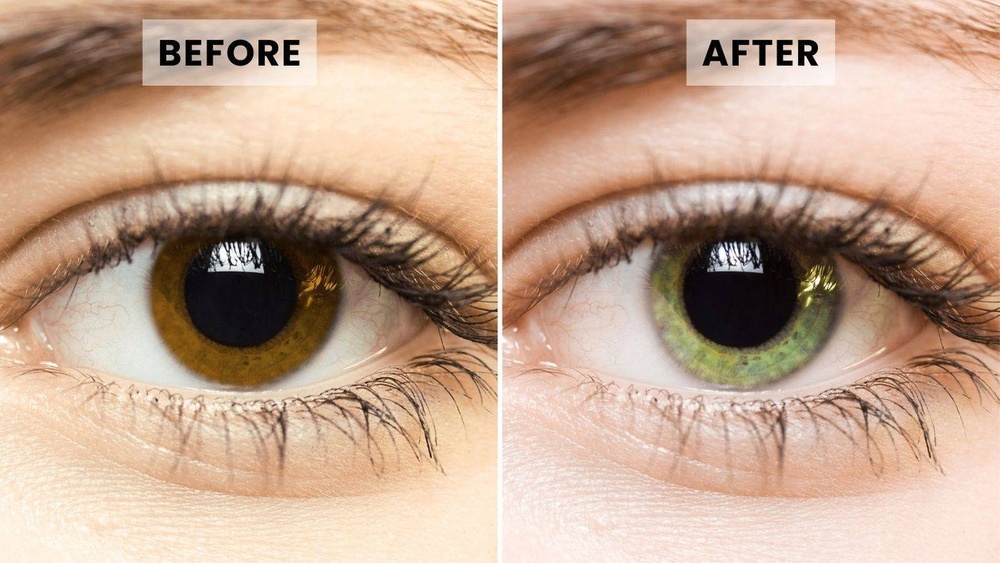
Have you ever looked in the mirror and wondered, “Can my eyes really change color?” It’s a question many people ask when they notice their eyes looking different in various lighting or when wearing certain clothes. You might be curious if these shifts are just tricks of light or if there’s more happening beneath the surface.
Whether your eyes seem to change from brown to green or take on a new shade altogether, understanding why this happens can be fascinating—and important. You’ll discover what causes eye color changes, when it’s normal, and when you should consider seeing a doctor.
Keep reading to uncover the truth about your ever-changing eyes.
Eye Color Basics
Eye color is a unique trait shaped by genetics and biology. It gives each person a distinct look. Understanding eye color basics helps explain why eyes might seem to change color sometimes.
The color depends on the iris, the colored ring around the pupil. The iris has pigment called melanin, which controls eye color. More melanin means darker eyes, less melanin means lighter eyes.
What Determines Eye Color?
Genes from both parents decide how much melanin the iris has. Brown eyes have a high amount of melanin. Blue eyes have less melanin but more light scattering. Green, hazel, and gray eyes have different melanin levels and light effects.
How Light Affects Eye Color
Light changes how we see eye color. Bright light makes pupils smaller, showing more iris color. Dim light makes pupils larger, sometimes making eyes look darker. Reflections and surroundings can also shift the color you see.
Common Eye Colors
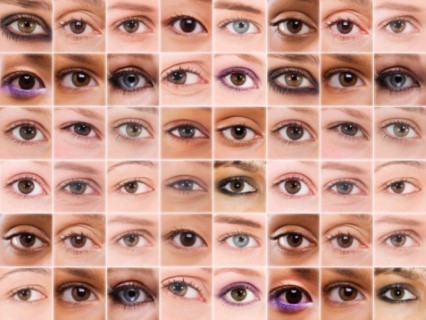
Brown is the most common eye color worldwide. Blue eyes are common in northern Europe. Hazel eyes mix green, brown, and gold tones. Green eyes are rare and have moderate melanin. Each color has many shades and variations.
Why Eyes Sometimes Appear To Change Color
Eyes rarely change color completely. Color shifts often come from lighting, clothing, or emotions. Pupil size changes can make the iris color look different. Some eye conditions or age can cause real changes, but these are less common.
How Eye Color Is Determined
Eye color depends mainly on genetics and the amount of pigment in the iris. The iris is the colored part of the eye that controls how much light enters. Different genes work together to decide your eye color.
Melanin is the key pigment that affects eye color. More melanin makes eyes darker. Less melanin results in lighter eyes. Eye color can range from dark brown to blue, green, or hazel. The way light hits the iris also changes how we see eye color.
Role Of Melanin In Eye Color
Melanin controls the darkness of the iris. Brown eyes have a lot of melanin. Blue eyes have very little melanin. Green and hazel eyes have a medium amount. Melanin also protects the eyes from sunlight damage.
Genetics And Eye Color
Multiple genes influence eye color. These genes interact in complex ways. A child’s eye color can be different from both parents. Genes determine how much melanin the iris produces. This process is why eye color varies widely.
How Light Affects Eye Color
Eye color can appear to change under different lights. Bright sunlight can make eyes look lighter. Dim light can make eyes seem darker. Light reflection and scattering affect the iris color we see.
Changes In Eye Color Over Time
Eye color can change during infancy. Babies often have lighter eyes that darken with age. Some adults may notice subtle changes in color too. Aging and health factors may slightly alter eye color over time.
Lighting Effects On Eye Color
Eyes can look different in various lighting conditions. Light affects how we see eye color. It can make eyes appear brighter or darker. This does not mean the eye color is changing permanently. It only changes the way color is seen.
Light reflects off the iris, the colored part of the eye. Different lights highlight different pigments. The result is a shifting appearance in eye color. This is common and natural.
How Natural Light Changes Eye Color
Sunlight is the most common light that changes eye color. Bright sunlight can make eyes look lighter. It may bring out flecks of gold or green in hazel eyes. Shadows can make eyes seem darker. Natural light creates a dynamic look to eye color.
Artificial Lighting And Eye Color
Indoor lighting also affects eye color. Warm lights can add a yellow or amber tone. Cool, white lights may make eyes look blue or gray. Fluorescent lights often dull eye color. The type of bulb and light angle change what you see.
The Role Of Eye Shape And Pupil Size
The size of the pupil changes with light. Larger pupils let in more light. This can soften eye color and make it appear darker. Small pupils reduce light, making eyes look sharper and brighter. Eye shape also affects how light reflects from the iris.

Credit: www.wsj.com
The Role Of Hazel Eyes
Hazel eyes are unique because they blend two or more colors. They often show shades of brown, green, and gold. This mix makes hazel eyes seem to change color. The change depends on light and surroundings.
People with hazel eyes may notice their eyes look different at times. This is normal and not a true change in eye color. It happens because of how light hits the eye.
What Makes Hazel Eyes Special?
Hazel eyes have a mix of pigments in the iris. Brown and green pigments can be present together. The balance of these pigments can shift the eye’s appearance. Light reflection also plays a big role.
How Light Affects Hazel Eyes
Sunlight and indoor lighting change how hazel eyes look. Bright light can bring out green or gold tones. Dim light may make the brown color more visible. Colors of clothing can also influence how eyes appear.
Why Hazel Eyes Seem To Change Color
The iris structure of hazel eyes causes shifting colors. Different angles show different pigments. Pupil size changes how much light enters the eye. This affects which colors are more noticeable.
Hazel Eyes And True Color Change
True eye color change is rare in adults. Hazel eyes only seem to change color due to lighting and environment. A sudden or permanent change may signal a health issue. Seeing a doctor is important if changes happen fast.
Pupil Dilation And Color Perception
The size of your pupils can change the way your eye color looks. Pupils get bigger or smaller to control how much light enters your eye. This change can affect how light hits the iris, the colored part of the eye.
When pupils dilate, the iris may look darker or lighter. This shift happens because light scatters differently. The eye’s color does not truly change, but it may seem so to others.
Pupil Size And Light Reflection
Small pupils let less light into the eye. This can make the iris color look sharper. Larger pupils allow more light, sometimes making eyes appear softer or darker. The difference in light reflection changes how colors are seen.
How Iris Patterns Affect Color
The iris has layers and patterns that reflect light uniquely. These patterns can change how color appears during pupil dilation. Light may hit some parts more than others, causing a slight color shift.
Emotional State And Pupil Dilation
Strong emotions can cause pupils to dilate. Excitement, fear, or attraction can make pupils larger. This change can make your eyes look like they have a different color temporarily.
Environmental Impact On Eye Color Perception
Surrounding light sources affect pupil size and color perception. Bright sunlight causes pupils to shrink, enhancing eye color clarity. Dim light makes pupils grow, often darkening the eye’s appearance.
Credit: eyedoctorsite.com
Age-related Changes In Eye Color
Eyes can subtly change color as people grow older. This is due to natural shifts in the pigments in the iris. These changes happen slowly and often go unnoticed. They are part of the body’s aging process.
Many babies are born with blue or gray eyes. Their eye color can deepen as melanin builds up in the iris. For adults, the change is usually less dramatic but still possible. Understanding these changes helps explain why eye color is not always fixed.
How Melanin Levels Affect Eye Color Over Time
Melanin is the pigment that gives eyes their color. Its amount can increase or decrease with age. Less melanin causes lighter eye colors. More melanin results in darker eyes. Aging tends to reduce melanin slightly in some people.
Common Age-related Eye Color Changes
Eye color changes often appear as a slight lightening or fading. Brown eyes may become lighter or take on a golden hue. Blue eyes might look less bright or more gray. These shifts happen gradually and are normal.
When To See A Doctor For Eye Color Changes
Sudden or uneven eye color changes need medical attention. Changes combined with vision problems or pain could signal health issues. Conditions like inflammation or injury might cause color shifts. Early diagnosis helps protect eye health.
Medical Conditions That Affect Color
Eye color can seem to shift for many reasons. Some changes are normal, caused by light or mood. Other changes may signal a medical condition. Understanding these conditions helps you know when to see a doctor. Medical issues can affect the iris pigment or eye tissues. These changes often need prompt attention.
Horner’s SyndromeHorner’s Syndrome affects the nerves to the eye and face. It can cause one pupil to be smaller and the iris color to lighten. This happens because the eye loses some pigment. The condition may come from nerve damage or tumors. Early diagnosis is important to treat the cause.
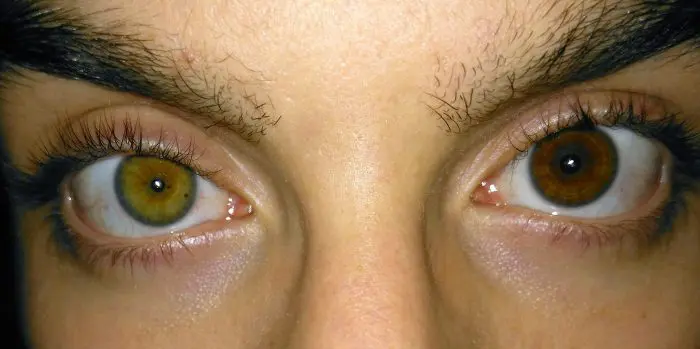
HeterochromiaHeterochromia means having two different eye colors or color patches. It can be present at birth or develop later. Some cases are harmless and genetic. Others result from injury, inflammation, or disease. Monitoring changes in eye color is crucial to rule out problems.
UveitisUveitis is inflammation inside the eye. It can change eye color by affecting the iris. The eye may appear darker or lighter. Uveitis often causes redness, pain, and blurry vision. Immediate medical care is necessary to prevent vision loss.
Glaucoma and MedicationsSome types of glaucoma can cause eye color changes. This happens when the iris pigment shifts or deposits build up. Certain glaucoma medicines, especially prostaglandin analogs, may darken the iris. Patients should discuss side effects with their doctor.
Eye InjuryTrauma to the eye can alter iris color. Damage may cause scarring, pigment loss, or deposits. Eye injuries need prompt treatment to reduce complications. Color change after injury can indicate underlying tissue damage.
Impact Of Medications On Eye Color
Medications can affect the color of your eyes in subtle or noticeable ways. Some drugs interact with pigments in the iris or change eye tissue. These changes may be gradual and only visible after long-term use. Understanding how medications impact eye color helps you recognize any unexpected shifts and discuss them with your doctor.
Prostaglandin Analogues And Darkening Of The Iris
Prostaglandin analogues treat glaucoma by lowering eye pressure. A known side effect is darkening of the iris color. This change usually happens in people with lighter eyes. Brown pigment in the iris increases, causing eyes to look darker. The effect can be permanent even after stopping the medication.
Impact Of Eye Drops On Eye Color
Some eye drops contain chemicals that affect iris cells. These drops may cause subtle changes in eye color over time. The color shift is often gradual and may be more visible under certain lighting. Always follow your doctor’s instructions to avoid unwanted side effects.
Medications Causing Temporary Eye Color Changes
Certain medications can cause temporary eye color changes. These shifts result from pupil dilation or changes in blood flow to the iris. For example, some allergy or cold medicines may widen pupils. This can make eyes appear lighter or darker for a short time. Once the drug wears off, eye color returns to normal.
Risks Of Eye Color Changes From Medication
Eye color changes due to medication can signal deeper issues. Changes may indicate irritation or damage to eye tissues. Persistent color shifts should be checked by an eye specialist. Early detection helps prevent more serious eye problems.
Heterochromia Explained
Heterochromia is a condition where a person has different eye colors.
It can affect one eye or both eyes with multiple colors.
This unique trait happens due to variations in melanin levels in the iris.
What Causes Heterochromia?
Heterochromia can be genetic or develop from injury or illness.
Some people are born with it, passed down from their parents.
Other times, eye trauma or certain diseases can cause color changes.
Types Of Heterochromia
Complete heterochromia means each eye has a different color.
Partial heterochromia occurs when one eye has two colors.
Central heterochromia shows a ring of different color around the pupil.
Is Heterochromia Dangerous?
Most cases are harmless and only affect appearance.
In rare cases, it may indicate an eye health issue.
Consult an eye doctor if you notice sudden color changes.
Credit: johngoosey.com
When To Consult An Eye Doctor
Changes in eye color can be natural or signal health problems. Sudden or unusual shifts need medical attention. An eye doctor can check for underlying issues that affect eye color and vision.
Early diagnosis helps prevent serious eye damage. Monitoring your eye color and related symptoms is important for eye health.
Sudden Changes In Eye Color
Rapid changes in eye color can indicate eye disease or injury. Seek immediate care if you notice quick shifts in color.
This may be a sign of inflammation, infection, or other serious conditions.
Eye Pain Or Vision Problems
Changes in eye color with pain, redness, or blurred vision require urgent evaluation. These symptoms suggest eye damage or infection.
Do not ignore discomfort or vision loss alongside color change.
History Of Eye Injury
Past eye injuries can cause delayed changes in iris color. Regular check-ups ensure no hidden damage exists.
An eye doctor can detect complications before they worsen.
Use Of Eye Medications
Some medications may alter eye color over time. Consult your doctor if you notice color shifts after starting new eye treatments.
Doctors can adjust medication or suggest alternatives if needed.
Unexplained Changes In Eye Appearance
Changes in eye shape, size, or color without clear cause need professional assessment. These may signal serious eye or health conditions.
Regular eye exams help catch problems early for better outcomes.
Frequently Asked Questions
Why Have My Brown Eyes Turned Green?
Your brown eyes may look green due to lighting, clothing, pupil size, or natural hazel variation. Aging, injury, or health issues can also cause color changes. Consult an eye doctor if changes are sudden, significant, or accompanied by symptoms.
Do Eyes Naturally Change Color?
Eyes can naturally change color due to genetics, aging, lighting, or pupil dilation. Sudden changes may signal health issues and need medical attention.
Is Your True Eye Color In The Sunlight?
Sunlight can reveal your eye’s true color by highlighting natural pigments. Lighting and surroundings affect how your eyes appear.
What Causes Permanent Eye Color Change?
Permanent eye color change occurs due to genetics, aging, eye injury, certain medical conditions, or use of specific medications like glaucoma drops.
Can Eye Color Change Naturally Over Time?
Yes, eye color can change slightly due to aging or changes in melanin levels.
Why Do My Eyes Look Different In Various Lighting?
Lighting and surroundings affect how your eye color appears to others.
Can Pupil Size Affect Perceived Eye Color?
Pupil dilation changes light reflection, which can make eyes seem lighter or darker.
Are Hazel Eyes More Likely To Change Color?
Hazel eyes have mixed pigments, causing their color to shift with light and angle.
Can Eye Injuries Cause Permanent Color Change?
Yes, injuries can alter iris tissue, leading to lasting changes in eye color.
Do Medications Influence Eye Color Changes?
Certain drugs, like prostaglandin-based treatments, can darken or alter eye color.
Conclusion
Eye color can change due to many natural factors. Lighting, mood, or clothing often cause these shifts. Some changes happen with age or health conditions. Sudden or big changes need a doctor’s attention. Understanding eye color helps you notice what is normal.
Keep an eye on your vision and eye health. Your eyes are unique and may surprise you. Stay aware and enjoy the beauty of your eyes.