
Thinking about changing up your hair color or just touching up those roots? You might be wondering, “How often can I color my hair without damaging it?” This question is more important than you realize because coloring too frequently can harm your hair’s health and look.
But waiting too long might leave you feeling less confident about your appearance. You’ll discover the ideal timing for coloring your hair, factors that affect how often you should do it, and tips to keep your locks vibrant and healthy.
Keep reading to find out how to strike the perfect balance between style and hair care!
Safe Dyeing Intervals
Hair dyeing is best done every 4 to 6 weeks to keep hair healthy. Frequent coloring can cause dryness and damage. Using gentle products helps protect hair between dye sessions.
Understanding Safe Dyeing Intervals
Coloring hair too often can cause damage. Your hair needs time to recover between dye sessions. Safe dyeing intervals protect your hair’s health and shine.
Experts usually recommend waiting 4 to 6 weeks before dyeing again. This gap helps reduce breakage and dryness. It also allows your scalp to heal from any irritation caused by chemicals.
General Guidelines For Dyeing Frequency
- Wait at least 4 weeks between permanent color treatments.
- Semi-permanent dyes can be applied more often, around every 2 to 4 weeks.
- Demi-permanent colors fall between semi and permanent, safe every 3 to 4 weeks.
- Touch up roots carefully to avoid over-processing the hair ends.
Factors Affecting How Often You Can Dye
- Hair Health: Dry or damaged hair needs longer recovery time.
- Type of Dye: Permanent dyes are harsher than semi-permanent ones.
- Natural Hair Color: Going lighter often requires more frequent touch-ups.
- Maintenance Routine: Use treatments and root touch-up products to stretch time between coloring.
Steps To Take Before Your Next Dye
- Perform a patch test to check for allergic reactions.
- Do a strand test to see how the color appears on your hair.
- Consult a professional stylist for personalized advice.
- Discuss previous reactions or sensitivities with your colorist.
Hair Health And Coloring
Coloring hair changes its structure. It can make hair dry and weak. Healthy hair handles color better and looks brighter.
Knowing how often to color hair helps protect its health. Frequent coloring may cause damage and breakage. Giving hair time to recover keeps it strong and shiny.
How Often Should You Wait Between Coloring?
Most experts suggest waiting 4 to 6 weeks before coloring again. This time helps hair heal from chemical effects. It reduces the risk of damage and dryness.
If hair feels brittle or very dry, wait longer. Use nourishing masks and treatments to rebuild strength. Healthy hair holds color better and lasts longer.
Types Of Hair Dye And Their Impact
Semi-permanent and demi-permanent dyes are gentler on hair. They fade faster and can be applied more often. Permanent dyes are stronger and damage hair more.
Choose dye types based on hair condition and desired color. Lightening hair needs more care and longer breaks between coloring. Darker shades often cause less harm.
Tips To Maintain Hair Health Between Coloring
Use deep conditioning treatments weekly to keep hair soft. Avoid heat styling tools that increase dryness and breakage. Protect hair from sun and harsh weather.
Try temporary color sprays or root touch-up products to delay full coloring. Wearing hats can also protect hair and scalp. These steps help stretch time between dye sessions.
Types Of Hair Dye
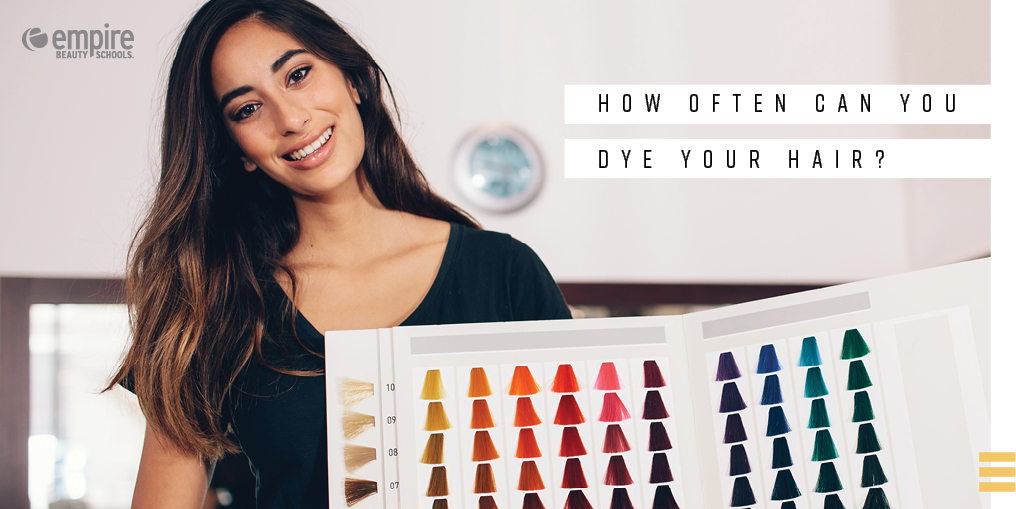
Understanding the types of hair dye helps you decide how often to color your hair. Different dyes affect your hair in various ways. Some are gentle and fade quickly. Others last longer but may damage your hair more.
Permanent Hair Dye
Permanent hair dye changes your hair color for a long time. It uses chemicals that open the hair cuticle. The color goes deep inside the hair shaft. This dye lasts until your hair grows out or is cut off. It can make hair dry or weak. Wait at least 4 to 6 weeks before reapplying.
Semi-permanent Hair Dye
Semi-permanent dye coats the hair surface without opening the cuticle. It lasts for about 4 to 12 washes. This dye is less damaging and fades gradually. You can apply it more often than permanent dye. It is good for subtle color changes or trying new shades.
Demi-permanent Hair Dye
Demi-permanent dye lasts longer than semi-permanent. It uses a low amount of peroxide to slightly open the hair cuticle. The color lasts for 20 to 28 washes. This dye is gentler than permanent dye but stronger than semi-permanent. It adds shine and blends grays well.
Temporary Hair Dye
Temporary hair dye sits on the hair surface and washes out with one shampoo. It is the safest option for your hair. This dye is perfect for special events or short-term color changes. It does not damage hair but does not last long.
Credit: www.empire.edu
Root Touch-up Timing
Roots grow about half an inch per month. This means new hair color appears quickly. Touching up roots keeps your hair looking fresh and even. But timing is key to avoid damage and maintain healthy hair.
Knowing when to do a root touch-up helps protect hair from too much chemical exposure. It also saves money and effort in the long run.
How Long Should You Wait Between Root Touch-ups?
The general rule is to wait 4 to 6 weeks before touching up roots. This allows hair to grow enough for a visible difference. Touching up too soon can cause over-processing and dryness.
Waiting also gives your scalp time to recover from any irritation caused by hair dye.
Factors That Affect Root Touch-up Timing
- Hair Health: Dry or damaged hair needs longer to recover.
- Type of Dye: Semi-permanent dyes can be used more often than permanent ones.
- Natural Hair Color: Going lighter usually means more frequent touch-ups.
- Maintenance Routine: Using root sprays or hats can stretch the time between touch-ups.
Tips Before Doing A Root Touch-up
- Perform a patch test to avoid allergic reactions.
- Try a strand test to check if the color matches your existing hair.
- Consult a professional stylist for personalized advice.
Signs Hair Needs A Break
Hair coloring can brighten your look and boost confidence. Yet, frequent coloring can harm hair health. Recognizing when your hair needs a break is vital. This prevents damage and keeps hair strong and shiny.
Listen to your hair’s signals. They reveal if it needs time to heal before the next color session. Watch for these signs to avoid over-processing.
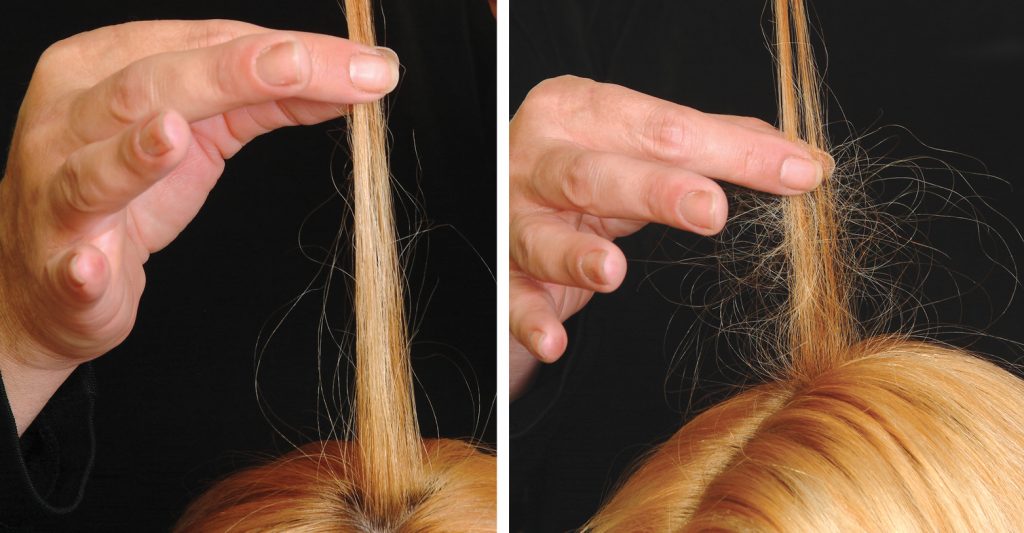
Hair Feels Dry And Brittle
Dry, brittle hair often means damage from chemicals. Hair loses moisture and breaks easily. This happens when coloring happens too often without enough rest. A break allows natural oils to restore softness.
Split Ends Are More Noticeable
Split ends signal weakened hair strands. Coloring can worsen them if done too soon. Letting hair rest helps reduce breakage. Trim split ends regularly to keep hair healthy.
Color Fades Quickly Or Looks Uneven
Fading or uneven color shows hair is stressed. Damaged hair struggles to hold color well. Pausing coloring gives hair time to recover and absorb dye better next time.
Increased Hair Fall Or Thinning
Hair fall after coloring is a warning sign. It may mean scalp irritation or hair weakening. Taking a break supports scalp health and reduces hair loss risk.
Hair Feels Rough Or Tangled
Rough texture and tangling indicate loss of smoothness. Coloring strips protective layers from hair cuticles. Resting hair lets cuticles repair, making hair easier to manage.
Credit: www.empire.edu
Pre-coloring Tests
Before coloring your hair, performing pre-coloring tests is essential. These tests help protect your hair and scalp from damage and allergic reactions. They also ensure the chosen color suits your hair type and skin tone.
Taking simple steps before the coloring process can save you from unwanted surprises. Testing can prevent hair breakage and skin irritation. It also helps achieve the best color results.
Patch Test
Apply a small amount of hair dye on your skin, usually behind the ear or on the inner elbow. Wait 48 hours to check for redness, itching, or swelling. If any irritation occurs, avoid using that dye.
Strand Test
Test the dye on a small hair section. This shows how your hair will react to the color. It reveals if the color turns out as expected and if your hair can handle the dye without damage.
Consult A Professional
Visit a hair stylist for advice before coloring. Professionals can guide you on the right dye and timing. They help avoid mistakes and recommend the safest options for your hair health.
Professional Advice Benefits
Frequent hair coloring can damage your hair if done too often. Experts suggest waiting 4-6 weeks between treatments to keep hair healthy. Using gentle dyes and proper care helps maintain color without harming your hair.
Expert Guidance On Timing
Professional stylists know the best timing for hair coloring. They assess your hair’s condition before suggesting when to color again. This helps avoid damage caused by too frequent coloring. Experts can recommend safe intervals based on your hair type and dye used.
Customized Hair Care Plans
Stylists create personalized plans to keep hair healthy and vibrant. They suggest specific products to use between colorings. These products protect your hair and prolong the life of the color. A tailored plan reduces the risk of dryness and breakage.
Safe Color Application Techniques
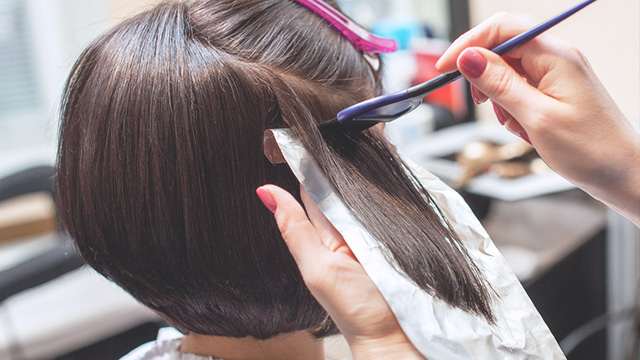
Professionals use techniques that minimize hair damage. They choose dyes that suit your hair’s health and goals. Their skill ensures even color and prevents patchiness. Proper application means fewer touch-ups and healthier hair overall.
Addressing Hair Concerns Quickly
Experts spot problems like allergic reactions or color fading early. They adjust treatments to fix these issues safely. Their advice helps avoid long-term damage from improper coloring. This support keeps your hair looking its best.
Credit: www.femalenetwork.com
At-home Coloring Tips
Coloring your hair at home can save time and money. It also allows you to experiment with styles more freely. To keep your hair healthy and color vibrant, follow some simple at-home coloring tips. These tips help protect your hair and ensure the best results from every dye session.
Proper preparation and care make a big difference in hair color quality. Avoid common mistakes that cause damage or uneven color. Below are key steps to follow before, during, and after coloring your hair at home.
Prepare Your Hair Before Coloring
Wash your hair 24 to 48 hours before coloring. This allows natural oils to build up and protect your scalp. Avoid using heavy conditioners or styling products before dyeing. Dry hair takes color better than freshly washed hair.
Perform A Patch And Strand Test
Test the dye on a small skin patch to check for allergies. Apply a small amount on a hidden hair strand to see the final color. Wait 48 hours before the full application. This step prevents unwanted reactions and color surprises.
Follow Instructions Carefully
Read the dye packaging instructions fully before starting. Mix the dye precisely as directed. Use gloves to protect your hands and avoid staining. Apply the dye evenly, section by section, for consistent coverage.
Protect Your Hair After Coloring
Rinse hair with cool water to seal the color. Use shampoos and conditioners made for color-treated hair. Avoid washing your hair daily to keep the color longer. Deep condition your hair weekly to restore moisture and strength.
Space Out Coloring Sessions
Wait at least 4 to 6 weeks between colorings. This gives your hair time to recover. Over-coloring causes dryness and breakage. Use root touch-up kits or sprays to extend time between full dye jobs.
Maintaining Color Between Appointments
Maintaining your hair color between appointments keeps your look fresh and vibrant. Proper care helps prevent fading and damage. It extends the life of your color. Simple routines can protect your hair and save money on extra coloring sessions.
Use Color-safe Shampoo And Conditioner
Choose shampoos made for color-treated hair. They are gentle and help keep color longer. Avoid shampoos with sulfates. These can strip color fast. Conditioners add moisture and protect hair from dryness. Use them every time you wash your hair.
Limit Heat Styling
Heat tools like straighteners and curling irons fade color quickly. Use heat styling less often. When you do, apply a heat protectant spray first. This shields your hair from damage and keeps color vibrant. Air drying is a good alternative.
Protect Hair From Sun And Water
Sun exposure causes color to fade. Wear hats or use UV protectant sprays. Chlorine and salt water also strip color. Rinse hair with clean water before swimming. Use a swim cap or apply leave-in conditioner to protect strands.
Use Root Touch-up Products
Root touch-up sprays and powders cover gray or regrowth between appointments. They are easy to apply and quick to use. These products help stretch time between salon visits. Choose a shade that matches your hair color for best results.
Deep Condition Weekly
Color-treated hair needs extra moisture. Use a deep conditioning mask once a week. It repairs damage and keeps hair soft. Healthy hair holds color better and looks shinier. Follow the product instructions for best results.
Repairing Color Mistakes
Repairing color mistakes requires quick action and gentle care. A wrong shade or uneven color can feel frustrating. Fixing these issues can save your hair from further damage. Acting fast helps restore your hair’s look and health.
Assess The Damage First
Look closely at the color problem. Is it too dark, too light, or uneven? Understanding the issue helps choose the right fix. Check if your hair feels dry or brittle as well. This step is key before applying any treatments.
Use Color Removers Safely
Color removers can lift unwanted dye without bleach. They work best on recent color mistakes. Follow instructions carefully to avoid damage. Use gentle products designed for hair color correction. Avoid overusing removers as they can weaken hair.
Apply A Toner Or Gloss
Toners can fix unwanted tones like brassiness or dullness. A gloss treatment adds shine and smoothness. These options refresh your hair color without harsh chemicals. They help balance color and improve overall appearance.
Seek Professional Help
A hairstylist can fix complex color issues safely. Professionals know how to blend, lighten, or darken hair correctly. They use quality products to protect your hair’s health. Getting expert advice prevents further mistakes and damage.
Boost Hair Health After Correction
Use deep conditioning masks regularly. Avoid heat styling to let hair recover. Trim split ends to keep hair strong. Healthy hair holds color better and looks vibrant longer. Repair treatments support hair after any color fix.
Frequently Asked Questions
How Long Should You Wait Between Hair Coloring?
Wait 4 to 6 weeks between hair coloring to protect hair health and allow recovery. Use conditioning treatments to maintain strength. Semi-permanent dyes can be applied more frequently. Consult a stylist for personalized advice based on hair type and color goals.
How Often Should You Color Your Hair To Cover Gray?
Color your hair every 4 to 6 weeks to effectively cover gray roots. Avoid frequent dyeing to prevent damage. Use conditioning treatments between sessions to maintain hair health. Choose semi-permanent dyes for gentler, more frequent coloring. Consult a stylist for personalized advice based on hair condition.
Can I Color My Hair Again After 1 Week?
You can color your hair again after one week only if it is healthy and not damaged. Use conditioning treatments to protect hair. Permanent dye requires 4-6 weeks between applications. Semi-permanent dyes allow more frequent coloring. Always do a patch test and consult a professional stylist first.
Can You Dye Your Hair Every 4 Weeks?
You can dye your hair every 4 weeks, but frequent coloring may cause damage. Use conditioning treatments to maintain hair health. Choose semi-permanent dyes for less damage and consult a stylist to protect your hair. Avoid coloring if hair feels dry or brittle.
How Often Can You Safely Color Your Hair?
Most recommend waiting 4 to 6 weeks between coloring sessions to avoid damage.
What Affects How Often You Can Dye Hair?
Hair health, dye type, and natural color influence how frequently you can color hair.
Can Frequent Coloring Damage Your Hair?
Yes, coloring too often can cause dryness, brittleness, and breakage.
How Long Should You Wait Between Hair Coloring?
Wait at least 4 weeks to let your hair recover before coloring again.
Are Semi-permanent Dyes Safer For Frequent Use?
Semi-permanent dyes are less damaging and can be applied more often than permanent dyes.
What Should You Do Before Coloring Hair Again?
Perform a patch test and consult a stylist to prevent allergic reactions or damage.
Conclusion
Coloring your hair too often can cause damage and dryness. Wait at least 4 to 6 weeks between dye jobs. Use gentle products to keep your hair healthy. Semi-permanent dyes allow more frequent coloring but still need care. Remember, your hair’s condition matters most.
Consult a professional if unsure about timing. Taking proper care helps maintain vibrant, strong hair. Patience and care lead to the best results.