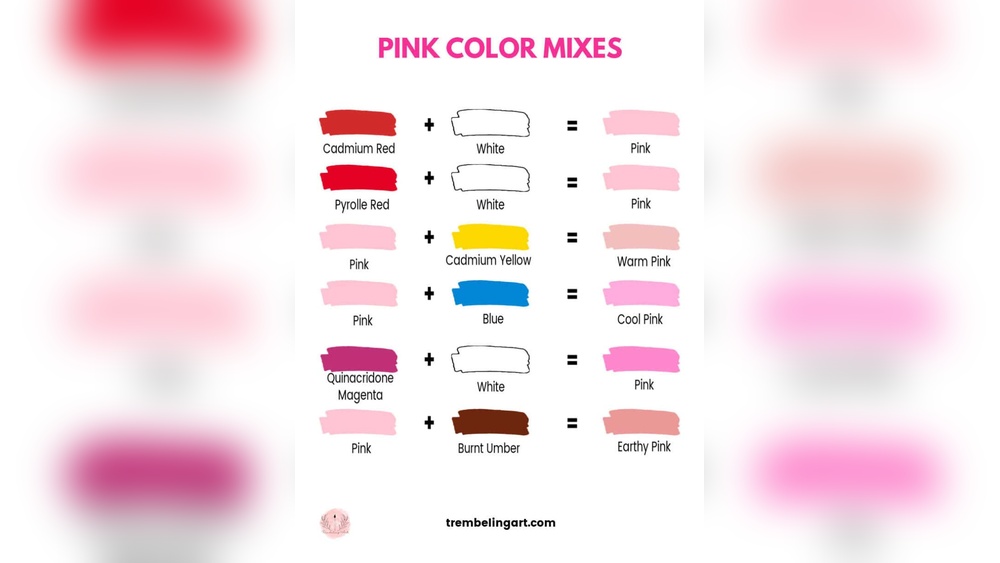
Are you ready to unlock the secret to creating the perfect pink color? Whether you’re painting a masterpiece, customizing your crafts, or just curious about color mixing, knowing how to make pink opens up a world of creative possibilities.
You don’t need fancy tools or complicated formulas—just a few simple steps that anyone can follow. Imagine being able to mix soft baby pinks, vibrant hot pinks, or even delicate blush tones exactly how you want them. Stick with me, and I’ll guide you through easy, practical tips to make your own stunning pink shades every time.
Let’s dive in and bring your vision to life with the perfect pink!
Basic Pink Mixing
Creating pink starts with mixing two simple colors. Basic pink mixing involves combining red and white paint. The balance between these colors changes the pink’s shade and tone. This process is easy and fun to try for any art project.
Choosing the right red makes a big difference. Bright reds create vivid pinks, while softer reds make gentle, pastel pinks. Mixing slowly helps you control the final color better. Experiment to find your perfect pink.
Use a pure red for a classic pink. Magenta red gives a bright, vibrant pink. Warmer reds add an orange touch to pink. Cooler reds create a blue-based pink. Pick the red that fits your desired pink shade.
Adding White To Red
Start with a small amount of white. Mix it into red slowly. More white makes the pink lighter and softer. Less white keeps the pink strong and deep. Adjust the white to get the shade you want.
Mixing Techniques For Smooth Color
Use a palette knife or brush to mix colors. Blend the red and white evenly. Stir until there are no streaks. Smooth mixing gives a clean, uniform pink. Check the color under good light for accuracy.
Testing Your Pink Shade
Paint a small test patch on paper. Let it dry to see the true color. Adjust the mix if needed. More white or red can change the tone. Keep testing until you get the perfect pink.
Choosing The Right Red
Choosing the right red is key to creating the perfect pink color. Red is the base shade that mixes with white to form pink. Different reds produce different pink tones. Some reds give a bright, vibrant pink, while others make soft, warm pink shades.
Understanding the type of red paint helps control the final pink color. The choice depends on the mood or style you want to create in your artwork or design.
Bright Reds For Vivid Pinks
Bright reds like magenta or cadmium red create lively pinks. These reds have a cool or bluish tone. Mixing them with white gives a strong, eye-catching pink. Use bright reds to make pinks that stand out in your project.
Warm Reds For Soft Pinks
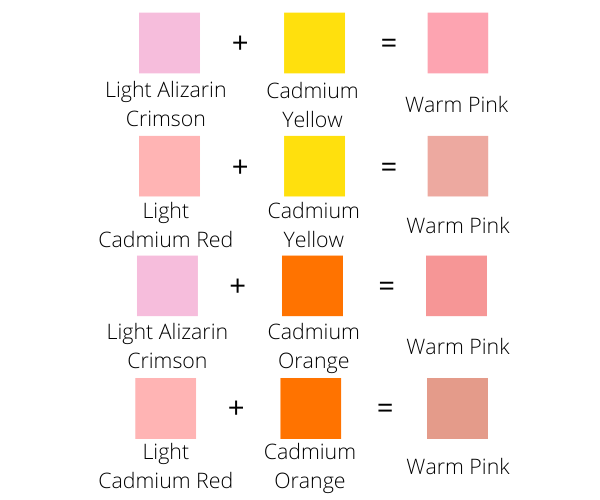
Warm reds such as vermilion or scarlet have orange or yellow undertones. They create gentle, warm pinks when mixed with white. These pinks often look cozy and natural. Warm reds are great for soft or romantic color themes.
Neutral Reds For Balanced Pinks
Neutral reds like crimson are balanced between warm and cool tones. They help create classic pink shades. These pinks appear neither too bright nor too muted. Neutral reds suit most painting and design needs well.
Adjusting Pink Shades
Adjusting pink shades lets you find the perfect tone for your project. Changing the amount of white or red changes the pink’s look. Small tweaks can make a big difference in brightness and warmth. Experimenting with these adjustments helps create unique pink colors for any design.
Lightening With White
Adding white paint softens the red and creates a lighter pink. Use small amounts of white to keep control over the shade. More white results in a pale, pastel pink, often called baby pink. Lightening pink is great for backgrounds or delicate details. Mixing white gradually prevents the color from becoming too washed out.
Darkening With Red
Mixing in extra red deepens the pink shade. This creates richer, darker pinks like rose or magenta. Use a red with a strong pigment for bold results. Adding red also warms the pink, giving it a more intense feel. Adjust red slowly to avoid overpowering the pink’s softness.
Creating Baby Pink
Creating baby pink involves mixing red and white paint carefully. Baby pink is a soft, gentle shade of pink. It looks calm and sweet, perfect for many art projects.
To get baby pink, start with a base of red paint. Then add white paint slowly to lighten it. The more white you add, the softer the pink becomes.
Not all reds create the same pink. Use a bright red for a clear, soft baby pink. Dark reds make the pink look dull. Pick a red that is not too dark or too orange.
Mixing The Paints
Put a small amount of red on your palette. Add white paint little by little. Mix well after each addition. Stop adding white when the pink looks soft and light.
Testing The Shade
Paint a small patch on paper or canvas. Let it dry to see the true color. Adjust by adding more white or red if needed. Repeat until you get the perfect baby pink.
Making Hot Pink
Making hot pink involves mixing red and white paint carefully. This bright color stands out in art and design. A few simple steps help you create a vivid hot pink shade. The right balance of colors makes the difference.
Start with a strong red paint. Use a red with a blue base like magenta. It gives a cooler, brighter pink. Avoid orange-based reds; they create warmer pinks. The red you pick shapes your hot pink’s brightness.
Adding White For Brightness
Mix white paint gradually into the red. Small amounts of white brighten the color. Too much white makes the pink pale. Add white slowly until you see a rich hot pink. Keep stirring for even color.
Adjusting The Shade
To make the pink hotter, add more red. For a softer hot pink, use more white. Test the color on paper before final use. Adjusting the ratio changes the pink’s tone and warmth. Play with amounts until you get the perfect hot pink.

Credit: www.youtube.com
Mixing Coral And Salmon
Mixing coral and salmon offers a fresh way to create unique pink shades. These two colors blend warmth and softness perfectly. The result is a pink tone that feels lively yet gentle.
Coral has a strong orange undertone, while salmon leans toward pink with a hint of orange. Combining them balances brightness and calmness. This mix works well for art projects, design, and decorating.
Understanding Coral Color
Coral is a mix of orange and pink hues. It is vivid and warm. This color adds energy and brightness to the blend. Using coral as a base brightens the pink shade.
Salmon Color Basics
Salmon is a soft pink with light orange tones. It is more muted than coral. Salmon adds softness and warmth to the mix. This color helps create gentle, pastel pinks.
Steps To Mix Coral And Salmon
Start with equal parts coral and salmon paint. Stir the colors slowly and evenly. Adjust the mix by adding more coral for brightness. Add more salmon for a softer pink.
Tips For Perfect Pink Shades
Use small amounts of paint for better control. Test the color on a white surface. Let the paint dry to see the true shade. Mix gradually to avoid overpowering the pink with orange.
Using Different Paint Types
Creating pink paint depends on the type of paint you use. Different paint types behave uniquely when mixed. This affects how the pink color appears and dries. Understanding these differences helps you achieve the perfect pink shade for your project.
Acrylics
Acrylic paint dries quickly and has a smooth finish. Mix red and white acrylics to create pink. Add white slowly to control the lightness. Acrylic colors stay vibrant after drying. You can layer acrylic pinks easily for depth. Use a palette knife or brush to blend. Acrylic pink works well for bright, bold artwork.
Oils
Oil paint mixes more slowly due to its thick texture. Blend red and white oil paints on a palette. Oils let you adjust pink tones longer before they dry. The color stays wet for hours, giving time for smooth mixing. Oil pinks have a rich, glossy look. They are great for realistic portraits and soft gradients. Use gentle strokes to blend pinks in oil paintings.
Credit: smart.dhgate.com
Pink Without Red
Creating pink without using red may seem tricky. Red is the usual base for pink. Yet, alternatives exist to achieve pink tones without red.
These methods can help artists, designers, and DIY enthusiasts who lack red paint or want unique shades. Experimenting with other colors can produce surprising pink hues.
Using Magenta And White To Create Pink
Magenta is a strong color close to red. Mixing magenta with white lightens it to a pink shade. This method works well for bright pinks.
Start with magenta, then slowly add white. Add white until you get the desired pink tone. This blend avoids pure red but still gives a pink effect.
Mixing Purple And White For Soft Pink
Purple can serve as a base to create pink tones. Add white to soften purple into a light pink color. This mix gives a cooler, more muted pink.
Use more white for a pastel pink. Adjust the purple amount to control the pink’s depth. This approach offers a gentle pink without red.
Combining Blue And Orange For Unique Pink Shades
Blue and orange are complementary colors. Mixing them can produce muted pinks or peach tones. This technique works best when you want a subtle pink variant.
Blend small amounts of blue and orange, then add white. This mix creates a pink with a grayish or brownish hint. It is perfect for earthy pinks.
Using White And A Touch Of Yellow With Purple
Adding yellow to purple before mixing with white can create warm pinks. Yellow shifts purple towards a red-like tone without using red paint.
Mix purple and yellow in small amounts. Then add white to lighten the mix. Adjust quantities to find your preferred pink warmth and brightness.
Common Mixing Mistakes
Mixing pink might seem simple, but many make common mistakes. These errors can change the shade or ruin the color entirely. Understanding these pitfalls helps create the perfect pink every time.
Focus on the basics. Avoid these mistakes to get the best results from your paint mixing.
Using Too Much Red
Red is a strong color. Adding too much red makes the pink too dark or harsh. Start with small amounts and add more if needed. This keeps the pink soft and balanced.
Not Adding Enough White
White paint lightens red to make pink. Without enough white, the color stays close to red. Use more white to create a soft, pastel pink. This also helps control the brightness.
Choosing The Wrong Shade Of Red
Different reds give different pinks. A cool red creates cooler pinks, while warm reds give coral tones. Pick the right red to match your pink shade goal. Testing small mixes avoids surprises.
Mixing Without A Palette Knife Or Brush
Proper mixing tools help blend colors well. Using fingers or weak tools can cause uneven colors. Mix thoroughly with a palette knife or brush for smooth, consistent pink.
Ignoring Paint Consistency
Thick or dry paint mixes poorly. This leads to patchy colors. Use fresh, smooth paints for even mixing. Adding a little water or medium can help thin thick paint.

Credit: www.color-meanings.com
Tips For Consistent Color
Consistent pink color requires careful mixing and attention to detail. Small changes in paint amounts create different shades. Keeping track of your color ratios helps achieve uniform results every time. Use the same red and white paints for reliable mixing. Consistency makes your artwork or project look professional and polished.
Measure Your Paint Precisely
Use a small spoon or a palette knife to scoop paint. Measure the amounts of red and white carefully each time. Avoid guessing or freehand mixing. Precise measurement keeps the pink shade stable across mixes.
Mix Thoroughly For Even Color
Blend the red and white paint well until smooth. Uneven mixing causes streaks or patches of color. Stir slowly and scrape the sides of your palette. A consistent pink shade appears only after full blending.
Use The Same Paint Brands
Different brands have different pigment strengths. Switch paint brands and your pink might change unexpectedly. Stick to one brand for red and white to keep your pink consistent. This reduces surprises in your color mixing.
Note Your Color Ratios
Write down the exact amounts of red and white used. Keep a mixing journal or label your paint mixtures. This record helps you replicate the same pink in future projects. It also helps you adjust if the pink isn’t quite right.
Frequently Asked Questions
What Colors Mix To Make Pink?
Mix red and white paint to create pink. Use more white for lighter pink and more red for darker shades. Different reds like magenta or cadmium red change pink’s hue.
Do Yellow And Red Make Pink?
Yellow and red do not make pink. Pink forms by mixing red with white, not yellow. Yellow and red create orange instead.
Do Purple And Red Make Pink?
Purple and red do not make pink. Pink forms by mixing red with white paint, not purple. Adjust red and white ratios for different pink shades.
What Creates The Color Pink?
Pink color forms by mixing red and white. More white creates lighter pink, while more red makes it darker. Different red shades adjust the pink’s hue and vibrancy.
What Colors Do You Mix To Create Pink?
Pink is made by mixing red with white paint in varying amounts.
How Do I Make Light Pink Color Easily?
Add more white paint to red for a lighter, softer pink shade.
Can I Make Pink Without Using Paint?
Yes, mixing red and white colored pencils or crayons also creates pink.
What Red Shade Makes The Best Pink?
Bright reds like magenta create vibrant pinks, while warm reds give softer tones.
How To Make Hot Pink Color At Home?
Use more red than white paint to get a strong, hot pink color.
Why Is My Pink Color Too Dark?
You may have added too much red; add more white to lighten it.
Conclusion
Creating pink color is simple by mixing red and white paint. Adjust white for lighter pinks or add more red for deeper shades. Experiment with different reds to find your perfect pink tone. Practice helps you see how colors blend.
Enjoy making unique pinks for your art projects. Keep mixing and have fun with colors!