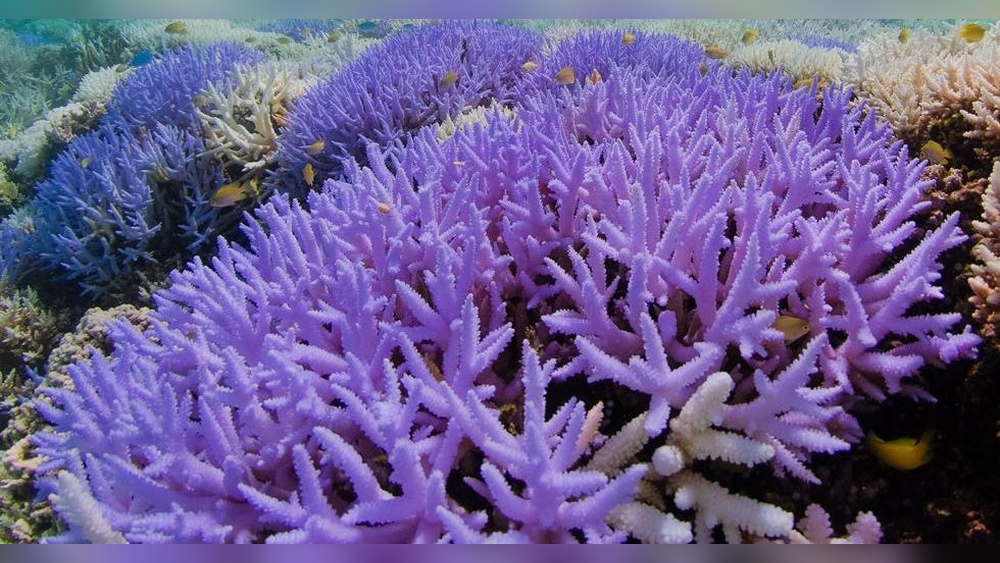
Have you ever wondered why corals sometimes glow in bright, almost neon colors just before they die? It’s a strange and beautiful sight, but it’s more than just nature showing off.
These fluorescent colors are actually a coral’s last attempt to protect itself from extreme stress. Understanding why corals turn these vivid shades can reveal important clues about the health of our oceans—and why saving them matters to you. Keep reading to discover the fascinating science behind this glowing signal and what it means for the future of coral reefs.
Coral Fluorescence Basics
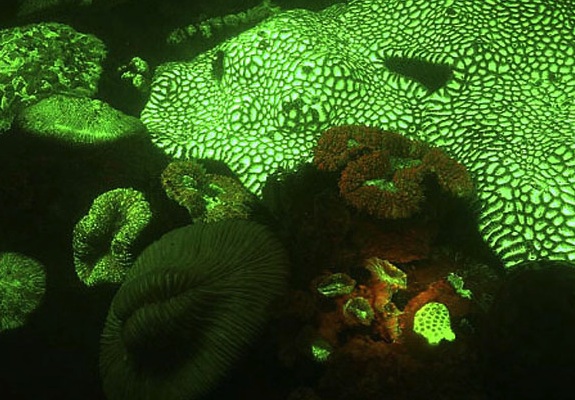
Coral fluorescence is a natural glow seen in many coral species. This glowing happens because of special proteins in coral tissues. These proteins absorb sunlight and change it into bright colors. The colors can be green, red, orange, or purple.
Fluorescence helps corals protect themselves from strong sunlight. It acts like a shield against harmful rays. This glow also helps corals manage stress from heat or pollution. The colors become more visible when corals are under pressure.
What Causes Coral Fluorescence?
Coral fluorescence occurs due to fluorescent proteins inside coral cells. These proteins absorb high-energy light. Then, they release it as lower-energy light in bright colors. This process protects coral tissues from damage.
How Does Fluorescence Help Corals?
Fluorescence acts as a sunscreen for corals. It reduces damage from ultraviolet light. It also helps corals cope with rising ocean temperatures. The bright colors can signal health or stress in corals.
Fluorescence And Coral Stress
When corals face stress like heat or pollution, fluorescence increases. Corals produce more fluorescent proteins as a defense. The glowing colors become stronger before coral bleaching happens. This change is a warning sign of coral health.
Role Of Symbiotic Algae
Symbiotic algae live inside coral and provide food through photosynthesis. When stressed, corals expel these algae, causing color changes. The fluorescent glow helps protect corals by shielding them from harmful light and may attract new algae to return.
Understanding The Symbiotic Relationship
Corals live closely with tiny algae called zooxanthellae. These algae live inside coral tissues. They provide food to corals through photosynthesis. In return, corals give algae a safe home and nutrients.
This partnership is key to coral health and vibrant colors. The algae’s pigments give corals their usual brownish-green hues. Without algae, corals lose their color and become pale or white.
How Stress Affects Symbiotic Algae
Heat, pollution, and strong sunlight stress corals. Under stress, corals may expel their algae. This process is called coral bleaching. Without algae, corals lose their main food source.
Bleached corals look white because their skeletons show through. The loss of algae threatens coral survival. Corals become weak and more prone to disease.
Why Fluorescent Colors Appear Before Death
Before corals die, some turn bright fluorescent colors. This happens as a defense response. Corals produce fluorescent proteins that glow under sunlight.
These glowing colors may protect corals from sunlight damage. They act like a natural sunscreen for remaining algae. Fluorescence can also attract new algae to settle back.
This glowing is a last effort to survive harsh conditions. It signals the coral’s fight against stress and loss of algae.
What Triggers Coral Stress
Corals live in delicate balance with their environment. Small changes can cause big problems. Stress occurs when conditions shift beyond their comfort zone. This stress can affect their color and health.
Corals rely on tiny algae called zooxanthellae for food and color. When stressed, corals may lose these algae. This loss leads to coral bleaching and color changes. Understanding stress triggers helps explain why corals turn fluorescent before dying.
Temperature Changes
Warm water is the main cause of coral stress. Even a rise of 1 to 2 degrees Celsius can harm corals. Hot water forces corals to expel algae, causing bleaching. Prolonged heat waves increase the risk of coral death.
Light Intensity
Corals need sunlight for photosynthesis. Too much light can damage their cells. Bright sunlight combined with heat often triggers coral stress. Corals respond by producing fluorescent pigments to protect themselves.
Water Quality
Pollution and sediment reduce water quality. Chemicals and dirt block sunlight and harm corals. Poor water quality stresses corals and weakens their immune system. This makes corals more vulnerable to disease and bleaching.
Ocean Acidification
Increased carbon dioxide lowers ocean pH. Acidic water makes it harder for corals to build skeletons. Acidification adds stress and slows coral growth. Over time, this weakens reef structures and coral health.
Physical Damage
Storms, boat anchors, and human contact physically harm corals. Broken coral fragments cannot survive well. Damage exposes corals to infections and stress. Physical injury can lead to color changes and death.
Credit: www.smithsonianmag.com
Mechanism Behind Neon Glow
Fluorescence in corals acts as a natural shield during stressful times. This glowing effect helps corals protect themselves from harmful light and heat. It works like a sunscreen, reducing damage from strong sunlight.
Corals absorb harmful light waves and change them into safer, softer colors. This process lowers stress on the coral tissues and supports their survival. Fluorescence can also help corals attract new algae, which are vital for their health.
Absorbing Harmful Light To Prevent Damage
Corals absorb strong ultraviolet and blue light that can harm their cells. They then emit this light as fluorescent colors like green, red, or pink. This transformation reduces the risk of damage from intense sunlight.
Reducing Heat Stress On Coral Tissues
Fluorescent pigments help corals manage heat by reflecting some light away. This lowers the temperature inside coral tissues. Cooler tissues help corals avoid damage from overheating.
Attracting Symbiotic Algae For Recovery
Fluorescent colors may signal healthy conditions to algae. These algae live inside corals and provide them with food. By glowing, corals can encourage algae to return and restore their energy supply.
Protective Benefits Of Fluorescence
Corals turn fluorescent colors as a way to survive harsh conditions. This bright glow helps protect them from intense sunlight and heat. It acts like a shield, reducing damage from ultraviolet rays. The fluorescence also helps corals manage stress caused by changes in their environment.
This glowing effect comes from special proteins inside the coral. These proteins absorb harmful light and re-emit it as safer, colorful light. This process lowers the stress on coral tissues and the tiny algae living inside them.
Protection From Harmful Sunlight
Corals live in shallow waters with strong sunlight. Too much sunlight can harm their delicate tissues. Fluorescent proteins absorb this extra light and change it to colors like pink or green. This reduces the amount of damaging light reaching the coral’s cells.
Helping Symbiotic Algae Survive
Corals depend on algae called zooxanthellae. These algae provide food through photosynthesis. Stress can make corals expel these algae, leading to bleaching. Fluorescence helps by softening the light, making it easier for algae to survive in tough times.
Signaling Stress And Encouraging Recovery
The bright colors may also signal stress to other organisms. This can attract helpful marine life that supports coral health. Some fish and bacteria are drawn to the glowing corals. Their presence can aid in coral recovery and defense against disease.
Fluorescence As A Survival Strategy
Corals often turn bright fluorescent colors before they die. This strange glow happens during coral bleaching. Bleaching occurs when corals lose their tiny algae partners called zooxanthellae.
These algae give corals their normal colors and provide food through photosynthesis. Without them, corals look pale or white. But sometimes, corals flash bright neon colors instead. This glowing is called fluorescence.
What Causes Coral Fluorescence?
Fluorescence happens when corals absorb harmful light and change it to safer colors. They act like living sunscreens. This glow protects coral cells from strong sunlight and ultraviolet rays.
Corals produce special pigments that capture the damaging light. These pigments then release it as visible colors like green, red, or purple. This process helps reduce stress on the coral tissues.
How Fluorescence Helps During Bleaching
During bleaching, corals lose their algae and become weak. Fluorescence helps by shielding coral cells from more damage. It lowers the risk of injury from harsh light and heat.
This glow may also attract new algae or other tiny organisms. These new partners can return to the coral and help it recover. Fluorescence acts as a hopeful sign for stressed corals.
Why Fluorescent Colors Appear Before Death
Bright colors show that corals are fighting to survive. The glow is a last effort to protect themselves. If stress continues, corals may lose this ability and die.
Scientists study this glowing to understand coral health. It gives clues about how corals respond to changing ocean conditions. Fluorescent colors warn us about reef trouble early on.
Impact Of Ocean Conditions
Scientists use coral fluorescence as a tool to check coral health. Corals glow in bright colors due to special proteins in their tissues. This glow changes when corals face stress or damage.
Fluorescence acts like a natural signal. It shows how corals respond to heat, light, and pollution. Tracking these changes helps researchers understand coral well-being.
How Fluorescence Indicates Stress
When corals are stressed, they produce more fluorescent proteins. These proteins absorb harmful light and emit bright colors. This glow helps protect corals from damage.
Scientists observe shifts in color to detect early signs of coral stress. This early warning can guide efforts to protect reefs before serious harm occurs.
Tools Used To Measure Fluorescence
Researchers use special cameras and sensors to capture coral fluorescence. These tools detect color changes invisible to the naked eye. Data from these tools reveal coral health trends over time.
Using technology, scientists map coral reefs and spot areas needing help. This non-invasive method allows ongoing reef monitoring without harm.
Benefits Of Fluorescence Monitoring
Fluorescence monitoring offers quick and clear insight into coral conditions. It helps track recovery after bleaching events. This method supports reef conservation by guiding timely actions.
Understanding fluorescence patterns also aids in studying coral adaptation. It shows how corals survive in changing ocean environments.

Credit: www.nationalgeographic.com
Fluorescence And Coral Bleaching
Scientists are eager to learn more about why corals turn fluorescent before dying. This glowing effect might hold clues about coral health and survival. Studying it could help protect coral reefs better.
New research methods and technologies will allow deeper exploration of coral fluorescence. Understanding this phenomenon may lead to ways to predict bleaching events early. It also opens paths to develop measures that boost coral resilience.
Improving Coral Stress Detection
Fluorescent colors can act as warning signs of coral stress. Researchers aim to create tools that detect these changes quickly. Early detection helps in taking action before corals die.
These tools could use underwater cameras and sensors to monitor reefs continuously. This approach provides real-time data and supports faster response to environmental threats.
Exploring Coral-algae Relationships
Fluorescence may reveal changes in the partnership between corals and algae. Scientists want to study how these relationships affect coral health. Understanding this can explain why some corals survive bleaching better.
Future research will focus on how fluorescent proteins protect corals from light damage. This knowledge might help develop coral breeds that are more resistant to heat and stress.
Developing Conservation Strategies
Insights from fluorescent coral research can guide reef conservation efforts. Knowing which corals glow before dying helps identify vulnerable reef areas. Conservationists can then prioritize these spots for protection.
Research might also suggest ways to support coral recovery using fluorescent markers. This can improve restoration projects and increase coral survival rates in damaged reefs.
Credit: www.cbsnews.com
Frequently Asked Questions
Why Are The Corals Turning Fluorescent Colors?
Corals turn fluorescent to protect themselves from stress by producing pigments that act like sunscreen. This helps reduce damage from intense light and may attract beneficial algae back to the reef.
What Happened To The Corals Before They Died?
Before corals died, they expelled symbiotic algae due to stress, causing bleaching. Their tissues turned white, increasing vulnerability to starvation and disease.
What Color Does Coral Turn When It Dies?
Coral turns white when it dies due to losing its symbiotic algae. This process is called coral bleaching.
Why Does Coral Fluorescence?
Coral fluoresces to protect itself from harmful sunlight by absorbing and re-emitting light. This helps reduce stress and attract beneficial algae.
Why Do Corals Turn Fluorescent Before Dying?
Corals turn fluorescent to protect themselves from stress and harmful sunlight before dying.
What Causes Coral Fluorescence In Bleaching Events?
Stress from heat and sunlight triggers corals to produce fluorescent pigments during bleaching.
How Does Fluorescence Help Corals Survive Stress?
Fluorescence acts like sunscreen, reducing light damage and helping corals cope with harsh conditions.
Why Do Corals Lose Their Normal Colors?
Corals lose color when they expel algae due to stress, causing bleaching and whiteness.
What Role Do Algae Play In Coral Color?
Algae live in corals and give them their natural colors through photosynthesis.
Is Coral Fluorescence A Sign Of Recovery?
Fluorescence may help corals survive but does not always mean full recovery.
Conclusion
Corals turn fluorescent to protect themselves from stress. This glowing acts like a sunscreen against harmful light. It helps corals survive harsh ocean changes longer. Sadly, if stress continues, corals may still die. Scientists study this glow to understand coral health better.
Protecting coral reefs is vital for ocean life. These colors warn us about the reef’s struggle. Watching coral fluorescence can guide conservation efforts soon. The ocean’s future depends on healthy, colorful coral reefs.