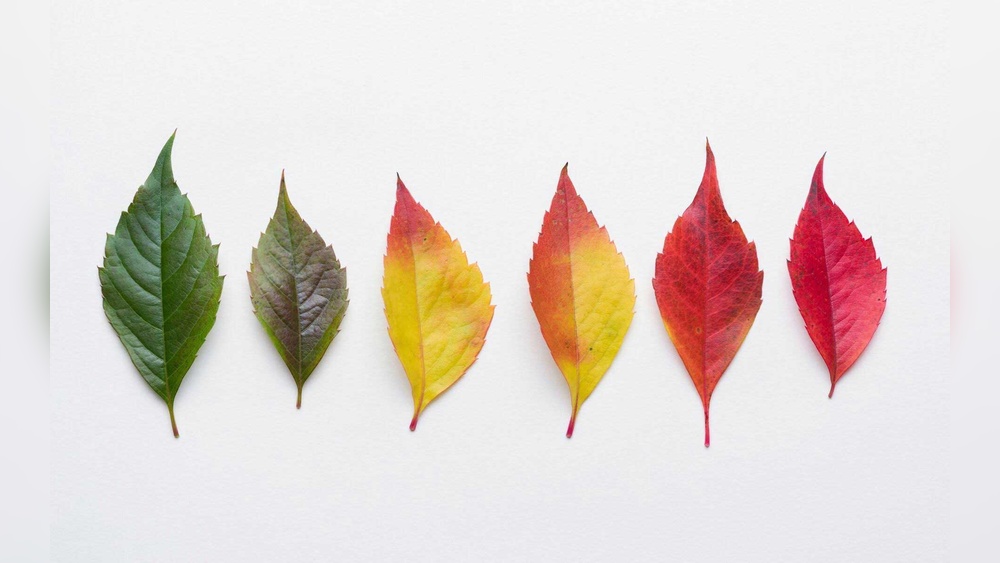
Have you ever wondered why the leaves around you suddenly burst into vibrant shades of red, orange, and yellow every fall? It’s not just a beautiful coincidence—it’s a fascinating natural process happening right before your eyes.
When you understand why fall leaves change color, you’ll see autumn in a whole new light. This colorful transformation isn’t random; it’s your trees preparing for winter, sending signals through their leaves that affect their pigments. Keep reading, and you’ll discover the simple science behind this stunning seasonal show and how factors like sunlight and temperature shape the colors you love to see each year.
Your next walk through the park will never feel the same again!
Leaf Pigments
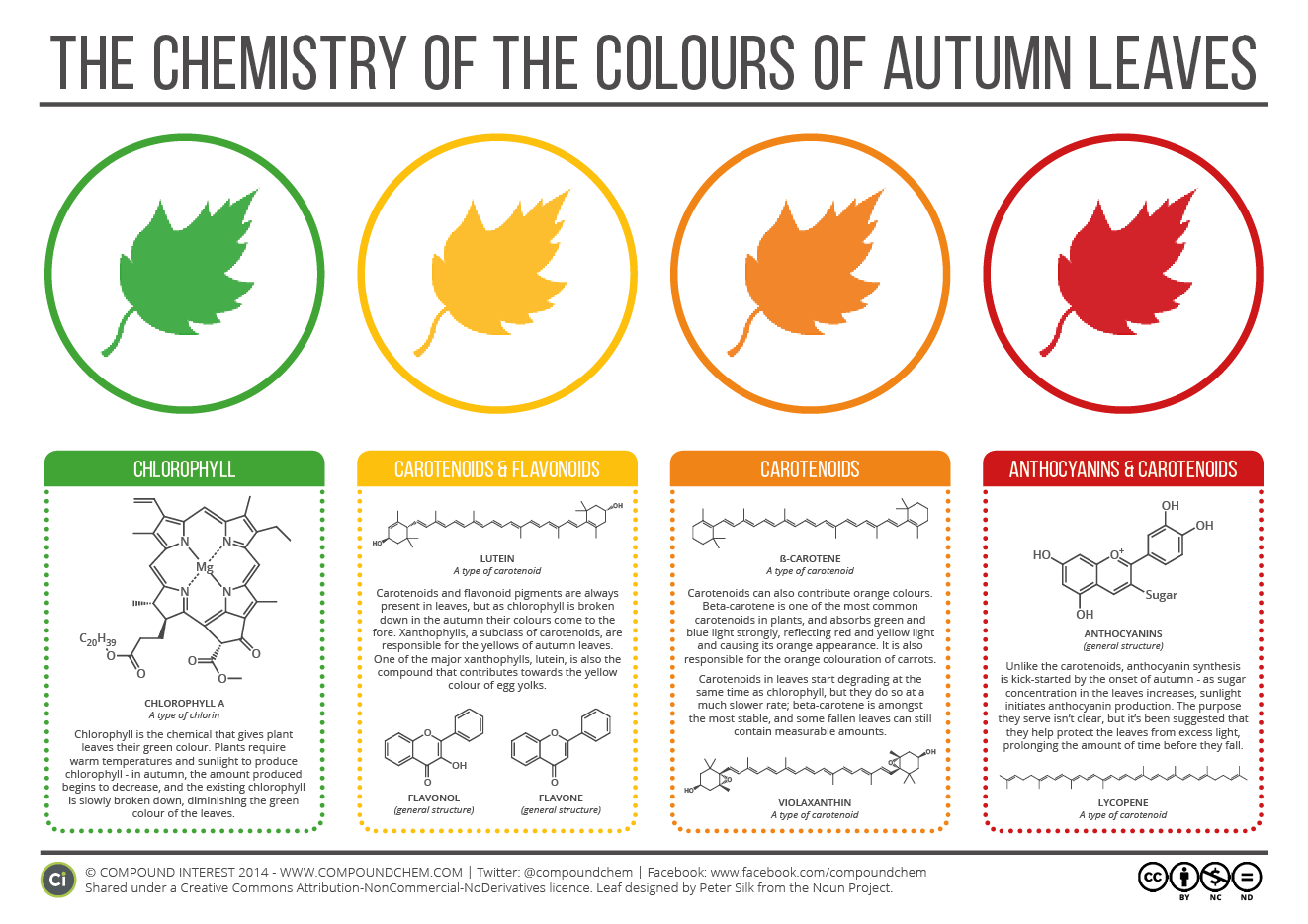
Leaf pigments are the real artists behind the colors of fall leaves. These natural chemicals give leaves their green, yellow, orange, and red hues. Understanding these pigments explains why leaves change color as seasons shift.
During spring and summer, chlorophyll makes leaves green. This pigment helps trees capture sunlight for energy. In fall, chlorophyll fades away, revealing other pigments hidden all year.
Chlorophyll: The Green Pigment
Chlorophyll is the most common pigment in leaves. It absorbs sunlight to help plants make food through photosynthesis. Without enough sunlight in fall, trees stop producing chlorophyll. The green color fades, and other pigments become visible.
Carotenoids: Yellow And Orange Colors
Carotenoids are always in leaves but hidden by chlorophyll’s green. These pigments show yellow and orange shades. They appear clearly after chlorophyll breaks down. Carotenoids give bright autumn colors like those in maple and birch leaves.
Anthocyanins: Red And Purple Shades
Anthocyanins are pigments that form in fall. They create red, purple, and crimson colors. Sunlight and cool nights help produce anthocyanins in some tree species. These pigments protect leaves and add rich colors to the fall landscape.
Role Of Chlorophyll
Chlorophyll gives leaves their green color by helping trees make food from sunlight. As days shorten in fall, chlorophyll fades away. This reveals other pigments, turning leaves yellow, orange, and red.
What Is Chlorophyll?
Chlorophyll is a green pigment found in leaves. It helps trees make food using sunlight, water, and carbon dioxide. This process is called photosynthesis. Chlorophyll absorbs sunlight and turns it into energy. It gives leaves their green color during spring and summer.
How Chlorophyll Changes In Fall
As days get shorter and cooler in fall, trees stop making chlorophyll. Without new chlorophyll, the old pigment breaks down. The green color fades away. This lets other colors in the leaf become visible. These colors include yellow, orange, and red.
Why Chlorophyll Disappears
Less sunlight means less energy for photosynthesis. Trees prepare for winter by slowing down food production. Chlorophyll is no longer needed, so it breaks down. This saves the tree’s resources. The change in chlorophyll causes the leaf color to shift.
Carotenoids And Anthocyanins
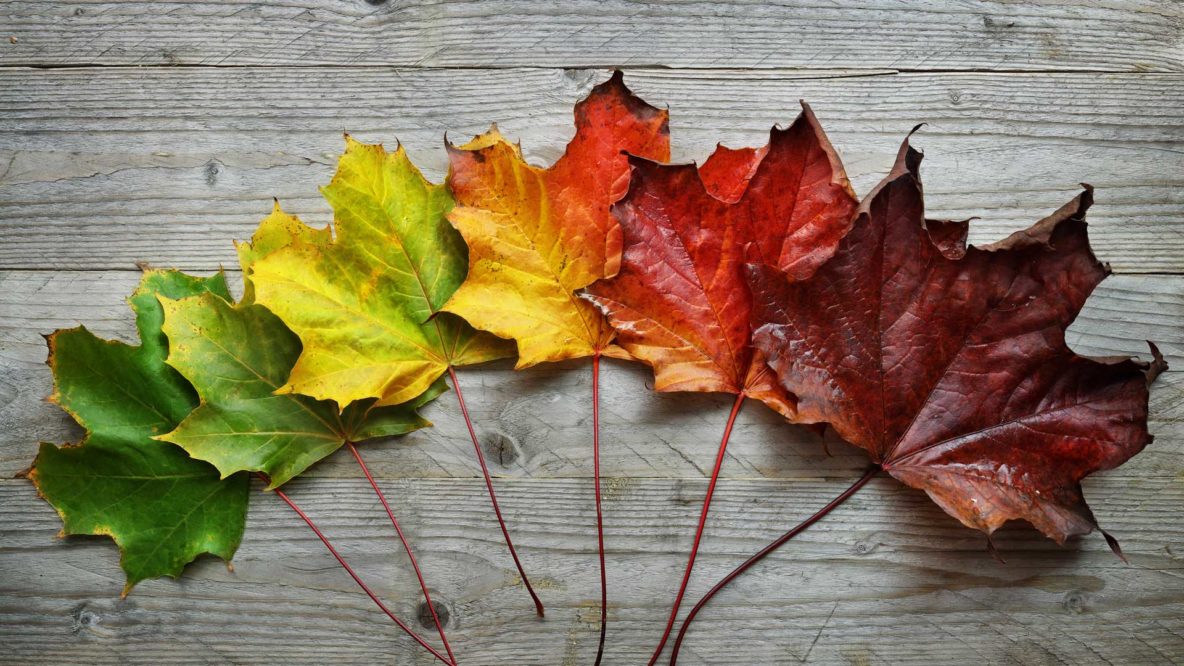
Carotenoids and anthocyanins are key pigments that create the beautiful fall leaf colors. These pigments show up as chlorophyll fades away in autumn. They give leaves their yellow, orange, red, and purple hues. Understanding their roles helps explain why leaves change color each fall.
Carotenoids: The Yellow And Orange Pigments
Carotenoids are pigments found in leaves all year long. They produce yellow and orange colors. Usually, their colors hide behind the green chlorophyll during summer. As chlorophyll breaks down in fall, carotenoids become visible. These pigments help leaves absorb light for photosynthesis. Carotenoids also protect leaves from damage by sunlight.
Anthocyanins: The Red And Purple Pigments
Anthocyanins form in leaves only during the fall. They create red, purple, and crimson colors. These pigments develop when sugars build up in leaf cells. Bright sunlight and cool nights increase anthocyanin production. Unlike carotenoids, anthocyanins do not help with photosynthesis. They protect leaves by reducing light damage and lowering the risk of frost injury.
Credit: www.otoolesgardencenters.com
Impact Of Daylight Changes
The change in daylight is a key reason leaves change color in fall. As days grow shorter, trees detect less sunlight. This signals them to prepare for winter’s cold and scarcity.
With less light, trees slow down their food-making process. They stop producing chlorophyll, the pigment that gives leaves their green color. Without new chlorophyll, the green fades away.
Shorter Days Signal Trees
Trees sense the length of daylight through special cells. When daylight shortens, these cells send a message to stop chlorophyll production. This marks the start of color change in leaves.
Reduced Chlorophyll Production
Chlorophyll breaks down as its production slows. The green color disappears, revealing other pigments hidden beneath. These pigments include yellow, orange, and red hues.
Emergence Of Other Pigments
Carotenoids and anthocyanins become visible after chlorophyll fades. Carotenoids show yellow and orange colors. Anthocyanins create red and purple shades. Daylight changes control this natural shift.
Effect Of Temperature
Temperature plays a key role in the color change of fall leaves. As the weather cools, it affects the chemical processes inside leaves. This change influences the pigments that give leaves their bright colors.
Cooler temperatures slow down chlorophyll production. Chlorophyll is the green pigment that helps trees make food. When chlorophyll fades, other pigments become visible. These pigments include carotenoids and anthocyanins.
Cool Nights And Warm Days
Cool nights and warm, sunny days create the best conditions for vibrant colors. Warm days help leaves produce sugars. Cool nights trap these sugars in the leaves. This causes more anthocyanins to form. Anthocyanins give leaves red and purple hues.
Frost And Freezing Temperatures
Early frost can damage leaves and dull their colors. Freezing temperatures break down cell walls in leaves. This causes leaves to die and fall quickly. Without frost, leaves often stay colorful longer. Mild cold snaps usually produce brighter colors.
Consistent Temperature Drops
Steady temperature drops signal trees to prepare for winter. This causes chlorophyll to break down gradually. As green fades, yellows and oranges from carotenoids shine through. Sudden temperature changes can disrupt this process, leading to less vibrant colors.
Photosynthesis Halt
Photosynthesis is the process plants use to make food. It uses sunlight, water, and carbon dioxide. Leaves are the main place where this happens. During spring and summer, leaves stay green because of chlorophyll. Chlorophyll is a pigment that traps sunlight.
As fall arrives, the days get shorter. Sunlight becomes weaker. Trees sense this change and prepare for winter. They stop making chlorophyll. Without new chlorophyll, the green color fades. This process is called the photosynthesis halt.
Green Fades
Chlorophyll breaks down when photosynthesis stops. The green color slowly disappears from the leaves. This fading reveals other pigments already in the leaf. These pigments give leaves their yellow, orange, and red shades.
Energy Conservation
Trees stop photosynthesis to save energy. Less sunlight means less food production. By halting this process, trees use their stored resources. This helps them survive cold winter months.
Visible Pigments Appear
Carotenoids and anthocyanins are pigments in leaves. Carotenoids show yellow and orange colors. Anthocyanins create red and purple hues. When chlorophyll fades, these colors become clear and bright.
Species Variation
Different tree species show unique fall colors. This happens because each species has a distinct mix of pigments.
Some trees have more carotenoids, which give yellow and orange colors. Others produce more anthocyanins, which create red and purple hues.
Species variation explains why maples turn bright red but birches glow yellow. This variety adds to the beauty of autumn landscapes.
Maple Trees
Maples are famous for their bright red and orange leaves. They produce large amounts of anthocyanins in the fall. This pigment creates vivid red and purple colors.
Maples also contain carotenoids, which give some yellow tones. Their color depends on weather and sunlight too.
Oak Trees
Oaks mostly turn brown, red, or russet in autumn. They have tannins and lower anthocyanin levels. This gives their leaves a darker, muted color.
Some oak species show more red, while others lean toward brown. Their fall color varies by species and location.
Birch Trees
Birches are known for their bright yellow leaves in fall. They contain high amounts of carotenoids but little anthocyanin. This causes their leaves to glow golden.
Birches often change color early in the fall season. Their yellow leaves stand out in mixed forests.
Dogwood Trees
Dogwoods display deep red or purple leaves. They produce strong anthocyanin pigments. This gives their fall foliage a rich, dark color.
Dogwoods add variety with their unique color and shape. They brighten up many autumn scenes.
Weather Influence
Cool nights and sunny days help leaves show bright reds and oranges in fall. Less sunlight slows chlorophyll production, revealing hidden pigments. Weather conditions shape the colors we see each autumn.
The change in leaf color is closely tied to the weather. As temperatures drop and daylight shortens, trees react to prepare for winter. These weather changes affect the chemical processes inside the leaves.
Cooler nights and warm, sunny days create the best conditions for bright colors. The sun helps produce red pigments called anthocyanins. At the same time, cool nights prevent these pigments from breaking down.
Temperature And Its Role
Chilly temperatures slow the production of chlorophyll, the green pigment. Without chlorophyll, the green color fades, revealing yellows and oranges from carotenoids. Frost can damage leaves, causing colors to dull or disappear.
Sunlight Exposure
Sunlight controls how much pigment a leaf produces. Longer sunny days increase sugar levels in leaves. Higher sugar levels boost red anthocyanin pigment production. Shady areas often show less vibrant colors.
Rainfall And Moisture
Rain and soil moisture also affect leaf color. A dry late summer can stress trees, lessening color intensity. Adequate rainfall helps leaves stay healthy and pigments develop fully. Too much rain can reduce color brightness.
Chemical Processes In Leaves
Leaves change color in fall because of chemical changes inside them. These changes happen as trees prepare for winter. The process involves different pigments that give leaves their colors.
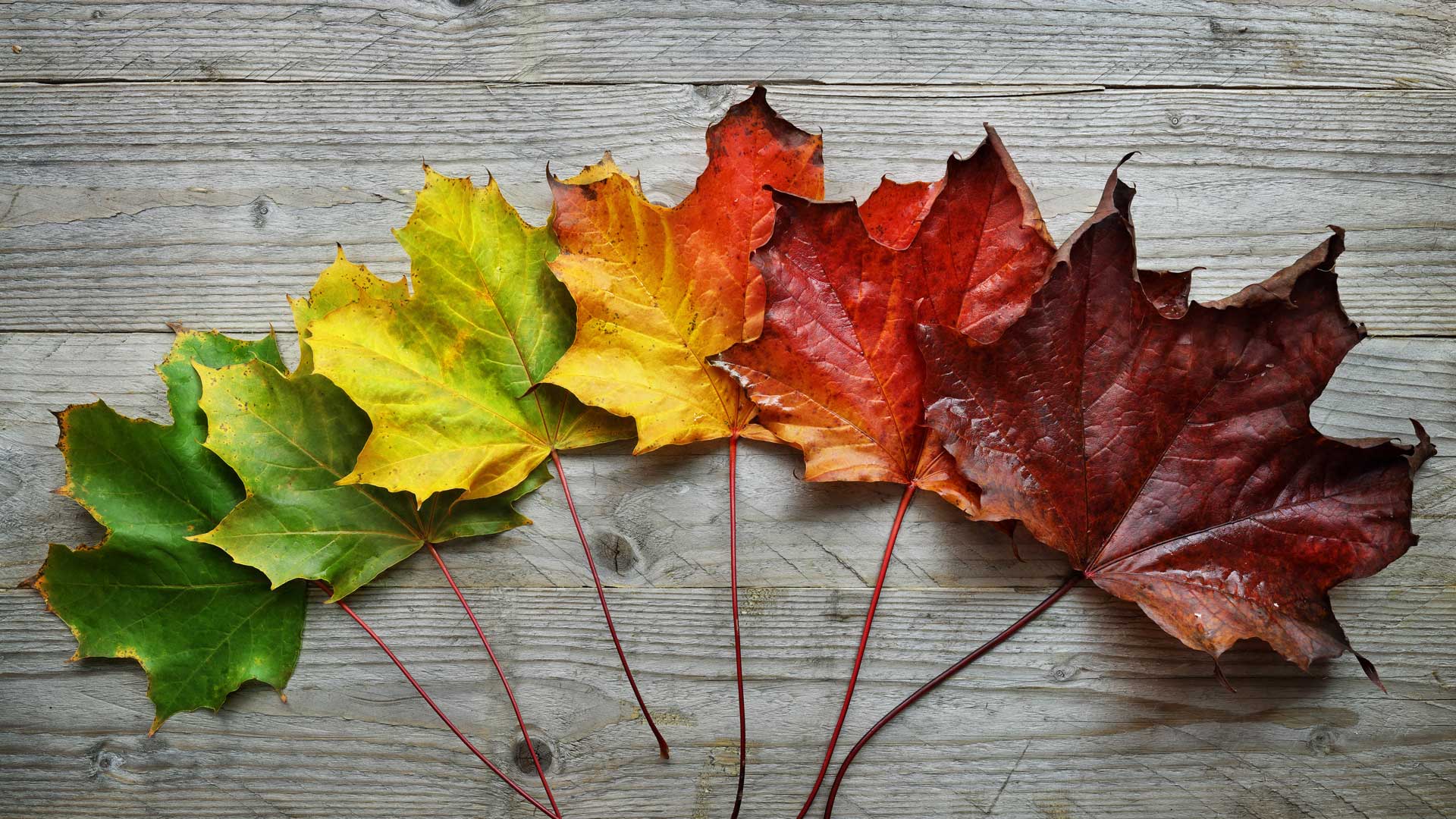
Understanding these chemicals helps explain why leaves turn red, yellow, or orange. The main pigments are chlorophyll, carotenoids, and anthocyanins. Each plays a key role in the color shift.
Chlorophyll Breakdown
Chlorophyll gives leaves their green color. It helps trees capture sunlight for energy through photosynthesis. As daylight shortens and temperatures fall, trees stop making chlorophyll.
Without new chlorophyll, the old green pigment breaks down. The green color fades away. This reveals other pigments that were hidden before.
Carotenoids Revealed
Carotenoids are pigments that create yellow and orange colors. They are always in leaves but hidden by chlorophyll’s green. When chlorophyll disappears, carotenoids become visible.
These pigments add warm hues to the fall landscape. They protect leaves by absorbing light and preventing damage during the transition.
Anthocyanin Production
Anthocyanins are pigments that give leaves red and purple shades. Unlike carotenoids, trees produce anthocyanins in fall. Cooler temperatures and bright light boost their production.
These pigments help protect leaves from light damage. They may also help trees recover nutrients before winter. The amount of anthocyanins varies by tree type.
Credit: www.otoolesgardencenters.com
Environmental Signals
Environmental signals play a key role in why fall leaves change color. Trees react to changes in their surroundings to prepare for winter. These signals tell the tree to slow down and stop making chlorophyll. Without chlorophyll, the green color fades, and other pigments show through.
Shorter Daylight Hours
As fall arrives, days become shorter. Less sunlight reaches the leaves. Trees detect this change and begin to stop chlorophyll production. This process helps the tree save energy for the cold months ahead.
Cooler Temperatures
The drop in temperature signals trees to prepare for winter. Cool nights and mild days encourage the breakdown of chlorophyll. This reveals yellow and orange pigments that were hidden before. Very cold temperatures can stop this process.
Changes In Moisture Levels
Rainfall and soil moisture affect leaf color too. Dry weather can stress trees and cause leaves to change color earlier. Too much rain may delay the process. Trees use moisture signals to adjust their timing.
Credit: thesca.org
Frequently Asked Questions
Why Do So Leaves Change Color In The Fall?
Leaves change color in fall as trees stop producing chlorophyll due to shorter days and cooler temperatures. Green fades, revealing yellow, orange, and red pigments. This process helps trees prepare for winter by conserving energy and nutrients.
Why Do Fall Leaves Change Color?
Leaves change color because chlorophyll breaks down as days get shorter and cooler.
What Causes The Green Color To Fade In Leaves?
Chlorophyll stops being produced and breaks down, making green color disappear.
Which Pigments Create Red And Orange Leaf Colors?
Carotenoids make yellow and orange colors; anthocyanins create red and purple shades.
How Does Sunlight Affect Leaf Color In Autumn?
More sunlight helps produce bright red anthocyanin pigments in leaves.
Why Do Some Trees Have Different Leaf Colors Than Others?
Different tree species have unique amounts and types of pigments in their leaves.
How Do Temperature Changes Influence Leaf Color Brightness?
Cool, frost-free nights and sunny days make leaf colors more vivid.
What Role Does Chlorophyll Play In Leaf Color?
Chlorophyll gives leaves their green color and helps with photosynthesis.
Why Do Leaves Fall After Changing Color?
Trees stop feeding leaves, causing them to dry, die, and fall off.
Can Weather Affect How Long Fall Colors Last?
Yes, warm days and cool nights help colors last longer before leaves drop.
Conclusion
Fall leaves change color as trees prepare for winter’s rest. Chlorophyll fades with less sunlight, showing bright reds, yellows, and oranges. Weather and tree type influence how vibrant colors appear each year. This natural process signals nature’s cycle and the changing season.
Enjoy the beauty while it lasts—soon, leaves will fall and rest until spring returns. Understanding why leaves change color helps us appreciate autumn’s special charm.