Have you ever wondered why leaves transform into stunning shades of red, orange, and yellow as fall arrives? You might think it’s just the changing weather, but there’s a fascinating science behind this colorful display.
When you understand why leaves change color, you’ll see autumn in a whole new light. This natural spectacle isn’t random—it’s a clever process trees use to prepare for winter. Keep reading, and you’ll discover what causes these vibrant colors, how different factors affect the change, and why some trees put on a brighter show than others.
By the end, you’ll never look at falling leaves the same way again!

Credit: www.turnto23.com
Leaf Pigments
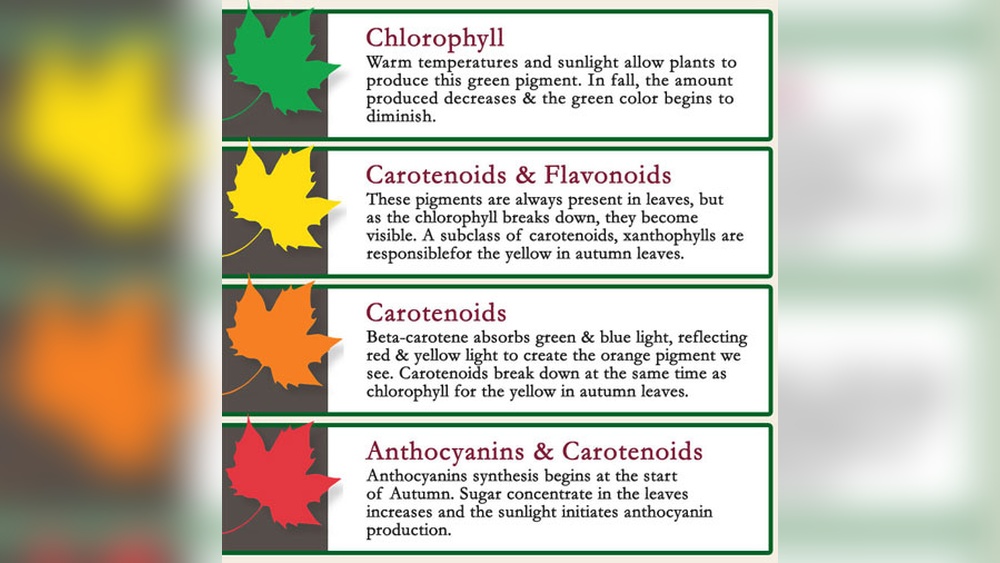
Leaf pigments play a vital role in the colorful display of fall foliage. These pigments determine the hues we see as leaves change color. They exist in leaves throughout the growing season but become visible only when chlorophyll fades. Understanding these pigments helps explain why leaves shift from green to vibrant yellows, oranges, reds, and purples.
Chlorophyll: The Green Pigment
Chlorophyll gives leaves their green color. It helps trees make food through photosynthesis by capturing sunlight. During fall, days get shorter and temperatures drop. Trees stop producing chlorophyll, causing the green color to fade. As chlorophyll breaks down, other pigments become visible.
Carotenoids: Yellows And Oranges
Carotenoids are pigments that give leaves yellow and orange colors. They are present in leaves all year but hidden by chlorophyll. When chlorophyll fades, carotenoids shine through. These pigments are also found in carrots and corn. They add warm shades to the autumn landscape.
Anthocyanins: Reds And Purples
Anthocyanins form in leaves during fall and produce red and purple colors. Unlike carotenoids, anthocyanins are not always present. They develop when sugars get trapped in leaves on sunny, cool days. Sunlight triggers the formation of this pigment, creating rich red and purple hues.
Role Of Chlorophyll
Chlorophyll plays a key role in why leaves change color in the fall. It is the green pigment in leaves that helps trees make food. This process is called photosynthesis.
During spring and summer, chlorophyll is very active. It absorbs sunlight and uses it to turn water and carbon dioxide into food for the tree. The bright green color of leaves comes from chlorophyll.
What Is Chlorophyll?
Chlorophyll is a natural chemical found in leaf cells. It captures sunlight to produce energy. This green pigment is essential for the tree’s survival and growth.
How Chlorophyll Affects Leaf Color
Chlorophyll masks other pigments in the leaf. These pigments include yellow and orange carotenoids. As long as chlorophyll is present, leaves look green.
Why Chlorophyll Disappears In Fall
Shorter days and cooler temperatures tell trees to stop making chlorophyll. Without new chlorophyll, the old pigment breaks down and fades away. This reveals the yellow and orange pigments hidden beneath.
Connection Between Chlorophyll And Other Pigments
Once chlorophyll fades, carotenoids become visible. They give leaves their yellow and orange colors. Some trees also produce anthocyanins, red and purple pigments, in the fall. These form from trapped sugars and sunlight.
Carotenoids Explained
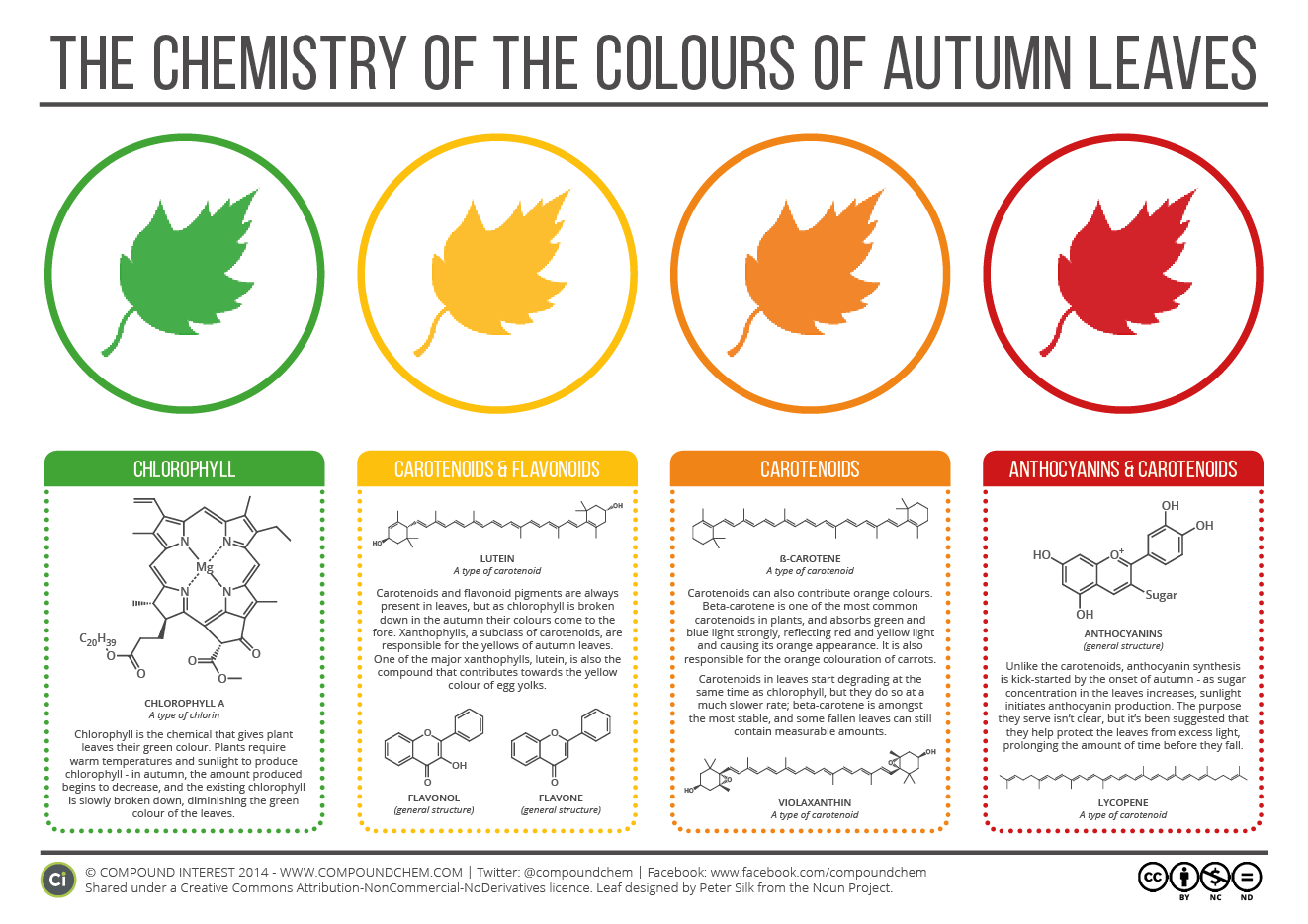
Carotenoids are natural pigments found in leaves. They give leaves yellow and orange colors during fall. These pigments are always present in leaves but are hidden by green chlorophyll. As chlorophyll breaks down in autumn, carotenoids become visible.
Carotenoids help plants absorb light for photosynthesis. They also protect leaves from damage caused by sunlight. In fall, their bright colors light up forests and parks.
What Are Carotenoids?
Carotenoids are pigments that create yellow, orange, and brown colors. They are made by plants and some bacteria. Carotenoids play a role in photosynthesis by capturing sunlight. These pigments also protect leaves from harmful light and oxygen damage.
Why Do Carotenoids Show In Fall?
In spring and summer, chlorophyll hides carotenoids. Chlorophyll is the green pigment that helps plants make food. When days get shorter and colder, chlorophyll breaks down. This reveals the carotenoids underneath, showing vibrant fall colors.
Types Of Carotenoids In Leaves
There are many carotenoids, but two main types appear in leaves. Xanthophylls create yellow shades. They are common in maple and birch leaves. Carotenes produce orange hues and are found in carrots and pumpkins too. Together, these pigments color the leaves in fall.
Credit: thesca.org
Anthocyanin Formation
Anthocyanin formation plays a key role in the fall colors of many trees. This pigment creates the bright red, purple, and blue hues seen in autumn leaves. Unlike other pigments, anthocyanins are not always present in leaves. They form during the fall as a response to changes in the tree’s environment.
As chlorophyll fades, sugars accumulate in the leaf. These sugars react with light and other chemicals to produce anthocyanins. This process depends on factors like temperature, sunlight, and the tree species. The result is a vivid display of red and purple shades.
How Anthocyanins Develop In Leaves
Anthocyanins develop in leaf cells during cool, sunny autumn days. The tree’s veins close, trapping sugars in the leaf. Sunlight triggers chemical reactions that convert these sugars into anthocyanins. This process requires energy and happens only when chlorophyll breaks down.
Why Some Trees Make More Anthocyanins
Not all trees produce anthocyanins. Species like maples and sumacs are known for bright reds. These trees have leaves that store more sugars. Their cells also have the right conditions to make anthocyanins. Other trees mainly show yellow and orange colors instead.
Environmental Factors Affecting Anthocyanin Production
Cool nights and sunny days increase anthocyanin formation. Warm days with cool, frost-free nights are ideal. Drought stress can also boost pigment production. Cloudy or wet weather tends to reduce the amount of red and purple color.
Effect Of Day Length
Temperature plays a key role in the vibrant colors leaves display each fall. As temperatures drop, they influence how and when leaves change their hues. Cooler nights and warm days create the perfect conditions for color transformation.
These temperature shifts affect the chemical processes inside leaves. They slow down chlorophyll production, the green pigment responsible for photosynthesis. Without new chlorophyll, the green fades away, unveiling other pigments.
Cool Nights Enhance Red And Purple Colors
Chilly nights cause sugar to get trapped in leaves. This trapped sugar reacts with sunlight to form anthocyanins. Anthocyanins give leaves their bright red and purple colors. The cooler the night, the more vivid these colors become.
Warm Days Help Maintain Pigment Production
Warm daylight boosts photosynthesis and sugar creation in leaves. It supports the buildup of anthocyanins during the day. When combined with cool nights, warm days intensify red and purple pigments.
Early Frost Can Dim Leaf Colors
Frost damages leaf cells and stops pigment production quickly. When frost arrives early, leaves may turn brown and drop fast. This shortens the period for colorful displays in the fall.
Temperature Differences Between Day And Night Are Crucial
Large temperature swings between warm days and cold nights produce the best colors. This contrast slows chlorophyll breakdown while promoting anthocyanin formation. Moderate weather with steady drops in temperature often leads to the brightest foliage.
Temperature Influence
Sunlight plays a key role in how bright and vivid fall leaf colors appear. As daylight hours shorten, the amount and intensity of sunlight reaching leaves changes. This shift affects how pigments behave and produce the colors we see.
Leaves exposed to strong sunlight often develop brighter colors. Sunlight helps produce anthocyanins, the pigments that create red and purple hues. These pigments form when sugars in the leaf react with light.
How Sunlight Affects Pigment Production
Sunlight influences the amount of anthocyanin in leaves. More light means more sugar trapped in the leaf. This sugar reacts with sunlight, producing richer reds and purples.
Intensity Of Colors In Shady Vs. Sunny Areas
Leaves in shady spots usually have duller colors. Less sunlight means less anthocyanin production. These leaves often appear more yellow or brown instead of bright red.
Role Of Clear Skies And Warm Days
Clear skies and warm days boost sunlight intensity. This encourages stronger pigment formation. Cool, but not freezing, nights help sugars stay in the leaves longer, enhancing color brightness.
Sunlight And Color Intensity
Rainfall plays a vital role in the color change of leaves during fall. The amount of rain a region receives affects the health of trees and the vibrancy of their foliage. Both too little and too much rain can influence the pigments in leaves.
Moisture from rainfall helps trees produce sugars in their leaves. These sugars are crucial in forming the bright red and purple pigments called anthocyanins. Without enough rain, the leaves may turn brown or dull instead of showing vibrant colors.
Rainfall also affects how long leaves stay on the trees. Consistent rain keeps trees hydrated, delaying leaf drop. This allows more time for colors to develop and be seen. On the other hand, dry conditions can cause leaves to fall early, shortening the color display.
How Dry Seasons Affect Leaf Colors
Dry seasons cause stress to trees. They close their pores to save water, reducing sugar production. Less sugar means fewer red pigments form. Leaves might become more yellow or brown due to early chlorophyll loss.
Role Of Rainfall In Sugar Production
Rain provides water needed for photosynthesis. This process creates sugars in leaves. Sugars trapped in leaves react with sunlight to produce anthocyanins. More rain often means richer red and purple colors in autumn leaves.
Excess Rain And Its Effects On Colors
Too much rain can limit sunlight. Without enough sunlight, trees produce less sugar. Low sugar levels reduce anthocyanin production. Leaves may appear more yellow and less vibrant in color.
Impact Of Rainfall
Leaves change colors differently depending on the tree species. Each species has unique pigments and chemical processes. These differences create a variety of fall colors across forests and neighborhoods.
Some trees show bright reds and purples. Others display vibrant yellows and oranges. The exact color depends on the pigments in each leaf and how they change in the fall.
Deciduous Trees And Their Colors
Deciduous trees lose their leaves each fall. Their leaves often turn yellow or orange. This is due to carotenoids, pigments that are always in the leaves. When chlorophyll fades, carotenoids become visible.
Maple Trees And Red Hues
Maple trees are famous for red leaves. They produce anthocyanins in the fall. These pigments give the leaves bright reds and purples. Cooler temperatures and sunlight help create more anthocyanins.
Oak Trees And Subtle Browns
Oak leaves often turn brown or deep red. They produce less anthocyanin than maples. The brown color comes from tannins, a different chemical in the leaves. Oak trees can also show some red and orange shades.
Birch And Aspen With Golden Yellows
Birch and aspen trees mostly turn yellow in autumn. Their leaves contain high levels of carotenoids. These pigments shine bright as chlorophyll disappears. Their yellow glow lights up many forests.
Tree Species Variations
Leaves change color in the fall due to chemical changes inside them. These changes happen because of shifts in light and temperature. The green pigment, chlorophyll, begins to break down. This reveals other pigments that were hidden during the growing season.
New pigments may also form, adding bright reds and purples. These chemical processes create the beautiful fall colors we see every year.
Chlorophyll Breakdown
Chlorophyll gives leaves their green color. It helps plants make food from sunlight. As daylight shortens, chlorophyll production stops. The existing chlorophyll fades away. Without chlorophyll, the green color disappears from the leaf.
Carotenoids Become Visible
Carotenoids are pigments that create yellow and orange colors. They are always in the leaf but hidden by green chlorophyll. When chlorophyll fades, carotenoids show through. This is why many leaves turn yellow or orange in fall.
Anthocyanin Production
Some trees produce a new pigment called anthocyanin. It gives red and purple colors. This pigment forms when sugars get trapped inside leaves. Sunlight and cool temperatures trigger its creation. Anthocyanin helps protect the leaf during the transition to winter.

Credit: sciencebob.com
Frequently Asked Questions
Why Do Leaves Change Colors In The Fall?
Leaves change color in fall because trees stop producing chlorophyll. This reveals yellow and orange pigments. Trapped sugars create red and purple anthocyanins. Cooler temperatures and shorter days trigger this process. Weather and tree species also affect the vibrancy of fall colors.
What Is The Science Behind The Color Of Leaves?
Leaves appear green due to chlorophyll, which aids photosynthesis. Shorter days and cooler temperatures break down chlorophyll. This reveals yellow and orange carotenoids. Trees also produce red and purple anthocyanins from trapped sugars. Weather and tree species influence the intensity of these colors.
What Is The Science Behind Autumn Leaves?
Leaves change color in autumn as chlorophyll breaks down due to shorter days and cooler temperatures. This reveals yellow and orange carotenoids. Trapped sugars create red and purple anthocyanins. Weather, sunlight, and tree species also influence the vibrant fall colors.
Why Do Leaves Change Color In The Fall?
Leaves change color because chlorophyll breaks down, revealing yellow, orange, and red pigments.
What Causes Green Chlorophyll To Disappear In Autumn?
Shorter daylight and cooler temperatures stop chlorophyll production in leaves.
Which Pigments Make Leaves Yellow And Orange?
Carotenoids, present all year, become visible when green chlorophyll fades.
How Do Red And Purple Leaf Colors Form?
Trapped sugars in leaves produce anthocyanin pigments, creating reds and purples.
Why Do Some Trees Have More Colorful Leaves?
Different tree species produce varying amounts of pigments like anthocyanins and carotenoids.
Does Temperature Affect Leaf Color Changes?
Yes, cool nights and sunny days help create brighter red and purple colors.
Why Do Leaves Eventually Fall Off Trees?
Leaves fall as trees prepare for winter, conserving water and energy.
Conclusion
Leaves change color each fall because of nature’s cycle. Chlorophyll fades as days shorten and temperatures drop. This reveals yellow and orange pigments hidden beneath. Some trees add red and purple hues by making anthocyanins. Weather and sunlight affect how bright these colors appear.
Cooler nights and sunny days create the best displays. Rainfall during summer also helps leaves glow with color. Watching leaves change teaches us about life and seasons. This natural event shows how trees prepare for winter’s rest. Enjoy the colorful show—it’s a beautiful sign of nature’s rhythm.