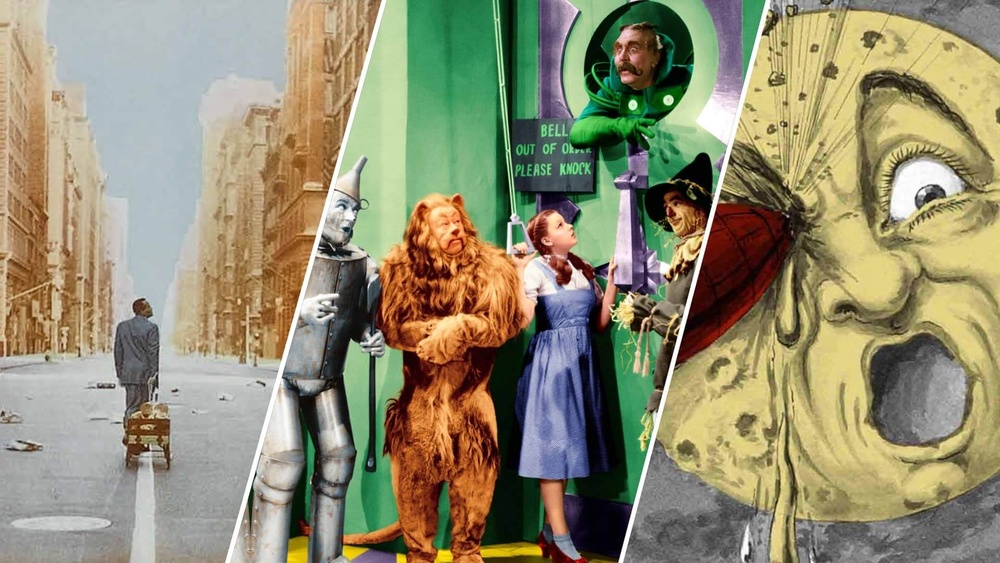
Have you ever wondered when color film first made its debut? Imagine watching your favorite classic movies suddenly burst into vibrant hues instead of just black and white.
Color film didn’t appear overnight—it was a game-changer that transformed how stories were told on screen and how memories were captured in photographs. If you’re curious about when color film came out and how it changed the world of cinema and photography forever, keep reading.
You’re about to discover the fascinating journey behind the rise of color film and why it took time to become the norm you enjoy today.
Early Experiments With Color
Color film did not appear overnight. Its creation involved many early experiments. Inventors and scientists worked for decades to bring color to photography and movies. These trials laid the foundation for modern color films.
Early attempts used different techniques to capture color. Some used special filters, while others combined multiple images. These methods showed promise but had limits in quality and ease of use.
Two-color Processes
One of the first successful methods was the two-color process. It captured red and green shades only. This process gave movies some color but lacked full spectrum realism. Films made this way looked tinted but not natural.
Kodachrome And Early Color Film
Kodachrome arrived in the 1930s. It was the first practical color film for still photography. Kodachrome used multiple layers to record colors more accurately. This innovation improved color quality and made color photos popular.
Technicolor’s Role
Technicolor became famous for vibrant color movies. It used a three-strip camera capturing red, green, and blue. This method created rich, vivid colors on screen. Technicolor films attracted large audiences due to their bright visuals.
Kinemacolor And First Color Features
Color film brought a new life to movies by adding real colors. One of the first successful color systems was Kinemacolor. It appeared in the early 1900s and was the first to show natural colors on screen. This system used two colors, red and green, to create a color image. It was a big step forward from black and white films.
Kinemacolor helped filmmakers produce the first color feature films. These films amazed audiences with their vivid and lifelike colors. Though it was not perfect, Kinemacolor showed the potential of color movies. It paved the way for later, more advanced color film processes.
Kinemacolor: The Pioneer Of Color Film
Kinemacolor was introduced in 1908 by George Albert Smith and Charles Urban. It used a special camera and projector to capture and display colors. The system recorded red and green light separately. When projected, these two colors combined to give a color effect. It was the first color process to be used commercially in films.
Kinemacolor was popular for about a decade. It was mainly used for short films and documentaries. Its color quality was limited but still impressive for the time. The system could not show blue tones well. Despite this, it gave audiences a new way to see the world.
First Color Feature Films Using Kinemacolor
The first color feature film made with Kinemacolor was “With Our King and Queen Through India” (1912). This documentary showed the British royal family’s visit to India. It was about two hours long and showed real-life scenes in color. Audiences were amazed to see such vivid images on screen.
Another early color feature was “The World, the Flesh and the Devil” (1914). It was a fictional story using Kinemacolor technology. These films proved that color movies could tell stories, not just show events. They inspired other filmmakers to explore color film further.
Technicolor Breakthroughs
Technicolor breakthroughs changed how people saw movies. Color added life and excitement to films. These advances made color film more popular and practical. Early experiments led to important new methods. Two key processes marked big steps forward.
Two-color Process
The two-color process appeared in the 1910s. It used red and green filters to capture images. This method combined two colors on one film strip. The colors were limited but gave a hint of realism. Films like “The Toll of the Sea” showed early color success. The two-color process brightened scenes but missed full color range. It helped studios and audiences accept color films.
Three-strip Technicolor
The three-strip Technicolor process started in the 1930s. It used three separate film strips for red, green, and blue. This method created vibrant, natural colors on screen. Movies such as “The Wizard of Oz” and “Gone with the Wind” used this process. The three-strip system fixed color problems from earlier methods. It became the standard for high-quality color movies. The breakthrough brought color films into the spotlight worldwide.
:max_bytes(150000):strip_icc()/TheWizardofOz-59e3ff310d327a0010ddedc5.jpg)
Credit: www.liveabout.com
Milestone Films In Color
Color film changed how people saw movies forever. Early films were black and white. Color brought stories to life with vivid shades and tones. Several key films helped show the power of color in cinema. These milestone movies marked the rise of color film in the industry.
They proved that color could add emotion, depth, and realism to storytelling. Each film used color in unique ways to capture the audience’s attention. Let’s explore some of these important color films.
The World, The Flesh, And The Devil
This 1914 film was one of the first full-length movies to use color. It used a process called Kinemacolor, which added natural hues to scenes. Though not perfect, it showed that color could work in movies. The film helped pave the way for future color technology.
The Wizard Of Oz
Released in 1939, this film amazed viewers with its color magic. It began in black and white then moved to bright Technicolor. The vibrant colors made the fantasy world feel real and exciting. This film is a classic example of how color can enhance storytelling.
Gone With The Wind
Also from 1939, this film used rich colors to tell its epic story. The deep reds, greens, and blues added drama and emotion. Its success proved that audiences loved color films. This movie helped push the industry toward full color productions.
Color Film In Hollywood’s Golden Age
The Golden Age of Hollywood was a time of great change in filmmaking. Color film started to gain attention and use during this period. Studios began to explore color to make movies more lively and attractive.
Color film added a new dimension to storytelling. It allowed filmmakers to show emotions and settings more vividly. Audiences were amazed by the bright and rich visuals on screen.
The Early Use Of Color Film
Color film technology appeared in the 1910s and 1920s. Early color films used processes like Technicolor. These were expensive and difficult to work with. Most films were still made in black and white.
Only a few scenes in a movie might be in color. Filmmakers used color for special moments or fantasy scenes. This made those parts stand out to the audience.
The Rise Of Technicolor
Technicolor became the most popular color process in the 1930s. It used three color strips to create bright and natural colors. This technology improved fast and became easier to use.
Major studios started to invest in full-color movies. Technicolor films like “The Adventures of Robin Hood” wowed viewers. Color became a selling point for big Hollywood productions.
Iconic Color Films Of The Era
Some color films became classics of Hollywood’s Golden Age. “The Wizard of Oz” and “Gone with the Wind” showed the power of color. These films used color to tell stories in unforgettable ways.
Color helped create magical worlds and strong emotions. Audiences loved the new look and felt more connected to the story. These films proved color could be more than just a novelty.
Credit: en.wikipedia.org
Commercial Availability Of Color Film
The commercial availability of color film marked a key moment in photography. It allowed everyday people and professionals to capture life in vibrant colors. This shift changed how images were seen and shared worldwide.
Early color films were complex and costly. Only a few companies made them at first. Over time, the process became simpler and more affordable. This helped color film become popular in homes and studios.
Early Commercial Color Films
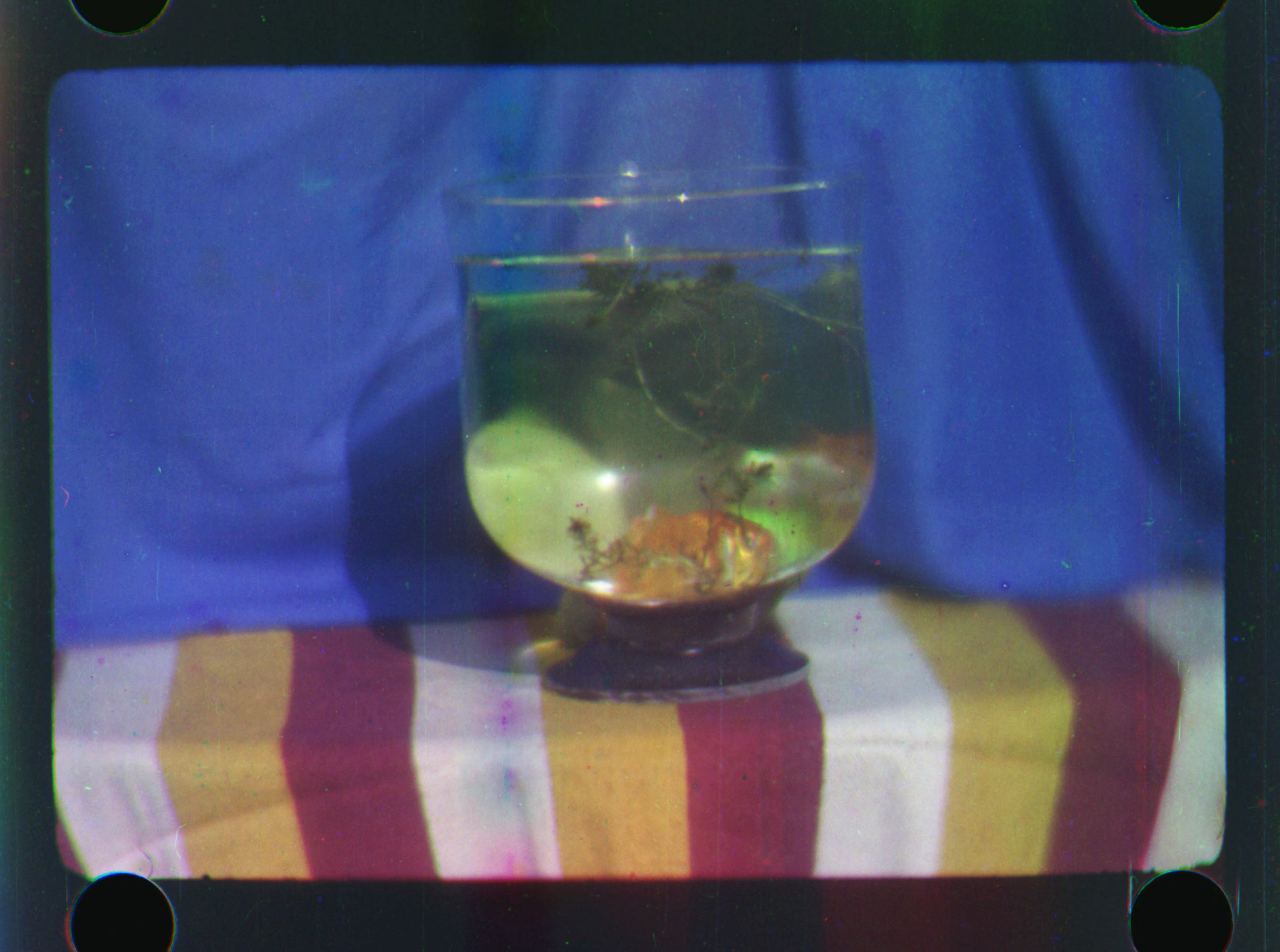
The first widely sold color film was Autochrome, released in 1907. It used dyed grains of starch to create color images. This film needed long exposure times and special handling. Despite this, it opened doors for color photography.
Introduction Of Kodachrome
Kodachrome debuted in 1935 by Kodak. It was the first successful multi-layer color film. This film produced rich, bright colors and had better speed. Kodachrome quickly gained popularity among photographers and amateurs.
Color Film In The Mass Market
By the 1950s, color film became widely available for consumers. Film companies created easier-to-use films for everyday cameras. This led to a boom in color snapshots and family photos. Color film sales grew rapidly during this period.
Impact On Film And Media
Color film also transformed the movie industry. Studios began producing more color films in the 1930s and 1940s. Color movies attracted larger audiences and became a new standard. This trend pushed further advances in color film technology.
Transition From Black-and-white To Color
The shift from black-and-white to color film changed how people saw movies. At first, movies were only in black and white. This was because early technology could not capture colors well. Over time, inventors worked hard to develop color film. This new film brought a fresh and exciting look to cinema.
The transition was slow and gradual. Filmmakers tested color film in short clips and special scenes. Audiences were amazed by the new vivid images. Color helped tell stories more clearly and emotionally. It made characters and places feel more real and alive.
Early Experiments With Color Film
Color film began with hand-painted frames and tinting. These methods added color but were not true color films. The first real color film process appeared in the early 1900s. It used special dyes and layers to capture colors. Films like “The World, The Flesh, and the Devil” showed these early results.
The Rise Of Technicolor
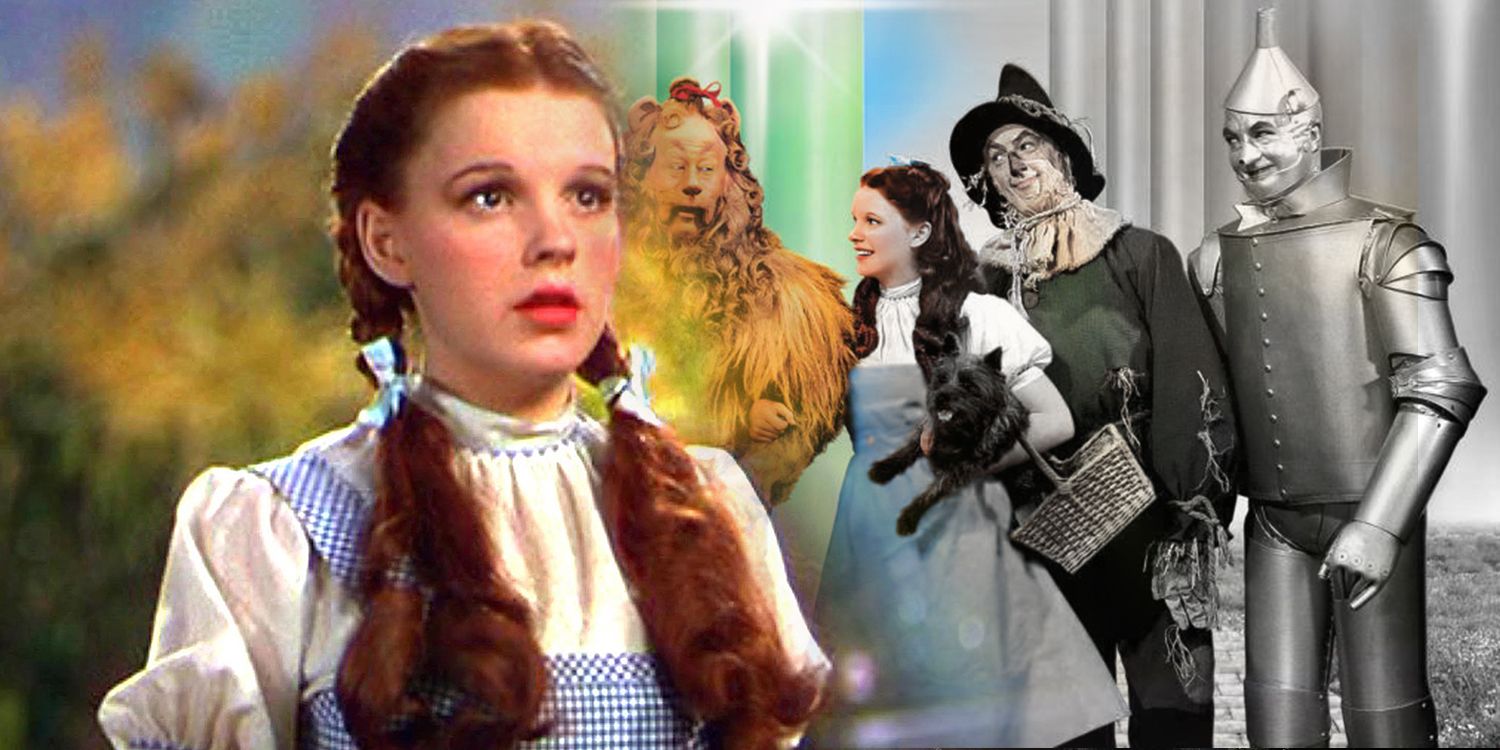
Technicolor became the most famous color film process. It started in the 1920s and improved through decades. Technicolor used three color strips to create bright, full-color images. Films like “The Wizard of Oz” and “Gone with the Wind” showcased this technology. These movies helped popularize color film worldwide.
Challenges In Adopting Color Film
Color film was expensive and difficult to use at first. Studios worried about the cost and complexity. Cameras and lighting had to change to handle color. Some directors preferred the classic black-and-white look. These factors slowed down the full switch to color films.
Color Film Becomes The Norm
By the 1950s and 1960s, color film became more affordable. More movies used color to attract audiences. Television also started showing color broadcasts. Black-and-white films became rare and mostly for artistic choices. Color film changed the film industry forever.
Credit: screenrant.com
Impact On Film Industry And Audiences
The introduction of color film changed the movie world forever. It gave filmmakers new tools to tell stories in a more vivid way. Colors helped bring scenes to life, making movies feel more real and exciting.
Audiences were drawn to theaters by the beauty of color films. The experience became more immersive and emotional. Viewers could connect with characters and settings on a deeper level.
Transformation Of Visual Storytelling
Color added new meaning to scenes. Directors used colors to show moods and feelings. Bright colors could show happiness, while dark shades suggested danger. This made stories clearer and more powerful.
Boost In Movie Attendance And Sales
Color films attracted larger crowds. People wanted to see the new technology in action. This led to higher ticket sales and profits. Studios invested more in color film production.
Challenges And Costs For Filmmakers
Color film was expensive and complex at first. Filmmakers needed new cameras and lighting. They also had to learn how to use color creatively. These challenges slowed early adoption but pushed innovation.
Influence On Film Genres And Styles
Color opened doors for new genres. Musicals, fantasies, and epics used colors to captivate audiences. It also changed makeup, costume, and set design. Filmmakers experimented with color to enhance style.
Advancements In Color Film Technology
Color film technology changed the way people saw movies and photos. Early films were black and white. Color made images more lifelike and exciting. This section covers key advancements in color film technology.
Each step brought better color quality and easier use. The process became faster and cheaper over time. These changes helped color film become popular worldwide.
Early Color Processes
The first color films used hand coloring or stencils. These methods were slow and costly. Then came two-color systems like Kinemacolor in the 1910s. They captured only red and green shades. The results were limited but a big step forward.
Introduction Of Three-color Film
Three-color film captured red, green, and blue. Technicolor’s three-strip process launched in the 1930s. It produced rich and vibrant colors. This method was used in famous films like “The Wizard of Oz.” It set a new standard for color movies.
Improvements In Film Speed And Quality
Early color films needed a lot of light. This limited filming locations and times. Advances increased film speed, allowing shooting in lower light. Color films also gained better grain and sharper images. These improvements helped filmmakers be more creative.
Development Of Color Negative Film
Color negative film appeared in the 1930s and 1940s. It allowed easier printing of multiple copies. Photographers and filmmakers preferred it for flexibility and cost. This type of film became standard for color photography and movies.
Emergence Of Color Slide Film
Color slide film offered bright, clear images for projection. It became popular for home movies and professional use. Companies like Kodachrome led this market. Slide film helped spread color photography to more people.
Legacy Of Color Film In Modern Cinema
Color film transformed the way stories come alive on screen. It gave filmmakers a new tool to express emotion, mood, and realism. Audiences connected more deeply with vivid imagery than ever before.
Today, color remains a vital part of cinema. It shapes genre, style, and atmosphere. Directors use color to guide viewers’ feelings and highlight important details. The legacy of early color film innovations lives on in every frame.
Impact On Storytelling And Visual Style
Color added layers of meaning to film stories. Filmmakers could now use hues and shades to set tone and build tension. Warm colors often suggest comfort or passion, while cool colors evoke sadness or mystery.
This shift allowed more creative freedom. Directors experimented with color palettes to make scenes more memorable. Visual style became as important as plot or dialogue in storytelling.
Technological Advances Inspired By Early Color Films
Early color films pushed technology forward. New film stocks and cameras were developed to capture richer colors. These advances led to today’s digital color grading tools.
Modern cinema benefits from improved color accuracy and range. Filmmakers can now craft precise visual moods that were impossible before. This progress traces back to the first color film breakthroughs.
Color Film’s Role In Audience Engagement
Color makes movies more immersive. It draws viewers into the story world. Audiences respond emotionally to vibrant or subtle color schemes.
The success of blockbusters often depends on striking visuals. Color plays a key role in attracting and holding attention. This engagement helps stories leave a lasting impact.
Frequently Asked Questions
When Did Color Film Become Popular?
Color film became popular in the 1930s, with widespread use by the 1950s in movies and photography.
Was The Wizard Of Oz The First Color Movie?
The Wizard of Oz was not the first color movie. Early color films appeared in the 1900s using processes like Kinemacolor. The Wizard of Oz (1939) popularized Technicolor but followed earlier color films.
Why Did Photographers Not Use Color Before 1970?
Photographers avoided color before 1970 due to high costs, limited technology, and lower color film quality compared to black and white.
When Did Movies Shift To Color?
Movies began shifting to color in the 1930s, with widespread adoption by the late 1960s. The Wizard of Oz (1939) popularized color film.
When Was Color Film First Introduced?
Color film was first introduced commercially in the early 1900s, with experiments dating back to the late 1800s.
What Year Did Color Movies Become Popular?
Color movies became popular mainly in the 1930s and 1940s as technology improved.
Which Was The First Color Movie Ever Made?
The first color movie is often considered “The World, The Flesh and the Devil” from 1914.
Was “the Wizard Of Oz” The First Color Film?
No, “The Wizard of Oz” (1939) was not the first color film but one of the most famous early examples.
When Did Most Films Start Using Color?
Most films started using color widely in the 1960s, replacing black and white.
How Did Color Film Technology Develop?
Color film technology developed gradually through better dyes and layering techniques in the early 20th century.
Conclusion
Color film first appeared in the early 20th century. It changed how people saw movies and photos. Early color films used complex processes, making them rare at first. By the 1930s and 1940s, color movies gained popularity. This shift made stories more vivid and real.
Today, color film is standard, shaping visual culture worldwide. Understanding its history helps us appreciate modern cinema better. The journey from black-and-white to color was long but rewarding. Color film remains a key part of film and photography history.