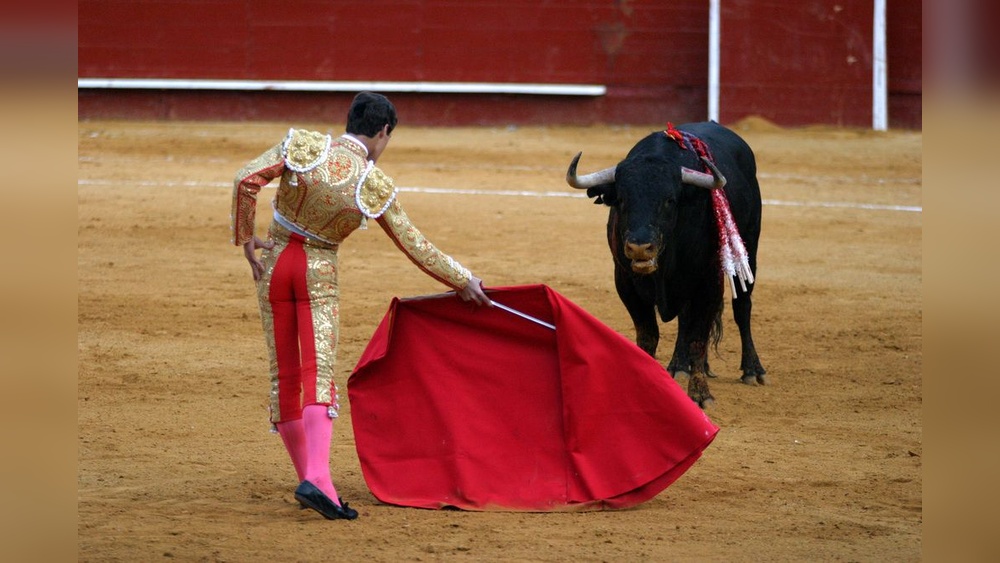
Have you ever wondered why bulls seem to go wild when they see the color red? You might think that red makes bulls angry, but is that really true?
The idea that bulls hate red is so common, it’s almost a fact in your mind. But what if I told you that bulls actually don’t see red the way we do? And that their reaction isn’t about the color at all?
If you want to uncover the surprising truth behind this popular myth and understand what really triggers a bull’s charge, keep reading. Your curiosity is about to be rewarded with some eye-opening facts that will change how you see bullfighting and bulls forever.

Credit: www.reddit.com
Bull Color Vision
Bulls do not see the world as humans do. Their vision is different from ours. This difference affects how they respond to colors, especially red. Understanding their color vision helps explain why bulls react the way they do in bullfighting.
Many people believe bulls get angry because of the red color. But bulls actually cannot see red clearly. Their eyes have fewer types of color receptors than humans. This condition is called dichromatic vision.
Dichromatic Sight Explained
Bulls have dichromatic sight, which means they see only two main colors. Humans usually have trichromatic sight, seeing three colors. Bulls lack the receptor to see red shades well. They mainly see blues and greens.
This limited color range means red looks dull or gray to bulls. They do not get angry because of red itself. Instead, they react to the cape’s movement. The waving motion catches their attention, not the color.
Red-green Color Blindness
Bulls have red-green color blindness, similar to some humans. This means they cannot tell the difference between red and green. The red cape appears as a shade of gray or brown to them.
This color blindness explains why bulls do not hate red. Their reaction comes from the cape’s motion, not its color. The red color is for the audience and to hide blood stains during bullfights.
Origin Of The Red Cape
The red cape used in bullfighting has a long history rooted in Spanish culture. It is known as the muleta, and it is used during the final stages of the bullfight. Many people believe bulls hate red, but the cape’s color has different reasons behind it.
The cape’s red color is not meant to anger the bull. Instead, it serves practical and traditional purposes. The story of the red cape is a mix of cultural customs and functional needs.
Historical Traditions
Bullfighting dates back hundreds of years in Spain. The red cape became a symbol of the bullfighter’s skill and bravery. It was used to attract the crowd’s attention and add drama to the fight.
Originally, the cape was not always red. Over time, red was chosen because it stood out well in the arena. It created a striking contrast against the bull and the sandy ground. This made the event more exciting to watch.
The red cape also became part of the bullfighter’s costume. It is now a traditional element that connects modern bullfights to their rich history.
Practical Reasons For Red
The red color hides bloodstains from the bull during the fight. This keeps the cape looking fresh and clean for longer periods. Using a light or white cape would make the blood very visible and distracting.
Another reason for the red cape is that bulls are actually colorblind to red. They cannot see the color itself but respond to the movement of the cape. The waving motion is what provokes the bull, not the color.
Red also helps the bullfighter stay visible to the audience. It creates a dramatic image and adds flair to the performance. The practical choice of red serves both the bullfighter and the spectators well.
Movement Vs. Color
Bulls are often thought to dislike the color red. Many believe red alone makes them angry. The truth lies in movement, not color. Bulls are red-green colorblind. They cannot see red as humans do. Their reaction comes from motion, not hue.
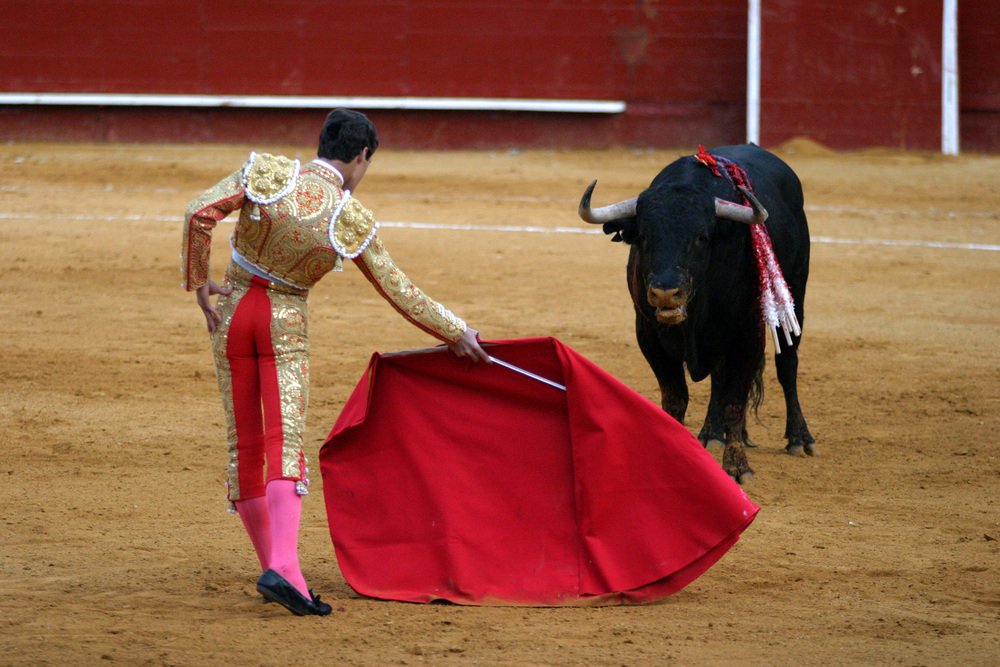
The waving of the cape catches the bull’s attention. It is the movement that triggers aggression. The color red is mainly tradition and practicality. It hides blood stains during bullfights. Understanding this clears common misconceptions.
What Triggers Bull Aggression
Bulls react strongly to fast, sudden movements. They see motion more clearly than colors. The waving cape moves quickly, drawing their focus. This movement signals a challenge or threat. Bulls respond instinctively to defend or attack. Color does not play a role in this reaction.
Role Of Cape Motion
The matador’s cape moves to provoke the bull. The quick, sharp motions keep the bull engaged. The red color helps hide blood and adds tradition. Without movement, bulls usually ignore the cape. The visual stimulus comes from the dynamic motion, not the color itself.
Credit: www.livescience.com
Myth Of Red Anger
The idea that bulls dislike the color red is a well-known belief. Many think red makes bulls angry. This belief comes mainly from bullfighting traditions. The truth is different. Bulls do not see red the way humans do. Their eyes do not pick up red well. The anger bulls show is not because of the color. It is due to other factors.
Common Misconceptions
People often think bulls charge at red objects. This is not true. Bulls are mostly colorblind to red shades. They cannot tell red from green. Bulls react to movement, not color. The waving of the cape causes the bull to charge. The red color only draws human attention. It does not make bulls angry or aggressive.
Cultural Influences
The red cape is used in bullfighting for tradition. It hides blood stains during the fight. Red is a strong, bold color for the audience. It adds drama and excitement to the event. The use of red is for show, not to provoke bulls. Cultural stories have made the red anger myth popular. This myth continues despite scientific evidence against it.
Scientific Studies On Bulls
Scientific studies help us understand why bulls react the way they do. Researchers have tested bulls in different ways. These tests focus on how bulls behave and how they see colors. The results challenge common beliefs about bulls and the color red.
Behavioral Experiments
Scientists observed bulls during bullfights and in controlled settings. Bulls often charge at moving objects, not just the red color. They react strongly to quick movements. The red cape’s motion draws the bull’s attention more than the color itself. Experiments showed bulls did not charge at still red objects. This suggests movement triggers their aggressive behavior, not the color red.
Color Perception Tests
Bulls have different color vision than humans. Research shows bulls are red-green colorblind. They cannot see red the way people do. Bulls see fewer colors and rely on brightness and contrast. Tests with colored lights confirmed bulls do not respond to red specifically. Their reactions are based on how bright or dark something looks. This means bulls do not dislike red as a color, but respond to shapes and movement.
Fight Or Flight Response
The fight or flight response is an animal’s natural reaction to danger. It prepares the body to either defend itself or escape. This response triggers rapid changes in the body like faster heartbeat and sharper focus. Bulls, like many animals, rely on this instinct to survive threats.
When a bull senses something unusual or threatening, it decides quickly whether to fight or run. This reaction does not depend on the color it sees but on how it interprets danger. The movement and sudden presence of an object often start this response.
Instincts In Bulls
Bulls have strong survival instincts. They react quickly to sudden movements around them. Their eyes are less sensitive to color but very good at detecting motion. This means bulls respond more to how something moves than what color it is.
These instincts help bulls protect themselves from predators or unfamiliar objects. Their body prepares for action through increased adrenaline and muscle tension. This preparation allows them to charge or run fast if needed.
Stimuli That Cause Aggression
Aggression in bulls often comes from perceived threats. Fast movements or loud noises can trigger this behavior. The waving of a cape in bullfighting, not its red color, excites the bull’s instincts.
Bulls may charge because they see the movement as a challenge. The red color of a cape has little effect on their anger. Instead, bulls react to the shape and motion that suggest danger or competition.
Role Of Bullfighting Spectacle
The use of red in bullfighting is deeply tied to the spectacle’s tradition. The red cape, or muleta, is a symbol recognized worldwide. It adds color and excitement to the event. Bulls do not actually dislike the color red. They are mostly colorblind to it. The movement of the cape triggers the bull’s charge, not the color itself.
The red cape also helps mask bloodstains during the fight. This keeps the focus on the action rather than the injuries. The color red enhances the visual drama and holds cultural importance. It plays a key role in the audience’s experience of the spectacle.
Audience Impact Of Red
Red is a powerful color for human viewers. It grabs attention and creates excitement. The bright red cape draws eyes to the matador’s movements. This heightens the tension and drama of the fight. For spectators, red symbolizes danger and passion. It makes the spectacle more thrilling and memorable.
The color red also links to historical and cultural meanings. It is often associated with courage and strength. These feelings connect the audience to the bullfighter’s bravery. The red cape becomes more than a tool; it is part of the storytelling in bullfighting.
Visual Drama And Tradition
Visual drama is central to bullfighting’s appeal. The red cape contrasts sharply with the bull and the arena. This contrast makes the scene striking and dramatic. The tradition of using red dates back centuries. It honors the history and rituals of the sport.
The red cape’s design combines function with symbolism. It hides blood and enhances the spectacle’s color scheme. The color red connects the past and present of bullfighting. It keeps the tradition alive while engaging modern audiences.
Comparing Bull Reactions
Bulls often appear aggressive toward red objects, but their reactions vary with different colors and movements. Comparing these responses helps clarify common myths about bull behavior. Understanding how bulls perceive colors and motion sheds light on why red seems to provoke them more.
Reactions To Different Colors
Bulls are red-green colorblind. They cannot see red the way humans do. Instead, bulls react to brightness and contrast. Bright colors like white or yellow may draw their attention as much as red. It is the contrast, not the color itself, that triggers their response. Bulls focus more on shapes and edges than on color differences.
Response To Still Vs Moving Objects
Bulls respond strongly to movement. A waving cape causes more reaction than a still one. Movement signals a potential threat or target. Bulls charge at moving objects regardless of color. The red cape’s motion, not its color, irritates bulls during bullfights. Still red objects do not provoke the same aggressive behavior.
Colorblindness In Other Animals
Colorblindness in animals affects how they see and react to colors. Many animals do not see colors the way humans do. Their vision can be limited to fewer colors or shades. This difference changes how they behave around certain colors.
Understanding colorblindness helps explain animal reactions, like bulls and the color red. It also shows why some animals ignore colors that stand out to us.
Common Patterns
Many mammals see fewer colors than humans. They often see the world in blues and yellows but struggle with reds and greens. This type of colorblindness is called red-green colorblindness.
For example, bulls cannot distinguish red from green clearly. Dogs and cats also have limited color vision. Birds and reptiles, however, see a wider range of colors.
How It Affects Behavior
Animals with colorblindness rely more on movement and shape than color. Bulls charge not because they hate red but because of the cape’s motion. The red color does not trigger their aggression.
Colorblind animals may ignore colors humans find bright or alarming. Their behavior depends on other signals like sounds, smells, and movements.
Why Red Remains Popular
The color red has held a special place in bullfighting for centuries. Its popularity goes beyond the myth that bulls hate red. Red continues to be a powerful symbol and a practical choice in this tradition.
This section explores why red remains the preferred color in bullfighting and related cultural events.
Symbolism And Culture
Red stands for passion, energy, and bravery in many cultures. It captures attention and stirs strong emotions. In bullfighting, red represents the intensity of the fight and the courage of the matador.
Many festivals and ceremonies use red to symbolize life and power. This cultural connection keeps red popular and meaningful in these events.
Practical Advantages
Red hides blood stains well, making it a practical choice for the matador’s cape. This helps keep the performance visually clear for the audience. The bright color also makes the cape easy to see from a distance.
Bulls are actually colorblind to red. They react to the cape’s movement, not the color. The red cape helps the audience follow the action better.

Credit: www.youtube.com
Frequently Asked Questions
Why Is A Matador’s Capote Red?
A matador’s red capote hides bloodstains and honors tradition. Bulls react to cape movement, not its color. The red color enhances visibility and drama for the audience during bullfights.
What Color Triggers A Bull?
Bulls do not react to the color red. They are colorblind to red and green. Bulls charge at movement, not color. The red cape is traditional and hides blood stains. Bulls respond to the cape’s motion, not its hue.
What Colors Can Bulls Actually See?
Bulls see colors mainly in shades of blue and green. They cannot distinguish red well due to red-green color blindness. Bulls react to cape movement, not its red color. The red cape is traditional and hides blood stains during bullfighting.
What Triggers Bulls To Attack?
Bulls attack mainly due to perceived threats or sudden movements. They react to motion, not colors, as they are colorblind to red. Loud noises, unfamiliar objects, or invasive actions also trigger aggression in bulls.
Why Do Bulls Charge At Red Capes In Bullfighting?
Bulls charge because of the cape’s quick movement, not its red color.
Are Bulls Colorblind To The Color Red?
Yes, bulls are red-green colorblind and cannot see red as humans do.
What Actually Provokes Bulls To Attack?
Sudden movement or waving objects provoke bulls, not specific colors.
Why Is The Bullfighter’s Cape Traditionally Red?
Red hides bloodstains and keeps the audience focused during the fight.
Do Bulls React Differently To Other Colors?
Bulls respond mostly to motion, regardless of the color shown.
How Do Bulls Perceive Colors Around Them?
Bulls see fewer colors, mainly blues and yellows, but not reds.
Conclusion
Bulls do not actually dislike the color red. Their eyes cannot see red clearly. They react to the movement of the cape instead. The red color hides blood stains during bullfights. It also keeps tradition alive for spectators. Understanding this helps clear common myths.
Bulls respond to motion, not color. This explains why the red cape is used. The story behind bulls and red is simpler than many think.