Have you ever wondered when color photos first came into existence? Imagine seeing the world not just in black and white, but bursting with vibrant hues that capture every detail and emotion.
Color photography didn’t just appear overnight—it was a breakthrough that changed how we see and remember moments forever. You’ll discover the fascinating story behind the invention of color photos, the challenges early inventors faced, and how color images gradually became a part of your everyday life.
Keep reading to uncover the colorful journey that brought your photos to life.
First Color Photograph
The first color photograph marks a major step in photography history. It showed that capturing real-life colors was possible. Before this, photos were only black and white.
This invention changed how people saw photography. It made images more lifelike and vibrant. The first color photo opened doors for future innovations in color photography.
The Creation Of The First Color Photograph
In 1861, Scottish physicist James Clerk Maxwell created the first color photograph. He used a method involving three separate black and white images. Each photo was taken through a different colored filter: red, green, and blue.
Maxwell then projected the three images using light of the same colors. When combined, they produced a full-color picture. This method is known as the additive color process.
The Subject Of The First Color Photo
The subject was a simple tartan ribbon. Maxwell chose this because its pattern showed clear color differences. The photo proved that colors could be captured and reproduced accurately.
This early experiment inspired many scientists and photographers to improve color photography techniques over the years.
Challenges Of Early Color Photography
Early color photos required long exposure times and special equipment. The process was complex and expensive. These challenges limited the use of color photography at first.
Despite this, Maxwell’s work laid the foundation for later color films and cameras. It was the beginning of a new era in photography.

Credit: www.scienceandmediamuseum.org.uk
Pioneers Of Color Photography
Color photography did not appear overnight. It grew through the work of many inventors and artists. These pioneers laid the foundation for the vivid images we see today.
They faced many challenges. Early color photos were complex and costly. Despite this, their passion pushed the technology forward. Their contributions shaped the future of photography.
James Clerk Maxwell And The First Color Photograph
In 1861, James Clerk Maxwell created the first color photo. He used a method called three-color separation. Maxwell took three black-and-white photos through red, green, and blue filters. When combined, these images formed a full-color picture. This experiment proved color photography was possible.
The Lumière Brothers And Autochrome Plates
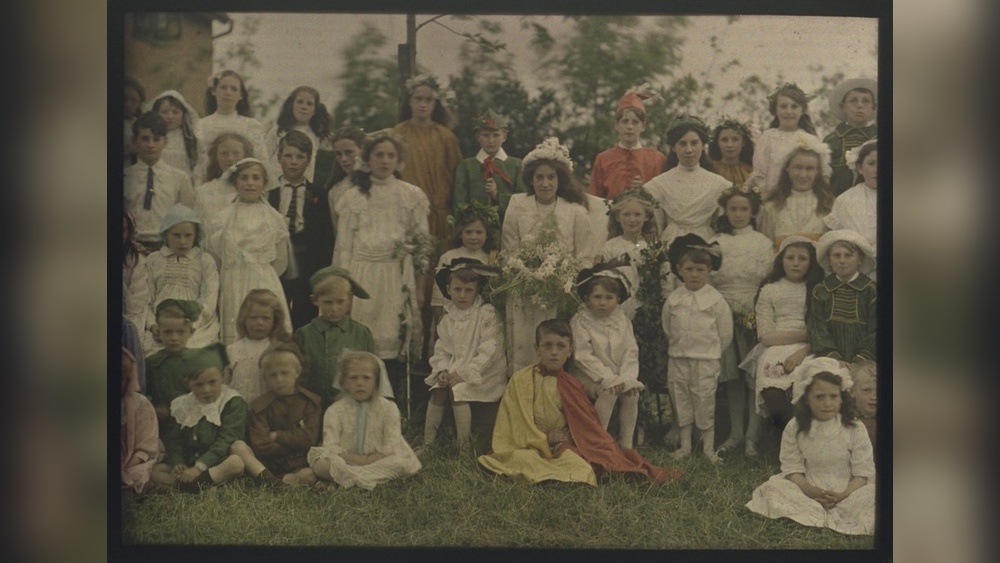
In 1907, the Lumière brothers introduced the Autochrome plate. It was the first widely used color photography process. Autochrome used dyed grains of starch to filter colors on the photo plate. This method produced soft, natural colors. It made color photography more accessible to the public.
George Eastman And Color Film
George Eastman developed the first practical color film in the 1930s. His invention, Kodachrome, improved color quality and ease of use. Kodachrome film became popular for both professionals and amateurs. It marked a major step in color photography’s spread worldwide.
Early Color Film Technology
The invention of color photography started with early film technologies. These early methods laid the foundation for modern color photos. Inventors experimented with ways to capture colors accurately on film. They faced many challenges with color reproduction and film sensitivity.
Early color films used layers sensitive to different colors of light. These layers worked together to create a color image. The process was complex and often expensive. Despite its complexity, it marked a major step forward in photography.
Three-color Separation Process
This process was one of the first color film methods. It captured three separate black-and-white images through red, green, and blue filters. These images were then combined to make a full-color picture. This method was slow and required precise alignment. It was mainly used in experimental photography and films.
Kodachrome Film
Kodachrome, introduced in the 1930s, was a breakthrough color film. It used multiple layers of emulsion to record colors directly. Kodachrome produced vibrant and long-lasting color images. It quickly became popular for both professional and amateur photographers. Its complex processing required specialized labs for development.
Autochrome Plates
Autochrome was the first widely used color photography process. Patented in 1903, it used dyed grains of starch to filter colors. This method produced soft, natural color images. Autochrome plates were slow, requiring long exposure times. They were popular before color film became more practical.
Challenges In Early Color Photography
Early color photography faced many challenges that slowed its growth. Photographers struggled with complex technology and high costs. These issues made color photos rare and hard to produce. Understanding these challenges helps explain why black and white images dominated for so long.
Technical Limitations
Early color photography required special cameras and films. These tools were often bulky and difficult to use. Color films needed precise exposure to capture accurate colors. Many photos ended up with strange hues or faded colors. Indoor photography was especially tricky due to poor lighting. Flashbulbs helped but added complexity and discomfort. Developing color photos was also slow and error-prone. This made it hard for photographers to get good results consistently.
Cost And Accessibility
Color film and processing were very expensive in the early days. Only professional photographers or wealthy hobbyists could afford it. Most people used black and white film because it was cheap and easy to find. Color prints cost more to produce and buy, limiting their popularity. Cameras for color photography were often costly and less available. Many amateurs stuck to simple black and white cameras like the Kodak Brownie. This kept color photography out of reach for most families and casual users.
Color Photography During Wartime
Color photography during wartime faced unique challenges and opportunities. The need to document events vividly pushed governments and photographers to explore color film. War zones demanded clear, realistic images for both intelligence and public information. Capturing scenes in color helped convey the true impact of conflict. Yet, wartime conditions made producing and distributing color photos difficult.
Government Projects
Governments funded special projects to develop color photography. Military agencies wanted better visuals for planning and analysis. Color film was tested for aerial reconnaissance and battlefield documentation. These projects aimed to improve image clarity and color accuracy. Scientists and photographers worked together on new film types. The results helped advance color photography technology during the war.
Film Scarcity
Color film was rare and expensive during wartime. Factories prioritized black-and-white film for mass use. Supply chains were disrupted by war, limiting materials for color film. Photographers had to use color film sparingly and carefully. Many images from this time were taken in black and white. The scarcity slowed the widespread use of color photography despite its advantages.
Rise Of Commercial Color Use
The rise of commercial color use marked a major step in photography’s history. Color photos became more than just a novelty. They started to shape how people saw the world through images. Businesses and artists began to use color to attract attention and express ideas. This change helped color photography grow from a rare luxury into a common tool.
Early Challenges In Commercial Color Photography
At first, color photography faced many problems. Early color film was costly and hard to produce. The colors often looked faded or unnatural. Indoor photos needed bright flashbulbs, which limited use. Printing color photos was expensive compared to black and white. These issues kept color photos from becoming popular quickly.
The Turning Point For Color Photography
Technology improved and costs started to drop. Companies like Kodak made color film easier to buy and use. The introduction of Kodachrome film in the 1930s was important. It offered richer colors and better durability. This innovation helped color photos become more reliable and attractive for commercial use.
Color Photography In Advertising And Fashion
Businesses saw color as a way to stand out. Advertisers used color photos to catch customers’ eyes. Fashion magazines began to feature vivid color images. Color brought clothes, products, and lifestyles to life. This commercial demand pushed color photography into the spotlight.
Artists Embrace Color Photography
Some photographers saw color as a new art form. Saul Leiter and others used color to create mood and emotion. They showed color could be as powerful as black and white photos. This helped change opinions about color photography in the art world.
Color Photography Becomes Accessible To The Public
Affordable cameras and film made color photos possible for many. Kodak’s Brownie camera was popular with amateur photographers. Though black and white remained common, more people tried color photography. This wider access helped color photography grow in daily life.
Artistic Adoption Of Color
Color photography opened new doors for artists and photographers. It allowed them to capture the world in a way black and white could not. Colors added emotion, depth, and realism to images.
At first, color photos were rare and expensive. Many artists preferred black and white for its simplicity and contrast. Over time, color became more reliable and affordable, drawing more artists to try it.
Early Artistic Experiments With Color
Some photographers began using color film to explore new creative ideas. They wanted to show how colors could tell stories or set moods. These early experiments helped push color photography beyond simple snapshots.
Challenges Faced By Artists
Color film was costly and difficult to work with. Indoor lighting often caused color shifts or poor quality. Many artists stayed with black and white due to these technical limits.
Color Photography Gains Respect
Famous photographers started using color seriously. Their work showed that color could be an artistic choice, not just a commercial tool. This shift helped raise color photography’s status in the art world.
Color Photography In Commercial Art
Advertisers and fashion photographers embraced color early on. They used it to attract attention and highlight products. This commercial use helped improve color film technology and availability.
Everyday Use And Wider Acceptance
As color film became cheaper, more people used it for personal photos. Artists gained access to color materials. This helped spread color photography as a popular art form.
Credit: www.peerspace.com
Mass Market Color Cameras
Mass market color cameras brought color photography to everyday people. Before these cameras, color photos were mainly for professionals and artists. Early color film was costly and hard to use. The cameras themselves were expensive and not easy to find.
The launch of affordable color cameras changed this. Ordinary people could now capture their memories in color. This shift helped color photography grow fast in popularity. It made color photos a common part of daily life.
Early Color Cameras For Consumers
In the 1950s, companies started making color cameras for the public. Kodak introduced the Kodak Instamatic, a simple, easy-to-use camera. It used color film that developed quickly. This camera made color photos affordable and accessible.
Other brands followed with similar models. These cameras helped families capture events in color. They did not need special skills or equipment. This ease of use was key to their success.
Affordable Color Film
Color film costs dropped significantly in the mid-20th century. Kodak’s Kodachrome and later Ektachrome films became popular. These films produced vibrant colors and lasted long. Their availability at lower prices encouraged more people to try color photography.
Stores began to offer quick film development services. This convenience made color photo-taking more practical. People no longer needed to wait weeks for their pictures.
Impact On Everyday Life
Mass market color cameras changed how people preserved memories. Photos of birthdays, holidays, and trips became colorful and vivid. This made photo albums more lively and engaging.
Color photography also influenced culture and media. Magazines and advertisements used color images to attract attention. This helped boost the demand for color cameras and film even more.
Color Photography’s Mainstream Growth
Color photography began as a rare and costly process. Early color photos required special equipment and long exposure times. These factors kept color images from wide use.
By the mid-20th century, advances in film technology changed this. Color film became easier to use and more affordable. This shift helped color photography move into the mainstream.
Early Challenges To Color Photography
At first, color film was expensive and tricky to handle. Indoor photos often needed bright flashbulbs. The colors sometimes looked faded or unnatural. Black-and-white film stayed popular because it was cheaper and simpler.
The Turning Point In Color Film
In the 1930s and 1940s, companies improved color film quality. Kodak introduced Kodachrome, a color film that showed vivid and lasting images. This made color photography more appealing to professionals.
Widespread Availability And Affordability
After World War II, color film became more affordable for everyday users. Cameras like the Kodak Brownie offered simple color photography options. Families started capturing memories in color instead of black and white.
Color Photography In Art And Commerce
Some photographers began using color to express artistic ideas. They challenged the belief that black and white was the only serious style. Advertisers and fashion industries also embraced color photos to attract attention.
Legacy And Impact Of Color Photos
Color photos were first invented in the early 1900s, changing how we see the world. Early color photography faced high costs and technical challenges but slowly grew popular over time. Its impact remains strong in art, media, and everyday memories today.
Color photography changed how people see the world. It brought images to life with vibrant hues. This invention made photos more realistic and emotional. People could connect better with pictures that showed true colors.
Color photos helped preserve memories more vividly. Families could see the exact shades of clothes, nature, and celebrations. This made photo albums more meaningful and engaging for generations.
Transformation In Art And Media
Color photography opened new paths for artists and creators. Photographers used color to express mood and atmosphere. It allowed for richer storytelling in magazines and films. The shift to color in media captured more attention from audiences worldwide.
Advertising grew stronger with color images. Products appeared more attractive and real. This boosted sales and changed marketing strategies forever.
Impact On Science And Education
Color photos improved learning and research. Scientists could show natural colors in plants, animals, and minerals. This made studies easier to understand and share. In classrooms, color images helped students grasp complex ideas faster.
Wider Accessibility And Everyday Use
Over time, color photography became cheaper and more common. Cameras and film were easier to use and buy. This allowed more people to capture special moments in color. Everyday life, holidays, and events gained a new, colorful dimension.
Social and cultural history became richer through color photos. They offer a true glimpse into past times. This visual record helps people learn about history with clarity and detail.
:max_bytes(150000):strip_icc()/1960s-couple-man-woman-men----563966211-5a63b2c4482c520037cbc1ef.jpg)
Credit: www.thoughtco.com
Frequently Asked Questions
When Did Color Pictures Become Common?
Color pictures became common in the 1950s when affordable color film and improved processing made them accessible to the public. Early color photography faced high costs and technical challenges but grew popular in advertising and personal use by mid-20th century.
Did The 1950s Have Color Photos?
Yes, the 1950s had color photos, but color film was costly and less common than black and white. Professional and commercial use dominated then.
Why Did Photographers Not Use Color Before 1970?
Photographers avoided color before 1970 due to high costs, limited film availability, and poor indoor lighting results. Black-and-white was cheaper and more reliable. Color film required special skills and equipment, making it less accessible for everyday use and artistic photography.
Did Color Photos Exist In 1940?
Yes, color photos existed in 1940 but were rare and expensive. They mainly served commercial and government purposes. Early color film had quality issues and limited accessibility for everyday use. Black-and-white photography remained more common during that time.
When Was Color Photography First Invented?
Color photography was first invented in the early 1860s by James Clerk Maxwell.
Who Took The First Color Photograph?
Thomas Sutton took the first color photograph in 1861 using Maxwell’s method.
What Technology Made Color Photos Possible?
The three-color method, using red, green, and blue filters, made color photos possible.
When Did Color Photography Become Widely Available?
Color photography became widely available to the public in the 1930s.
Why Was Early Color Photography Not Popular?
Early color photography was costly and needed special lighting for good results.
When Did Color Photos Become Common In Homes?
Color photos became common in homes during the 1950s and 1960s.
Conclusion
Color photography began in the early 1900s with limited success. Early methods were costly and complex, slowing widespread use. Over time, advances made color photos more affordable and common. By mid-20th century, color photography became popular for both professionals and hobbyists.
Today, color images are everywhere, capturing life vividly and realistically. Understanding this history shows how technology evolved slowly but surely. Color photos changed how we see and share the world around us.