Have you ever wondered how to make the perfect shade of purple? Whether you’re painting, crafting, or just curious about colors, knowing how to create purple can unlock a world of creative possibilities.
It’s more than just mixing red and blue—you’ll discover how the shades you choose change your purple from vibrant to muted, light to deep. You’ll learn simple, step-by-step tips to mix your own purple, avoid common mistakes, and tailor your color exactly how you want it.
Ready to bring your purple to life? Let’s dive in and make your color creativity shine!
Basic Purple Mixing
Making purple is simple by mixing two basic colors. Red and blue combine to form purple. The shades of red and blue change the purple’s look. Cool reds and blues give bright purples. Warm reds and blues make dull purples. Adding white makes the purple lighter. Adding black makes it darker and richer.
Understanding these basics helps you create many purple shades. Experiment with different reds and blues to find your favorite purple.
Mixing Red And Blue
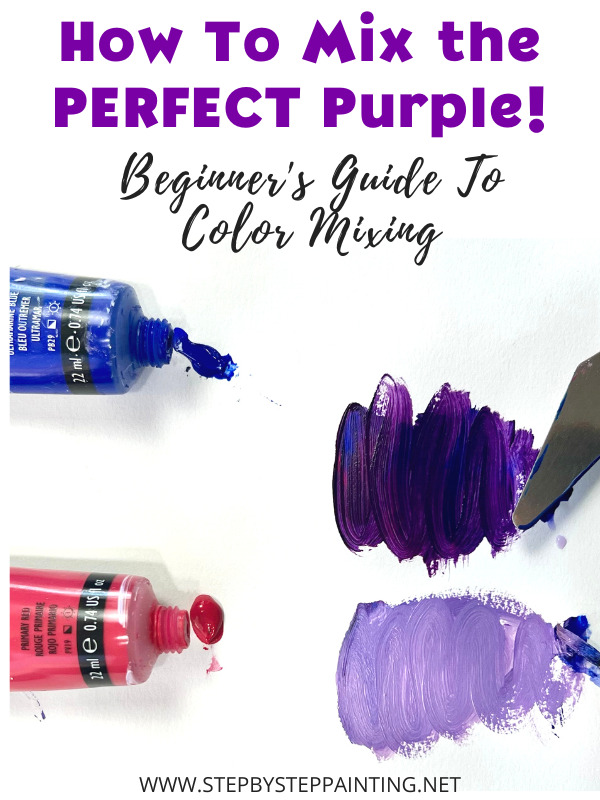
Start with equal parts red and blue paint. Stir them well to see the true purple color. Use cool shades like Ultramarine blue and Alizarin Crimson red. These colors produce a clear and vibrant purple. Adjust the amounts to make the purple warmer or cooler.
Adjusting Purple Shades
Add white paint to make the purple lighter. This creates soft colors like lavender. To darken purple, add a small amount of black paint. Be careful; black can quickly overpower the color. Try mixing tiny bits of black for deep purples like plum or indigo.
Tips For Better Purple
Use high-quality paints for richer colors. Mix colors on a palette for better control. Test your purple on paper or canvas before painting. Keep your mixing tools clean to avoid muddy colors. Practice often to improve your color mixing skills.
Credit: stepbysteppainting.net
Choosing Red And Blue Shades
Making purple starts with selecting the right red and blue shades. The type of red and blue you pick changes the purple’s look. Some reds and blues make bright purples, while others create dull or dark tones.
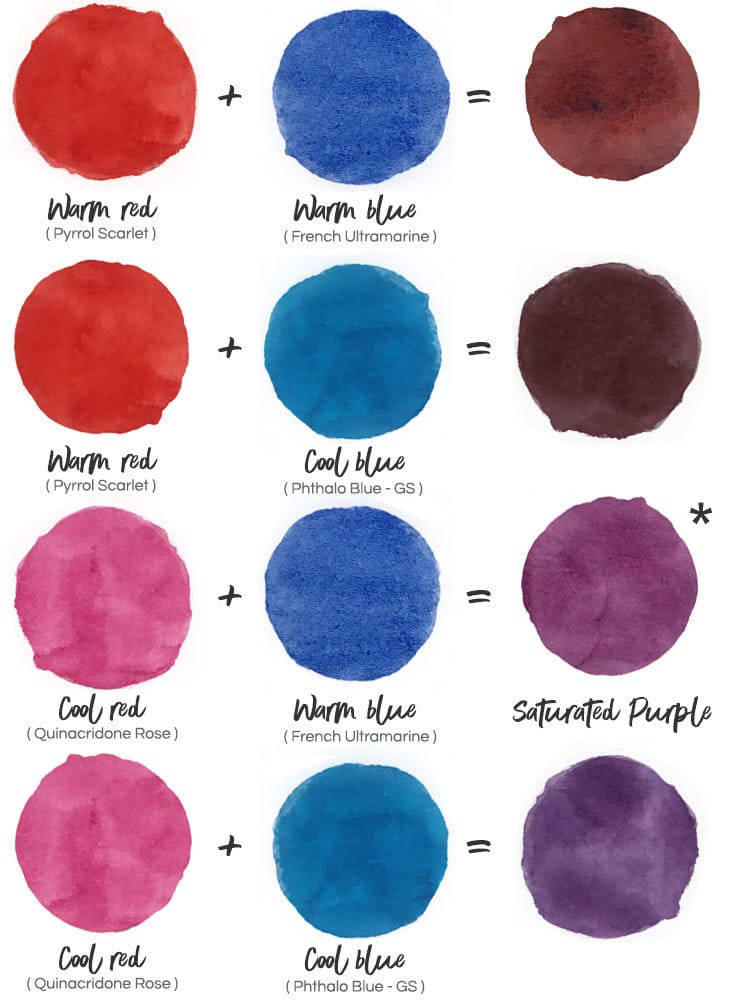
Using cool reds and blues often gives a clear, vivid purple. Warm reds and blues can blend into browns or muddy colors. Knowing the difference helps to mix the purple you want.
Using Cool Red And Blue
Cool reds have blue hints, like crimson or magenta. Cool blues include shades like ultramarine or cobalt. Mixing these creates a sharp, deep purple. This purple looks fresh and bright, perfect for art projects.
Using Warm Red And Blue
Warm reds, such as cadmium red or vermilion, have orange tones. Warm blues like cerulean carry greenish hints. Combining these often results in a muted, less vibrant purple. This purple may look earthy or soft.
Balancing Shades For Desired Purple
Start with equal parts red and blue. Adjust by adding more red for a reddish purple or more blue for a blueish tone. Test small amounts before mixing large quantities. This helps achieve the exact shade you want.
Creating Vibrant Purple
Creating vibrant purple starts with the right color choices. Purple is a mix of red and blue. The shades of red and blue change the purple’s brightness and tone.
Bright purple needs cool colors. Warm colors can make purple look dull or muddy. Experiment with different reds and blues to find the best match.
Choosing The Right Red And Blue
Pick a cool red like Alizarin Crimson. It has a blue base that pairs well with cool blue. For blue, Ultramarine is perfect. It has a slight red hint. This mix makes purple lively and bright.
Mixing Techniques For Vibrant Purple
Start with equal parts of red and blue. Mix slowly to see the purple shade. Add more red for a warmer purple. Add more blue for a cooler purple. Use a palette knife for even mixing.
Adjusting Purple With White Or Black
Add white to make a soft lavender. This lightens the purple without losing vibrancy. Add a small amount of black for deep purple shades like plum or indigo. Use black carefully to avoid dulling the color.
Adjusting Warm And Cool Tones
Adjusting warm and cool tones is key to creating the perfect purple color. Purple comes from mixing red and blue, but the shades of these colors change the final look. Warm tones add softness and earthiness. Cool tones bring brightness and vibrancy. Knowing how to balance these tones helps you make purple that suits your needs.
Understanding Warm Red And Blue
Warm reds have orange or yellow undertones. Examples include cadmium red and vermilion. Warm blues lean towards green or teal, like phthalo blue. Mixing warm red with warm blue often creates muted purples. These purples look earthy and less bright.
Using Cool Red And Blue For Vibrant Purple
Cool reds carry blue undertones, such as alizarin crimson. Cool blues have violet or true blue shades, like ultramarine blue. Combining cool red and cool blue creates vivid, bright purple. This purple looks fresh and lively, perfect for bold art or design.
Balancing Warm And Cool Tones
Mixing warm red with cool blue or cool red with warm blue gives unique purples. These purples fall between muted and bright. They can look soft yet colorful. Experimenting with different warm and cool mixes helps find the right purple for your project.
Lightening Purple Shades
Lightening purple shades is a simple way to create soft, pastel tones. These lighter purples add variety and delicacy to your color palette. By adjusting the amount of white added, you control the lightness of your purple mix.
Light purple shades work well for backgrounds, floral designs, and gentle accents. Knowing how to lighten purple helps in art, design, and crafts.
Adding White To Purple
Add white paint slowly to your purple mix. Stir well after each addition. This will lighten the purple without changing its hue.
Use small amounts of white at first. This prevents the purple from becoming too pale too quickly. Keep mixing until you reach the desired lightness.
Using Light Colors To Soften Purple
Mix purple with light colors like pink or light blue. This softens the shade and adds subtle color variation.
Try blending purple with a small amount of pink for a warm, light lavender. Use light blue to create cool, soft violet shades.
Choosing The Right Base Purple
Start with a medium or dark purple to get better lightened shades. Very dark purples may need more white to lighten well.
Test different purples to find which lightens best. Some purples become dull when lightened, so pick vibrant base colors.
Darkening Purple Shades
Darkening purple shades gives depth and richness to your color palette. It transforms bright purple into elegant, deeper tones. These darker purples can add mood and drama to your artwork or design.
Dark purple shades like indigo and plum create a strong visual impact. To achieve these colors, you need to adjust your purple mix carefully. The process is simple and allows for many creative variations.
Use Black To Deepen Purple
Adding a small amount of black paint darkens purple quickly. Be cautious; a little black goes a long way. Mixing too much can make the color muddy or dull. Start with tiny amounts and blend thoroughly until you get the desired shade.
Mix Dark Blue With Purple
Dark blue paints such as navy or ultramarine work well to darken purple. They keep the color vibrant while adding depth. This method preserves the purple’s brightness better than black alone. Try mixing purple with dark blue in small steps.
Add A Touch Of Red For Warm Dark Purples
To create warm dark purples, add a little dark red to your purple mix. This enhances richness and warmth. Use colors like burnt sienna or deep crimson. Mix slowly to avoid overpowering the purple with too much red.
Avoiding Muddy Colors
Creating a rich purple color can be tricky. Mixing red and blue sometimes produces dull or muddy shades. Avoiding muddy colors is key to getting a clear, vibrant purple. Muddy purple usually happens when colors mix in the wrong way.
Understanding color temperature and paint quality helps keep purple bright. Keep your colors pure and balanced to avoid dull results. Small changes in mixing can make a big difference in color clarity.
Use Clean, High-quality Paints
Cheap or old paints often contain impurities. These impurities cause colors to dull or turn muddy. Always select fresh, high-quality red and blue paints. Clean paints give clearer, brighter purple tones.
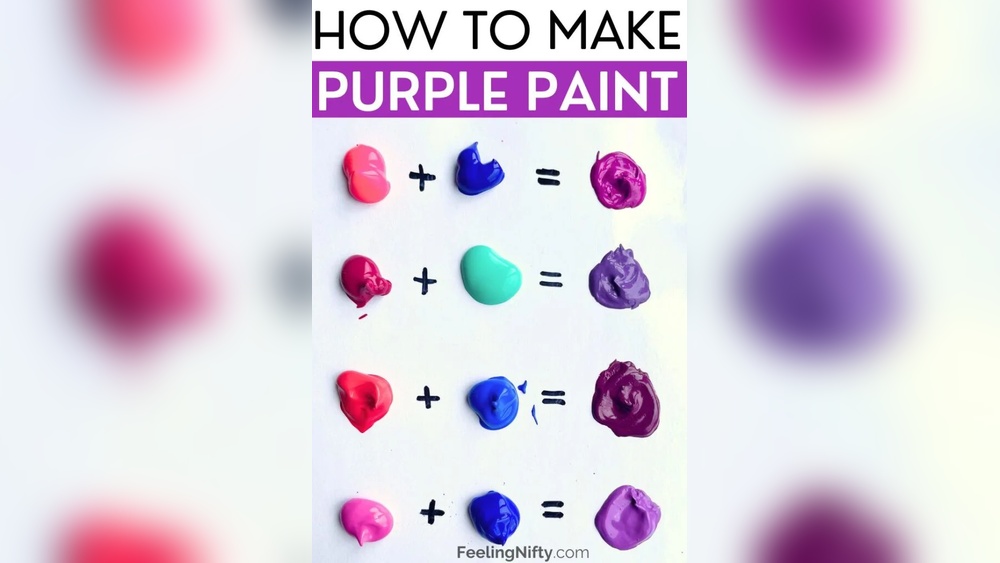
Choose The Right Shades Of Red And Blue
Warm reds and warm blues tend to create muddy purples. Cool reds and cool blues mix into vibrant purples. For example, Alizarin Crimson (cool red) and Ultramarine Blue (cool blue) work well. Test your paints before mixing to see their true temperature.
Mix In Small Amounts And Test Often
Mix a little paint at a time. Too much of one color can overpower the mix. Test your purple on a white surface to check its brightness. Adjust by adding more blue or red carefully to maintain balance.
Avoid Adding Too Many Colors
Adding extra colors like black or green can dull purple quickly. Stick to just red and blue for the purest purple. If shading is needed, use white to lighten without making it muddy.

Credit: feelingnifty.com
Mixing Purple With Different Paint Types
Mixing purple with different paint types can change the final color and texture. Each paint type reacts uniquely when combined. Knowing how to mix purple with various paints helps you get the shade you want. This section explains how to work with acrylic, watercolor, and oil paints to create purple.
Acrylic Paints
Acrylic paints dry fast and have a smooth finish. To make purple, mix red and blue acrylic paints directly on your palette. Use equal parts for a balanced purple. Adjust the shade by adding more red or blue. Adding white acrylic paint lightens the purple. Adding black darkens it. Acrylic purple is bright and works well on many surfaces.
Watercolor Paints
Watercolors are transparent and blend softly. Start with clean water on your brush. Mix red and blue watercolor paints on a wet palette. The water helps the colors flow and mix smoothly. Use less paint for a light purple or more paint for a stronger color. Watercolor purple can look delicate and is ideal for layering effects.
Oil Paints
Oil paints dry slowly and have a rich texture. Mix red and blue oil paints on a palette with a palette knife. Blend thoroughly for a smooth purple. Oil paints allow time to adjust the color while wet. Adding white oil paint makes the purple lighter. Adding black oil paint makes it deeper. Oil purple has a vibrant, glossy finish.
Common Purple Variations
Purple has many beautiful variations. Each shade brings a unique feel and look. Understanding these common purple types helps in mixing the perfect color for your project.
Different mixes of red and blue create diverse purple tones. Adding white or black also changes the shade. Here are some popular purple variations you can try.
Lavender
Lavender is a soft, light purple. It forms by adding white to purple. This shade feels calm and gentle. Use it for delicate or peaceful designs.
Violet
Violet is a bright, rich purple. It comes from mixing equal parts of red and blue. This color looks vivid and strong. It suits bold and lively artwork.
Indigo
Indigo is a dark purple with a hint of blue. Add a little black or more blue to purple to get indigo. This shade is deep and mysterious. It works well for dramatic effects.
Plum
Plum has a warm, reddish-purple tone. Mix purple with a bit of red or brown. It feels cozy and rich. Plum fits autumn themes or elegant styles.
Tips For Consistent Purple Mixing
Mixing purple consistently requires attention to detail and simple techniques. Small changes in the amounts or shades of red and blue can change the result. These tips help keep your purple colors vibrant and true every time. Follow them to avoid muddy or dull shades.
Use The Right Shades Of Red And Blue
Choose a cool red like alizarin crimson and a cool blue like ultramarine. These shades blend well to create a bright purple. Warm reds or blues often make the purple look dull or brownish.
Measure Your Paints Carefully
Use equal parts of red and blue paint for a balanced purple. Adjust slowly by adding small amounts if you want a warmer or cooler tone. Measuring helps avoid unpredictable colors.
Mix On A Palette Before Applying
Blend your paints on a palette first. Mixing here shows you the true color before painting. Stir thoroughly to make a smooth, even purple color without streaks.
Control The Lightness With White Paint
Add white paint to lighten your purple and create lavender shades. Add white in small amounts to keep the color soft and not washed out. This helps achieve consistent pastel purples.
Darken Purple With Careful Use Of Black
Use black paint sparingly to darken purple. Too much black can make the color dull or muddy. Try dark blue or deep red for richer, deeper purples instead.
Keep Your Mixing Tools Clean
Clean brushes and palettes before mixing new colors. Leftover paints can change your purple color unexpectedly. Clean tools keep your mixes pure and consistent.
Credit: www.watercoloraffair.com
Frequently Asked Questions
What Color Mix Makes Purple?
Mix red and blue to make purple. Use cool red and blue for vibrant purple. Add white for lighter shades and black for darker tones.
Do Yellow And Red Make Purple?
No, yellow and red make orange, not purple. Purple forms by mixing red and blue colors.
Do Black And Red Make Purple?
Black and red do not make purple. Purple forms by mixing red and blue colors. Adding black darkens purple shades.
What Is The Combination Of Purple?
Purple is made by mixing red and blue. Adjust red or blue amounts to create warmer or cooler purples. Adding white lightens it; black darkens it.
What Two Colors Make Purple?
Purple is made by mixing red and blue colors together.
How Can I Make Light Purple Or Lavender?
Add white paint to purple to create a lighter shade like lavender.
What Makes Purple Look More Vibrant?
Use cool red and cool blue shades to get a bright, vibrant purple.
How Do I Make Dark Purple Or Plum Color?
Mix purple with a small amount of black to get darker shades.
Can I Make Purple Using Other Colors?
Purple is mainly made from red and blue; other mixes won’t create true purple.
Why Does My Purple Look Muddy?
Using warm reds with warm blues often causes a dull or muddy purple color.
Conclusion
Creating purple is simple by mixing red and blue colors. Choose cool reds and blues for bright purple shades. Adding white makes soft lavender tones, while black deepens purple hues. Adjust red or blue amounts to shift warmth or coolness.
Remember, color choices affect the final shade a lot. Experiment with small amounts to find your perfect purple. Enjoy making your unique purple every time you mix!