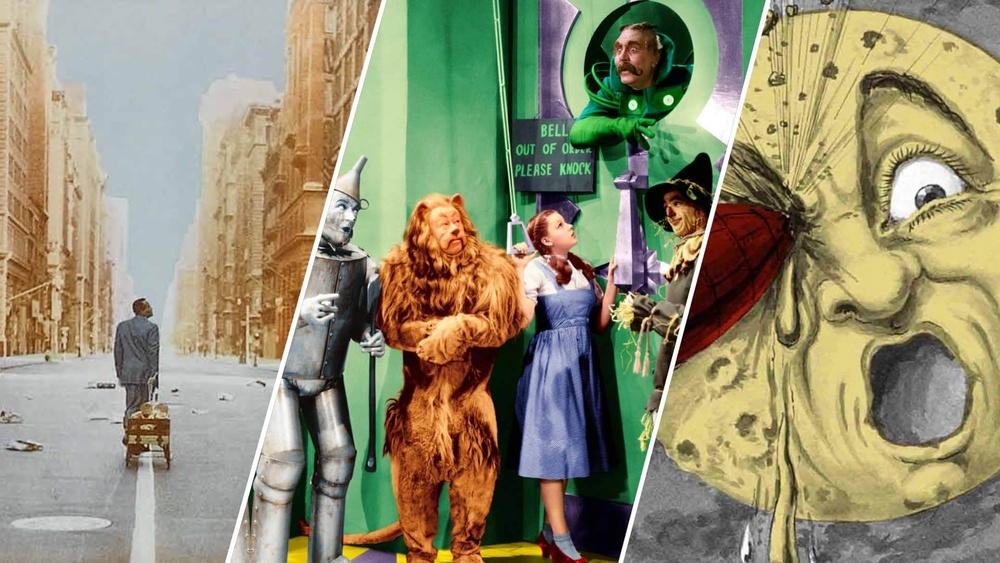
Have you ever wondered when movies first burst into color and changed the way we experience stories on screen? Understanding when color movies came out isn’t just about dates—it’s about how filmmakers transformed your viewing experience forever.
From early experiments with color to the dazzling Technicolor process, this evolution shaped the films you love today. If you’re curious about the real story behind color movies and how they eventually took over the big screen, keep reading. You’ll discover surprising facts that will change how you see classic films and appreciate modern cinema.
Credit: en.wikipedia.org
Early Experiments In Color
Before color movies became common, filmmakers tested many ways to add color to films. These early experiments started in the late 19th and early 20th centuries. Inventors and artists worked to bring moving images to life with color. Their efforts laid the groundwork for modern color films.
Color was often added by hand-painting or tinting each frame. This process was slow and expensive. New technology aimed to capture natural colors directly on film. These attempts showed the public the potential of color movies.
Kinemacolor: The First Successful Color Process
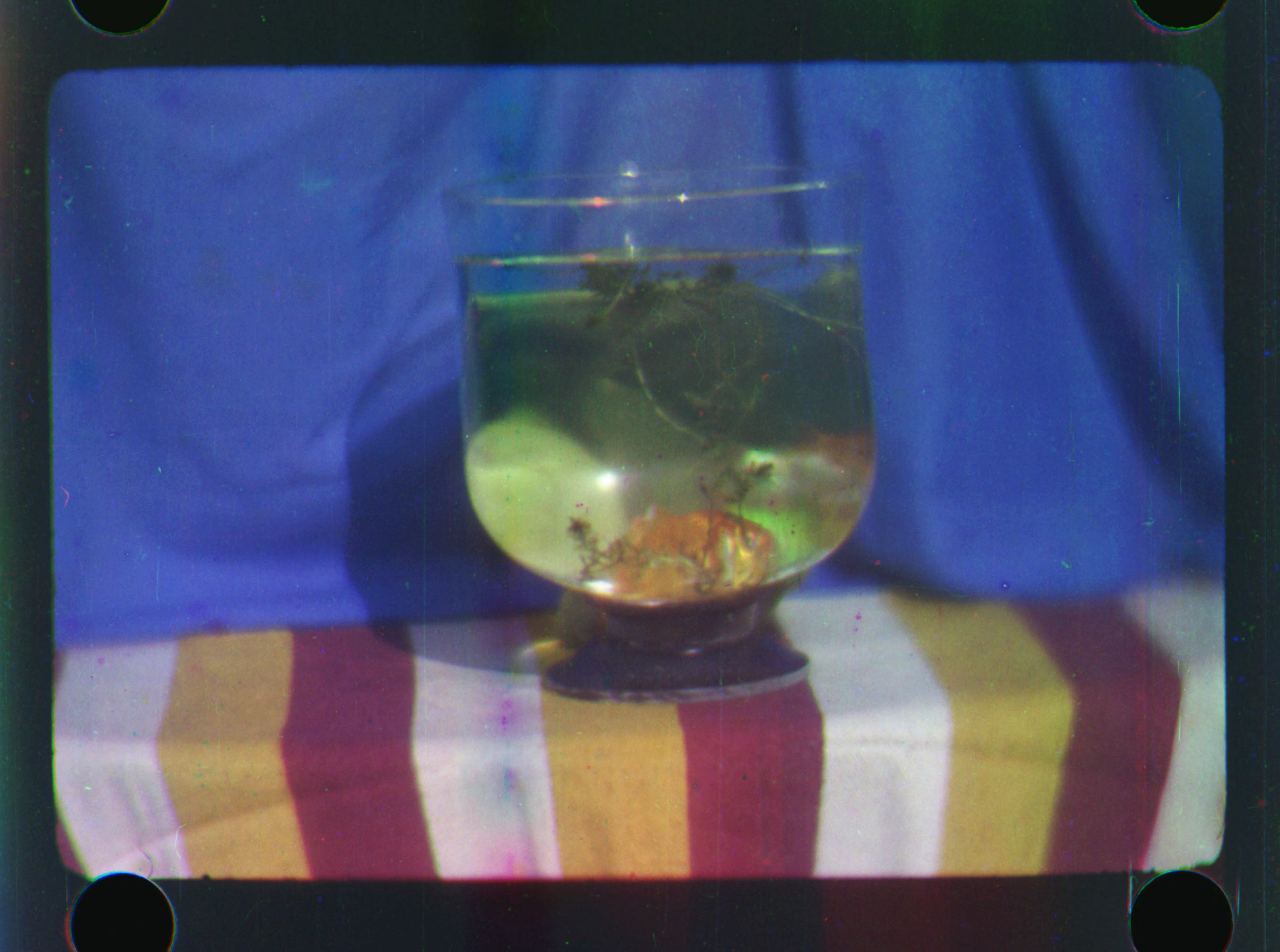
Kinemacolor was one of the first color systems used in movies. It appeared around 1908 and used two colors: red and green. This method captured color by filming two black-and-white images through colored filters. When projected, the two images combined to create a color effect.
Kinemacolor was popular for a short time. It showed audiences how color could add emotion and realism. Though limited in color range, it marked a big step forward.
Early Technicolor Experiments
Technicolor started in the 1910s with a two-color process. It aimed to improve on Kinemacolor by adding blue tones. Early Technicolor films had more vibrant colors but still used only two colors. These films were often used for short scenes or special effects.
The company kept improving the technology. By the 1930s, Technicolor developed a three-strip process. This captured red, green, and blue separately for true full-color images. This innovation made color films brighter and more natural.
Hand-painted And Tinted Films
Before color film technology, filmmakers painted colors directly onto black-and-white film. This was done frame by frame with brushes or stencils. Tinting was another method, where whole scenes were dyed a single color.
These techniques added mood and style. For example, blue tints could show night scenes. Red tints could suggest danger or fire. Though simple, these methods helped audiences imagine color in movies.
Credit: www.studiobinder.com
Kinemacolor Breakthrough
The Kinemacolor breakthrough marked a major step in color filmmaking history. It was the first successful color motion picture system. Introduced in the early 1900s, Kinemacolor brought moving images to life with color for the first time.
Developed by George Albert Smith and Charles Urban, Kinemacolor used a two-color process. This system captured red and green colors separately. When projected, it created the illusion of natural color on screen.
Kinemacolor debuted publicly in 1908. It quickly gained attention for its vibrant and realistic images. This innovation inspired filmmakers to explore color technology further.
Kinemacolor’s Two-color Process Explained
The system worked by filming scenes twice, each with different color filters. One filter captured red tones, the other green. Projectors combined these frames to display a full-color picture.
This method was simpler than later color systems but had limits. It could not capture blue hues accurately. Still, it produced more lifelike images than black and white films.
Early Films Shot In Kinemacolor
Many short films and documentaries used Kinemacolor. One famous example is “The World, the Flesh and the Devil” from 1914. It was among the first commercial color films shown to wide audiences.
These early color films fascinated viewers. They gave audiences a new way to experience stories and events visually.
Challenges And Decline Of Kinemacolor
Kinemacolor faced technical and financial challenges. Its two-color system could not fully reproduce natural colors. The equipment was costly and complex to operate.
By the late 1910s, better color processes emerged. These new systems offered improved color range and ease of use. Kinemacolor eventually faded as more advanced methods took over.
Two-color Technicolor Era
Color movies first appeared in the 1910s using the Two-Color Technicolor process. This early method showed limited colors, mainly red and green. Full color films became common later with improved technology.
Introduction To The Two-color Technicolor Era
The Two-Color Technicolor Era marked a key step in color film history. It began in the early 1920s and lasted until the early 1930s. This process used only two colors, red and green, to create a limited color palette.
Though not fully natural, these colors brought new life to movies. It was a big improvement over black and white films. Audiences found the colors exciting and engaging.
How The Two-color Technicolor Process Worked
The process captured red and green light on two separate film strips. These strips were then combined to form one color image. The technique could not reproduce blues or yellows well. This limitation gave films a unique, sometimes unnatural look.
Despite its limits, the method added warmth and depth to scenes. Filmmakers used it for musicals, comedies, and some dramas.
Notable Films Of The Two-color Technicolor Era
Several films showcased this color process with great success. “The Toll of the Sea” (1922) was among the first feature films to use it. “Wings” (1927), the first film to win an Academy Award for Best Picture, also featured two-color sequences.
These films demonstrated the potential of color to enhance storytelling.
Challenges And Limitations
Two-Color Technicolor had technical and artistic challenges. The limited color range often made images look unnatural. The equipment was bulky and costly. Many studios hesitated to adopt the process fully. This slowed the spread of color films during this era.
Legacy Of The Two-color Technicolor Era
The era laid the foundation for later color film advances. It showed that audiences enjoyed color in movies. The lessons learned helped develop the more advanced three-strip Technicolor process. This later process allowed full color reproduction and became the standard.
The Two-Color Technicolor Era remains a crucial chapter in cinema history.
Three-strip Technicolor Innovation
The Three-Strip Technicolor innovation marked a major step in color film history. It introduced vibrant and realistic colors to movies. This process captured red, green, and blue light separately. Then, it combined them into a full-color image. The result was richer and more stable colors than previous methods.
Before this, color films had limited shades and often looked unnatural. The Three-Strip process changed that by using three film strips at once. Each strip recorded a different color channel. These were then merged to produce a vivid and detailed picture. This technology helped color movies gain popularity in the 1930s and 1940s.
How Three-strip Technicolor Works
The camera used three separate strips of black-and-white film. Each strip recorded one primary color: red, green, or blue. Filters inside the camera split the light into these colors. After filming, the strips were dyed and combined. The final print showed bright, lifelike colors.
The Impact On Early Color Films
The first full-length feature using this technology was “Becky Sharp” in 1935. It amazed audiences with its color quality. Later, famous films like “The Wizard of Oz” and “Gone with the Wind” used Three-Strip Technicolor. These movies showcased the power of color storytelling.
Limitations Of Three-strip Technicolor
The process required special cameras and lighting. It was costly and complex to produce. Also, the cameras were large and heavy. This made shooting difficult, especially outdoors. Despite this, the stunning colors made the effort worthwhile for studios.
The Legacy Of Three-strip Technicolor
This innovation paved the way for modern color films. It set a high standard for color quality. Later technologies built upon its principles to simplify color filming. Today, digital methods provide color with ease, but Three-Strip Technicolor remains a milestone in cinema history.
The Wizard Of Oz And Its Impact
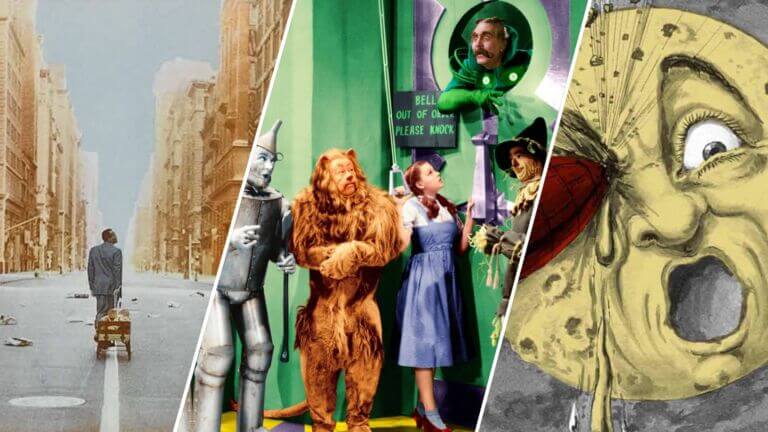
The Wizard of Oz, released in 1939, is a landmark in color film history.
The movie used the three-strip Technicolor process to create vibrant colors.
It showed audiences how powerful color could be in storytelling and emotion.
Many black-and-white films came before it, but The Wizard of Oz made color popular.
The Three-strip Technicolor Process
This process captured red, green, and blue on three separate film strips.
Combining these strips created bright and rich color images on screen.
The Wizard of Oz used this method to highlight the contrast between Kansas and Oz.
Not The First Color Movie
Color movies existed before The Wizard of Oz, but they were rare and limited.
Early films like The World, The Flesh, and the Devil used natural color techniques.
Still, The Wizard of Oz brought color to a wide audience in a major way.
Impact On The Film Industry
The success of The Wizard of Oz encouraged studios to invest in color films.
It helped shift the industry from black-and-white to color filmmaking.
Today, color is the standard, thanks in part to this film’s influence.
Eastmancolor And Widespread Adoption
Eastmancolor changed the way movies used color. It arrived in the early 1950s. This process made color film easier and cheaper to use than before.
Before Eastmancolor, color movies used complex methods like Technicolor. These methods were expensive and difficult to manage. Eastmancolor simplified the process by using a single-strip film. This innovation helped studios produce color films faster and with less cost.
The new process quickly gained popularity. Filmmakers found it easier to shoot in color without special cameras. The colors looked natural and vibrant. Audiences loved watching movies in full color.
How Eastmancolor Worked
Eastmancolor used a single film strip with layers that captured red, green, and blue light. This made filming simpler. Filmmakers no longer needed bulky cameras or complex equipment.
The film also allowed for easier editing and printing. This saved time and money during production. It made color films more accessible for many studios.
Impact On The Film Industry
Eastmancolor helped color movies become the new standard. More studios started producing color films by the late 1950s. Black and white films became less common, mostly used for artistic reasons.
The widespread adoption of Eastmancolor also influenced movie genres. Color helped enhance musicals, westerns, and epics. It gave filmmakers new ways to tell stories visually.
Color Movies In The 1960s And Beyond
By the 1960s, most movies were shot in color. Eastmancolor’s influence lasted for decades. Later technologies improved color quality, but Eastmancolor set the foundation.
Today, color is the norm in movies. Black and white is now a stylistic choice, not a limitation. The rise of Eastmancolor marked a key turning point in cinema history.
Color Films Surpass Black And White
Color movies changed the film industry forever. At first, color was rare and costly. Black and white films were the norm for decades. Slowly, color technology improved and became cheaper. This made color films more popular with audiences and studios.
By the 1950s, color films started to outsell black and white. Color brought stories to life with vivid and bright images. Viewers enjoyed the new visual experience. Filmmakers embraced color to show emotions and details better. The shift marked a new era in cinema history.
Early Color Film Experiments
Color in movies began as early as the 1900s. Early methods like hand-painting frames were time-consuming. Kinemacolor and two-color Technicolor brought some color to films. These early processes had limited color range and clarity. Still, they showed the potential of color in cinema.
Rise Of Three-strip Technicolor
The three-strip Technicolor process debuted in the 1930s. It used three separate color channels to create rich images. This process made color films more vibrant and realistic. Films like “The Wizard of Oz” used this technology. Audiences were amazed by the bright, colorful visuals.
Eastmancolor And Mass Adoption
Eastmancolor appeared in the 1950s and changed everything. It was cheaper and easier to use than Technicolor. Studios quickly adopted Eastmancolor for most of their films. Color films became the standard in Hollywood. Black and white movies became rare and special choices.
Color Films Dominate The Market
By the late 1960s, color films dominated theaters worldwide. Most movies were shot in color, pleasing large audiences. Black and white films became an artistic choice, not a necessity. Color movies continue to shape how stories are told today.
Decline Of Black And White Films
The decline of black and white films marked a major shift in the movie industry. Color films became more popular and accessible, changing how stories were told on screen. Audiences wanted more vivid and realistic images, making black and white films less appealing.
By the 1950s, the use of color in films increased rapidly. Advances in technology made color filming cheaper and easier. Filmmakers began to choose color to attract larger audiences. Black and white films started to be seen as old-fashioned and less exciting.
Despite this, some directors continued using black and white for artistic reasons. They used it to create mood, focus on characters, or highlight themes. Still, the majority of movies shifted to color, marking the decline of black and white films.
Early Resistance To Color Films
At first, many studios hesitated to switch to color. Color film was expensive and complex. Some filmmakers preferred the classic look of black and white. Audiences were also used to black and white movies. This slowed the early adoption of color films.
Technological Advances Speed Up The Shift
The invention of the three-strip Technicolor process changed the game. It produced bright, vibrant colors unlike before. Later, Eastmancolor made color filming simpler and cheaper. These advances helped color films become more common quickly.
Black And White Films As An Artistic Choice
Even after color became standard, some films stayed black and white. Directors used it to create a timeless or dramatic effect. Films like “Psycho” and “Schindler’s List” used black and white for impact. It became a tool, not a limitation.
Artistic Use Of Black And White Today
Black and white films remain a powerful artistic tool today. Despite color movies dominating the industry, many filmmakers choose black and white for its unique style and mood. It creates a timeless, classic look that color cannot replicate.
Using black and white can focus attention on shapes, contrasts, and textures. It removes distractions and highlights emotions and storytelling. This choice often adds depth to characters and scenes, making them more memorable.
Creating Mood And Atmosphere
Black and white film sets a specific mood. It can feel mysterious, dramatic, or nostalgic. Filmmakers use it to evoke strong emotions and create a sense of timelessness. This style can make a story feel more serious or artistic.
Highlighting Contrast And Light
Without color, light and shadow become more important. Black and white films emphasize contrast between dark and light areas. This technique adds visual interest and depth. It also helps direct the viewer’s eye to important details.
Paying Tribute To Classic Cinema
Some directors use black and white to honor old movies. It connects modern films to cinema history. This approach can bring nostalgia and respect for early filmmaking. It also shows appreciation for the art form’s roots.
Enhancing Storytelling Focus
Black and white films strip away color distractions. This simplification helps viewers focus on characters and plot. Dialogue and acting become clearer and more impactful. The story often feels more intimate and direct.
:max_bytes(150000):strip_icc()/TheWizardofOz-59e3ff310d327a0010ddedc5.jpg)
Credit: www.liveabout.com
Color Technology In Modern Cinema
Color technology has transformed modern cinema into a vivid, immersive experience. Early color films were rare and expensive, but today, color is standard in most movies. Filmmakers use advanced tools to capture and display a wide range of colors, creating lifelike images on screen.
Modern color technology enhances storytelling by setting moods and highlighting details. Directors and cinematographers choose specific color palettes to evoke emotions and guide viewers through the story. Digital tools allow precise control over every shade and tone.
Early Color Processes And Their Impact
The first color films used processes like Kinemacolor and two-color Technicolor. These methods had limited color ranges but marked important steps toward full color. The three-strip Technicolor process improved color quality and became famous in films like The Wizard of Oz.
Transition To Eastmancolor
Eastmancolor appeared in the 1950s and simplified color film production. It used a single strip of film to capture full color. This innovation lowered costs and increased color film use, helping color movies become the norm.
Digital Color Grading
Today, digital color grading is a key part of filmmaking. Editors adjust colors frame by frame to achieve the desired look. This process improves consistency and enhances the visual style of a movie.
High Dynamic Range (hdr) And Color Depth
HDR technology expands the range of colors and brightness on screen. It makes images more vibrant and realistic. Viewers see deeper blacks, brighter highlights, and richer colors, enhancing their viewing experience.
Future Trends In Color Technology
New technologies like LED lighting and advanced cameras push color quality further. Filmmakers experiment with virtual reality and augmented reality to create new color experiences. The future holds exciting possibilities for color in cinema.
Frequently Asked Questions
Was The Wizard Of Oz The First Color Movie?
No, The Wizard of Oz was not the first color movie. Early color films appeared decades before it, using various processes. The Wizard of Oz popularized the three-strip Technicolor process but followed earlier color films.
When Did Color Movies Become Common?
Color movies became common in the 1950s, after the widespread adoption of Eastmancolor technology. Studios favored color to attract audiences.
Were Movies In Color In 1953?
Yes, some movies in 1953 were in color, but black-and-white films remained common. Color films gained popularity gradually.
When Did Black And White Films End?
Black and white films mostly ended in the 1960s as color technology became affordable and popular. Black and white is now a stylistic choice.
When Did Color Movies First Appear?
Color movies first appeared in the early 1900s as short films using hand-coloring and early color processes.
What Was The First Full-length Color Movie?
The first full-length color movie was “The World, The Flesh, and the Devil” in 1914.
Was The Wizard Of Oz The First Color Film?
No, The Wizard of Oz (1939) was not the first color film but popularized three-strip Technicolor.
What Is The Three-strip Technicolor Process?
It is a color filming method using three film strips to capture red, green, and blue colors.
When Did Color Movies Become Common In Theaters?
Color movies became common in the 1950s after Eastmancolor made color filming cheaper and easier.
Why Did Black-and-white Films Last So Long?
Black-and-white films were cheaper and technically simpler before color technology improved and became affordable.
Conclusion
Color movies began appearing in the early 1900s with simple color processes. The three-strip Technicolor process improved color quality by the 1930s. The Wizard of Oz is famous but not the first color film. Color films became more common after World War II.
By the 1960s, most movies were made in color. Today, black and white is a special choice, not the norm. Color changed how stories come alive on screen. It made movies more vivid and engaging for viewers.