Are you curious about how to make the red color? You might think mixing colors can create red, but red is actually a primary color—you can’t make it by blending other colors together.
However, if you want to create different shades and tones of red, like a warm orange-red or a deep burgundy, that’s where mixing comes in. You’ll discover simple tips to adjust red’s hue, brightness, and warmth to get the perfect shade for your art, design, or project.
Keep reading, and you’ll soon master the secrets of making red your own.

Credit: smart.dhgate.com
Primary Nature Of Red
Red holds a unique place in the color world. It is a primary color, one of the three base colors that cannot be created by mixing other colors. This means you cannot make red by blending any two colors together. Red is pure and fundamental.
Understanding red’s primary nature helps in color mixing. While you cannot make red, you can alter it by combining it with other colors. This creates various shades and tones that expand the red spectrum.
What Is A Primary Color?
Primary colors are the building blocks of all other colors. Red, blue, and yellow form this group. You cannot make these colors by mixing other colors. Instead, they mix to create secondary and tertiary colors.
Why Red Cannot Be Mixed
Red’s primary status means it has no parent colors. It exists on its own in the color wheel. Mixing two colors will never result in true red. This is a key fact for artists and designers.
Creating Shades Of Red
Though red itself cannot be made, you can change its appearance. Adding yellow makes red warmer and more orange. Adding blue cools red, giving it a purple tone. White lightens red, while black darkens it.
Mixing Magenta And Yellow
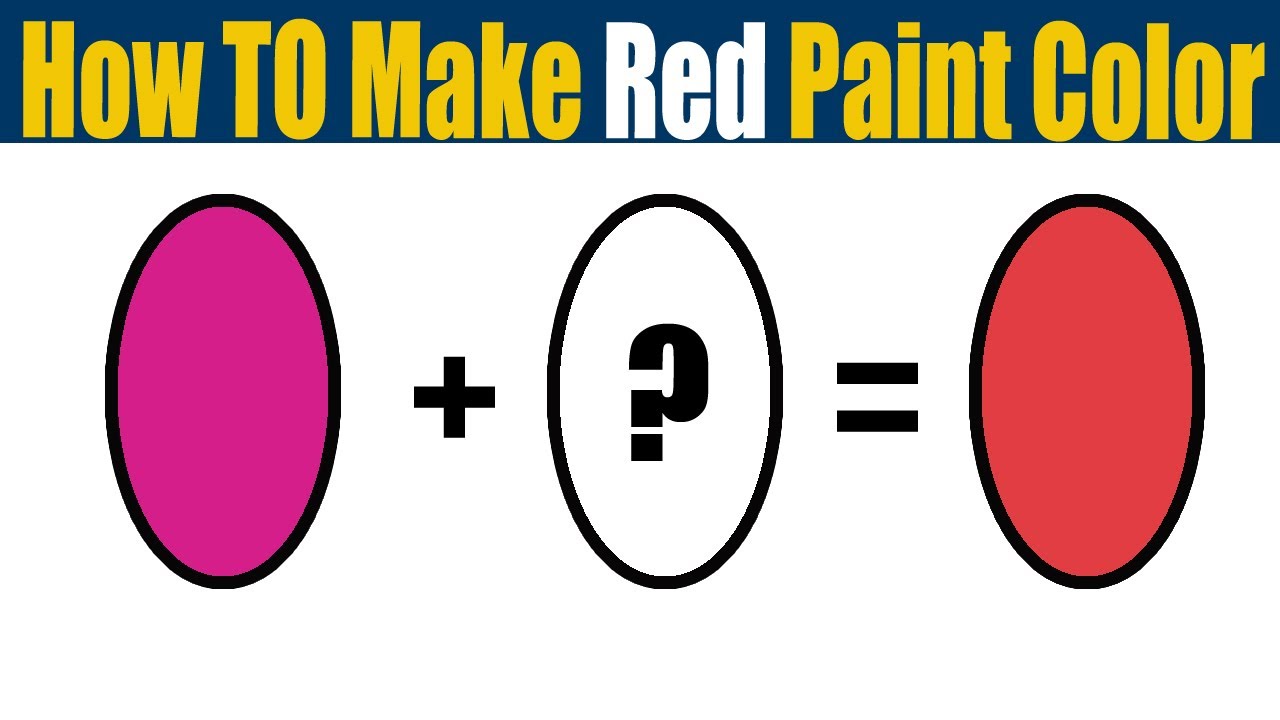
Mixing magenta and yellow creates colors in the red family. Magenta is a deep pinkish color. Yellow is bright and warm. Together, they blend to form red or red-like shades. This mix works well for artists and designers.
Understanding how much magenta and yellow to use is key. More magenta gives a cooler red. More yellow creates a warmer, orange-red tone. The balance changes the final shade.
What Is Magenta?
Magenta is one of the primary colors in printing. It sits between red and purple on the color wheel. Magenta has a strong red base with a hint of blue. It is not the same as pure red but close.
How Yellow Affects The Mix
Yellow is a bright, sunny color. It warms up the mix and shifts it towards orange. Using more yellow makes the red look lighter and brighter. A small amount of yellow changes magenta into a rich red.
Steps To Mix Magenta And Yellow For Red
Start with equal parts of magenta and yellow. Mix them well on your palette. Adjust by adding more magenta for a deeper red. Add more yellow for a lighter, orange-tinted red. Test the color on paper to see the true shade.
Common Mistakes To Avoid
Do not expect pure red from this mix. Magenta and yellow create red tones, not pure red. Avoid adding too much yellow, which makes orange. Too much magenta makes the color purple instead of red.
Creating Warm Reds
Creating warm reds means adding a sunny, vibrant touch to the base red color. Warm reds feel lively and inviting. They often remind us of fire, sunsets, and autumn leaves.
To achieve these warm shades, you work with the red base and slightly adjust it. This adjustment brings out orange and golden tones. These tones make the red color pop with warmth and energy.
Adding Yellow For Orange Tones
Adding yellow to red shifts the color toward orange. Even a small amount of yellow changes the red’s warmth. The more yellow you add, the closer the red moves to bright orange.
This mix creates colors like coral, tomato, or pumpkin shades. These colors are perfect for designs needing energy and cheer. They also work well in art projects to express warmth.
Start with pure red and add yellow gradually. Mix well and check the color after each addition. Stop when you reach the warm red shade you want. This method helps you control the color tone easily.
Creating Cool Reds
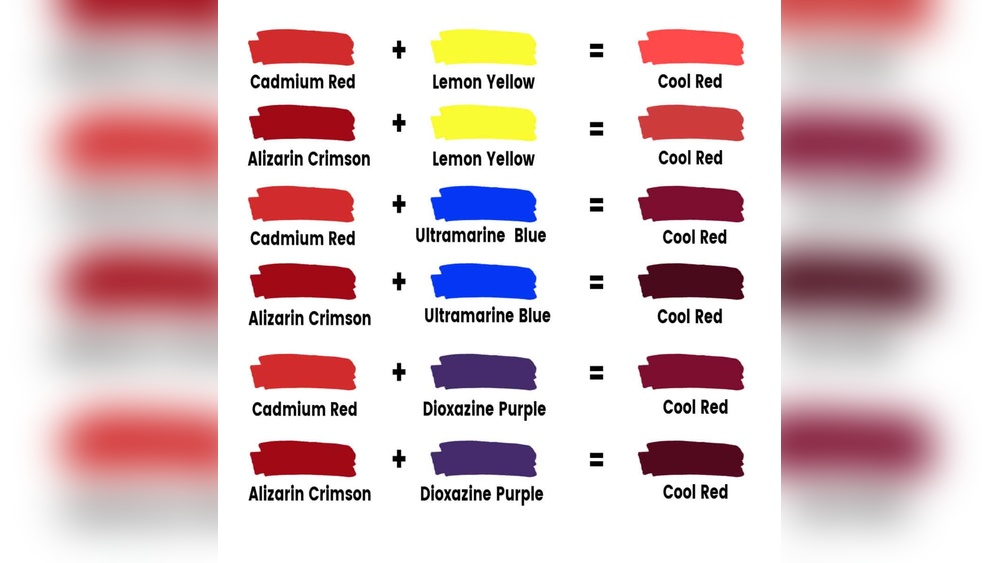
Creating cool reds adds depth and freshness to your color palette. These reds lean toward the blue side, giving a calming yet bold look. They work well in designs that need a touch of sophistication and modern flair.
Cool reds often appear in art, fashion, and interior design. They stand out without feeling too warm or aggressive. Understanding how to make these reds helps you tailor your colors precisely.
Adding Blue For Purple Tones
Mixing a small amount of blue into red shifts the color toward purple. This creates a cool red with a violet tint. Use ultramarine or cobalt blue for the best results.
Start with pure red, then add blue drop by drop. Stir the colors well each time. Stop adding blue once you reach the desired coolness.
This purple-toned red works great for creating shadows or adding richness. It also pairs beautifully with cool colors like teal and gray. Experiment with different blues to find your perfect shade.
Lightening Red Shades
Lightening red shades offers a way to create softer, more delicate colors. These lighter reds work well in designs that need a gentle touch or a hint of warmth. By adjusting the brightness, you can achieve various pinkish and pastel tones.
Lightening red is simple. It requires mixing pure red with lighter colors. This process changes the intensity without losing the essence of red. It helps in making colors that feel fresh and bright.
Using White To Make Pinkish Reds
White is the most common color to lighten red. Adding white to red creates pink shades. The more white you add, the lighter and softer the pink becomes.
Start with a small amount of white paint. Mix it well into the red base color. Check the shade and add more white if needed. This slow mixing helps control the exact tone of pink you want.
Using white also makes the color less intense. Pinkish reds feel calm and inviting. They are perfect for designs needing a gentle and warm color touch.
Darkening Red Shades
Darkening red shades brings depth and richness to your color palette. Adjusting reds can create moods from warm and cozy to bold and dramatic. Dark reds often evoke elegance and intensity, perfect for many design and art projects.
Using Black For Deep Reds
Black paint darkens red effectively. Add black in very small amounts to avoid overpowering the red. Too much black can turn the red into a muddy color. Mix slowly and test the color frequently as you add black. This method creates deep, rich reds like burgundy or maroon. These shades work well for backgrounds or accents that need strong color impact. Experiment with different black amounts to find your perfect dark red.
Making Burgundy And Brown Reds
Making burgundy and brown reds adds depth to your red color palette. These shades bring warmth and richness to your art or design. Understanding how to blend red with other colors helps create these beautiful tones.
Burgundy has a deep, wine-like hue. Brown reds have earthy, muted tones. Both colors are great for autumn themes and sophisticated looks.
Mixing Red With Violet
Mix red with violet to create burgundy. Use more red than violet for a strong red base. Adding violet darkens the red and adds brown undertones. This mix gives a rich, warm color perfect for bold designs. Start with a small amount of violet and increase slowly. Check the color often to get the shade you want. Burgundy can range from deep purple to dark red. This mix works well in paintings and fabric dyeing.
Credit: www.youtube.com
Red Without Red Pigments
Creating red without using red pigments is a challenging task. Red is a primary color, meaning it cannot be made by mixing other colors. Artists and designers often seek alternatives when red pigments are unavailable or to achieve unique effects. This section explores how to simulate red tones using creative color mixing techniques.
Creative Color Mixing Techniques
One way to mimic red is by combining certain colors that trick the eye. Mixing magenta with yellow can produce a warm, reddish hue. Magenta gives the mix a strong pink base, while yellow adds brightness and warmth.
Another approach uses orange and pink shades. Blending orange with a hint of pink deepens the color toward red. Adjusting the amounts changes the shade, making it closer to red.
Using light and shadow also helps create the illusion of red. Applying a warm light layer over a dark base can give a reddish glow. This method works well in painting and digital art.
Experiment with different color intensities and proportions. Small changes in mix ratios can create a wide range of red-like colors. Practice is key to finding the perfect balance.
Common Color Mixing Mistakes
Mixing colors can be tricky, especially when trying to create red. Many people believe red can be made by mixing other colors. This is a common mistake. Red is a primary color. It cannot be formed by blending other shades. Understanding this helps avoid frustration in color mixing.
Another mistake is mixing colors that do not produce red. This can lead to unexpected results and wasted paint. Knowing which colors do not make red is essential for artists and beginners alike.
Colors That Don’t Make Red
Mixing blue and yellow creates green, not red. This is a common error. Green is the opposite of red on the color wheel. Mixing colors like blue and green will never give you red. Orange is made by mixing red and yellow, not by mixing other colors alone.
Mixing purple and yellow results in brown or gray, not red. These combinations tend to dull the color instead of brightening it. Using colors like black or white will only darken or lighten red, but they cannot create it from scratch.
Trying to mix any two colors other than red itself will not create true red. It is best to use red paint or pigment directly for accurate red shades. Adjusting red with small amounts of other colors can create variations but cannot replace pure red.
Practical Tips For Vibrant Reds
Creating vibrant red colors requires more than just grabbing any red pigment. It demands attention to the quality and balance of colors. Practical tips help ensure your reds stay rich and eye-catching in any project. Follow these simple steps to achieve the best results.
Choosing Quality Pigments
Start with high-quality pigments for bright and lasting reds. Cheap pigments can look dull and fade quickly. Look for pigments labeled as lightfast or permanent. These resist fading under sunlight and time. Pure red pigments like cadmium red or pyrrole red deliver strong color. Avoid mixing low-quality pigments that may dull the red tone.
Balancing Color Intensity
Control the intensity by adjusting the pigment amounts carefully. Too much pigment can make the red look heavy or muddy. Too little pigment results in weak and pale red. Mix red with small amounts of yellow for warmth. Add tiny drops of blue to cool the shade slightly. Use white to lighten red without losing vibrancy. Black can darken red but use sparingly to avoid dullness.

Credit: drawlish.com
Frequently Asked Questions
What Two Colors Make Red?
You cannot mix two colors to make red because red is a primary color. It exists independently and cannot be created by combining other colors.
What Colors Make You Red?
Red is a primary color and cannot be made by mixing other colors. Mixing magenta and yellow creates red.
Do Yellow And Green Make Red?
No, yellow and green do not make red. Red is a primary color and cannot be created by mixing yellow and green. Mixing these produces a yellowish-green shade, not red.
Do Pink And Orange Make Red?
Pink and orange do not make red. Red is a primary color and cannot be created by mixing other colors. Pink and orange are variations of red but mixing them won’t produce pure red.
What Colors Mix To Create Different Shades Of Red?
Mix red with yellow for orange-red or with blue for purple-red shades.
Can I Make Red By Mixing Other Colors?
No, red is a primary color and cannot be made by mixing others.
How Do I Make A Lighter Shade Of Red?
Add white to pure red to create a lighter, softer red tone.
What Is The Best Way To Make Dark Red Color?
Mix pure red with a small amount of black for a darker red.
How Can I Create A Warm Red Color?
Add a little yellow to red for a warm, orange-tinted red shade.
How Do I Make A Cool Red Color?
Mix red with a small amount of blue to get a cooler red tone.
Conclusion
Red is a primary color and cannot be made by mixing other colors. You can create many red shades by adding yellow, blue, white, or black to pure red. Mixing yellow with red makes warmer tones, while blue makes cooler reds.
Lighten red with white or darken it with black for variety. Experiment with these mixes to find your perfect red shade. This simple guide helps you understand how to work with red in art and design. Keep practicing, and enjoy creating vibrant reds!