Have you ever wondered how to make the color blue? Whether you’re mixing paints for your next art project or exploring color theory, understanding how blue works is essential.
Here’s the catch: blue is a primary color, which means you can’t create true blue by mixing other colors—at least not in the traditional sense. But don’t stop reading just yet. You’ll discover how mixing certain colors can help you create beautiful shades of blue, like royal blue, navy, or even lighter and cooler blues.
By the end of this article, you’ll have practical tips to master blue color mixing and bring your creative vision to life. Ready to dive in? Let’s get started!

Credit: smart.dhgate.com
Primary Nature Of Blue
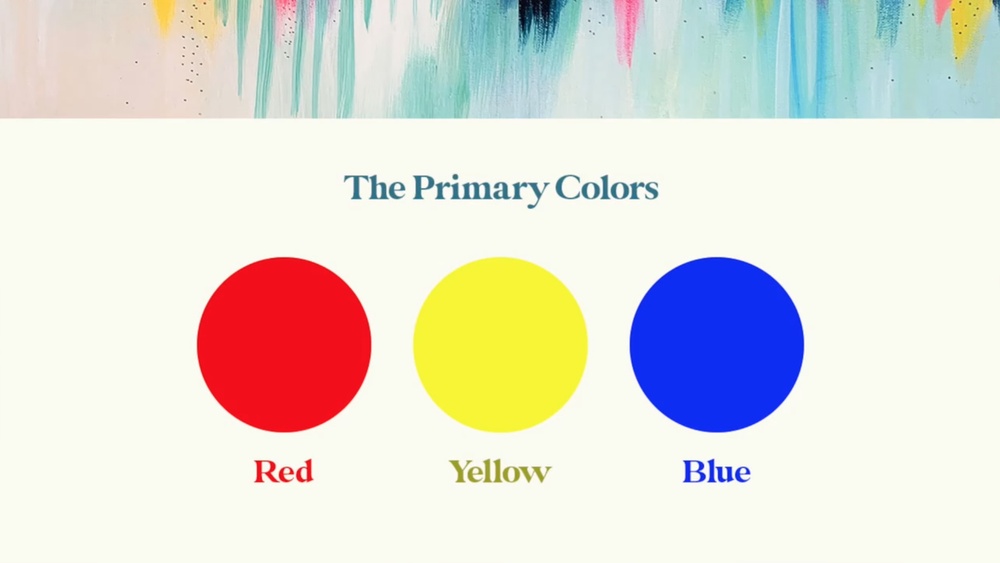
Blue holds a special place in the world of colors. It is a primary color, meaning it cannot be made by mixing other colors. This unique trait makes blue fundamental in art and design.
Understanding the primary nature of blue helps in creating different shades. It also clarifies why some colors cannot produce true blue.
Blue As A Primary Color In Traditional Art
In the traditional art model, known as RYB (red, yellow, blue), blue is a primary pigment. Artists cannot mix red and yellow or any other colors to make blue. It stands alone as a basic building block for many color combinations.
Blue In The Cmyk Color Model
The CMYK color system is used mostly in printing. Here, blue is created by mixing cyan and magenta. Cyan is a greenish-blue, and magenta is a purplish-red. Mixing these two gives a rich blue color for print materials.
Blue In The Rgb Color Model
The RGB model works with light, using red, green, and blue as primary colors. Blue light cannot be made by mixing red and green light. Instead, it exists as one of the three main colors of light that combine to create others on screens.
Creating Different Shades Of Blue
Although blue itself cannot be mixed from other colors, you can change its appearance. Adding white makes lighter blues, perfect for soft, calming tones.
Adding black creates darker blues, ideal for depth and richness. A touch of green or purple can cool the blue, giving it a unique shade.

Credit: www.youtube.com
Color Models That Include Blue
Understanding the color blue requires knowing the color models that include it. Blue appears differently across various systems used in art, printing, and digital displays. Each model shows how blue interacts with other colors and how it can be made or mixed.
Cmyk Model
The CMYK model uses cyan, magenta, yellow, and black. In this system, blue is not a primary color. Instead, blue is made by mixing cyan and magenta. This model is common in printing. Mixing these two colors creates a rich blue shade. Different amounts of cyan and magenta change the blue’s tone.
Ryb Model
The RYB model is the traditional art model with red, yellow, and blue as primary colors. In this system, blue cannot be made by mixing other colors. Blue is a base color used to create other hues. Artists often start with blue to mix purples and greens.
Rgb Model
The RGB model uses red, green, and blue light. Blue is a primary color here. It cannot be created by mixing other colors of light. Combining blue with red or green light makes new colors like magenta or cyan. This model is used in screens and digital devices.
Why Blue Can’t Be Mixed From Other Colors
Blue is one of the three primary colors in art and design. It cannot be created by mixing other colors. This is because primary colors are the base colors that all other colors come from. Blue holds a unique position in color theory. Artists and designers must use pure blue pigments to get true blue.
Even though you cannot mix blue from other colors, you can create different shades of blue by mixing it with white or black. These mixtures adjust the lightness or darkness of blue. The core blue color itself remains unmixed and pure.
Understanding Primary Colors And Blue
Primary colors include red, yellow, and blue in the traditional art model. These colors cannot be made by mixing any other colors. Blue is one of these essential colors. It forms the foundation for creating many other colors.
Blue In The Cmyk Color Model
In printing, the CMYK color model uses cyan, magenta, yellow, and black. Mixing cyan and magenta creates a blue-like color. This is different from pure blue pigment. It is a way to simulate blue in print media.
Blue In The Rgb Color Model
RGB uses red, green, and blue light. Blue is a primary color in this system as well. You cannot make blue light by mixing red and green light. It is a fundamental color of light, just like in pigment systems.
Creating Different Shades Of Blue
Mix pure blue with white to make lighter blue shades. Mix blue with black to create darker shades. These mixtures only change the tone, not the true blue color. Pure blue pigment remains the base.
Creating Blue In Printing With Cmyk
Creating blue in printing uses the CMYK color model. This model mixes four ink colors: cyan, magenta, yellow, and black. Blue is not a primary color in CMYK. Instead, it forms by combining cyan and magenta inks. The mix produces a range of blue shades for printing needs.
Mixing Cyan And Magenta
Cyan is a greenish-blue color in the CMYK palette. Magenta is a pinkish-red color. When cyan and magenta inks overlap, they create blue. The exact shade depends on the amount of each ink used. More cyan gives a cooler blue. More magenta adds warmth to the blue color.
Adjusting Blue Shades
Adjusting blue shades lets you create the perfect tone for your project. Blue can appear soft and gentle or deep and bold. Small changes in color mixing change the mood and style. This section explains how to lighten, darken, and cool blue tones. These simple techniques help you get the exact blue shade you need.
Lightening Blue
Lightening blue makes it softer and more pastel-like. Add small amounts of white to pure blue paint. Mix gently until you reach the desired brightness. Avoid adding too much white at once. It can wash out the color and lose its richness. Light blue shades work well for sky, water, and calm themes.
Darkening Blue
Darkening blue creates a richer and deeper color. Add black or a small amount of dark brown to blue paint. Mix slowly to avoid making the color too dull. Dark blue shades fit well in formal or dramatic designs. They bring depth and intensity to your artwork or decor.
Cooling Blue
Cooling blue gives a fresh and calming effect. Add tiny amounts of green or a touch of purple to blue paint. Mix carefully to keep the color balanced. Cooling blue shades resemble ocean waves or cool shadows. These tones are great for relaxing spaces or nature-inspired art.
Mixing Navy Blue
Mixing navy blue requires understanding the balance of colors. Navy blue is a deep, dark shade of blue. It looks almost black but shows a rich blue tone. Artists use navy blue for shadows, night skies, and elegant designs. Creating navy blue at home is simple with the right colors.
Basic Colors Needed For Navy Blue
Start with a strong blue base. Use a primary blue such as ultramarine or cobalt blue. Add a small amount of black paint to darken the blue. Black helps create the deep, rich look of navy blue. Use very little black to avoid turning the color too dark or gray.
Adjusting The Shade Of Navy Blue
To make navy blue warmer, add a tiny drop of red. This changes the blue slightly but keeps it deep. To cool the navy blue, add a little green or more blue. Mixing in white lightens the shade to a softer navy blue. Add white carefully to keep the color dark but less intense.
Tips For Mixing Navy Blue Successfully
Mix small amounts first to test the color. Use a palette knife for even mixing. Add color slowly to avoid mistakes. Keep track of the amounts used for consistent results. Mix thoroughly to prevent streaks in your paint. Experiment with different blue bases to find your favorite navy shade.
Common Misconceptions About Mixing Blue
Many people believe they can mix two colors to create blue. This is a common misconception. Blue is a primary color in most color systems. It cannot be made by mixing other colors. Understanding this helps avoid confusion in art and design.
Red And Yellow
Some think mixing red and yellow creates blue. Red and yellow make orange, not blue. These colors are also primary colors and cannot produce blue. Knowing this helps artists pick the right colors for their palette.
Other Color Combinations
Mixing other colors like green and purple will not make blue. Blue must come from blue pigment or light sources. In printing, blue appears by mixing cyan and magenta. This is different from mixing paint colors on a palette.
Using Blue Pigments For Art
Using blue pigments in art offers endless creativity and depth. Blue is a primary color in painting. You cannot create true blue by mixing other colors. Artists rely on blue pigments to bring life to their work.
Blue pigments come in many forms. Each pigment has unique qualities like brightness and opacity. Choosing the right blue pigment affects the mood of the artwork.
What Are Blue Pigments?
Blue pigments are natural or synthetic substances. They give paint its blue color. Common blue pigments include ultramarine, cobalt, and phthalo blue. Each pigment has a distinct shade and intensity.
How To Use Blue Pigments In Painting
Start with a pure blue pigment for vibrant color. Mix with white to create lighter blues. Add black carefully to darken the blue. Mixing with other colors changes the shade subtly.
Tips For Mixing Blue Shades
Add small amounts of white to lighten blue slowly. Use black sparingly to avoid dull colors. Mix blue with green for teal shades. Combine blue with red for purple tones.
Choosing The Right Blue Pigment
Ultramarine has a warm, deep blue tone. Cobalt blue is soft and muted. Phthalo blue is bright and intense. Select pigment based on the desired effect and medium.
Tips For Achieving Perfect Blue Shades
Achieving the perfect shade of blue can be simple with the right techniques. Blue is a primary color, so you cannot create it by mixing other colors. But you can adjust its shade by adding other pigments. These tips help you create beautiful blues for art or design projects.
Use Pure Blue As Your Base
Start with a pure blue pigment or paint. This gives you a true blue color to work from. Avoid mixing colors to create blue since it is a primary color. Pure blue ensures your shades will be vibrant and clear.
Add White To Lighten Blue Shades
Mix white paint with blue to create lighter blues. This method works well for soft, pastel blues. Add white slowly to control the lightness. Too much white can make blue look pale, so add a little at a time.
Mix Black To Darken Blue Shades
Adding black paint to blue makes darker, deeper blues. Use black carefully; a small amount changes the shade a lot. Dark blues work great for shadows or nighttime scenes. Blend black and blue thoroughly for smooth color.
Try Mixing Blue With Other Colors For Unique Shades
Mix blue with small amounts of red or green for special tones. Red can create purple-blue shades. Green gives teal or turquoise effects. Test the mix on paper before applying to your final work.
Use Quality Paints For Best Results
Higher quality paints have stronger pigments. They blend better and show true colors. Cheap paints may look dull or muddy when mixed. Invest in good blue paints for clear, beautiful shades.
Tools And Materials Needed
Creating the color blue requires some basic tools and materials. These help you mix and adjust shades easily. Having the right supplies makes the process smooth and fun.
Gathering your materials first saves time and avoids frustration. It also ensures you get the exact blue shade you want.
Primary Color Pigments
Blue is a primary color in many systems. Use high-quality blue pigment or paint as your base. This pigment is essential for mixing other blue shades.
Mixing Colors
To create different blues, you need other pigments like white and black. White lightens the blue, while black makes it darker. Sometimes cyan and magenta help create blue in printing.
Mixing Tools
Use mixing palettes or trays to combine colors. Palette knives or brushes help blend pigments smoothly. Clean tools keep colors pure.
Measuring Tools
Small cups or spoons help measure pigments accurately. Proper measurement keeps your blue consistent every time.
Surface For Mixing
Choose a non-porous surface like glass or plastic. It prevents pigments from soaking in and makes cleaning easier.

Credit: smart.dhgate.com
Frequently Asked Questions
Which Two Colors Make Blue?
Blue is a primary color and cannot be made by mixing two colors in traditional painting. In the CMYK model, mixing cyan and magenta creates blue.
Do Red And Yellow Make Blue?
Red and yellow do not make blue. Blue is a primary color and cannot be created by mixing other colors.
How Can You Create The Color Blue?
You cannot create true blue by mixing colors because it is a primary color. In printing (CMYK), mix cyan and magenta to make blue. To create shades, add white for lighter blue, black for darker blue, or green for cooler tones.
Do Pink And Green Make Blue?
Pink and green do not make blue. Blue is a primary color and cannot be created by mixing pink and green.
What Two Colors Make Blue In Printing?
Cyan and magenta mix to create blue in the CMYK printing color model.
Can Blue Be Made By Mixing Other Colors?
Blue is a primary color and cannot be made by mixing in traditional painting.
How To Make Lighter Shades Of Blue?
Add white paint to pure blue to create lighter blue shades.
How To Make Darker Shades Of Blue?
Mix black paint with pure blue to get darker blue tones.
What Color Models Use Blue As A Primary Color?
RGB (light) and RYB (pigment) color models treat blue as primary.
Can Mixing Colors Create Royal Blue?
Mix pure blue with small amounts of red or black for royal blue.
Conclusion
Blue is a unique color that cannot be made by mixing paints. It stands as a primary color in most systems. You can create many shades of blue by adding white, black, or green. Experimenting helps find the perfect blue tone for your project.
Understanding how colors work makes art more enjoyable and creative. Keep practicing to see how different mixtures change blue’s look. Now, you have simple tips to explore blue’s beautiful range.