Are you ready to unlock the secret to creating the perfect shade of brown for your next art project or baking masterpiece? Whether you’re mixing paints or crafting icing, knowing how to make brown coloring gives you full control over your creativity.
In this guide, you’ll discover simple, step-by-step methods to mix brown using colors you probably already have. You’ll learn how small changes in your color mix can create warm, cool, or even rich chocolatey browns. Keep reading, and by the end, you’ll be confident in making any shade of brown you need—no guesswork, just easy and reliable results!
Basic Brown Mixing
Basic brown mixing is simple and fun. Brown is not a primary color, so you need to mix other colors to create it. Understanding how to mix brown helps you customize shades for your art or projects.
Start with primary colors or use secondary colors and their complements. Changing the amount of each color changes the brown’s tone. This gives you many options for warm or cool browns.
Mixing Primary Colors To Create Brown
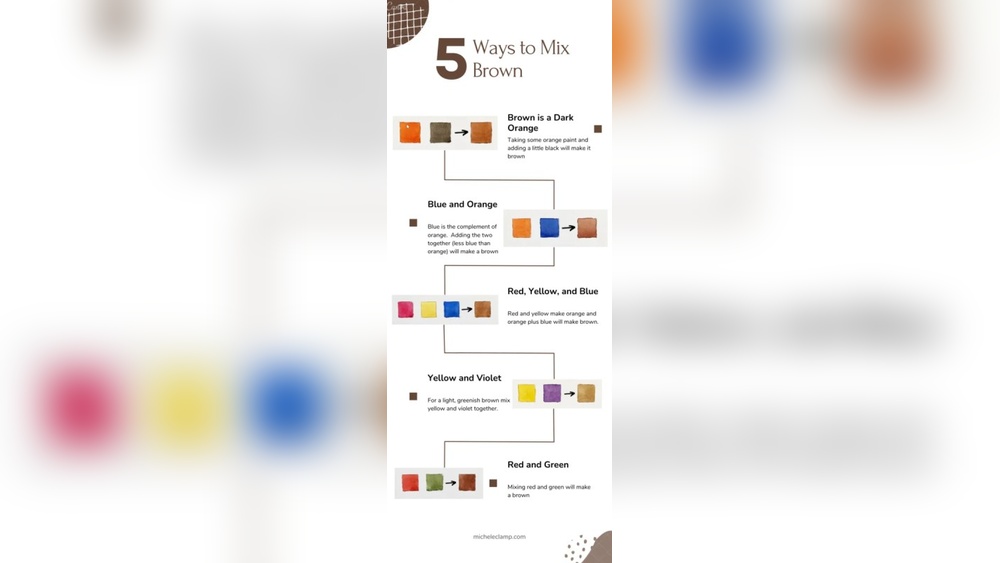
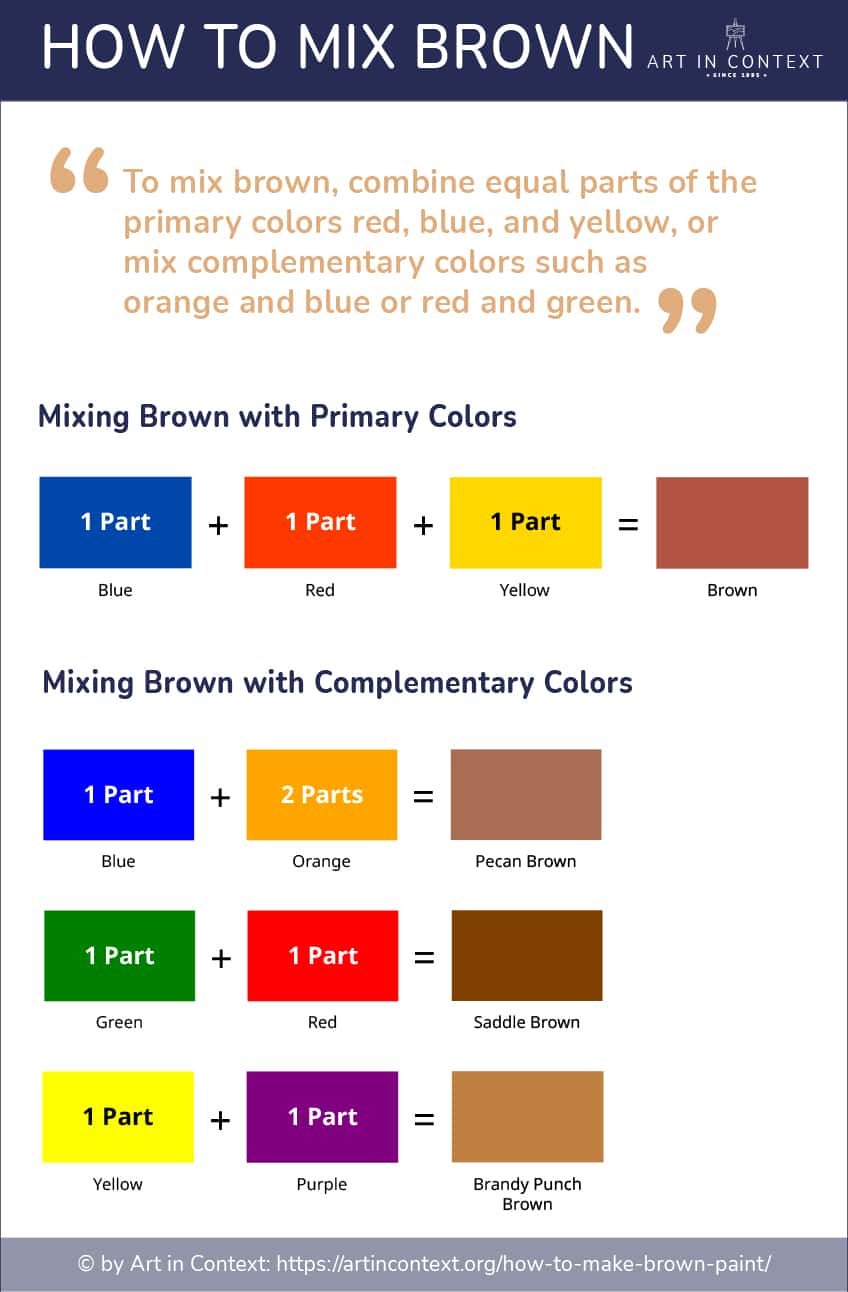
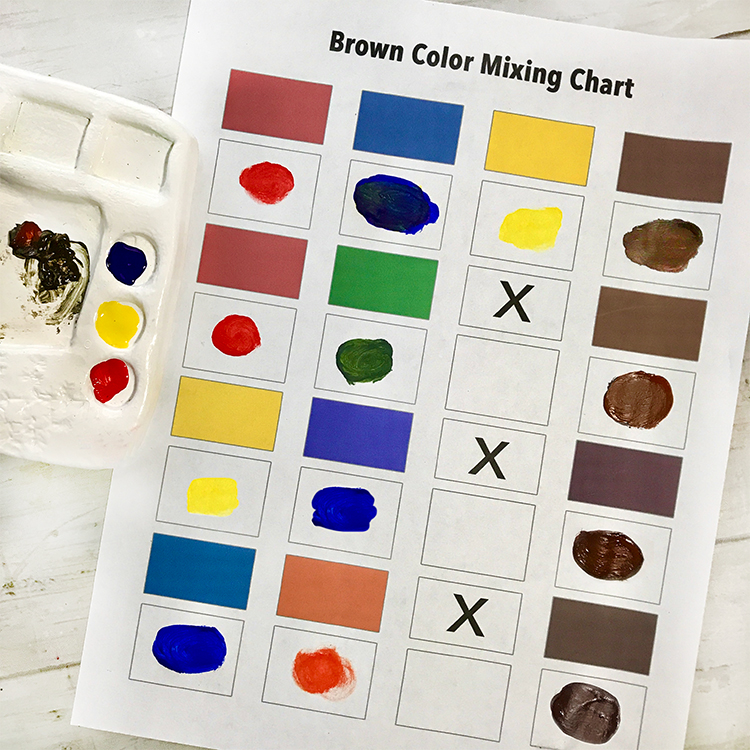
Use equal parts of red, yellow, and blue to get a basic brown. These three colors are called primary colors. When mixed, they neutralize each other and create brown. Adjust each color to make your brown lighter or darker.
Using Secondary And Complementary Colors
Mix a secondary color with its complementary color to get brown. For example, combine orange and blue or green and red. This method offers different brown shades depending on the colors used. It is a great way to experiment with color mixing.
Adjusting Shades Of Brown
Add more red for a warm, reddish brown. Add more blue for a cooler, deeper brown. Yellow lightens the brown and adds warmth. Keep mixing small amounts until you find the perfect shade for your work.
Using Primary Colors
Using primary colors is a simple way to create brown coloring. The three primary colors are red, yellow, and blue. Mixing these colors together in different amounts results in various shades of brown. This method gives you full control over the exact tone you want.
Start with equal parts of red and yellow. This mix creates orange. Then, add blue slowly to the orange. The blue will darken the color and create brown. Adjust how much blue you add to get a lighter or darker brown.
Mixing Red, Yellow, And Blue
Begin with small amounts of red and yellow paint on your palette. Mix them well to form orange. Add a small amount of blue next. Stir the colors thoroughly. Keep adding blue in tiny amounts until you see the brown shade you want.
Balancing The Colors
More red makes the brown warmer and richer. More yellow lightens the brown and adds brightness. More blue cools the brown and deepens the tone. Test different ratios on paper before painting your project.
Adjusting Shade And Tone
To make a darker brown, add a little black or more blue. For a lighter brown, add white or more yellow. Mixing small amounts at a time helps avoid unwanted colors. This way, you can find the perfect shade for your work.
Complementary Color Combos
Complementary color combos are pairs of colors opposite each other on the color wheel. These pairs create brown when mixed correctly. Using complementary colors helps you make different shades of brown easily. This method adds richness and depth to your brown color. It also allows you to adjust warmth or coolness in your brown mix.
Mixing Blue And Orange For Brown
Blue and orange are complementary colors. Mixing them creates a natural brown shade. Start with equal parts of blue and orange paint. Adjust the ratio to get warmer or cooler brown. More orange gives a warm, reddish brown. More blue results in a cooler, darker brown.
Creating Brown With Red And Green
Red and green also make brown when combined. Use equal amounts of red and green paint. You can add more red for a richer, warmer brown. Add more green to cool down the brown tone. This mix gives a softer, earthy brown color.
Combining Yellow And Purple For Brown
Yellow and purple are complementary colors as well. Mix them in equal parts to get a deep brown. Increase yellow for a lighter, golden brown. Add more purple for a darker, muted brown. This combo is perfect for natural and warm brown tones.
Adjusting Brown Shades
Adjusting brown shades allows you to create the perfect tone for your artwork or project. Brown is a versatile color that changes with slight tweaks. You can make it warmer, cooler, or lighter by mixing in other colors carefully. Each adjustment changes the mood and feel of the brown you use.
Warmer Browns
To make brown warmer, add small amounts of red or orange. These colors add a cozy, rich feeling to the brown. Use more red for a deep, earthy brown. Orange gives a softer, golden brown tone. Warm browns suit natural and rustic themes well.
Cooler Browns
Cooler browns need a touch of blue or green. Adding blue makes the brown darker and more muted. Green can create a subtle, olive-like brown. Cool browns work great for modern and calm designs. Use these shades to add depth and contrast.
Lighter Browns
To lighten brown, mix in white or cream gently. White brightens the brown without changing its core color. Cream softens the brown and adds warmth. Lighter browns feel gentle and natural. These shades are perfect for backgrounds and soft accents.
Mixing Brown With Secondary Colors
Creating brown can be simple and fun by using secondary colors. Secondary colors are green, orange, and purple. Each is made by mixing two primary colors. Using these colors helps you make rich and varied brown tones.
Mixing brown from secondary colors gives you control over the shade and warmth. You can create warm browns or cool browns by changing the amounts of each color. This section explains how to mix brown using each secondary color.
Mixing Brown With Orange
Orange is made of red and yellow. To make brown, add a small amount of blue to orange. Blue is the complementary color of orange. This mix creates a warm, earthy brown. Adjust the blue to get darker or lighter brown tones.
Mixing Brown With Green
Green is made from blue and yellow. Mix green with red to make brown. Red is the complementary color of green. This mix tends to produce a rich, muted brown. You can add more red for a reddish brown or more green for a cooler brown.
Mixing Brown With Purple
Purple comes from red and blue. Adding yellow to purple creates brown. Yellow is the complementary color of purple. This mix results in a deep, neutral brown. Change the ratio to get different shades, from warm to cool browns.
Credit: artincontext.org
Creating Rich Deep Browns
Rich deep browns bring warmth and depth to any artwork or design. These shades add elegance and natural beauty. Achieving a rich brown requires balancing colors carefully. This section explains simple methods to create deep brown hues using basic color mixing techniques.
Understanding color combinations is key. Mixing primary and secondary colors in the right amounts produces vibrant, full-bodied browns. Experimenting with ratios helps find the perfect shade for your project.
Mixing Primary Colors For Deep Brown
Start with the three primary colors: red, yellow, and blue. Combine equal parts of red and yellow to make orange first. Then add blue gradually. The blue will darken the orange into a deep brown. Adjust the blue to control the brown’s richness.
Use a palette knife to blend colors well. Smooth blending prevents patchy results. This method creates natural-looking brown tones for painting or crafts.
Using Complementary Colors To Darken Brown
Complementary colors are opposite on the color wheel. Pairing a secondary color with its complement deepens the brown. For example, mix orange with blue or green with red. The contrast creates a rich, dark brown.
Start with the secondary color, then add small amounts of its complement. Mix thoroughly and test the shade. Increase the complement color slowly to avoid overpowering the brown.
Adding Black Or Blue For Deeper Shades
To make brown darker, add tiny amounts of black or blue. Black will create a very dark, almost black brown. Blue adds depth without dulling the color.
Use this technique carefully. Too much black can make the color flat. Blue keeps the brown vibrant and lively. Always add color in small increments for control.
Making Brown Icing Without Food Color
Making brown icing without food color is simple and natural. You can achieve rich brown tones using common ingredients found in your kitchen. This method avoids artificial dyes and adds a subtle flavor to your icing. Perfect for those who prefer natural baking.
Using Cocoa Powder For Brown Icing
Cocoa powder is a great way to color your icing brown. It adds a deep chocolate taste along with the color. Start with a small amount and mix well. Add more cocoa powder until you reach the desired shade.
Mixing Molasses Or Brown Sugar
Molasses or brown sugar can give your icing a warm brown color. They also add a rich, caramel-like flavor. Stir in molasses or brown sugar slowly. Taste as you go to keep the sweetness balanced.
Adding Coffee Or Espresso
Strong coffee or espresso can darken your icing naturally. Use brewed coffee instead of water or milk in your icing recipe. This method adds a subtle coffee flavor that pairs well with chocolate or vanilla cakes.
Combining Ingredients For Custom Shades
Try mixing cocoa powder, molasses, and coffee for unique brown tones. Adjust each ingredient to find your perfect color and taste. This allows you to customize both the look and flavor of your icing.
Credit: thegraphicsfairy.com
Common Mistakes In Brown Mixing
Mixing brown color sounds simple, but many make mistakes. These errors lead to dull or muddy brown shades. Knowing common pitfalls helps create rich, vibrant browns. Avoid these mistakes to get perfect brown every time.
Using Only Two Colors
Many try making brown with just two colors. Brown needs at least three colors to balance warmth and coolness. Using two colors often creates dark or grayish tones, not true brown.
Ignoring Color Temperature
Colors have warm or cool tones. Mixing warm reds with cool blues can dull brown. Match color temperatures to get lively brown shades. Warm colors make warmer browns; cool colors create cooler browns.
Adding Too Much Black
Black paint darkens brown but can kill its vibrancy. Excess black makes brown look flat and lifeless. Use black carefully, or mix dark colors like deep blue instead.
Overmixing The Paint
Mixing too long blends colors too much. Overmixed brown loses depth and looks muddy. Stir just enough to combine colors evenly for better results.
Not Testing The Color
Skipping a color test causes surprises when brown dries. Brown often changes shade as it dries. Test a small amount before mixing large batches to check the final tone.
Tips For Consistent Color
Achieving consistent brown coloring can be a challenge. Small changes in color mixing can lead to different shades. Following simple tips helps keep your brown color even and reliable. These tips make your artwork or projects look professional and polished.
Use Precise Measurements
Always measure your colors carefully. Use small cups or palettes with marked lines. This helps repeat the same mix every time. Avoid guessing or free pouring colors. Precision ensures the brown stays the same shade.
Mix Small Amounts First
Start by mixing a small batch of brown. Test the color before making more. This way, you can adjust the balance without wasting paint. Once happy with the color, mix larger amounts for your project.
Keep A Color Formula Record
Write down the exact amounts of each color used. Note the type and brand of paint too. This record helps recreate the brown shade later. It also helps if you need to fix or touch up your work.
Mix Thoroughly Every Time
Mix the colors well to avoid streaks. Use a palette knife or brush to blend evenly. Uneven mixing causes patches of different browns. Smooth mixing creates a consistent and uniform color.
Use Quality Paints
Choose good-quality paints for better color results. Cheap paints can have uneven pigments. High-quality paints give richer and more stable brown hues. This reduces surprises in your final color.
Experimenting With Brown Variations
Experimenting with brown variations opens many creative possibilities in art and design. Brown is not just one color but a family of shades. Each shade can bring a different mood or effect to your work. Small changes in the mix can make warm or cool browns, bright or muted tones.
Exploring these variations helps you find the perfect brown for your project. It also teaches how colors interact and change. Play with ratios and combinations to discover unique browns that fit your style.
Mixing Primary Colors For Different Browns
Start with the three primary colors: red, yellow, and blue. Mix equal parts to get a neutral brown. Change the amounts to make warmer or cooler browns. More red creates a reddish brown. More blue makes a cooler, darker brown. Yellow adds brightness and warmth.
Using Complementary Colors To Shift Brown Tones
Combine a secondary color with its complementary color to make brown. For example, mix orange and blue or green and red. This method creates rich, complex browns. Adjust the balance to shift the brown’s warmth or darkness. Complementary mixes can add depth and interest.
Adding White Or Black To Modify Brown Shades
Add white to lighten brown and make it softer. This creates tans and beige tones. Adding black darkens the brown, making it richer and deeper. Use black sparingly to avoid muddy colors. These simple additions help customize your brown shades for various uses.

Credit: smart.dhgate.com
Frequently Asked Questions
What Colors Do You Mix To Get Brown?
Mix red, yellow, and blue equally to get brown. Mix complementary colors like blue and orange or red and green for variations. Adjust proportions for different shades. Add white to lighten brown.
Do Black And Yellow Make Brown?
Black and yellow do not make brown. Mixing yellow with red or blue with orange creates brown instead.
Which Color Turns Into Brown?
The color green turns into brown when mixed with red. Combining complementary colors like blue and orange also produces brown.
What Food Coloring Colors Do You Mix To Make Brown?
Mix red, yellow, and blue food coloring to make brown. Adjust ratios for different shades. Alternatively, mix complementary colors like blue and orange or red and green.
What Colors Do You Mix To Make Brown?
Mix red, yellow, and blue primary colors to create brown. Secondary plus complementary colors also work.
Can Brown Be Made By Mixing Two Colors?
Yes, mix a secondary color with its complementary color, like blue and orange.
How To Make Different Shades Of Brown?
Adjust the ratio of colors or add black, white, or yellow for lighter or darker browns.
Is Brown A Primary Or Secondary Color?
Brown is a tertiary color made by mixing primary and secondary colors.
What Is The Easiest Way To Make Brown Paint?
Mix equal parts of red, yellow, and blue paint for a simple brown.
How Do I Make Dark Brown Color?
Add more blue or a small amount of black to your brown mixture.
Conclusion
Making brown color is simple once you know the basics. Mix red, yellow, and blue in different amounts to find your perfect shade. You can also try mixing a secondary color with its opposite for unique browns. Experimenting helps you discover many brown tones.
Keep your colors balanced and adjust slowly. This way, you create brown that suits any project or artwork. Have fun mixing and enjoy your new color skills!