Have you ever wondered how to create the perfect shade of gray? Whether you’re painting, designing, or just curious about colors, knowing how to mix gray can unlock a whole new world of creativity for you.
Gray isn’t just a dull or boring color—it holds endless possibilities depending on the tones and moods you want to achieve. You’ll discover simple, step-by-step methods to make gray using different color combinations, tips to customize your shade, and secrets that artists use to bring depth and balance to their work.
Ready to master the art of creating gray? Keep reading and transform your color skills today!
Basics Of Gray Color
Gray is a neutral color found between black and white. It has many shades and tones. Gray is common in design, art, and fashion. Knowing the basics helps you create the right gray shade.
Gray is made by mixing colors. The most common way is by mixing black and white. But you can also mix other colors to get different types of gray. Each mix gives a unique look.
What Is Gray Color?
Gray is a color with no strong hue. It is calm and balanced. It works well with many other colors. Gray can be cool or warm depending on the mix.
How To Mix Gray Using Black And White
Start with pure black and pure white paint. Add white to black slowly. This makes lighter shades of gray. Add more black for darker gray. This method is simple and popular.
Creating Gray By Mixing Complementary Colors
Complementary colors are opposite on the color wheel. Examples are blue and orange, red and green, yellow and violet. Mixing these colors in equal parts creates gray. This gray looks richer and less flat.
Adjusting Gray Shades With Color Tones
Add a small amount of blue, red, or yellow to gray. This changes the gray’s warmth or coolness. Warm grays have red or yellow tones. Cool grays have blue tones. Adjust until you find the perfect shade.
Credit: www.youtube.com
Mixing Black And White
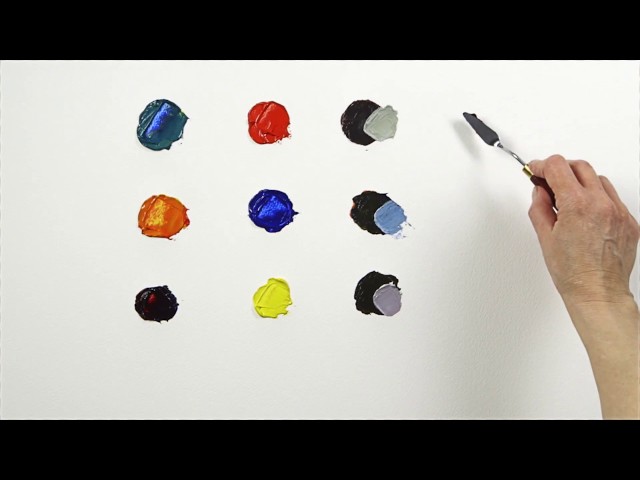
Mixing black and white is the simplest way to create gray. It produces a pure, neutral gray tone. This method lets you control how light or dark the gray will be.
Start with equal parts of black and white paint. Then, adjust the amounts to get the shade you want. More black makes the gray darker. More white makes it lighter.
Choosing The Right Black And White
Not all black and white paints are the same. Some blacks are warm or cool. Whites can have different shades too. Pick neutral black and white for a true gray.
Step-by-step Mixing Process
Place a small amount of white on your palette. Add a tiny bit of black paint. Mix them well with a brush or palette knife. Keep adding black little by little until you reach your desired gray.
Tips For Achieving Smooth Gray Tones
Mix thoroughly to avoid streaks. Use a clean brush for blending. Test the gray on paper to see its true color. Adjust by adding more black or white as needed.
Using Complementary Colors
Using complementary colors is a simple way to create gray. Complementary colors sit opposite each other on the color wheel. Mixing them balances their brightness and hue, resulting in a neutral gray tone.
This method works by blending two strong colors to cancel each other out. The result is a muted, soft gray rather than a flat, dull shade. It also allows for subtle shifts in tone depending on the colors used.
What Are Complementary Colors?
Complementary colors are pairs that contrast strongly. Examples include blue and orange, red and green, or yellow and violet. These pairs create a visual balance when mixed.
How To Mix Complementary Colors For Gray
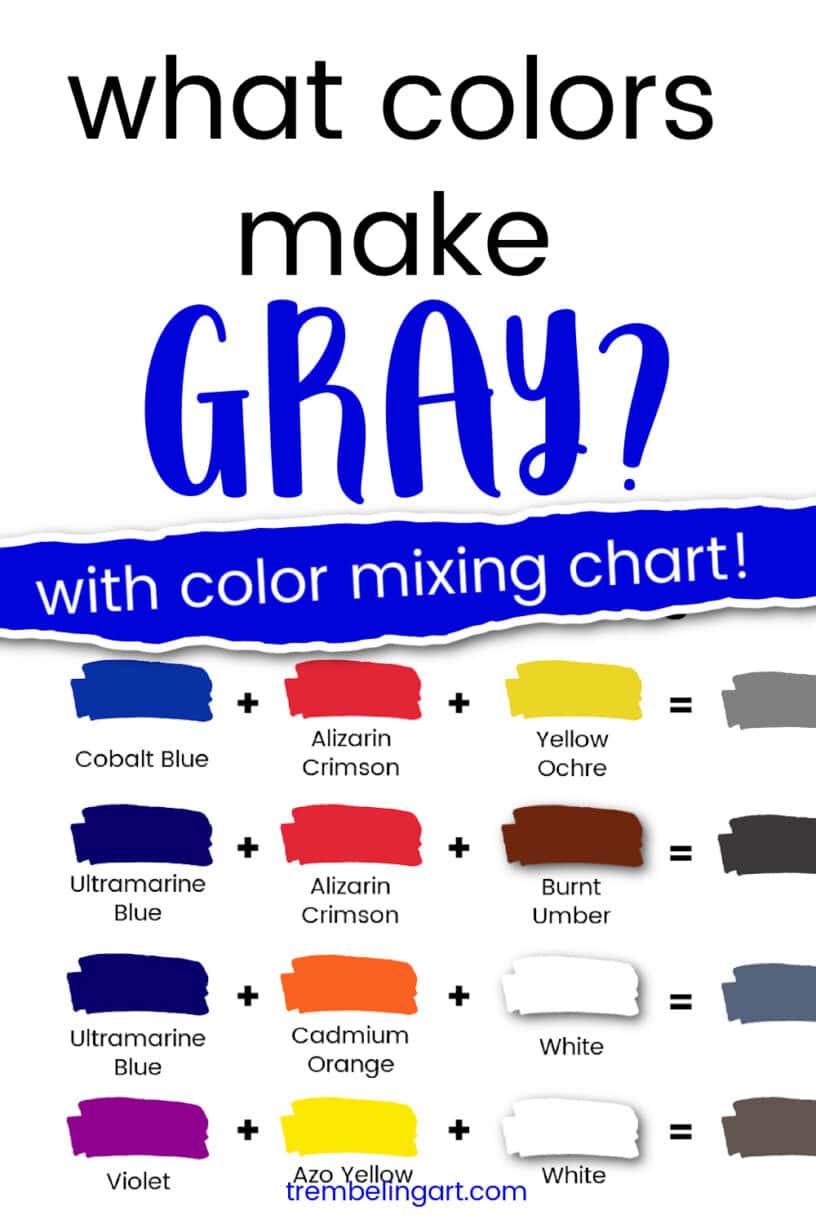
Start with equal parts of two complementary colors. Adjust the ratio to find the exact gray you want. More of one color can create warmer or cooler grays.
Benefits Of Using Complementary Colors
This technique avoids using black paint, which can dull your gray. It creates a rich, natural gray with depth. You can also make many gray shades by changing the color pairs.
Credit: trembelingart.com
Primary Colors For Gray
Gray is a neutral color made by mixing primary colors in balanced amounts. Understanding the role of primary colors is key to creating different shades of gray. Primary colors are red, blue, and yellow. Each color affects the final gray tone in unique ways.
By combining these colors carefully, you can make gray without using black or white paint. This method produces natural and rich grays with subtle variations. Let’s explore how each primary color contributes to gray.
Red: Adding Warmth To Gray
Red brings warmth and depth to gray mixtures. Using more red creates a softer, warmer gray. It can make gray look slightly brownish or rosy. A small amount of red balances cool blues and bright yellows.
Blue: Cooling The Gray Tone
Blue cools down the gray color. Adding blue results in a calm, bluish-gray. It can give gray a fresh and clean feeling. Mixing blue with red and yellow helps create a balanced neutral gray.
Yellow: Brightening The Gray
Yellow lightens and brightens gray shades. It adds a subtle glow to the mix. When mixed with red and blue, yellow helps avoid dullness. This creates a lively, soft gray tone with warmth.
Adjusting Gray Tones
Adjusting gray tones lets you create different shades for your artwork or design. Gray is not just one color but a spectrum of tones. Each tone can change the mood and depth of your project. Small changes in color mixing can produce light or dark grays. Understanding how to adjust these tones helps you get the perfect gray every time.
Adding White For Lighter Gray
Start with a base gray mix. Add small amounts of white paint or color. Mix slowly to see the change. White makes the gray softer and lighter. This tone works well for backgrounds and soft shadows.
Adding Black For Darker Gray
To deepen the gray, add a bit of black. Add black paint carefully to avoid making the color too dark. Dark grays add contrast and strong shadows. Use dark gray for text or bold design parts.
Mixing Complementary Colors
Mix colors opposite each other on the color wheel. For example, blue and orange or red and green. This creates a neutral gray with more depth. Try small amounts to adjust the tone subtly. Complementary mixing adds richness to your gray.
Adjusting Warm And Cool Tones
Add a tiny bit of red, yellow, or blue to shift the gray’s temperature. Red or yellow makes it warm and cozy. Blue gives a cool, calm feel. Warm grays suit earthy themes. Cool grays work well for modern, clean designs.
Creating Warm And Cool Grays
Creating warm and cool grays adds depth to your color palette. These tones influence the mood and feel of your design or artwork. Warm grays feel cozy and inviting. Cool grays come across as calm and modern. Knowing how to make each type helps you choose the right shade for your project.
Creating Warm Grays
Warm grays have a hint of red, orange, or yellow. Start with a base of gray made by mixing black and white. Add a small amount of red or yellow paint. Mix slowly and watch the color shift toward warmth. Use warm grays to create a cozy or vintage look.
Creating Cool Grays
Cool grays include blue, green, or purple undertones. Begin with your basic gray mix. Add a tiny bit of blue or green paint. Blend the colors gently to avoid overpowering the gray. Cool grays work well in modern, sleek designs or calm settings.
Gray With Watercolors
Creating gray with watercolors offers a unique way to add depth and subtlety to your paintings. Unlike using pre-mixed gray paints, mixing your own allows you to control the tone and temperature of the gray. This method brings life to your artwork by making grays that feel natural and soft.
Watercolor grays can range from cool to warm, bright to muted. The key lies in mixing complementary colors rather than relying on black paint alone. This approach creates rich, interesting grays that blend well with other colors in your palette.
Mixing Complementary Colors For Gray
Start by choosing two complementary colors on the color wheel, such as blue and orange, red and green, or yellow and violet. Mix small amounts of each color on your palette. Adjust the ratio to get the gray shade you want.
For example, mixing blue and orange can give you a cool gray. Adding more blue makes the gray cooler, while more orange warms it up. Experiment with different pairs to find the perfect gray for your painting.
Avoiding Black Paint In Gray Mixing
Black paint often looks flat and lifeless in watercolor. Instead, use complementary colors to create a more vibrant gray. This technique prevents dullness and adds a natural feel to your grays.
Try mixing equal parts of two complementary colors and then add water to lighten the tone. The result is a soft, transparent gray that works well in washes or shadows.
Adjusting Gray Tone With Water
Water plays a crucial role in watercolor painting. Diluting your gray mixture with more water lightens the color. Less water produces a deeper, richer gray.
Use thin washes of gray for subtle shading. Layer multiple washes to build up darker grays. This gradual buildup creates a smooth transition and realistic shadows.
Using Gray For Shadows And Details
Gray is perfect for painting shadows, rocks, and distant objects. It helps create depth without overpowering your main colors.
Mix grays with slight hints of color by adding a touch of your main hue. This technique ties shadows to the rest of your painting and avoids harsh contrasts.

Credit: smart.dhgate.com
Gray In Acrylics And Oils
Gray is a versatile color in acrylic and oil painting. It balances light and dark, warm and cool tones. Artists use gray to add depth and subtlety to their work.
Creating gray involves mixing colors carefully. Different methods give unique shades and moods. Understanding the basics helps to control the final color.
Mixing Complementary Colors For Gray
Mix two complementary colors to get gray. Examples include blue and orange or red and green. These pairs cancel out each other’s brightness and create a neutral tone.
Start with equal parts of each color. Adjust the ratio to warm or cool the gray. This method gives a natural and rich gray, not flat or dull.
Using Black And White Paints
Mixing black and white is a simple way to create gray. Add black slowly to white paint until you reach the desired shade. This gray is often cooler and less complex.
Be careful with black paint. It can overpower other colors quickly. Use small amounts to keep the gray soft and balanced.
Adding Other Colors To Adjust Gray
Add small amounts of blue, red, or yellow to change gray’s tone. This can make the gray warmer or cooler. It also adds life to the color.
Experiment with tiny drops of color. Mix well and observe the changes. This approach helps create a more natural and interesting gray.
Differences Between Acrylics And Oils
Acrylic paint dries faster than oil paint. This affects how you mix and use gray. Acrylic gray colors dry slightly darker and more matte.
Oil paint stays wet longer, allowing more time to blend colors. Gray in oils can have a smoother, richer finish. Choose your paint type based on the effect you want.
Avoiding Muddy Grays
Creating a clean, balanced gray can be tricky. Muddy grays happen when colors mix unevenly or too many tones clash. This leads to dull, lifeless shades that lack depth and clarity. Avoiding muddy grays means controlling your color mix carefully.
Use Complementary Colors
Complementary colors sit opposite on the color wheel. Mixing them in the right amounts creates natural gray. For example, blue and orange or red and green work well. Start with small amounts and adjust slowly.
Limit Your Color Palette
Too many colors cause muddiness. Stick to two or three colors only. Using fewer colors keeps the gray pure and clean. It also makes it easier to control the tone and brightness.
Avoid Using Black
Black paint can dull your gray. It often creates a heavy or muddy look. Instead, mix complementary colors to get softer, richer grays. This method gives more control over the final shade.
Mix Colors Gradually
Add colors little by little. Mix slowly to see how the shade changes. Stop when you reach the desired gray. Rushing can lead to unwanted muddy tones.
Test Your Gray On White
Always test your gray on a white surface. This shows the true color and brightness. It helps you spot any muddiness before using the gray in your work.
Using Gray For Depth And Contrast
Gray is a powerful color for creating depth and contrast in design. It works well as a neutral base that supports other colors. Using gray can make bright colors stand out more. It helps separate elements without overwhelming the viewer.
Gray adds a sense of space and layering. It can make a flat design feel more dynamic. Different shades of gray change the mood and balance of a composition. Dark grays pull objects forward, while light grays push them back.
Using Gray To Create Visual Hierarchy
Gray tones guide the viewer’s eye through a design. Darker grays highlight important content. Lighter grays keep less important areas subtle. This creates a clear structure without heavy colors.
Balancing Bright Colors With Gray
Gray tones soften bright colors and reduce visual noise. They balance intense hues and prevent fatigue. Use gray backgrounds or borders to frame colorful elements. This makes designs easier to look at for longer.
Adding Texture And Dimension With Gray
Gray shades can simulate shadows and light. This adds texture without using extra colors. Layering grays with different tones creates a 3D effect. This technique makes flat images appear more realistic.
Frequently Asked Questions
What Two Colors Make Grey?
Grey is made by mixing two complementary colors like blue and orange, red and green, or yellow and violet.
Do Yellow And Blue Make Gray?
Yellow and blue do not make gray. They combine to create green. Gray forms by mixing complementary colors like blue and orange.
Do Red And Green Make Gray?
Red and green make gray in subtractive color mixing by blending complementary colors. In additive mixing, they create yellow.
Can Blue And Green Make Grey?
Blue and green alone do not make gray. Mixing complementary colors like blue and orange creates gray shades.
What Colors Do I Mix To Create Gray?
Mix equal parts of complementary colors like blue and orange or red and green.
Can I Make Gray Without Using Black Paint?
Yes, mix complementary colors to make gray without adding black.
How Do I Make Light Gray From Basic Colors?
Add white paint to your gray mix to lighten the color.
What Is The Easiest Way To Create Dark Gray?
Add a small amount of black or dark complementary color to gray.
Why Use Complementary Colors To Make Gray?
Complementary colors neutralize each other, producing a balanced gray tone.
Can I Create Different Gray Tones With The Same Colors?
Yes, adjust the ratio of colors or add white/black for various grays.
Conclusion
Creating gray color is simple and fun with the right mix. Use equal parts of black and white or blend complementary colors like blue and orange. Experiment with tones to find the perfect shade. Remember, small changes can make big differences.
Practice mixing colors often to improve your skill. Enjoy the process and explore many gray variations for your art or design projects. Gray adds balance and depth to any color palette. Keep mixing and discovering new shades every time you paint.