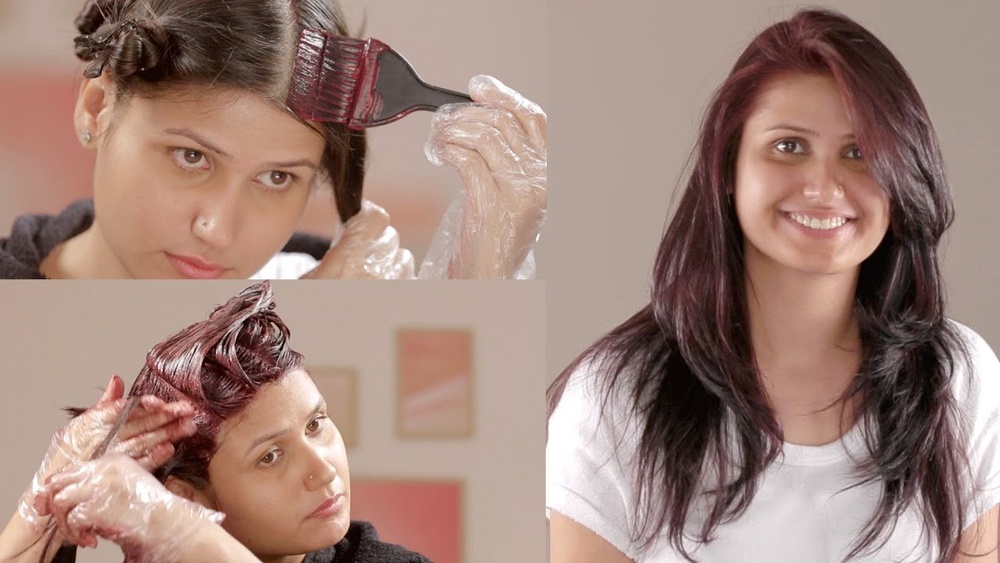
Thinking about changing your look without stepping foot outside? Coloring your hair at home can be the perfect way to refresh your style, boost your confidence, and save money—all in one go.
But maybe you’re worried about making a mistake or ending up with uneven color. Don’t let those fears hold you back. With the right tips and a little preparation, you can achieve salon-quality results right in your own bathroom. Ready to discover how to color your hair at home the easy and effective way?
Keep reading, because this guide will walk you through every step to get the beautiful color you want, without the stress.
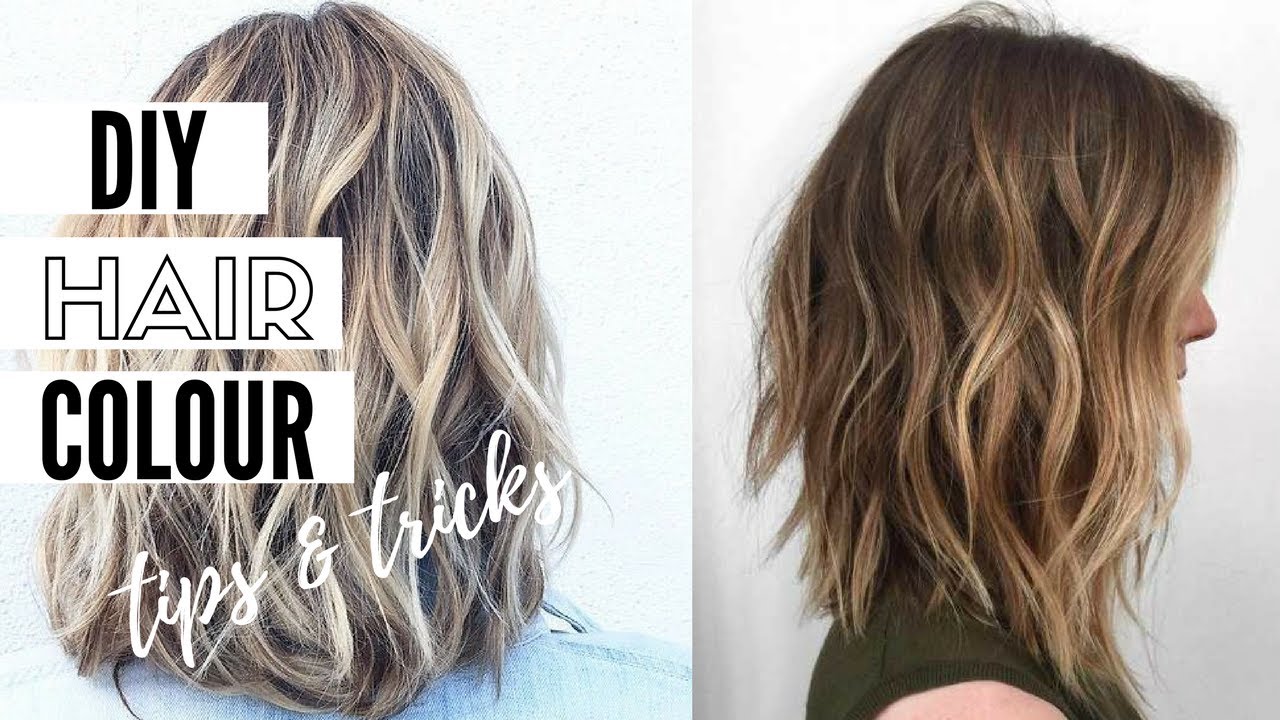
Credit: www.youtube.com
Choosing The Right Hair Color
Proper preparation helps your hair absorb color evenly. It also protects your strands from damage. Take time to get your hair ready before dyeing it.
Clean, healthy hair gives the best results. Avoid washing hair right before coloring. Natural oils protect your scalp and help the color last longer.
Choose The Right Time To Wash
Wash your hair two days before coloring. This keeps natural oils on your scalp. Oils act as a barrier and prevent irritation. Clean hair without excess dirt or product buildup is ideal.
Detangle Your Hair
Brush your hair gently to remove knots. Tangled hair can cause uneven color application. Use a wide-tooth comb for best results. Smooth hair helps the dye spread evenly.
Protect Your Skin And Clothes
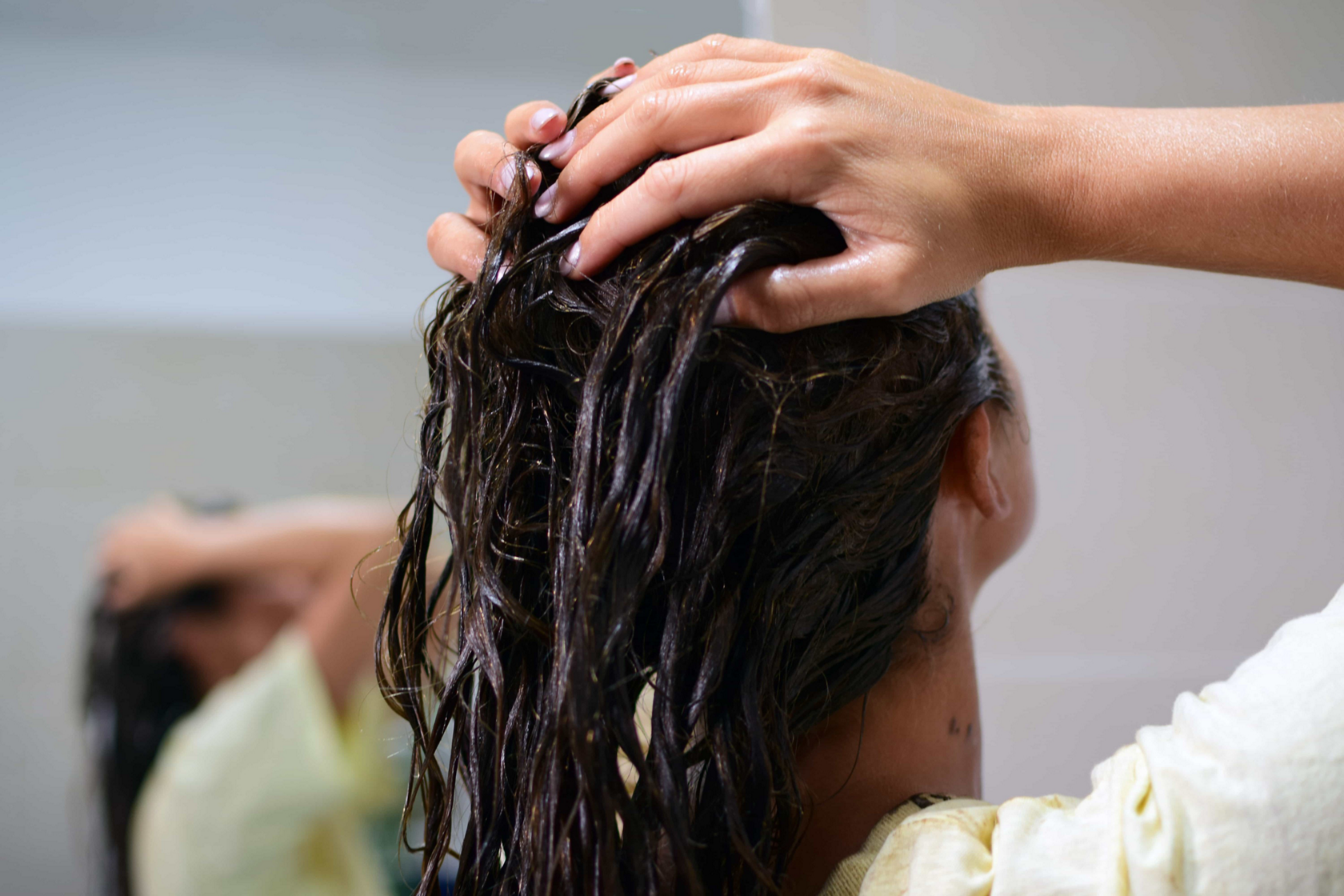
Apply a thin layer of petroleum jelly around your hairline. This stops dye from staining your skin. Wear old clothes or a protective cape. Cover surfaces to avoid unwanted stains.
Credit: www.johnfrieda.com
Gathering Your Supplies
Mixing the hair dye properly is a key step for a successful at-home color. The right mix ensures even color and prevents patchy spots. It activates the dye, allowing it to work well on your hair. Take your time to prepare the mixture carefully. Proper mixing helps you get the best result.
Gather The Right Tools
Use a plastic or glass bowl for mixing. Avoid metal containers as they can react with the dye. Have a tint brush or applicator handy. Gloves protect your hands from stains and chemicals. Measure cups help get the exact amount of dye and developer.
Follow The Instructions Exactly
Read the dye kit instructions carefully before starting. Measure the dye and developer in the exact ratio given. Usually, it is one part dye to one or two parts developer. Mixing different amounts can affect color and hair health.
Mix Thoroughly But Gently
Pour the dye and developer into the bowl. Stir slowly with the tint brush or spatula. Mix until the color looks smooth and creamy. Avoid creating bubbles or froth. A well-blended mix spreads evenly on hair strands.
Use The Mixture Quickly
Once mixed, the dye starts to activate immediately. Use the mixture within the time recommended in the instructions. Leaving it too long can weaken the color or cause uneven results. Prepare only the amount you need to cover your hair.
Preparing Your Hair
Applying hair dye evenly is key to a flawless color result. Uneven application can cause patchy spots or streaks. Taking time and using the right technique helps spread the dye well. This creates a natural, consistent look.
Even coverage lets the color develop uniformly. It also helps avoid damage from overlapping dye. Patience and careful sectioning make a big difference.
Prepare Your Hair Before Dyeing
Start with dry, clean hair. Avoid heavy conditioners before dyeing. They can create a barrier and block color absorption. Brush hair to remove tangles. This ensures easier sectioning and smooth application.
Divide Hair Into Sections
Split hair into four or more sections. Use clips to hold each part. This method helps you work on small areas. It prevents missing spots and makes the process manageable.
Use The Right Tools
Apply dye with a brush or applicator bottle. Brushes allow precise control. Gloves protect your hands from stains. Use a comb to spread dye evenly through each section.
Start Application At The Roots
Roots usually need more attention since hair is new. Apply dye close to the scalp first. Then work the color down to the ends. This ensures roots blend well with the rest of your hair.
Work Quickly But Carefully
Hair dye can dry fast. Apply it within 5-10 minutes per section. Avoid rushing, but keep a steady pace. This helps maintain even saturation across all sections.
Massage Dye Into Hair
After applying, gently massage the dye. This spreads color deeper into strands. Use fingers or a wide-tooth comb. This step helps avoid patchy areas and improves absorption.
Check For Missed Spots
Look closely in a mirror for any gaps. Apply extra dye to bare spots right away. Missed areas can cause uneven color after rinsing. Make sure every strand is coated well.
Performing A Patch Test
Testing a small skin patch helps check for allergic reactions before coloring your hair. Apply a bit of dye behind your ear and wait 24 hours. This simple step keeps your skin safe during the hair dye process.
Understanding The Timing For Hair Color Development
Timing is key when coloring hair at home. The color needs time to develop but not too long. Too short means the color may not show well. Too long can damage hair or cause uneven color. Follow the instructions on your dye box for the best results.
Watch your hair closely while the color processes. Different hair types and colors may need slight adjustments in time. Trust your eyes and hair texture to guide you.
How Long Should You Leave The Dye In Your Hair?
Most home hair dyes suggest 20 to 45 minutes for color development. Darker colors usually need less time. Lighter colors or bleaching require more time. Set a timer to avoid leaving the dye on for too long.
Check your hair every 5 to 10 minutes if you want to be safe. Rinse early if you notice irritation or unexpected color changes.
Signs Your Hair Color Is Ready
The color looks even and rich on your hair strands. Your scalp feels normal without itchiness or burning. The dye no longer feels wet or sticky on the hair surface. These signs mean the color has developed fully.
If unsure, rinse a small section first to see the color result. Adjust the timing next time based on this test.
Adjusting Timing For Different Hair Types
Fine hair absorbs color faster. Leave dye on the lower end of the time range. Thick or coarse hair may need longer to fully absorb color. Curly hair can also take more time for even coverage.
Use timing as a flexible guide. Learning your hair’s reaction helps improve future dye jobs.

Credit: www.shutterstock.com
Frequently Asked Questions
What Is The Easiest Way To Color Your Own Hair?
The easiest way to color your own hair is using a box dye kit. Follow instructions carefully, apply to dry hair, and section hair for even coverage. Use gloves and protect clothing to avoid stains. Rinse thoroughly and condition hair after dyeing.
What’s The Best Hair Dye To Cover Grey?
The best hair dye to cover grey is permanent, ammonia-based dye with rich pigments. Brands like Wella, L’Oréal, and Clairol offer excellent coverage and long-lasting results. Choose shades close to your natural color for a seamless blend and full grey concealment.
Should You Go Darker Or Lighter With Hair Color As You Age?
Choose a hair color that complements your skin tone and natural hair. Lighter shades soften features, while darker shades add depth and contrast. Select tones that brighten your complexion and enhance your overall look as you age.
Is It Better To Put Hair Dye On Wet Or Dry Hair?
Apply permanent hair dye on dry hair for even color and better absorption. Semi-permanent dyes work on wet or dry hair but dry is preferred. Dry hair ensures consistent results and reduces color dilution.
What Materials Do I Need To Color Hair At Home?
You need hair dye, gloves, a brush, a bowl, clips, and old towels.
How Do I Choose The Right Hair Color Shade?
Pick a shade close to your natural color for best results.
How Long Should I Leave Hair Dye On?
Follow the instructions on the box, usually 20 to 45 minutes.
Can I Color My Hair If It Is Damaged?
Avoid coloring damaged hair; it may worsen. Use treatments first.
How Often Can I Color My Hair Safely?
Wait at least 4 to 6 weeks between colorings to protect hair.
Should I Do A Patch Test Before Coloring?
Yes, test for allergies 48 hours before applying the dye.
Conclusion
Coloring your hair at home can be simple and fun. Follow the steps carefully for best results. Use good quality dye and protect your skin. Take your time and avoid rushing the process. Check your hair often during coloring to prevent mistakes.
Enjoy your new look and feel confident. Remember, practice makes perfect with home hair coloring. Keep your hair healthy with regular care after dyeing. You can achieve salon-like results with patience and care.