Are you curious about how many people live in Colorado right now? Whether you’re thinking about moving, planning a trip, or just want to know more about this beautiful state, understanding its population can give you valuable insights.
Colorado’s population has been changing over the years, influenced by migration, birth rates, and economic opportunities. You’ll discover the latest numbers, what they mean for communities like Denver, and how Colorado’s growth compares to other states. Keep reading to get the full picture and see why Colorado is capturing the attention of so many people across the country.

Credit: denverite.com
Current Population Size
Colorado’s population is over 5. 8 million people as of recent counts. The state continues to grow, but at a slower pace than before. Denver remains the largest city, attracting many new residents each year.
Colorado is home to millions of people. The state’s population has steadily increased over recent years. This growth reflects its appeal as a place to live, work, and play.
As of the latest data, about 5.8 million people live in Colorado. The population covers urban areas like Denver and rural mountain towns. Each region has its unique lifestyle and culture.
This population size ranks Colorado among the top 20 most populous states in the U.S. It shows a steady climb from previous decades. Growth continues, but at a slower pace than before.
Population Growth Trends
Colorado’s population has been growing steadily but at a slower pace recently. Over 5. 8 million people now call the state home, with Denver as its largest city. Migration and birth rates shape these ongoing changes.
Colorado’s population has grown steadily over the past decades. Many people move here for jobs, lifestyle, and natural beauty. This growth shapes the state’s economy and communities.
Recently, the growth rate has slowed down. Factors like fewer births and less migration affect this trend. Still, the population continues to rise, but more slowly than before.
Declining Migration
Fewer people are moving into Colorado than in past years. The pandemic changed where people choose to live. Some counties even see small population drops. This decline affects housing and local businesses.
Slowing Birth Rates
Birth rates in Colorado have decreased, following a national pattern. Fewer babies mean less natural population growth. This trend adds to the slower increase in the state’s total population.
Continued Population Growth
Despite these changes, Colorado’s population is still growing. Jobs and quality of life attract new residents. Experts expect the state to keep growing, but more slowly than before.
Largest Cities By Population
Colorado’s population centers show where most people live in the state. The largest cities by population highlight urban areas with the most residents. These cities have a strong impact on Colorado’s economy and culture.
Each city offers unique lifestyles and opportunities. Understanding these population hubs helps grasp Colorado’s growth and diversity.
Denver
Denver is the largest city in Colorado. It has over 700,000 residents. The city is a major economic and cultural hub. Denver attracts people for jobs, education, and entertainment. Its population keeps growing steadily.
Colorado Springs
Colorado Springs is the second largest city. It has about 480,000 people. The city is known for its beautiful parks and outdoor activities. Many military bases are nearby, adding to its population. Colorado Springs grows as more families move in.
Aurora
Aurora ranks third in population size. It has nearly 400,000 residents. The city is diverse and expanding quickly. Aurora offers affordable housing and good schools. This draws many new residents each year.
Fort Collins
Fort Collins is home to about 170,000 people. It is popular with students and young professionals. The city hosts Colorado State University. Fort Collins has a strong focus on sustainability and craft brewing. Its population grows as the city thrives.
Boulder
Boulder has around 110,000 residents. The city is famous for its outdoor lifestyle and tech industry. Many people move to Boulder for the university and natural beauty. It remains one of the fastest growing cities in Colorado.
Credit: denverite.com
Population Density And Land Area
Colorado covers a large area in the western United States. It spans over 104,000 square miles. This vast land includes mountains, plains, and forests. The population density varies greatly across the state.
Some areas have many people living close together. Others have few residents spread out over wide spaces. Understanding population density helps reveal how people live and move in Colorado.
Colorado’s Total Land Area
The state ranks 8th in size among all U.S. states. Its land area is about 104,094 square miles. This space includes cities, towns, and rural regions. Mountains cover much of the western part of the state. The eastern side is mostly flat plains.
Population Density Explained
Population density measures people per square mile. Colorado’s average density is around 56 people per square mile. This number is low compared to many other states. Large open areas lower the overall density. Urban centers have much higher density figures.
Density In Urban Vs Rural Areas
Denver, the capital, has the highest population density. It hosts many residents in a small area. Other cities like Colorado Springs and Aurora also have dense populations. Rural counties show far fewer residents. Wide open spaces and natural parks dominate these regions.
Demographic Breakdown
The demographic breakdown of Colorado reveals the diverse nature of its population. Understanding the composition helps in grasping the social and cultural fabric of the state. Colorado’s residents come from various racial and ethnic backgrounds. The age distribution also shows trends impacting services and the economy.
Race And Ethnicity
Most people in Colorado identify as White. Non-Hispanic Whites make up around 70% of the population. Hispanic or Latino residents form the largest minority group. They account for about 22% of people living in the state. Other racial groups include African Americans, Asians, and Native Americans. Each group contributes to Colorado’s rich cultural diversity. The mix of races and ethnicities shapes communities across the state.
Age Distribution
Colorado has a relatively young population. The median age is about 37 years old. Children under 18 make up roughly 23% of the population. Adults aged 18 to 64 represent the majority, around 62%. Seniors aged 65 and older account for about 15%. The age spread affects schools, healthcare, and the workforce. Young families and working adults mainly drive Colorado’s growth.
Migration Patterns
Colorado’s population changes show clear migration trends. People move here for many reasons. Jobs, lifestyle, and natural beauty attract newcomers. Some leave for cheaper living or other opportunities.
These shifts affect local communities and the economy. Understanding migration helps predict Colorado’s future growth. It also shows which areas gain or lose residents.
In-migration Trends
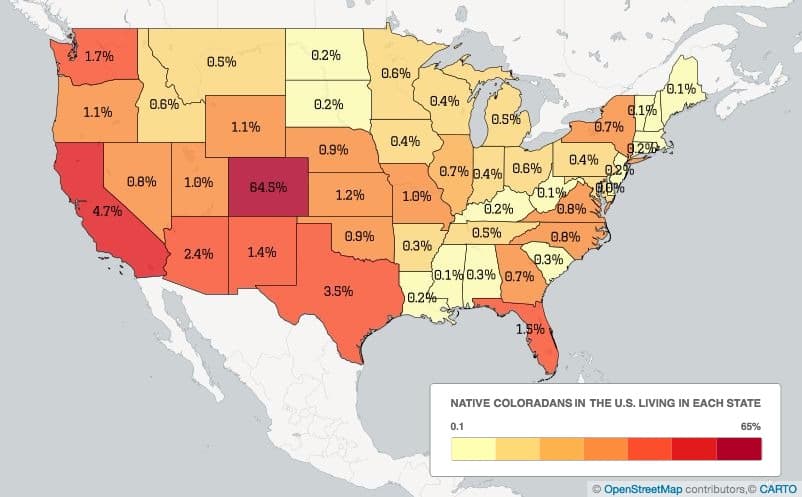
Many people move to Colorado from other states. California, Texas, and New York send the most new residents. They seek jobs, better weather, and outdoor activities. Cities like Denver and Colorado Springs grow fast.
Young adults and families often choose Colorado for its schools and safety. Tech and healthcare industries create many new jobs. This draws skilled workers from across the country.
Out-migration Factors
Some residents leave Colorado each year. High housing costs push some families away. Traffic and crowded cities cause frustration. Others move for family reasons or retirement.
Still, out-migration is lower than in-migration. Colorado keeps more residents than it loses. This balance supports steady population growth.
Impact Of Migration On Population Growth
Migration is a key driver of Colorado’s rising population. New arrivals add to natural birth growth. Migration helps offset aging populations in some areas. It also changes the cultural and economic landscape.
Population growth slows but remains positive. Experts expect migration to continue shaping Colorado’s future.
Birth And Death Rates
Birth and death rates play a key role in shaping Colorado’s population size. These rates show how many people are born and how many pass away each year. They help explain the natural changes in the state’s population.
Tracking these numbers gives insight into Colorado’s growth trends. Birth rates add to the population, while death rates reduce it. Understanding both rates helps predict future population changes.
Birth Rates In Colorado
Colorado’s birth rate has been slowing down in recent years. Fewer babies are born compared to past decades. This decline matches a national trend seen across many states. Factors like economic conditions and lifestyle choices affect birth rates.
Death Rates In Colorado
Death rates in Colorado remain relatively stable. The state benefits from good healthcare and a healthy environment. However, an aging population causes a gradual increase in deaths. Death rates slightly rise as more residents enter older age groups.
Impact On Population Growth
The difference between births and deaths affects population growth. Colorado still sees more births than deaths, so the population grows naturally. This growth is slower than before due to the lower birth rate. Migration also influences the total population change.
Urban Vs Rural Populations
Colorado’s population is divided between urban centers like Denver and many rural areas. Most residents live in cities, but rural communities still hold a significant share. This mix shapes the state’s culture and economy.
Urban Population In Colorado
Most people in Colorado live in cities and towns. Denver, the capital, is the largest city. Other big cities include Colorado Springs and Aurora. These urban areas have many jobs, schools, and services. People often move here for work and lifestyle. The urban population grows faster than rural areas. Cities offer more entertainment and public transport. This draws young adults and families to live in towns.
Rural Population In Colorado
Rural areas cover most of Colorado’s land. These places have fewer people and more open space. Farming and ranching are common jobs here. Many small towns and villages make up the rural population. Life is quieter and slower in these areas. People enjoy nature and outdoor activities. However, rural areas have fewer schools and hospitals. The population here grows slowly or even declines in some parts.
Population Balance And Trends
Colorado’s population is mostly urban now. The cities keep attracting new residents. Rural places face challenges to keep people. Technology and internet access help some rural areas grow. Still, most newcomers choose cities for better opportunities. The state plans to support both urban and rural needs. This balance is important for Colorado’s future growth.
Impact Of The Pandemic On Population
The COVID-19 pandemic changed many aspects of life in Colorado. It also had a clear impact on the state’s population numbers. Migration slowed down, and fewer people moved to Colorado. This shift affected growth rates and community dynamics across the state.
Population growth in Colorado did not stop but slowed significantly. Many factors contributed to this change, such as job market shifts, health concerns, and changing housing needs. The pandemic made some people rethink where they want to live and work.
Decrease In Migration To Colorado
Before the pandemic, Colorado attracted many new residents. People moved for jobs, lifestyle, and outdoor activities. During the pandemic, migration dropped sharply. Travel limits and remote work options kept people from moving. This led to fewer newcomers arriving in the state.
Changes In Birth And Death Rates
Birth rates in Colorado also slowed during the pandemic. Health concerns and economic uncertainty affected family planning. At the same time, death rates rose due to COVID-19 and related health issues. These changes influenced the natural growth of the population.
Shift In Population Growth Patterns
Population growth became uneven across Colorado. Some counties saw declines, especially urban areas. Rural and suburban areas experienced slight increases as people sought more space. This shift may continue to reshape Colorado’s demographic landscape.
Future Population Projections
Colorado’s population continues to grow but at a slower pace than before. Experts predict steady increases over the next decades. These changes affect cities, jobs, housing, and public services.
Understanding future trends helps communities prepare for growth. It also guides state planning for schools, roads, and healthcare. Let’s explore key projections for Colorado’s population.
Projected Growth Rates
The state’s population is expected to rise by about 10% every ten years. Growth will slow compared to past decades but remain positive. Urban areas will see the most new residents.
Urban Vs. Rural Changes
Big cities like Denver and Colorado Springs will attract more people. Rural areas might face population declines or slower growth. This shift will impact local economies and services.
Age Group Trends
Colorado’s population is aging. The number of older adults will increase significantly. Younger age groups will grow but not as fast as before.
In-migration from other states will continue but at lower rates. Fewer people are moving into Colorado than in previous years. Out-migration may rise slightly, balancing growth.
Impact Of Birth Rates
Birth rates in Colorado have slowed down recently. This trend aligns with national patterns of fewer births. Slower natural increase means migration plays a bigger role in growth.

Credit: denverite.com
Frequently Asked Questions
What Percentage Of Colorado Is White?
About 70% of Colorado’s population identifies as white alone, according to recent demographic data. This includes non-Hispanic whites. The percentage reflects the state’s racial composition as reported by the U. S. Census Bureau and local demographic sources.
What Is The Biggest City In Colorado?
Denver is the biggest city in Colorado. It serves as the state capital and has the highest population. Denver is a major cultural and economic hub.
Is Colorado Growing Or Shrinking?
Colorado’s population is growing, but at a slower pace due to declining migration and lower birth rates. Experts expect continued growth.
How Does Colorado Have 697 Sides?
Colorado has 697 sides because its borders follow natural features and survey lines, creating many short boundary segments.
How Many People Currently Live In Colorado?
As of 2024, about 5. 8 million people live in Colorado.
What Is The Population Growth Rate Of Colorado?
Colorado’s population grows around 1% each year, slower than before.
Which City In Colorado Has The Largest Population?
Denver is the largest city in Colorado by population.
How Does Colorado’s Population Compare To Other States?
Colorado ranks 21st in population among all U. S. states.
What Percentage Of Colorado’s Population Is White?
Approximately 70% of Colorado’s population identifies as White (non-Hispanic).
Is Colorado’s Population Increasing Or Decreasing?
Colorado’s population is increasing but at a slower pace than before.
Conclusion
Colorado’s population continues to grow steadily each year. Many people are drawn by its cities and natural beauty. Denver remains the largest city and a key population center. Growth rates have slowed but show no sign of stopping. Understanding Colorado’s population helps with planning and services.
The state’s diversity and size make it unique in the U. S. Watching these trends can reveal future changes ahead. Colorado remains a vibrant place to live and visit.