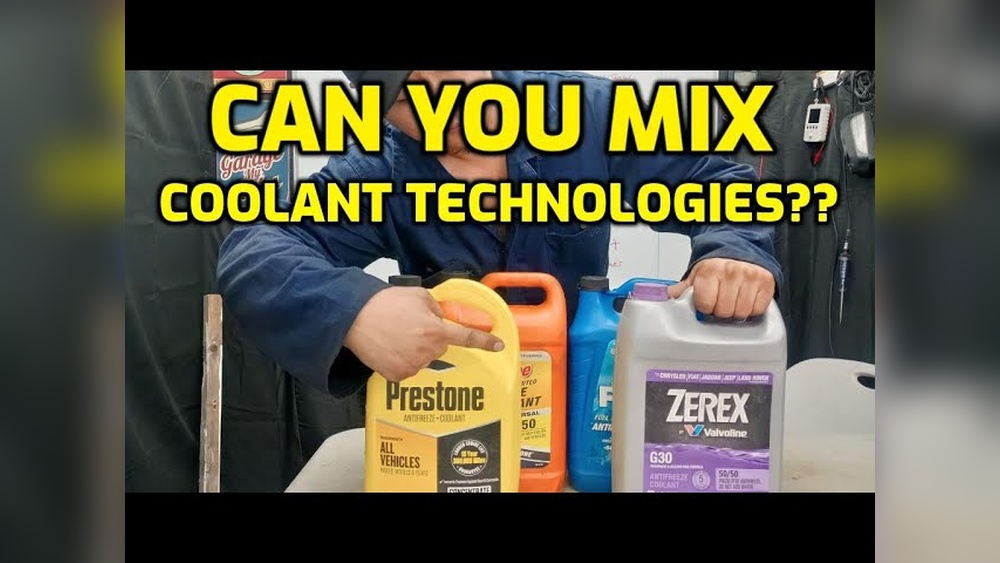
You might be wondering if it’s okay to mix different coolant colors in your car’s radiator. After all, coolant comes in a rainbow of shades—green, orange, pink, purple—and it’s easy to think they’re all the same.
But mixing coolants without knowing what you’re doing can cause serious problems for your engine. You could end up with clogs, corrosion, or worse, costly repairs. So, before you pour that new coolant in, it’s important to understand what happens when you mix colors and which ones can safely work together.
Keep reading to learn how to protect your vehicle and avoid common mistakes that many drivers make with coolant mixing.
Coolant Color Basics
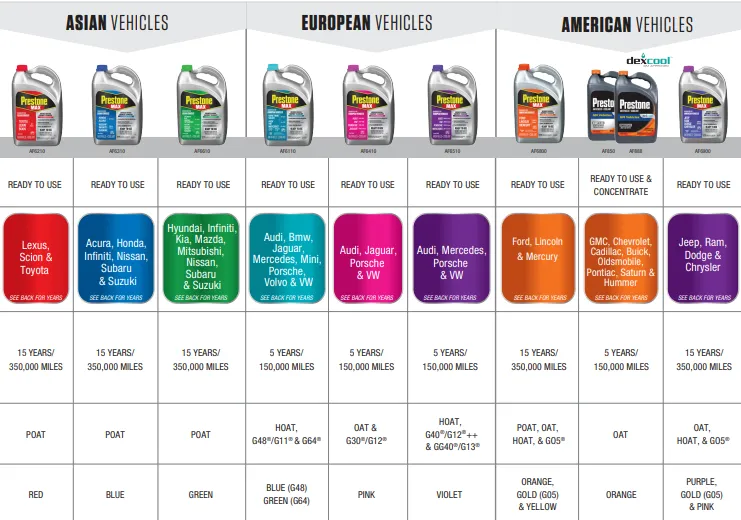
Coolant comes in many colors. Each color shows a different type of antifreeze.
Colors help identify the coolant’s chemical makeup. They are a quick visual guide.
Using the right coolant protects your engine from heat and corrosion.
What Do Coolant Colors Mean?
Green coolant is the oldest type. It uses inorganic additives for protection.
Orange coolant often contains organic acid technology (OAT). It lasts longer.
Yellow and pink coolants are usually hybrid types. They combine different additives.
Blue coolant is less common. It is designed for specific car brands.
Why Does Coolant Color Matter?
Each coolant formula works differently inside your engine.
Mixing colors can mix chemicals that do not work well together.
This can reduce the coolant’s ability to protect your engine.
Can You Mix Coolant Colors?
Some colors can be mixed safely, but many should not be combined.
Universal coolants are made to work with all colors and types.
Check product labels to see if the coolant is “universal” or “multi-vehicle.”
Mixing the wrong coolants can cause engine damage and reduce performance.
Credit: www.tilleydistribution.com
Types Of Coolants
Coolants come in different types and colors. Each type uses unique chemicals to protect your engine. Knowing the main types helps you understand why mixing them can be tricky. The three common types are Inorganic Additive Technology (IAT), Organic Acid Technology (OAT), and Hybrid Organic Acid Technology (HOAT). Each has its own formula and color codes.
Inorganic Additive Technology (iat)
IAT coolants are the oldest type. They use silicates and phosphates to stop corrosion. These coolants are usually green or blue. They need to be changed every two years or 30,000 miles. IAT is common in older vehicles. Mixing IAT with other types can cause deposits and reduce protection.
Organic Acid Technology (oat)
OAT coolants use organic acids instead of silicates. They last longer, up to five years or 150,000 miles. OAT coolants often come in orange, red, or dark green. They protect metals well but can harm some older engine parts. Mixing OAT with IAT can cause the coolant to gel or lose effectiveness.
Hybrid Organic Acid Technology (hoat)
HOAT coolants combine features of IAT and OAT. They contain organic acids plus silicates for fast protection. HOAT types are usually yellow or turquoise. They last longer than IAT but shorter than OAT. HOAT works in many modern engines. Mixing HOAT with pure IAT or OAT can reduce its protective qualities.
Why Coolant Colors Differ
Coolant colors vary because of the different chemicals used inside them. Manufacturers add specific ingredients to protect engines from rust, corrosion, and overheating. These additives influence the color, creating a visual way to identify the type and purpose of each coolant.
Colors help mechanics and car owners choose the right coolant for their vehicles. Not all coolants work the same way or last as long. Some are designed for older cars, while others suit modern engines better. The color gives a quick clue about the coolant’s formula and compatibility.
Different Chemical Compositions
Each coolant color represents a unique chemical formula. For example, green coolant usually contains inorganic additives. Orange or red coolants often use organic acid technology. These chemicals protect engines differently and have varied lifespans.
Manufacturer Standards And Vehicle Types
Car makers recommend specific coolant types for their engines. The coolant color often matches those recommendations. This ensures the coolant prevents damage and works well with engine materials. Using the wrong coolant color can cause problems.
Visual Identification For Safety
Colors help avoid mixing incompatible coolants by mistake. Mixing wrong types can reduce protection and cause corrosion or clogs. The color system acts as a simple safety measure for easy recognition.
Environmental And Performance Factors
Coolant colors also reflect performance needs. Some coolants resist higher temperatures or last longer. Others focus on being eco-friendly. The color can hint at these special features and benefits.
Credit: www.prestoneuk.com
Risks Of Mixing Coolants
Mixing different coolant colors may seem harmless but it carries hidden dangers. Each coolant type has unique chemical ingredients. Combining them can cause serious problems inside your vehicle’s cooling system. These risks can lead to costly repairs and engine damage.
Clogging And Gelling
Mixing coolants often causes clogging in the radiator and hoses. Different formulas react and create gel-like substances. This gelling blocks coolant flow, reducing circulation. Poor circulation causes the engine to overheat quickly. Blocked coolant passages can lead to engine failure.
Corrosion Issues
Coolants have corrosion inhibitors that protect metal parts. Mixing colors can neutralize these inhibitors. As a result, rust and corrosion develop inside the engine and radiator. Corrosion damages the water pump, heater core, and other parts. This weakens the cooling system and shortens its lifespan.
Reduced Cooling Efficiency
Coolants are designed for specific cooling needs. Mixing colors changes their chemical balance and lowers performance. Reduced cooling efficiency means the engine runs hotter than normal. High engine temperatures increase wear and risk of breakdown. This affects your vehicle’s reliability and safety on the road.
Universal Coolants Explained
Universal coolants offer a simple solution for mixing different antifreeze types. They work across many car brands and models. These coolants use a special formula that fits various chemical blends. This helps prevent engine damage from incompatible fluids. Universal coolants reduce the worry about matching colors or brands.
Many drivers prefer universal coolants for easy maintenance. They cut down the need for flushing old coolant. Using universal coolant can save time and effort. It also ensures your cooling system stays protected. Understanding how these coolants work helps you make smart choices.
Brands With Universal Formulas
Prestone and Valvoline are popular brands with universal formulas. These products say “multi-vehicle” or “universal” on their labels. They are designed to mix safely with any color coolant. These brands use additives that balance different chemical types. You can add them to green, orange, red, or yellow antifreeze without worry.
Many mechanics trust these universal coolants for repairs. They meet industry standards for engine protection. Look for products that clearly state compatibility on the bottle. This helps avoid costly mistakes from mixing wrong coolants.
How Universal Coolants Work
Universal coolants contain special additives that protect the engine. These additives prevent corrosion and overheating. They also stop chemical reactions between different antifreeze types. This keeps the cooling system clean and efficient. The formula blends well with ethylene glycol-based coolants.
Mixing regular coolants can cause sludge or deposits. Universal coolants reduce this risk by balancing the mix. They allow you to top off your coolant without flushing first. Still, following the product instructions is important. Proper use extends your engine’s life and performance.
Mixing Coolant Colors Safely
Mixing coolant colors requires careful attention to avoid engine damage. Coolants contain different chemicals and additives. These can react badly if mixed incorrectly. Understanding when it is safe and when to avoid mixing is key. Proper mixing can protect your engine and cooling system. Incorrect mixing can cause corrosion, clogging, or overheating.
Read product labels carefully. Some coolants are designed to work with others. Others must never be mixed. Following guidelines helps keep your vehicle running smoothly.
When It’s Safe
Mixing coolants is safe when using universal or multi-vehicle types. These products are made to blend with any color coolant. They have additives that prevent chemical conflicts. Examples include Prestone and Valvoline universal antifreeze. Check the label for words like “universal” or “mix with any color.”
Use a 50/50 mix of coolant and water unless the label says otherwise. Always follow the manufacturer’s instructions. Safe mixing helps maintain the coolant’s protective qualities. It avoids risks like rust or scale buildup inside the engine.
When To Avoid Mixing
Avoid mixing coolants with different chemical bases. For example, do not mix organic acid technology (OAT) with traditional inorganic additives (IAT). Different colors often mean different chemical formulas. Mixing these can cause gel formation or blockages. This leads to poor cooling and engine damage.
Do not mix coolants if you are unsure of their type or brand. It is better to flush the system and refill with the correct coolant. Avoid mixing old and new coolants without compatibility confirmation. When in doubt, consult a professional mechanic or use a universal coolant.
Flushing Your Cooling System
Flushing your cooling system removes old coolant and contaminants. It keeps the engine running cool and prevents damage. Flushing helps avoid mixing incompatible coolant colors. It also removes rust and buildup inside the radiator and engine passages. Proper flushing ensures the new coolant works efficiently and lasts longer.
When To Flush
Flush the cooling system every 2 to 3 years. Also flush before changing coolant colors. Look for signs like overheating or rusty coolant. If the coolant looks dirty or has debris, flush it. Flushing is essential after engine repairs or if the system has leaks.
Proper Flushing Steps
Start by letting the engine cool completely. Drain the old coolant from the radiator and engine block. Use a radiator flush solution or clean water to rinse the system. Run the engine with the flush solution to clean inside. Drain the flush solution and refill with the correct coolant mix. Check for leaks and proper coolant level after flushing.

Credit: www.youtube.com
Testing Coolant Compatibility
Testing coolant compatibility is a key step before mixing different coolant colors. Coolants have various chemical formulas. Mixing the wrong types can cause damage to your engine. Simple tests help avoid costly repairs. Always check before adding new coolant to your vehicle.
Reading Product Labels
Product labels show important compatibility information. Look for terms like “universal” or “multi-vehicle.” These coolants usually mix safely with others. Some labels warn against mixing with specific types. Check the ingredients and color codes carefully. Follow the manufacturer’s instructions exactly. Labels often include mixing ratios and safety notes. This step reduces the risk of coolant conflicts.
Consulting Vehicle Manuals
Your vehicle manual gives precise coolant recommendations. It lists the type and color approved for your car. Manual instructions help maintain engine warranty. Using the wrong coolant can void coverage. Manuals may explain the coolant change intervals too. Keep your manual handy when buying coolant. Follow its guidance to ensure proper engine care. This ensures you use compatible coolant every time.
Common Myths About Coolant Mixing
Many people believe mixing different coolant colors is dangerous or harmful. This idea causes confusion and worry during vehicle maintenance. Understanding the facts behind these beliefs helps avoid mistakes. Not all coolant mixing myths are true. Some are based on old information or misunderstandings.
This section clears up common myths about mixing coolant colors. It explains what really happens and what to watch for.
Myth: Different Colors Mean Incompatible Coolants
Many assume coolant color shows chemical type and mixing is bad. Color mostly helps identify coolant brand or formula. Some coolants share similar bases but differ in additives. Mixing colors does not always mean mixing harmful chemicals. Check the product label for compatibility instead of relying on color.
Myth: Mixing Coolants Causes Immediate Damage
People worry mixed coolants cause engine damage right away. Minor mixing usually does not cause instant harm. Problems arise if incompatible chemicals react over time. Using a universal or compatible coolant reduces risk. Regular maintenance and coolant checks keep the system safe.
Myth: All Coolants Must Be Drained Before Changing
Some believe you must fully drain old coolant before adding new type or color. Partial draining is often enough if the new coolant is compatible. Flushing the system depends on coolant condition and manufacturer advice. Total draining is needed only when switching to very different formulas.
Myth: Mixing Extended Life And Conventional Coolants Is Unsafe
Extended life and conventional coolants differ in additives and lifespan. Mixing them can reduce protection time but does not instantly harm the engine. It is better to use one type consistently. If mixing happens, plan to replace coolant soon to restore full protection.
Myth: Universal Coolants Are Not Effective
Some doubt universal coolants work well with other types. Universal coolants contain additives that blend safely with most formulas. They simplify maintenance by allowing color mixing without damage. Always check the label to confirm the coolant’s universal status.
Tips For Maintaining Your Cooling System
Maintaining your vehicle’s cooling system helps avoid engine overheating and costly repairs. Simple care steps keep the coolant effective and protect engine parts. Follow these tips to ensure your cooling system works well year-round.
Regular Coolant Checks
Check coolant levels often, especially before long trips. Low coolant can cause engine overheating and damage. Look for leaks or discoloration in the coolant. Replace old coolant as recommended by your vehicle’s manual. Clean the radiator and cooling system to remove dirt and rust. These checks keep the system running smoothly and prevent breakdowns.
Using Correct Coolant Types
Use the coolant type specified by your vehicle manufacturer. Different coolants contain different chemicals and additives. Mixing incompatible coolants can cause sludge and blockages. If you must mix, choose universal coolants labeled as compatible with all colors. Follow the instructions for mixing ratios carefully. Using the right coolant extends your engine’s life and prevents corrosion.
Frequently Asked Questions
What Coolant Is Compatible With All Colors?
Universal or multi-vehicle coolants from brands like Prestone and Valvoline work with all colors. They use additives compatible with all ethylene glycol-based coolants. Always check for “universal” or “multi-vehicle” labels before mixing to avoid engine damage and ensure safe coolant compatibility.
Can I Mix Pink And Purple Coolant?
Do not mix pink and purple coolant unless the manufacturer confirms compatibility. Mixing can cause chemical reactions and damage. Always use the recommended coolant type for your vehicle.
What Happens If I Put The Wrong Color Coolant?
Putting the wrong color coolant can cause chemical reactions, reducing cooling efficiency and damaging engine parts. Always use the recommended type.
Can I Mix Yellow And Orange Coolant?
Mixing yellow and orange coolant is not recommended unless both are labeled universal or compatible. Different additives can cause damage. Always check product labels for compatibility and use the same type to ensure engine safety.
Can You Mix Different Coolant Colors Safely?
Mixing coolant colors can cause chemical reactions that reduce protection and damage your engine.
What Happens If I Mix Green And Orange Coolant?
Mixing green and orange coolant often causes sludge buildup, leading to clogged cooling systems.
Is Universal Coolant Safe To Mix With Any Color?
Universal coolants are specially made to mix safely with most coolant colors and types.
Can Mixing Coolants Void My Car Warranty?
Using incompatible coolants or mixing colors might void your vehicle’s warranty due to damage risks.
How Do I Know Which Coolant Color To Use?
Check your vehicle’s manual for recommended coolant color and type to avoid mixing issues.
Can I Mix Coolant Brands With Different Colors?
Mixing brands with different colors is risky unless both are labeled compatible or universal.
Conclusion
Mixing coolant colors can cause problems if types differ. Use universal coolant for safe mixing. Always check product labels carefully before combining fluids. Avoid mixing old and new coolants to prevent damage. Proper coolant keeps your engine running cool and safe.
Regularly flush and replace coolant as recommended by the manufacturer. Taking these steps helps protect your vehicle’s cooling system. Stay cautious and keep your car healthy.