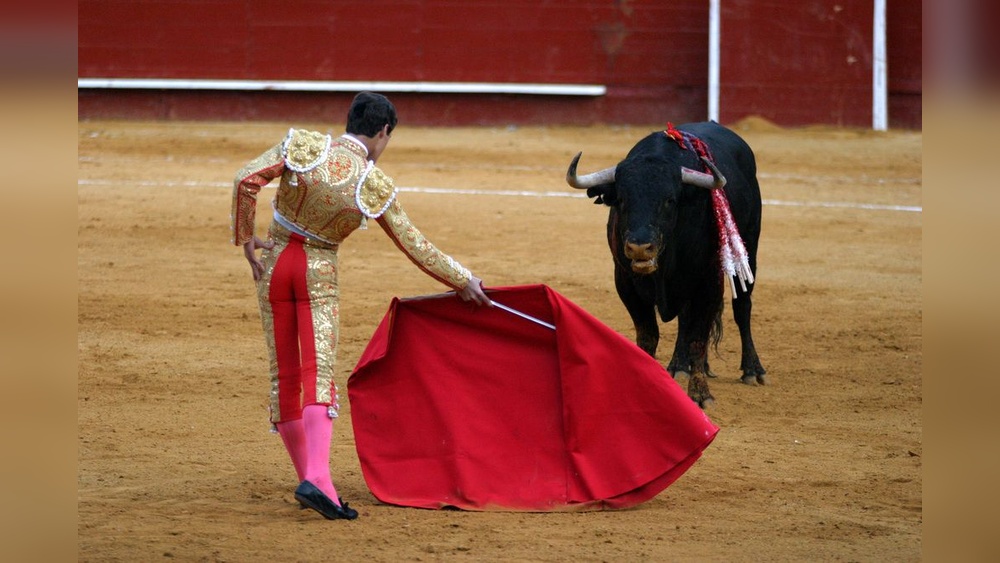
Have you ever wondered why bulls seem so angry when they see red? You might have heard that bulls hate the color red and charge because it angers them.
But what if I told you that bulls can’t actually see red the way you do? It’s true—bulls are color blind to red. So, what really makes them charge? If you want to uncover the surprising truth behind this common myth and understand what really triggers a bull’s aggression, keep reading.
This article will change the way you think about bulls and their famous fury.
Bulls’ Vision Basics
Bulls see the world differently than humans. Their eyes have fewer color receptors. This means their color vision is limited.
Understanding how bulls see helps explain their behavior. It also clears up myths about their reactions to colors.
How Bulls See Colors
Bulls have two types of color receptors. Humans have three. This limits bulls to mainly blue and green shades.
They cannot see red the way humans do. To bulls, red may look like a dull gray or brown.
Bulls’ Field Of Vision
Bulls have wide-set eyes on the sides of their heads. This gives them a broad field of view, almost 330 degrees.
This wide vision helps bulls detect movement around them easily. They see better in low light than humans do.
How Bulls React To Movement
Bulls are more sensitive to motion than to color. Sudden movements catch their attention quickly.
This sensitivity explains why bulls charge at waving objects, not because of their color.

Credit: www.reddit.com
Colorblindness In Bulls
Bulls do not see colors the way humans do. Their vision is different, which affects how they perceive the world. Understanding colorblindness in bulls helps clear up many myths about their behavior.
Many believe bulls get angry because of the color red. This is not true. Bulls are actually colorblind to red shades, so color alone does not provoke them.
Dichromatic Vision Explained
Bulls have dichromatic vision. This means they see two main colors instead of three like humans. Humans have trichromatic vision, which allows them to see red, green, and blue.
Bulls see mostly blues and yellows. They cannot distinguish reds and greens well. This type of vision limits their color range but helps them detect movement clearly.
Red Perception Compared To Humans
Bulls do not see the color red as humans do. To bulls, red may look like a dull gray or brown. This means the red cape in bullfighting does not anger the bull by color.
The movement of the cape catches the bull’s attention. Bulls react to motion, not color. This explains why bulls charge during bullfights, not because of the color red.
Why Bulls Don’t React To Red
Bulls do not react to the color red itself. The common belief that red angers bulls is actually a myth. Bulls are colorblind to red and green hues. Their eyes cannot distinguish these colors clearly. Instead, bulls respond to the movement of the object in front of them. This explains why the waving red cape provokes a bull’s charge. It is the motion, not the color, that triggers their aggression.
Colorblindness Impact
Bulls see colors differently than humans. Their vision is similar to red-green colorblindness in people. Reds look like shades of gray or brown to them. This means bulls do not recognize the cape’s red color. They react to shapes and contrast instead. The red color in bullfighting helps hide blood stains. This practical use makes the red cape a tradition rather than a trigger.
Role Of Movement In Aggression
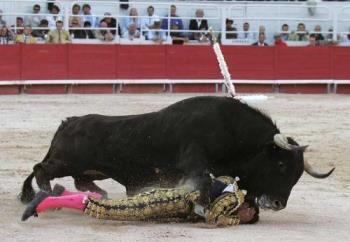
Bulls are sensitive to quick movements in their environment. The waving cape moves rapidly, catching their attention. This sudden motion causes bulls to charge. They focus on the moving object, not its color. Movement signals a potential threat or challenge to bulls. This natural response is why matadors use a cape to provoke the bull. The red color is only a visual aid for humans watching the fight.
Credit: www.mylot.com
The Myth Of Red Anger
The idea that bulls get angry when they see red is a common belief. Many think the color red provokes bulls to charge. This belief is mostly due to bullfighting traditions and how bulls react to the matador’s cape.
Science shows bulls are actually color blind to red. Their eyes cannot see red like humans do. Instead, bulls react to the movement of the cape, not its color. The waving motion catches their attention and causes them to charge.
The red color in the cape serves a different purpose. It hides the blood stains during the fight. This helps keep the scene less disturbing for spectators. The choice of red is practical, not meant to anger the bull.
Why Bulls Can’t See Red
Bulls have fewer color receptors than humans. They mainly see shades of blue and green. Red appears as a gray or brown tone to them. This means red does not stand out as a bright color.
The Role Of Movement In Bull Behavior
Bulls are highly sensitive to fast movements. The waving cape triggers their natural instinct to attack. The bull’s focus is on the motion, not the color. This explains why bulls charge during bullfights.
How Bullfighting Uses Color
The red cape is a tradition in bullfighting. It helps mask blood from the bull’s wounds. This keeps the audience less disturbed by the fight. The color choice is about practicality, not angering the bull.
Bullfighting And The Red Cape
Bullfighting has a long history and many traditions. One famous tradition is the use of a red cape by the matador. Many people think bulls charge because of the red color. The truth is different. Bulls cannot see the color red clearly. Their reaction comes from the cape’s movement, not its color.
The red cape plays a special role in the bullfight. It helps the matador control the bull’s actions. The color red also hides the blood during the fight. This makes the scene less disturbing for the audience. Understanding the cape’s purpose helps clear up common myths about bulls and color.
Purpose Of The Red Muleta
The red muleta is the small cape used in the final act of a bullfight. Its main purpose is to attract the bull’s attention. The bright red color hides bloodstains from the bull and the crowd. This keeps the focus on the matador’s skill, not the injury. The muleta’s movement, not its color, provokes the bull to charge.
Matadors use the muleta to guide the bull’s direction. They move it quickly to catch the bull’s eye. The bull reacts to the waving motion. The red color is traditional, but the movement is what really matters.
Historical Use Of Color
The use of red in bullfighting dates back centuries. Red was chosen for its strong visual impact. It stands out against the arena and the bull’s dark color. Early bullfighters found red effective for hiding blood. This kept the audience from focusing on the bull’s wounds.
Historical records show the red cape became standard by the 18th century. Before that, matadors used different colors. Red became a symbol of bullfighting tradition. It also helped matadors stay visible to bulls and spectators alike.
Scientific Studies On Bull Behavior
Scientific studies on bull behavior help clear common misconceptions. Many believe bulls are angered by the color red. Scientific research shows the truth is different. Bulls are mostly colorblind to red hues. Their reactions come from other factors, not color itself.
Researchers have conducted many experiments to test bull responses. These studies focus on vision and behavior patterns. They provide valuable insights about bull perception and aggression triggers.
Mythbusters Experiments
The MythBusters team tested if bulls react to the color red. They used different colored capes and objects in their experiments. Bulls charged at moving objects regardless of color. Their aggression depended on motion, not color. This proved bulls do not see red as threatening. Movement causes their reaction, not the color red.
Research From Universities
Several universities studied bull vision and behavior. Experts found bulls have limited color vision. They see mainly in shades of blue and green. Red colors appear as shades of gray or brown. Bulls respond more to movement and size than color. These findings match bullfighting observations. Red capes are used to hide blood, not to anger bulls.
How Bulls See Other Colors
Bulls do not see colors the same way humans do. Their vision is different and limited. They have fewer color receptors in their eyes. This means their perception of colors is less vibrant.
Unlike humans, bulls cannot distinguish red from green well. This condition is similar to red-green color blindness in humans. Bulls see the world mostly in shades of blue and yellow.
Color Vision In Bulls
Bulls have two types of color receptors called cones. Humans have three types, which allow more color shades. Because of this, bulls see fewer colors clearly. Reds and greens appear as dull or grayish to them.
Bulls do not get angry because of the color red. They cannot see red as we do. Instead, they react to movement. The waving of a matador’s cape catches their attention, not the color itself.
Colors Bulls Can See Well
Bulls see blues and yellows more clearly. These colors stand out more in their vision. Their eyes are sensitive to brightness and movement rather than color details. This helps bulls detect threats or actions around them.
Movement Versus Color
Bulls do not react to the color red itself. Their eyes cannot see red clearly. Instead, bulls respond strongly to movement around them. The waving of the cape excites and agitates the bull. This motion grabs their attention and triggers their natural instincts.
The color red in bullfighting is traditional, not a trigger. It helps hide blood stains during the fight. Bulls are more sensitive to sudden changes and fast movements than colors. This explains why bulls charge at the cape, not because it is red.
Triggers For Bull Charges
Bulls charge when they feel threatened or provoked. Sharp, quick movements catch their eye and make them defensive. Loud noises and aggressive gestures also add to their agitation. The bull’s natural response is to defend itself against perceived danger. Color plays little to no role in this reaction.
Matador’s Role In Provocation
The matador uses movement to control and provoke the bull. By waving the cape, the matador directs the bull’s focus and energy. The speed and direction of the movements are key to provoking a charge. The red cape is simply a traditional tool, not a weapon of anger.
Common Misconceptions About Bulls
Bulls are often misunderstood animals surrounded by myths. Many people think bulls react aggressively to the color red. This idea is widely spread but not true. Understanding these common misconceptions helps us see bulls more clearly.
Are Bulls Really Angered By The Color Red?
Bulls do not see the color red as humans do. Their eyes have fewer color receptors, making them partially color blind. They react to movement, not color. The waving of the matador’s cape is what catches their attention.
Why Do Bulls Charge In Bullfighting?
The charge is a response to the cape’s motion. It is a natural instinct to attack moving objects. The color red is used to hide blood stains during the fight. This practical reason is often mistaken for anger at the color itself.
Do Bulls Have Poor Vision?
Bulls have decent vision but see fewer colors. They see blues and greens better than reds. Their vision suits their needs in nature. Color is less important than movement or shape for bulls.
Is The Red Cape A Trigger For Bulls?
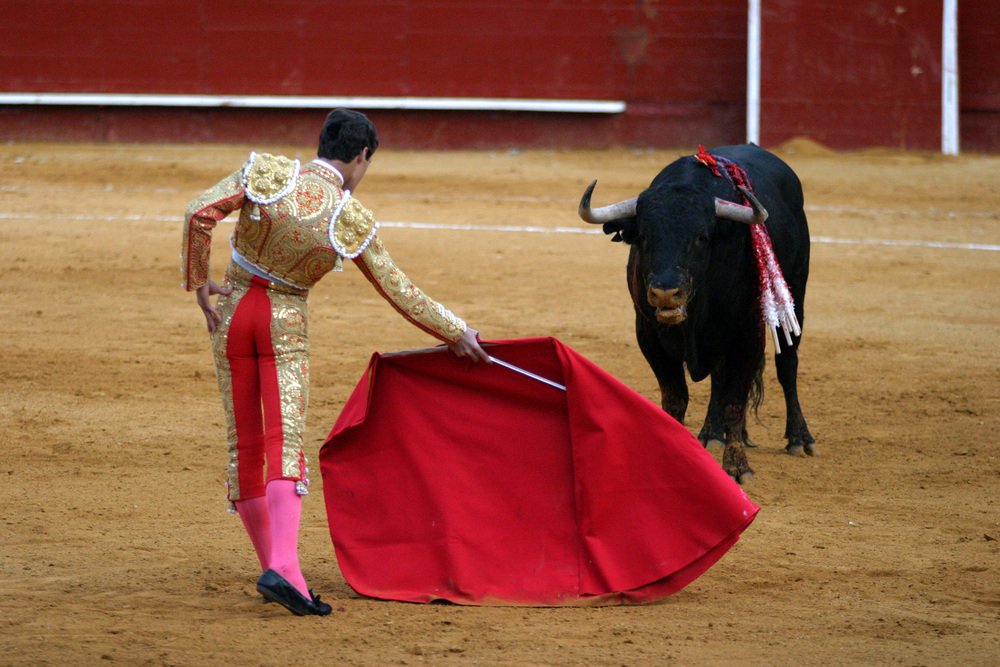
The cape’s color does not trigger aggression. The movement of the cape triggers bulls. Bulls focus on the motion as a threat or challenge. This explains why bulls charge the cape, not its color.
Credit: www.livescience.com
Implications For Bullfighting And Animal Welfare
The question of whether bulls are color blind has important effects on bullfighting and animal welfare. Bulls do not react to the color red. Instead, they respond to the movement of the cape. This fact changes how people see bullfighting traditions and animal treatment.
Understanding bull vision can help improve how animals are treated. It also shows that certain beliefs about bulls may be wrong. This knowledge can guide changes in how bullfighting is done or how bulls are handled.
Why Bulls Do Not React To Red Color
Bulls have a limited ability to see colors. They cannot see red as humans do. Their eyes are more sensitive to blue and green shades. The red cape used in bullfighting does not make bulls angry. The movement of the cape is what triggers their reaction.
How This Affects Bullfighting Practices
Matadors use red capes mainly to hide blood stains. The color choice is practical, not to provoke bulls. Knowing bulls do not see red can change bullfighting views. It may lead to new methods that reduce animal stress. It also questions the need for using red in fights.
Impacts On Animal Welfare And Ethics
Misunderstanding bull vision can cause unnecessary harm. Bulls may suffer from stress and fear during fights. Recognizing this can promote better animal care. It supports calls for less cruel treatment of bulls. Awareness can influence laws and public opinion about bullfighting.
Frequently Asked Questions
Why Do Bulls Get Angry When They See Red?
Bulls do not get angry at red because they are colorblind to it. They react to cape movement, not color. Red hides blood during bullfights, making it a practical choice for matadors.
Which Color Gets A Bull Angry?
Bulls do not get angry at red because they are colorblind to it. They react to the cape’s movement, not its color. Red is used to hide blood during bullfights, not to provoke the animal. Movement triggers the bull’s aggression, not the color red.
Which Color Do Bulls Not Like?
Bulls do not dislike any color because they are colorblind to red. They react to movement, not color.
What Animal Is The Most Color Blind?
Bulls are among the most color blind animals, unable to see red. They perceive red as yellowish-gray. Bulls react to movement, not color.
Are Bulls Really Color Blind?
Bulls cannot see red but can detect some colors like blue and green.
Why Do Bulls Charge At Red Capes?
Bulls react to cape movement, not the red color itself.
Can Bulls See Any Colors At All?
Yes, bulls see limited colors, mainly blues and yellows.
Does Red Color Make Bulls Angry?
Red does not anger bulls; movement causes their aggression.
How Do Bulls Perceive Red Color?
Bulls see red as a shade of gray or brown.
Why Is Red Used In Bullfighting?
Red hides blood stains and attracts human attention, not bulls’.
Conclusion
Bulls do not see red as humans do. Their eyes lack red-sensitive cones, making them colorblind to red. The movement of the cape, not its color, provokes their reaction. This common myth about bulls hating red is simply untrue. Understanding this helps clear up many false beliefs.
Bulls respond to motion, not color. This fact changes how we view traditional bullfighting. Remember, animals perceive the world differently than we do. Knowing this can improve how we interact with them.