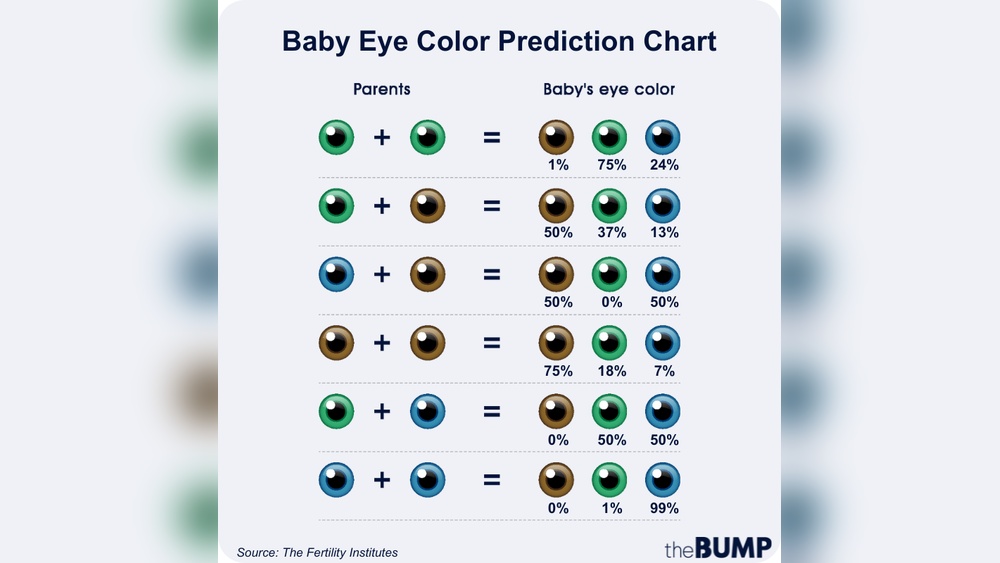
Are you curious about when your baby’s eye color will finally settle? You’re not alone.
Many parents watch their little one’s eyes closely, wondering if those early blue or gray shades will stay or slowly shift to green, hazel, or brown. Understanding when and why these changes happen can ease your mind and help you appreciate every stage of your baby’s development.
You’ll discover exactly when babies’ eye colors come in, what causes the changes, and what signs to watch for to know everything is on track. Keep reading—you’ll be amazed at the journey your baby’s eyes take in their first year and beyond.

Credit: kdfoundation.org
Initial Eye Color At Birth
Babies often enter the world with eye colors that surprise many new parents. This early shade is not always their permanent one. The initial eye color at birth usually looks different from the final color. This happens because the pigment in their eyes is still developing.
Most newborns have light-colored eyes. Shades like blue or gray are common. This lightness occurs because melanin, the natural pigment that colors eyes, is low at birth. Melanin builds up over the first months of life, changing the eye color gradually.
Why Many Babies Are Born With Blue Or Gray Eyes
At birth, melanin levels in the iris are very low. Without enough pigment, eyes appear blue or gray. This is normal for babies of all ethnic backgrounds. The light color reflects how little melanin is present in the eye tissue.
How Melanin Affects Eye Color Development
Melanin controls the darkness of the eye color. More melanin means darker eyes like brown or hazel. Less melanin results in lighter eyes such as blue or green. Babies start producing melanin a few weeks after birth, which changes their eye color.
When Initial Eye Color Might Change
Eye color often changes during the first year. Changes are slow and happen as melanin increases. Some babies keep their birth eye color, while others see a shift to darker shades. The final eye color usually settles by 12 months but can take up to 3 years.
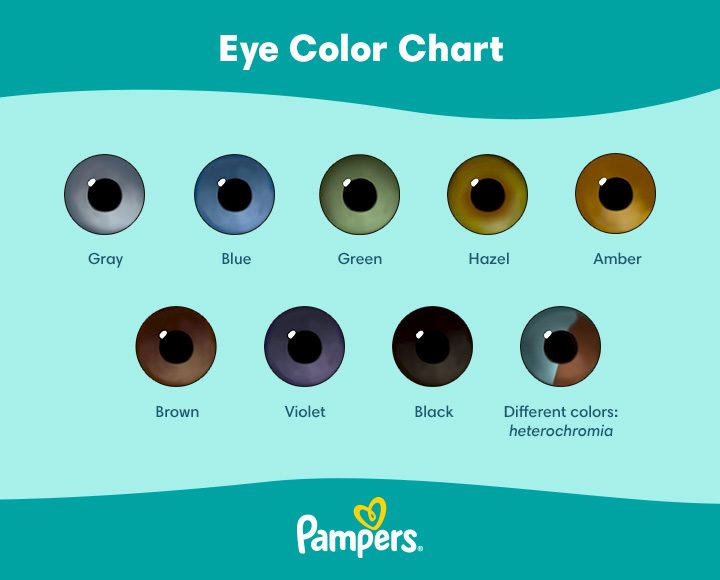
Credit: www.pampers.com
Role Of Melanin In Eye Color
Melanin plays a key role in the color of a baby’s eyes. It is a pigment found in the iris, the colored part of the eye. The amount and type of melanin determine eye color. Babies often start with lighter eyes due to low melanin levels at birth. Over time, melanin production increases, changing the eye color.
Eye color develops as melanin builds up in the iris. This process can take several months to a few years. Genetics control how much melanin is made and where it spreads in the eye. Different melanin amounts create colors ranging from blue to brown.
What Is Melanin?
Melanin is a natural pigment in skin, hair, and eyes. It protects the eyes from sun damage. In the iris, melanin absorbs light and gives the eye its color. More melanin means darker eye color.
How Melanin Affects Baby’s Eye Color
Babies are often born with blue or gray eyes. This happens because melanin is low at birth. As melanin increases, the eye color can change. The change usually happens in the first year but can continue longer.
Genetics And Melanin Production
Genes control melanin levels in the iris. Parents pass genes that affect eye color to their baby. Different gene combinations lead to various melanin amounts. This explains why siblings can have different eye colors.
Genetics Behind Eye Color
Babies often have blue or gray eyes at birth due to low melanin levels. Eye color usually changes within six months as melanin develops. Genetics control this pigment, gradually revealing the baby’s true eye color over time.
Eye color is a trait passed down from parents to children. It depends on genes that control melanin in the iris. Melanin is the pigment that gives color to the eyes, skin, and hair.
Different amounts and types of melanin create various eye colors. More melanin usually means brown eyes. Less melanin results in blue or green eyes. The genes interact in complex ways.
How Genes Affect Baby’s Eye Color
Several genes influence eye color, not just one. The main genes control how much melanin forms in the iris. They also affect where the melanin is placed.
Parents pass these genes to their babies. The combination of these genes decides the baby’s eye color. Sometimes, a baby’s eye color changes as melanin grows after birth.
Why Babies’ Eyes Often Start Blue
Many babies are born with blue or gray eyes. This happens because melanin is low at birth. The melanin builds up during the first year.
As melanin increases, the eye color can change. It may turn green, hazel, or brown. The final eye color appears around 6 to 12 months old, sometimes later.
Common Eye Color Changes Timeline
Babies often start with blue or gray eyes at birth due to low melanin. Eye color usually changes between 6 to 12 months as melanin increases. Final color can take up to 3 years to settle.
Most babies are born with blue or gray eyes. This happens because melanin, the pigment for eye color, is not fully developed. The iris looks lighter due to low melanin levels. This initial color can change as melanin increases.
Eye Color Changes In The First 6 Months
During the first six months, melanin starts to build up in the iris. This causes the eye color to darken or shift. Blue eyes may turn green, hazel, or brown. Some babies’ eyes stay blue if melanin stays low.
Final Eye Color By One Year
By about one year, most babies’ eye color settles. The amount and type of melanin fix the final shade. Some eyes may still change slightly after this time but usually not much. Genetics mainly control this process.
Why Many Babies Have Blue Or Gray Eyes
Many babies are born with blue or gray eyes. This common eye color happens because of how the eye pigment develops. At birth, babies have very little melanin in their irises. Melanin is the pigment that gives eyes their color.
Without much melanin, eyes appear blue or gray. The color seen in newborns is not always the final color. Over time, melanin increases and changes the eye color. This process can take several months or even years.
How Melanin Affects Eye Color
Melanin is the natural pigment in the body. It controls the color of skin, hair, and eyes. Higher melanin means darker eyes. Lower melanin results in lighter eyes like blue or gray. Babies start with low melanin at birth, so their eyes look light.
Genetics And Eye Color
Eye color comes from genes inherited from parents. These genes decide how much melanin the eyes will produce. Some genes delay melanin buildup after birth. That delay causes many babies to have blue or gray eyes early on. The final eye color shows after melanin fills in.
When Eye Color Changes
Eye color usually changes within the first year. Melanin slowly builds up, darkening the eyes. Some babies’ eyes stay blue or gray if melanin stays low. Others turn green, hazel, or brown as melanin increases. The timing and final color vary for each child.
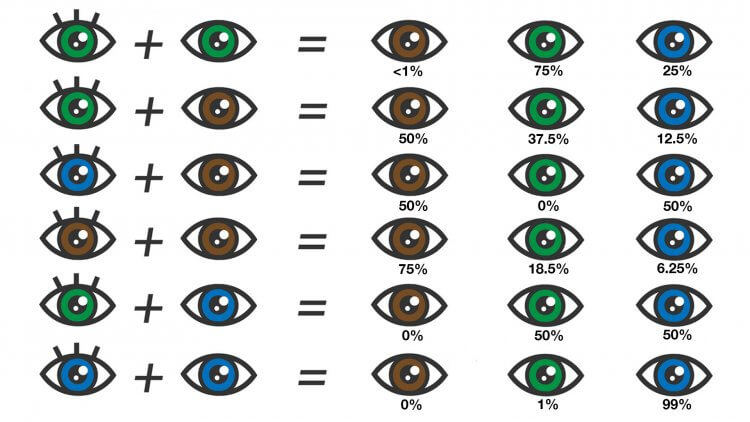
Credit: huntersfriendresort.com
When Eye Color Becomes Permanent
Babies’ eye color often changes during the first year of life. At birth, many babies have blue or gray eyes. This happens because the pigment melanin is still developing. Melanin gives color to the iris, which is the colored part of the eye. As melanin increases, the eye color may darken or shift. Parents often wonder when this change stops and the color becomes permanent.
Most babies’ eye color settles by the time they are about 9 to 12 months old. For some, it may take up to 3 years for the color to fully stabilize. During this time, the amount and distribution of melanin in the iris reach a steady state. Once this happens, the eye color will remain the same throughout childhood and adulthood.
It is normal for the eye color to change gradually. Sudden or uneven changes might need medical attention. Consulting a doctor is important if one eye changes color suddenly or if the eyes look cloudy.
How Melanin Affects Eye Color
Melanin controls the shade of the eyes. Less melanin results in lighter colors like blue or green. More melanin produces darker colors such as brown. Babies start with low melanin levels, which increase as they grow. This process changes the eye color slowly over time.
Typical Timeline For Eye Color Change
Most babies show eye color changes between 3 and 6 months. By 9 months, many have their final color. Some babies’ eyes keep changing up to age 3. Genetics and ethnicity influence how fast and what color appears. Patience is key during this period.
Signs Eye Color Is Permanent
The eye color stops changing when no new pigment appears. The color looks stable and consistent in different lights. If the color stays the same for several months, it is usually permanent. Parents can expect no major changes after this point.
Variations In Brown, Green, And Hazel Eyes
Babies’ eye colors often start as blue or gray at birth. This happens because melanin, the pigment that colors eyes, is not fully formed yet. Brown, green, and hazel eyes show many variations as melanin develops over time. These colors can deepen, lighten, or even shift during the first year.
Each eye color has its unique pattern of change. Brown eyes usually start darker and may become richer. Green eyes can appear hazy before settling into a clear shade. Hazel eyes often show a mix of colors that change with light and age.
Variations In Brown Eyes
Brown eyes contain a high amount of melanin. Newborns with brown eyes may seem dark from the start. Sometimes, the brown color deepens as melanin builds up. In some babies, the eyes may lighten slightly if melanin spreads differently. Brown eyes can range from light amber to deep chocolate tones.
Variations In Green Eyes
Green eyes have moderate melanin and a yellow pigment called lipochrome. At birth, green eyes can look gray or blue. Over months, melanin increases and yellow pigment becomes visible. This mix creates the green shade. Green eyes may look brighter or duller depending on lighting and age.
Variations In Hazel Eyes
Hazel eyes blend brown, green, and sometimes gold tones. These eyes change color as melanin and pigments mix. Hazel eyes often shift between green and brown during the first year. The color may appear patchy or ringed. Hazel eyes reflect light differently, making them seem to change shade often.
Factors Affecting Eye Color Appearance
Babies’ eye color can change during their first year. Several factors influence this change. These factors affect how the final eye color appears. Understanding them helps parents know what to expect.
Genetics And Eye Color
Genes control the color of a baby’s eyes. They decide how much melanin the iris will have. Melanin is the pigment that gives eyes their color. Parents pass these genes to their baby. This is why eye colors in families often look alike.
Melanin Development
Melanin levels increase after birth. Babies often start with blue or gray eyes. This happens because melanin is low at birth. Over time, melanin builds up and changes the eye color. The amount of melanin determines if eyes turn brown, green, or stay blue.
Lighting And Eye Color Perception
Light can change how eye color looks. Different lighting makes eyes appear darker or lighter. Natural sunlight shows the true color best. Indoor lighting may make eyes look less bright. This effect can confuse parents about the real eye color.
Age And Eye Color Change
Eye color usually settles by six to twelve months. Some babies may take longer. Changes happen slowly as melanin spreads in the iris. After one year, eye color tends to stay stable. Rarely, some changes can occur even later.
Signs To Watch For Medical Concerns
Watching your baby’s eye color develop is exciting. Most babies’ eyes change color during their first year. Usually, these changes are harmless. Yet, some signs might signal medical concerns. Early attention helps protect your baby’s vision and health.
Uneven Eye Color Or Sudden Changes
One eye looks different from the other. Or, the eye color changes quickly in a few days. These signs are unusual. They may point to health issues. Visit a doctor for a checkup. Early diagnosis can prevent problems.
Cloudy Or White Spots On The Iris
Look for any cloudiness or white spots on your baby’s colored part of the eye. This may indicate cataracts or other eye conditions. Such changes need prompt medical attention. Do not wait to get your baby examined.
Redness, Swelling, Or Discharge
Red eyes with swelling or discharge might mean an infection. Eye infections can affect vision if untreated. A healthcare professional can provide the right treatment. Keep your baby’s eyes clean and monitor symptoms closely.
Difficulty Tracking Objects Or Light
If your baby does not follow moving objects or light with their eyes, it can signal vision problems. Early vision issues affect development. A pediatric eye exam can detect problems early. Prompt care supports healthy eyesight.
Predicting Baby’s Eye Color Limitations
Predicting a baby’s eye color can be tricky. Many parents want to guess their child’s future eye shade early on. Genetics do play a role, but several factors limit accurate predictions.
Eye color depends on melanin, a pigment that develops over time. Newborns often have light blue or gray eyes. These colors can change as melanin builds up in the iris.
Understanding these limits helps manage expectations about a baby’s eye color journey.
Genetics Are Complex And Not Always Clear
Eye color inheritance involves multiple genes. Simple rules like “brown dominates blue” do not always apply. Parents with similar eye colors can have children with different shades. Predicting exact eye color from family traits remains uncertain.
Melanin Development Takes Time
Newborn eye color is not final. Melanin increases during the first year, sometimes up to three years. Early color often changes gradually. Babies born with blue eyes can develop green, hazel, or brown eyes later.
Environmental And Health Factors Influence Color
Light exposure and health can affect melanin production. Premature babies may have different eye color changes. Some medical conditions alter eye pigmentation. These factors add unpredictability to eye color prediction.
Frequently Asked Questions
When Can You Fully Tell A Baby’s Eye Color?
You can usually tell a baby’s final eye color by 6 to 12 months. Melanin development darkens eye color over time. Genetics control melanin levels, influencing shades from blue to brown. Some eyes may keep changing up to 3 years, but most settle within the first year.
Do All Newborns Have Blue Eyes?
Not all newborns have blue eyes. Many are born with blue or gray eyes due to low melanin. Eye color changes as melanin develops, influenced by genetics. Final eye color appears by 6 to 12 months, ranging from brown, green, hazel, or blue.
What Color Will Grey Baby Eyes Turn?
Grey baby eyes usually darken as melanin increases, turning brown, green, or hazel depending on genetics.
When Do Babies’ Eye Colors Usually Start To Change?
Babies’ eye colors often begin changing between 6 to 12 months of age.
Why Are Many Newborns’ Eyes Blue Or Gray?
Newborns often have blue or gray eyes due to low melanin at birth.
How Long Does It Take For Eye Color To Settle?
Eye color typically settles by 12 to 18 months but can take up to 3 years.
What Causes A Baby’s Eye Color To Change?
Genetics control melanin levels, which affect the color and shade of the eyes.
Can A Baby’s Eye Color Change After The First Year?
Yes, eye color can slowly change even after the first year of life.
Is It Normal For Only One Eye To Change Color?
Usually, both eyes change color; one-sided change may need a doctor’s check.
When Should I Worry About Sudden Eye Color Changes?
Sudden changes, cloudiness, or different colors in each eye require medical attention.
Conclusion
Babies’ eye color usually changes during the first year. Melanin builds up slowly, deepening the color. Many babies start with blue or gray eyes. By 6 to 12 months, their true eye color often appears. Genetics play a big role in the final shade.
Remember, some changes can happen even after one year. Watch for sudden or uneven changes and consult a doctor if concerned. Patience helps as your baby’s unique eye color develops naturally over time. Enjoy watching this beautiful transformation.