Have you ever wondered how to make the perfect shade of pink? Whether you’re painting a canvas, decorating a cake, or crafting a DIY project, knowing how to create pink exactly the way you want can make all the difference.
Pink isn’t just one color—it’s a whole range of beautiful tones that can go from soft and delicate to bold and vibrant. You’ll discover simple, easy-to-follow steps to mix the perfect pink using basic colors you probably already have. Plus, you’ll learn tips on adjusting the shade to match your vision every time.
Keep reading, and you’ll soon be mixing pink like a pro!
Basic Pink Mixing
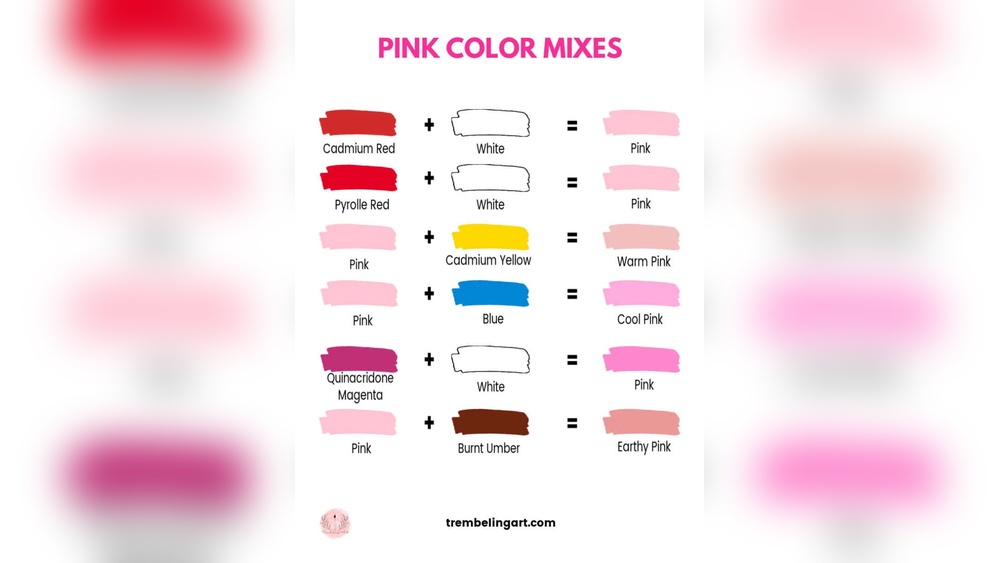
Pink is a simple color to create. It starts with just two colors: red and white. Mixing these two produces pink in many shades.
The exact look of pink depends on how much red or white you add. More white makes pink lighter and softer. More red makes it deeper and stronger.
Red And White Ratio
Start with red as your base color. Add white slowly to lighten it. Stir well after each addition. Watch how the color changes with every mix.
Use more white for pastel pinks. Use more red for bright or dark pinks. Keep adjusting until the pink looks right to you.
Choosing The Right Red
Not all reds make the same pinks. Some reds have blue tones, others have orange. Blue reds create cool pinks. Orange reds create warm pinks.
Try different reds to find your favorite pink shade. Bright reds give vivid pinks. Dark reds give muted pinks. Experiment to see what works best.

Credit: www.color-meanings.com
Light Pink Shades
Light pink shades bring softness and calm to any palette. These shades are gentle and soothing. They work well in art, design, and décor. Light pinks are created by mixing red with white. The balance between these colors defines the shade’s brightness and warmth.
Adding More White
To make light pink shades, add white to red gradually. Start with a small amount of red. Then, slowly mix in white paint. The more white you add, the softer and lighter the pink becomes. This process allows you to control the shade. It helps you find the perfect light pink for your project.
Adding white also changes the tone and brightness. It makes the pink less intense and more pastel-like. This method is simple but effective for creating a wide range of pinks.
Soft Pastel Pinks
Soft pastel pinks are very light and airy. They feel fresh and delicate. These shades are perfect for backgrounds or subtle accents. To create pastel pinks, use a lot of white with just a touch of red. Mixing in a tiny bit of blue or yellow can also soften the color. This adds depth without changing the lightness too much.
Pastel pinks are popular in fashion and interior design. They bring a gentle, inviting look. This shade works well with many other colors, especially neutrals and soft blues.
Vibrant Pink Tones
Vibrant pink tones stand out with their lively and fresh appearance. They capture attention in any artwork or design. Creating these vivid shades requires the right balance of colors and careful mixing. The key lies in starting with pure red and blending it carefully with white. This creates a bright pink that feels energetic and clean. Avoiding dull or muddy colors keeps the pinks sharp and inviting. Below, learn the essential tips for making vibrant pink tones.
Using Pure Red
Start with pure red paint for the brightest pink. Avoid mixing reds with other colors first. Pure red gives a strong base to create clear pinks. Add white paint slowly to the red. Mix little by little to watch the color change. This method helps control the shade and brightness. A pure red base avoids muddy or dull results. Use high-quality red paint to ensure vibrant outcomes.
Avoiding Muddy Colors
Muddy pinks happen when too many colors mix. Avoid adding blue, green, or black to pink mixes. These colors dull the brightness and create a grayish tone. Stick to pure red and white for clean pink shades. If the pink looks dull, add more white or pure red. Keep the palette simple to maintain clarity. Clean tools and fresh paint also help avoid muddy colors. This keeps your vibrant pinks sharp and eye-catching.
Warm Vs Cool Pinks
Pink comes in many shades, mainly divided into warm and cool tones. These differences affect how pink looks in art and design. Warm and cool pinks create unique feelings and match various styles.
Understanding warm vs cool pinks helps in mixing the right shade. It depends on the type of red undertone used. This choice changes the pink’s mood and appearance.
Warm Red Undertones
Warm pinks use reds with orange or yellow hints. These reds bring a cozy and soft feeling. Mixing white with warm red makes pinks that feel bright and inviting.
Warm pinks often look like coral or peach. They work well in designs that want to feel cheerful or friendly. These pinks add energy without being too bold.
Cool Red Undertones
Cool pinks use reds with blue or purple hints. These reds create calm and fresh pinks. Mixing white with cool red produces soft and clear pink shades.
Cool pinks look like rose or lavender pink. They fit well in calm, elegant, or modern designs. These pinks give a cool and soothing vibe.
Creating Coral And Salmon
Coral and salmon are lovely shades of pink with a warm, inviting feel. These colors add life to any artwork or design. Mixing them involves blending pink with other colors to adjust tone and warmth.
Both coral and salmon lean toward orange and yellow tones. This makes them vibrant and soft at the same time. You can easily create these shades by careful mixing.
Mixing With Yellow Or Orange
Start with a base of pink. Use a bright red and white mix to get your pink. Then add a small amount of yellow or orange. This changes the pink into coral or salmon.
Adding yellow gives a softer, peachy tone. Orange makes the color warmer and deeper. Add these colors slowly to keep control over the shade.
Mix well after each addition. This helps you see the true color before adding more. Stop once you reach the desired coral or salmon tone.
Adjusting Warmth
Warmth affects how coral or salmon looks. To increase warmth, add more orange or a touch of red. This makes the color glow with energy.
To cool down the tone, add a little white or a tiny bit of blue. Blue cancels out some warmth and softens the shade.
Balance the colors carefully. Too much adjustment can change the shade completely. Use small amounts and test often.

Credit: www.celebratingcolor.com
Deep Pink Variations
Deep pink variations bring richness and boldness to the basic pink color. They offer a vibrant alternative to soft pastel pinks. These shades work well in art and design where a strong pink is needed.
Creating deep pink requires careful mixing of reds and whites. Adjusting the reds used can change the warmth or coolness of the pink. Below are two main ways to achieve deep pink tones.
Adding More Red
Start with a simple pink by mixing red and white. To deepen the pink, add more red slowly. This makes the color richer and darker. Use a bright red to keep the tone lively. Avoid adding too much red at once to prevent turning the color too dark.
Mix the paint well for an even shade. Test the color on a palette before applying it. This helps you see the true deep pink result.
Using Crimson Or Magenta
Crimson and magenta are strong reds with different hues. Crimson has a slightly blue undertone, making pinks cooler. Magenta has a purplish tint, adding brightness and depth.
Mix crimson or magenta with white to create unique deep pinks. These colors give your pink a fresh, vibrant look. Experiment with small amounts to find the perfect shade.
Using Acrylic Paints
Acrylic paints offer a simple and fun way to make the color pink. These paints dry fast and mix easily, making them perfect for beginners and artists alike. By combining just two colors, red and white, you can create various shades of pink.
Using acrylic paints lets you control the tone and depth of your pink. You can make soft pastels or bold pinks by adjusting how much red or white you use. This flexibility allows you to match the exact pink you want for your project.
Mixing Techniques
Start with a small amount of red acrylic paint on your palette. Add white paint little by little. Mix well after each addition to see the true color. Keep adding white until you get the lightness you want. For a stronger pink, use more red than white. Use a palette knife or brush to mix thoroughly. This ensures a smooth, even pink color without streaks.
Layering For Depth
Once you have your base pink, try layering to add richness. Apply a thin layer of light pink and let it dry. Add a second layer with a slightly darker pink mix. This builds depth and makes the color look more vibrant. You can also layer different pink shades for a textured effect. Each layer should dry completely before adding the next. Layering creates a more dynamic and interesting pink tone.

Credit: www.youtube.com
Alternative Pink Methods
Making pink can go beyond just mixing red and white paint. Alternative pink methods offer creative ways to get this lovely color. Different materials and techniques create unique pink shades. These methods work well in cooking, crafts, and art projects. Here are two useful options to explore.
Food Coloring Mixes
Food coloring is a popular way to make pink in cooking and baking. Mixing red and white food coloring creates soft pink tones. Adjust the amount of red to get deeper pinks. Using gel food colors gives more vibrant results. Liquid food colors work well for lighter hues. These mixes are safe for cakes, frostings, and drinks.
For natural options, beet juice and strawberry juice can add pink tints. They provide a fresh and healthy alternative to synthetic colors. Experiment with small amounts to find the perfect shade. These methods bring beauty and flavor to your food.
Dye And Ink Options
Dyes and inks offer another way to create pink for art and crafts. Mixing red dye with white dye produces various pink shades. Fabric dye can be mixed carefully to color textiles in pink. Ink mixing works well for calligraphy and drawing projects.
Try combining red ink with a little water or white ink to lighten the color. This method allows precise control over the pink tone. It also works on paper, wood, and other surfaces. Using these options can add a unique touch to your creative work.
Troubleshooting Pink Mixes
Mixing pink paint can sometimes lead to unexpected results. Troubleshooting pink mixes helps you fix common problems. It improves your painting experience and final colors.
Pink may look dull or muddy if the mix is off. The color intensity might also be too strong or weak. Knowing how to adjust these issues keeps your pink tones vibrant and clear.
Fixing Muddy Pink
Muddy pink usually happens when too many colors mix. Avoid adding too much red or other dark colors. Start with pure red and white only.
If your pink looks gray or brown, add more white paint. White brightens the color and removes dullness. Use small amounts of red to keep it fresh.
Clean your brush well between colors. This stops unwanted pigments from mixing. Try mixing colors on a palette to control the shade carefully.
Balancing Color Intensity
Pink’s strength depends on how much red or white you use. More red makes pink darker and stronger. More white makes it lighter and softer.
To soften intense pink, add a little white paint slowly. Check the color after each addition. Stop when you reach the desired softness.
For a deeper pink, add red in small steps. Avoid adding too much at once. Mixing slowly helps you find the perfect balance.
Creative Pink Uses
Pink is a playful and warm color that inspires creativity. It brightens spaces and adds charm to many projects. Using pink creatively can transform your art and design into something special. Explore ways to use pink beyond just mixing the color. Discover ideas that bring pink to life in your paintings and designs.
Painting Ideas
Use pink to create soft backgrounds in your paintings. It works well for skies at sunrise or sunset. Try mixing pink with other colors to form new shades. Pink blends beautifully with pastels for gentle floral art. Add pink highlights to portraits to show warmth and light. Experiment with different pink tones to add depth and emotion. Pink can also create bold, modern abstracts when used brightly.
Design Inspiration
Pink is perfect for adding a fresh look to interiors. Use pink accents in cushions, rugs, or wall art. It pairs well with gray or white for a clean style. Pink in branding conveys friendliness and approachability. Try pink in logos or websites to attract attention softly. Pink tones can also inspire fashion designs for all ages. Combine pink with metallics like gold for a chic, trendy feel.
Frequently Asked Questions
What Two Colors Make Pink?
Pink is made by mixing red and white. More white creates lighter pink, while more red deepens the shade.
Do Yellow And Purple Make Pink?
Yellow and purple do not make pink. Pink results from mixing red and white, not yellow and purple.
Do Purple And Red Make Pink?
Purple and red do not make pink. Pink results from mixing red with white, not purple.
How To Make Pretty Pink Paint?
Mix red and white paint to create pink. Add more white for lighter pink, more red for deeper pink. Adjust ratios to get your perfect shade.
What Two Colors Make The Color Pink?
Pink is made by mixing red and white paint in different amounts.
How Do I Make Light Pink Color Easily?
Add more white paint to red to get a lighter shade of pink.
Can I Make Pink Without Using Red Paint?
No, red is necessary to mix with white to create any shade of pink.
What Red Shade Works Best For Making Pink?
Bright red or cadmium red works well to produce vivid pink tones.
How To Make Hot Pink Color At Home?
Mix bright red with a small amount of white and a touch of blue.
How To Make Pastel Pink Color Simply?
Use a lot of white paint with a small amount of red to get pastel pink.
Conclusion
Creating the color pink is simple and fun. Mix red with white to get pink. Add more white for a soft, light pink. Use more red to make it deeper and brighter. Different reds change the pink’s look. Try cadmium red for a bright pink.
Crimson red gives a cooler shade. Experiment with amounts to find your favorite pink. Now you know how to make pink easily. Enjoy mixing and creating your perfect pink color!